What Happens When HVAC Duct Insulation Starts Breaking Down
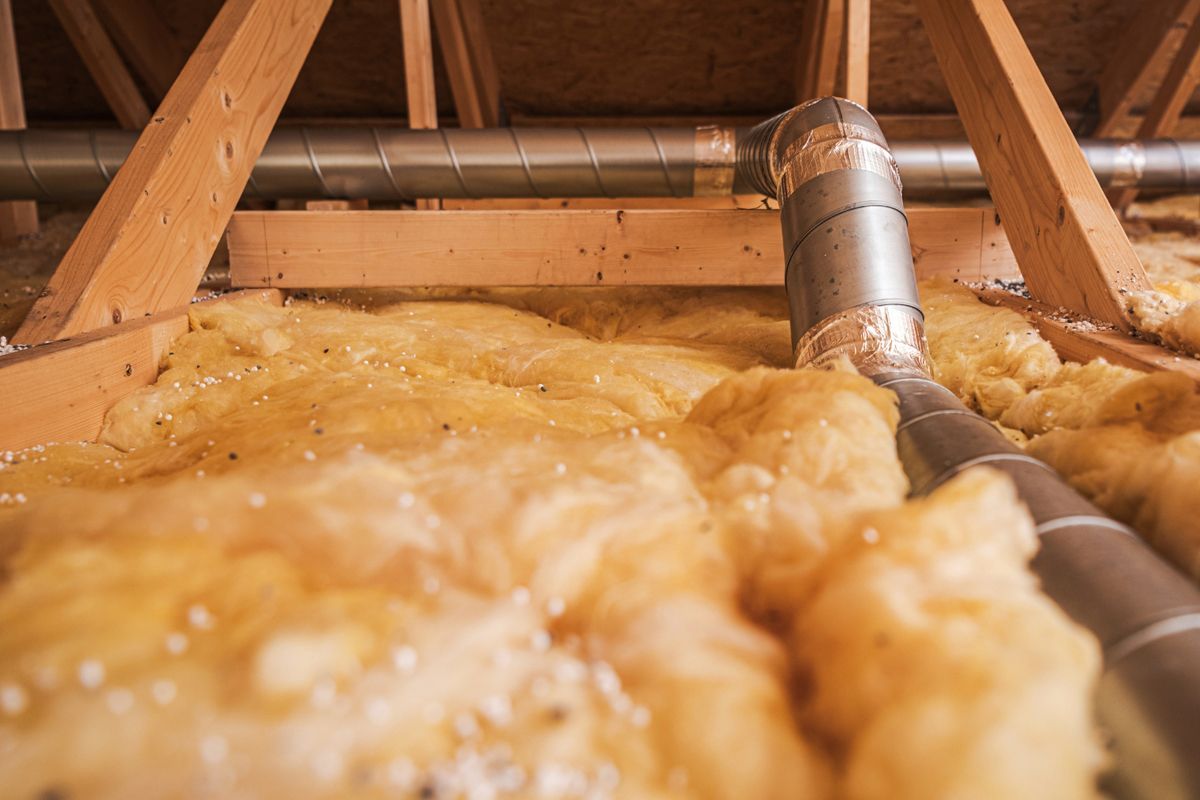
Most homeowners think about the HVAC system in terms of the equipment itself. They pay attention to the thermostat, the outdoor unit, the filter, and whether cool air is coming through the vents. What often goes unnoticed is the insulation wrapped around the ductwork, especially in attics and other unconditioned spaces.
That duct insulation plays a much bigger role in comfort and efficiency than many people realize. When it starts breaking down, the air conditioner may still be working, but the cooled air traveling through the duct system can lose effectiveness before it ever reaches the living space. Over time, that can lead to hotter rooms, longer runtime, higher energy bills, more humidity problems, and a system that seems to struggle even when the equipment itself is still functioning.
For homeowners in Belleair and throughout Pinellas County, this is especially important. Florida attics get extremely hot, AC systems run hard for much of the year, and even small losses in duct performance can become noticeable quickly. If duct insulation is deteriorating, the HVAC system often ends up working much harder than it should.
What Duct Insulation Is Supposed to Do
Duct insulation helps protect the temperature of the air moving through your HVAC system.
When the air conditioner cools the air, that conditioned air travels through the ductwork before it reaches the rooms in the home. If those ducts run through a hot attic, garage, crawl space, or other unconditioned area, the air inside them is exposed to much hotter surrounding temperatures.
The insulation around the ducts helps slow that heat transfer. Its job is to help the cooled air stay cooler as it travels to:
- bedrooms
- living areas
- offices
- additions
- other parts of the house connected to the duct system
If the insulation is damaged, thin, deteriorated, or missing in places, that protection drops. The air still moves through the ducts, but it can warm up more than it should before it ever reaches the room.
Deteriorating Duct Insulation Reduces Cooling Delivery
One of the first things that happens when duct insulation starts breaking down is a drop in how effectively cooled air is delivered.
The AC may still be producing cold air at the air handler, but by the time that air travels through poorly insulated attic ductwork, some of the cooling has already been lost to the surrounding heat.
This often leads to:
- rooms not cooling as well as they used to
- weaker comfort in distant rooms
- hotter back bedrooms
- less effective cooling during the afternoon
- longer system runtime
A homeowner in Belleair may notice that the living room feels acceptable, but the farther bedrooms feel warmer every day after lunch. The system may still be running normally, but the air serving those rooms is traveling through
hot attic ductwork with deteriorating insulation and losing cooling strength along the way.
Attic Heat Makes the Problem Worse in Florida
In Florida, attic conditions make duct insulation much more important than many homeowners realize.
Attics in Pinellas County can become extremely hot during the day. If HVAC ducts are running through that environment without proper insulation, they are constantly exposed to intense surrounding heat.
That means when insulation starts breaking down:
- the effect on delivered air temperature is stronger
- room comfort drops faster
- the system must run longer to overcome the lost cooling
- the homeowner feels the issue more clearly during peak afternoon hours
In a milder climate, some duct insulation wear may take longer to become obvious. In Florida, the combination of attic heat and long AC runtime usually makes the problem show up much sooner.
Energy Bills Can Rise Without a Clear Equipment Failure
When duct insulation degrades, the system often uses more energy even though there is no dramatic equipment breakdown.
That is because the air conditioner has to run longer to make up for the cooling being lost in the duct system. The equipment is still working, but it is doing more work to achieve the same indoor result.
This can show up as:
- higher power bills
- longer afternoon cooling cycles
- less noticeable temperature drop inside the home
- more frequent thermostat adjustments
- frustration that the system seems to be “running all the time”
Homeowners often assume rising cooling costs must mean the equipment itself is failing. Sometimes the deeper issue is that the conditioned air is warming up in the duct system before it gets where it needs to go.
Hot and Cold Spots Become More Noticeable
As duct insulation deteriorates, room-to-room comfort often becomes less consistent.
This is especially common in:
- rooms farthest from the air handler
- back bedrooms
- bonus rooms
- additions
- rooms beneath the hottest part of the attic
The reason is simple. The longer or more exposed the duct run is, the more opportunity there is for the air inside it to pick up heat when insulation is failing.
That means some rooms may feel:
- warmer than the rest of the home
- slower to cool down
- more uncomfortable in late afternoon
- more humid than other rooms
- inconsistent from day to day depending on outdoor heat
This often causes homeowners to think the problem is isolated to one room, when the real cause is duct insulation failure affecting the air delivery path.
Humidity Problems Can Feel Worse Too
In Florida, comfort is not just about temperature. Humidity is a major part of how the house feels.
When duct insulation breaks down and conditioned air loses effectiveness before reaching the rooms, homeowners often respond by lowering the thermostat. The system then runs longer, but because cooling delivery is weaker in the rooms that need it most, the home may still feel:
- sticky
- uneven
- warmer in some areas
- less comfortable in the afternoon
In some rooms, weaker cooling delivery also means the space does not get conditioned well enough to feel dry and comfortable. Even if the thermostat says the home is at the desired temperature, the rooms served by poorly insulated ducts may still feel less comfortable than they should.
Older Duct Insulation Can Break Down Gradually
Duct insulation usually does not fail all at once. It often breaks down slowly over time.
This can happen because of:
- age
- attic heat exposure
- humidity
- physical wear
- pests
- prior service activity in the attic
- deterioration of the outer jacket or insulation material
- compression or damage from storage or foot traffic in attic areas
Because the breakdown is gradual, homeowners often do not notice it right away. They simply begin to feel like the HVAC system is not performing as well as it once did.
That is one reason duct insulation issues are often overlooked. The comfort decline feels gradual and easy to blame on the equipment itself.
Condensation Risk Can Increase in Some Situations
When duct insulation deteriorates enough, it can also increase the risk of condensation on or around the ductwork.
If humid attic air meets cool duct surfaces that are no longer insulated properly, moisture can form. Over time, that can contribute to:
- damp insulation
- water staining
- surrounding material damage
- mold or mildew concerns in some conditions
- further insulation deterioration
This is especially important in Florida, where both attic heat and humidity are high. Once the insulation barrier is compromised, moisture-related issues can become part of the bigger duct problem.
The Equipment Often Gets Blamed for a Delivery Problem
One of the most common outcomes of deteriorating duct insulation is that the HVAC unit itself gets blamed.
Homeowners may say:
- the AC is not as strong as it used to be
- the system is getting old
- the unit may be too small
- the thermostat is wrong
- the refrigerant must be low
Sometimes one of those things is true. But often the actual issue is that the air leaving the equipment is fine, while the air arriving at the room is no longer as cool as it should be.
That is a delivery problem, not necessarily an equipment-generation problem.
A homeowner in Belleair may replace parts, adjust the thermostat, or worry about the outdoor unit, when the deeper issue is in the attic duct insulation that has been quietly failing for years.
Duct Insulation Problems Can Exaggerate Other HVAC Issues
If the system already has another mild problem, failing duct insulation can make it feel much worse.
For example, if the home also has:
- minor duct leakage
- weak airflow balance
- hotter sun-facing rooms
- older attic insulation
- some return-air limitations
then deteriorating duct insulation can push comfort over the edge and make the HVAC system feel much weaker overall.
This is why some homes seem to develop multiple comfort complaints at once. The duct insulation issue may not be the only problem, but it often amplifies everything else the system is already dealing with.
New HVAC Equipment Can Still Underperform With Bad Duct Insulation
A new HVAC system will not fully solve a duct insulation problem.
If the ductwork is still poorly insulated, even a newer and more efficient system may end up with:
- reduced delivered cooling
- longer runtime
- uneven room comfort
- weaker efficiency gains than expected
- continued frustration in certain rooms
This is one reason homeowners sometimes replace their AC and still feel disappointed afterward. The equipment may be working well, but the duct system is still losing cooling performance in the attic.
That is why duct condition should always be part of HVAC system evaluation, especially in older Florida homes.
Breaking Down Duct Insulation
A homeowner in Belleair may notice that the home cools reasonably well in the morning but becomes harder to keep comfortable in the afternoon. The back bedrooms feel warmer, and the AC seems to run much longer than it used to. The homeowner changes filters regularly and assumes the system may simply be getting older.
During a full inspection, the technician finds that much of the attic duct insulation has deteriorated. Several sections have compressed or broken down enough that the cooled air is picking up heat before reaching the far rooms. The equipment is still functioning, but the duct system is no longer protecting the conditioned air the way it should.
That is a common example of how duct insulation breakdown can quietly create larger comfort and efficiency issues.
Why This Matters So Much in Pinellas County
In Pinellas County, AC systems deal with:
- long cooling seasons
- heavy humidity
- high attic temperatures
- strong afternoon demand
- frequent daily runtime
That means duct insulation problems tend to become more expensive and more uncomfortable here than they might in cooler climates. Homes in Belleair and surrounding areas rely on attic duct systems that need to protect cooled air under very demanding conditions.
When that insulation starts breaking down, the system often has to work much harder to deliver the same comfort the home used to get more easily.
A Complete System Approach Gives Better Answers
At Williams Air Solutions, we take a complete system approach because comfort problems do not always start with the equipment itself.
If a system is running longer, rooms are uneven, or the house is not cooling the way it should, it is important to evaluate:
- duct insulation condition
- duct leakage
- airflow performance
- attic conditions
- room-to-room delivery
- equipment health
- thermostat behavior
- home heat-gain patterns
That helps identify whether the AC is truly failing or whether the air delivery system is undermining what the equipment is trying to do.
When HVAC duct insulation starts breaking down, the air conditioner often has to work harder because cooled air loses effectiveness as it travels through hot attic or unconditioned spaces. This can lead to longer runtime, higher energy bills, hotter rooms, more humidity complaints, and a system that seems weaker than it really is.
At Williams Air Solutions, we help homeowners in Belleair and throughout Pinellas County evaluate the full HVAC system, including the ductwork that carries conditioned air through the home. Sometimes the equipment is doing its job. The real issue is that failing duct insulation is preventing the home from receiving the comfort the system is producing.
Call Williams Air Solutions at (727) 353-0090 to schedule AC service anywhere in Pinellas County.