What Homeowners Should Know About Cooling Performance in Bonus Rooms and Additions
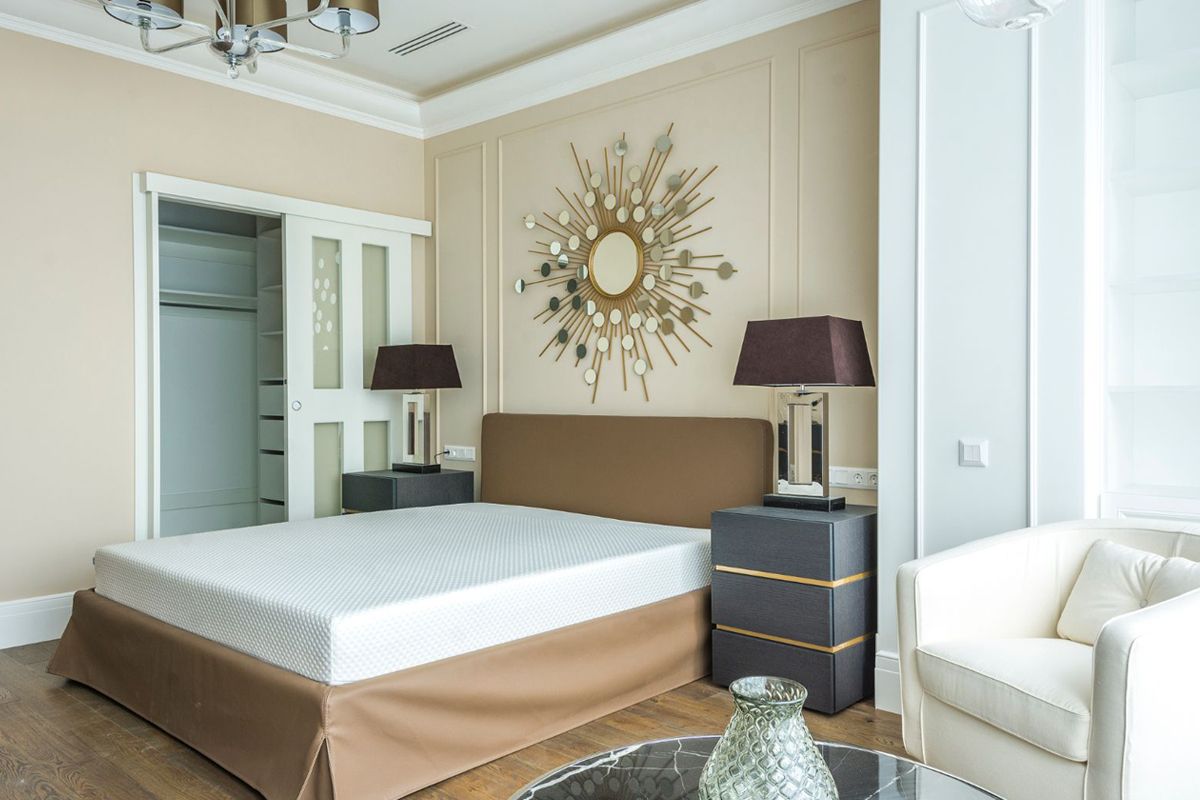
Bonus rooms, enclosed porches, converted garages, and home additions are some of the most common places where homeowners notice cooling problems first. The rest of the house may feel reasonably comfortable, but that one space stays warmer, takes longer to cool down, or feels more humid than the rooms around it. In many homes, the thermostat reaches the set temperature while the bonus room or addition still does not feel right.
That is a very common issue, especially in Florida.
For homeowners in Belleair and throughout Pinellas County, cooling performance in bonus rooms and additions is often different because those spaces usually do not behave like the rest of the home. They may have more sun exposure, different insulation levels, longer duct runs, weaker return airflow, or a layout that the original HVAC system was never designed to support. Even when cool air is coming in, the room may still be harder to keep comfortable.
Bonus Rooms and Additions Often Have a Different Heat Load
One of the most important things homeowners should understand is that a bonus room or addition usually does not gain heat at the same rate as the original part of the home.
These spaces often have:
- more exterior walls
- more windows
- stronger sun exposure
- less shade
- more roof or attic contact
- insulation differences compared to the main house
Because of that, they often heat up faster during the day and hold more heat in the afternoon.
A homeowner in Belleair may feel like the AC should cool the bonus room the same way it cools the living room. In reality, that room may be taking on far more heat than the main part of the house, which means it needs more effective air delivery or a different strategy to stay comfortable.
The Original HVAC System May Not Have Been Designed for That Space
Many bonus rooms and additions were added after the original home was built. In those cases, the existing HVAC system was often sized and laid out before that extra space existed.
That can mean:
- the system was never designed for the added square footage
- the ductwork was extended later without full redesign
- airflow to the new space was added without enough return air
- the original equipment is now serving more area than intended
This does not automatically mean the system is too small, but it does mean the bonus room may be asking the HVAC system to do something it was not originally planned for.
If the addition was never fully evaluated as part of the overall cooling load, comfort issues are very common.
Longer Duct Runs Often Mean Weaker Airflow
Bonus rooms and additions are often located at the edge of the home, over a garage, at the back of the house, or in a converted area that sits farther away from the air handler.
That usually means longer duct runs.
Longer duct runs can create problems such as:
- weaker airflow volume
- more opportunity for air leakage
- more heat gain in attic ductwork
- reduced cooling delivery by the time air reaches the room
- greater sensitivity to any duct design weakness
A vent can still blow cool air in that room, but if the airflow is too weak, the room may still stay warm. This is one of the biggest reasons homeowners get confused. The AC is delivering air, but not enough of it is reaching the room to offset the heat load.
Duct Leakage Hurts These Rooms First
If the ductwork serving a bonus room or addition has leaks, those rooms often suffer more than the rest of the home.
That is because:
- they are usually farther from the equipment
- they may already have weaker airflow
- the ducts often run through hot attic areas
- they usually need stronger delivery to overcome higher heat gain
If cooled air leaks into the attic before it reaches the room, the problem becomes much more noticeable in that space than in rooms closer to the air handler.
A homeowner in Pinellas County may say the bonus room is always warm while the rest of the home seems mostly fine. In many cases, the issue is not that the AC unit cannot cool. It is that the air serving that room is being lost or weakened before it gets there.
Return Air Is Often the Missing Piece
Supply air gets most of the attention, but return air is just as important.
Many bonus rooms and additions do not have strong return-air support. Some have a supply vent added, but no proper return path. Others depend on leaving a door open or allowing air to move back through adjoining spaces, which is not always enough.
Poor return air can cause:
- stuffy air
- weak circulation
- pressure imbalance
- warmer room temperatures
- higher humidity
- slower recovery after the room heats up
This is especially common in bonus rooms over garages, closed-off offices, and enclosed additions where the room has become more independent from the main airflow pattern of the house.
A room may technically be getting cool air, but if the air cannot circulate back well, the room still may not feel comfortable.
Bonus Rooms Often Have More Sun Exposure
A lot of bonus rooms and additions have design features that increase heat gain, such as:
- large windows
- west-facing exposure
- more glass than surrounding rooms
- rooflines with more direct sun exposure
- minimal shading during the afternoon
In Florida, this matters a lot.
A room with heavy afternoon sun can build up heat much faster than the main part of the house. Even if the HVAC system is functioning correctly, that room may still feel warmer because the cooling it receives is not enough to offset the heat entering through walls, windows, and ceilings.
This is why many bonus room complaints get worse later in the day.
Rooms Over Garages Are Common Problem Areas
Bonus rooms over garages are some of the most common cooling trouble spots in Florida homes.
These rooms often deal with:
- heat rising from the garage below
- attic or roof heat above
- more exterior wall exposure
- longer duct runs
- weaker return-air setup
- insulation differences from the main house
That combination makes them much harder to cool consistently.
A homeowner may feel like the rest of the home is fine, but the room over the garage is always too warm in summer. That is not unusual. These spaces often need more HVAC attention because they are exposed to heat from multiple directions.
Enclosed Porches and Additions Can Behave Very Differently Than the Original House
When a porch, lanai, or patio is enclosed and turned into living space, the HVAC system often has to serve a room that behaves very differently from the rest of the house.
These rooms may have:
- more windows
- thinner wall assemblies
- less insulation
- stronger solar exposure
- different air leakage patterns
- ductwork added after the fact instead of designed from the start
That can make them much more difficult to cool, especially during sunny afternoons.
Homeowners often expect the enclosed room to feel like any other room once a vent is added. In reality, that space may require far more airflow and moisture control than the original system can easily provide without adjustment.
Humidity Can Make the Room Feel Even Worse
In Florida, temperature is only part of comfort. If a bonus room or addition has weaker airflow or higher heat gain, it often also feels more humid.
That can make the room feel:
- sticky
- damp
- heavier than the rest of the house
- warm even when the thermostat seems low enough
- uncomfortable long after the rest of the home has cooled
This is one reason homeowners often describe these spaces as “never feeling right” rather than just “being too hot.” The room may have both a cooling problem and a humidity-control problem at the same time.
The Thermostat May Not Reflect What That Room Needs
Most homes have one central thermostat. That means the HVAC system is cycling based on conditions in the thermostat area, not in the bonus room or addition.
If the thermostat is located in a cooler hallway or the main part of the house, it may satisfy before the bonus room ever becomes comfortable. The system shuts off because the thermostat area is happy, while the harder-to-cool room is still too warm.
This often leads to:
- back-and-forth thermostat changes
- the rest of the house becoming too cold
- frustration that the bonus room still is not comfortable
- the assumption that the AC system is too weak
In reality, the system may be responding exactly as it was told. The problem is that the hardest room to cool is not the room controlling the system.
A New HVAC System Alone May Not Solve the Problem
Some homeowners replace the HVAC equipment expecting the bonus room or addition to finally cool correctly.
Sometimes that helps. But if the real issue includes:
- poor duct design
- weak return air
- attic duct losses
- inadequate insulation
- strong solar heat gain
- thermostat limitations
then the comfort problem may remain even with new equipment.
This is an important point. The issue is often not just the AC unit itself. It is the relationship between the system, the ductwork, and the room’s unique heat load.
A homeowner in Belleair has a bonus room at the back of the house that serves as a home office and guest room. The main part of the house stays reasonably comfortable, but the bonus room feels noticeably warmer every afternoon, especially in the summer. The vent in the room blows cool air, so the homeowner assumes the problem must be the age of the AC system.
During a full evaluation, the real causes turn out to be:
- a long attic duct run with weak delivery
- no strong return-air path
- heavy afternoon sun on the outside wall
- insulation that is not as strong as the original home
- a thermostat located in a cooler central hallway
The equipment is part of the overall system, but it is not the only reason the room struggles. The bonus room has a higher cooling demand and weaker air distribution than the rest of the home.
That is a very common situation in Pinellas County homes.
Why This Matters So Much in Pinellas County
In Pinellas County, bonus rooms and additions are especially vulnerable to cooling problems because of:
- long cooling seasons
- high humidity
- strong sun exposure
- hot attic environments
- heavy afternoon heat gain
- long duct runs to outer parts of the house
That means comfort issues in these spaces tend to show up faster and more clearly than they might in milder climates.
A room that is only slightly under-served by airflow in another state may become a serious comfort problem in Florida because the environment is so much more demanding.
A Complete System Approach Is the Best Way to Diagnose the Problem
At Williams Air Solutions, we take a complete system approach because bonus room and addition comfort issues are rarely caused by just one thing.
The right evaluation should look at:
- airflow to the room
- duct length and condition
- leakage in attic ductwork
- return-air performance
- attic and insulation conditions
- window and sun exposure
- thermostat location
- the room’s heat load compared to the rest of the home
This helps identify whether the issue is mainly duct-related, load-related, humidity-related, or a combination of several problems working together.
Bonus rooms and additions often struggle with cooling performance because they usually have a different heat load, longer duct runs, weaker return air, more sun exposure, and HVAC demands the original system may not have been designed to handle. In Florida homes, these issues are especially noticeable because of high humidity, strong attic heat, and long cooling seasons.
At Williams Air Solutions, we help homeowners in Belleair and throughout Pinellas County understand the full reasons why certain rooms stay warmer than the rest of the house. When the real cause is identified, it becomes much easier to improve comfort in the spaces that often need the most help.
Call Williams Air Solutions at (727) 353-0090 to schedule AC service anywhere in Pinellas County.