How Poor Vent Placement Can Affect Home Comfort
Most homeowners think about air conditioning in terms of the equipment itself. They focus on the thermostat, the outdoor unit, the filter, or whether the system is blowing cold air. What often gets overlooked is where that air is actually being delivered inside the home.
Vent placement plays a much bigger role in comfort than many people realize. Even if the HVAC system is producing enough cooled air, poor vent placement can keep that air from reaching the rooms in a way that feels even, effective, and comfortable. The result can be hot and cold spots, weak airflow in some areas, more humidity in certain rooms, longer system runtime, and constant thermostat adjustments that never seem to solve the problem.
For homeowners in Belleair and throughout Pinellas County, this matters even more because Florida homes deal with long cooling seasons, strong afternoon sun, high humidity, and heavy AC demand for much of the year. If vent placement is poor, those climate conditions make the comfort issues much more noticeable.
Vent placement affects how air moves through the room
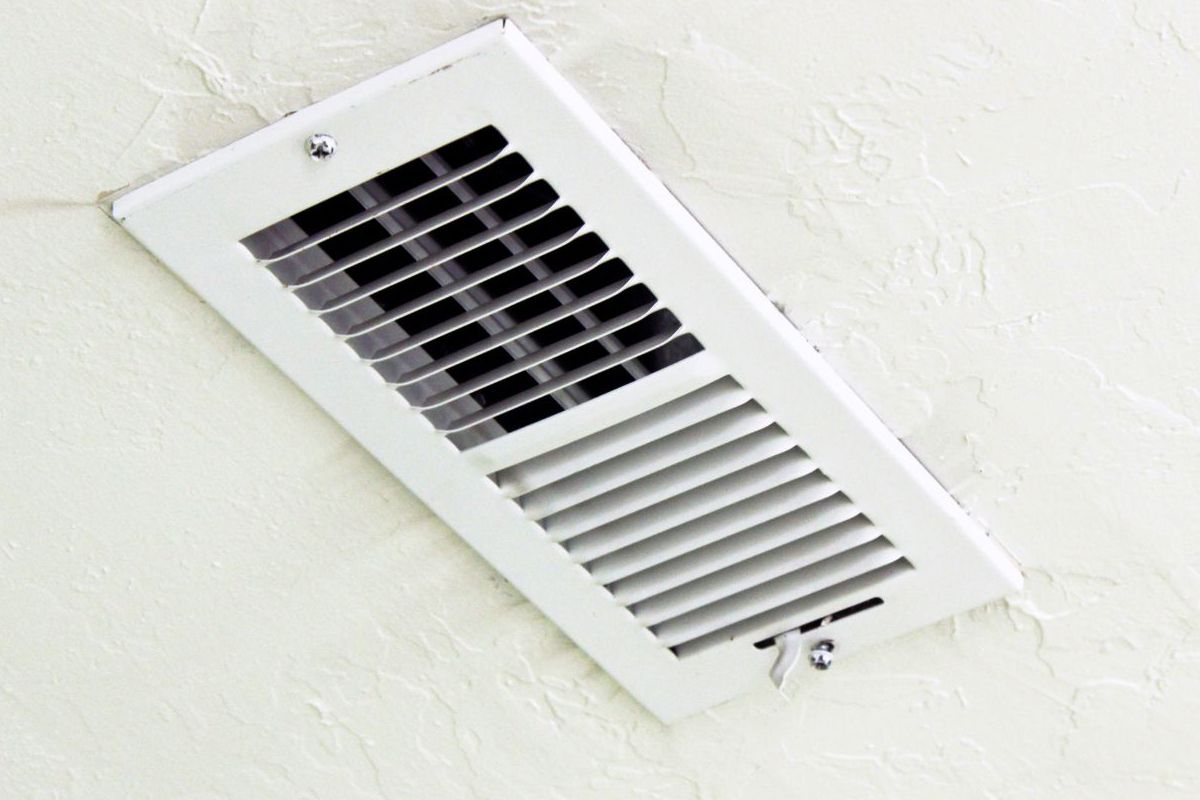
An HVAC vent does more than just release cooled air. Its location helps determine how that air spreads, mixes, and circulates within a room.
If a vent is placed well, conditioned air can move through the room more evenly and help maintain a more stable comfort level. If a vent is placed poorly, the air may:
- dump into one part of the room and not reach the rest
- blow directly on one area while leaving another area warm
- short-circuit back toward the return before conditioning the space
- struggle to offset heat coming from windows, ceilings, or walls
That means the room can feel uncomfortable even though the system is technically delivering air into it.
A homeowner in Belleair may say a room has a vent and still feels warm every afternoon. In many cases, the problem is not the lack of airflow alone. It is that the airflow is being introduced in the wrong place or in a way that does not serve the room well.
Some areas of a room need air delivery more than others
Not every part of a room has the same cooling demand.
For example, a room may gain more heat from:
- west-facing windows
- sliding glass doors
- attic heat above the ceiling
- exterior walls with strong sun exposure
- electronics or appliances inside the room
If the vent is located far from the area where heat builds up most, the room may still have a comfort problem even though cool air is coming in. The supply air may not be reaching the hottest zone effectively enough to offset the heat gain.
This is especially important in Florida homes, where sun-facing rooms can build heat quickly during the afternoon. A vent placed where it does not help that hotter part of the room can make the system seem weak when the real issue is air distribution.
Poor vent placement can create hot and cold spots
One of the most common signs of poor vent placement is uneven room comfort.
This often shows up as:
- one corner of the room feeling cooler than the rest
- one side of the room staying warm
- some seating or sleeping areas feeling uncomfortable
- rooms that cool unevenly even though the system is running normally
This happens because the conditioned air is not being introduced in a way that helps the whole space.
A vent blowing directly into a hallway opening, into a corner, or into an area with poor circulation can leave the rest of the room under-conditioned. In larger rooms, poor vent placement can be even more noticeable because the air does not naturally spread far enough to maintain even comfort throughout the space.
Vents placed too close to doors or openings can waste airflow
When a vent is placed near a doorway, hallway opening, or another transition area, some of the conditioned air may leave the room before it has a chance to cool the intended space properly.
This can make the room feel undercooled even though air is coming out of the vent. The cooled air is being delivered, but not necessarily staying where it is needed most.
This can result in:
- weaker comfort in the room itself
- over-conditioning nearby spaces
- inconsistent room temperatures
- extra runtime as the system tries to satisfy the thermostat
In homes with open layouts or connected room transitions, vent placement becomes especially important because air can move out of a room quickly if it is introduced in the wrong spot.
Poor vent placement can make airflow feel weak even when it is not
Sometimes homeowners say the airflow feels weak in a room when the real issue is not airflow volume alone, but how the vent is positioned.
If the air is directed:
- into an awkward corner
- behind furniture
- toward the ceiling in a way that does not help circulation
- into an area that does not affect the main occupied zone
then the room may feel like it is not getting enough cooling, even if the system is technically delivering a reasonable amount of air.
This is one reason vent placement is not just about whether air is coming out. It is about whether that air is being delivered where people actually feel and benefit from it.
Furniture and room layout can make a bad vent placement worse
A vent location that seems acceptable on paper can become a bigger problem once the room is actually furnished and used.
For example, a vent may end up:
- behind a couch
- blocked by a bed frame
- covered by curtains
- aimed into large furniture
- restricted by shelving or cabinets
In older homes, this is especially common because vent placement may reflect an older room layout, not how the space is used today.
A homeowner may renovate a room, rearrange furniture, or repurpose a bedroom into an office and suddenly feel like the HVAC system no longer cools that room properly. In some cases, the issue is not the system itself. It is that the vent placement no longer fits how the room functions.
Ceiling vents and wall vents affect comfort differently
The type and location of the vent also matter.
Ceiling vents, floor vents, and wall vents all introduce air differently into a room. In Florida homes, ceiling vents are common, but their effectiveness still depends on where they are located and how they direct airflow.
Poor placement can lead to:
- cooled air staying too concentrated near the ceiling
- uneven mixing in the room
- poor air delivery to occupied zones
- areas that remain warm despite system operation
This becomes more noticeable in rooms with:
- high ceilings
- vaulted ceilings
- unusual layouts
- large windows
- open floorplans
A room can technically have enough total airflow on paper and still feel uncomfortable because the vent is not distributing that air in a way that matches the room’s shape and heat load.
Poor vent placement can affect thermostat behavior indirectly
Vent placement does not just affect individual rooms. It can also affect how the whole home feels in relation to the thermostat.
If vents are placed poorly in rooms that:
- build heat faster
- cool more slowly
- stay disconnected from the main airflow pattern
those rooms may remain uncomfortable even after the thermostat area is satisfied.
This often leads homeowners to:
- lower the thermostat more
- feel like the AC is not strong enough
- complain that the system is inconsistent
- think the equipment is the problem
In reality, the system may be doing what the thermostat is asking, but poor vent placement is preventing some rooms from getting conditioned effectively enough before the cycle ends.
Humidity can feel worse in rooms with poor vent placement
In Pinellas County, comfort is not only about temperature. It is also about moisture.
A room with poor vent placement may not receive enough effective cooling to feel dry and comfortable, especially during humid weather. Even if the home as a whole reaches the thermostat setting, a poorly conditioned room may still feel:
- sticky
- damp
- heavier in the afternoon
- less comfortable than the rest of the house
This often happens in rooms that already have more heat gain or weaker circulation. Poor vent placement makes it harder for conditioned air to offset both the heat and the humidity in that space.
That is one reason vent location matters so much more in Florida than many homeowners expect.
Older homes often have vent placement that no longer fits the home well
In older homes, vent placement may have been based on:
- older room layouts
- older HVAC design practices
- different furniture patterns
- different window and insulation conditions
- a version of the home before additions or renovations
Over time, that can create comfort problems even if the equipment is still working.
For example:
- a room addition may change air movement
- a former dining room may become an office
- a porch enclosure may introduce new heat load
- a wall removal may change how air spreads through the home
When the vent placement remains tied to the old design, the room can feel mismatched to the HVAC delivery it receives today.
Poor vent placement can exaggerate other HVAC issues
Vent placement problems are often not the only issue. They usually interact with other system weaknesses such as:
- airflow imbalance
- duct leakage
- poor return-air design
- attic heat gain
- insulation deficiencies
- thermostat placement problems
This means bad vent location can make a mild HVAC issue feel much worse.
For example, a room with high afternoon sun and weak attic insulation may still be manageable with strong, well-placed airflow. But if the vent is poorly located too, the room may become one of the most uncomfortable areas in the house.
That is why homeowners often feel like one room is “always the problem room.” It is usually a combination of heat load and poor air delivery.
A homeowner in Belleair may notice that their primary bedroom feels warm on the window side of the room every afternoon, even though the AC is running and the vent is blowing cool air. The vent is located near the doorway and pushes air across the entrance instead of toward the exterior wall and windows where the heat gain is strongest.
During evaluation, it becomes clear that the room’s comfort issue is not just about airflow quantity. It is also about where that airflow is being delivered. The room is receiving conditioned air, but not in the part of the room that needs it most.
That is a common example of how poor vent placement can create a comfort complaint even when the system is technically operating.
Why this matters so much in Pinellas County
In Pinellas County, homes deal with:
- long cooling seasons
- high humidity
- strong sun exposure
- hot attic conditions
- heavy afternoon cooling demand
These factors make air distribution more important than it might be in a milder climate. A vent placement issue that might be tolerable elsewhere can become a daily comfort problem in Florida because the cooling demands are more intense and more frequent.
For homeowners in Belleair and surrounding areas, that means vent placement should be taken seriously when evaluating room comfort, airflow complaints, and overall HVAC performance.
A complete system approach gives better answers
At Williams Air Solutions, we take a complete system approach because comfort issues are rarely caused by one factor alone.
If a room is consistently uncomfortable, it is important to evaluate:
- vent placement
- airflow volume
- duct condition
- room heat gain
- return-air support
- insulation and attic factors
- thermostat location
- overall system balance
This helps determine whether the issue is really the equipment, the airflow, the room itself, or a combination of several factors working together.
Poor vent placement can affect home comfort by delivering conditioned air in the wrong part of the room, creating hot and cold spots, weakening circulation, worsening humidity discomfort, and making some rooms feel undercooled even when the HVAC system is running correctly. In many cases, the system is producing enough cooled air, but the room is not receiving that air where it needs it most.
At Williams Air Solutions, we help homeowners in Belleair and throughout Pinellas County identify the full causes of room comfort problems, including vent placement, airflow, ductwork, and home heat gain. Sometimes the issue is not that the AC is weak. It is that the air is not being delivered in a way that truly supports comfort.
Call Williams Air Solutions at (727) 353-0090 to schedule AC service anywhere in Pinellas County.