How Attic Conditions Impact New HVAC Installations
When homeowners think about a new HVAC installation, most of their attention goes to the equipment itself. They want to know the brand, the efficiency rating, the size of the system, and what the installation will cost. Those are all important factors, but they are not the whole picture.
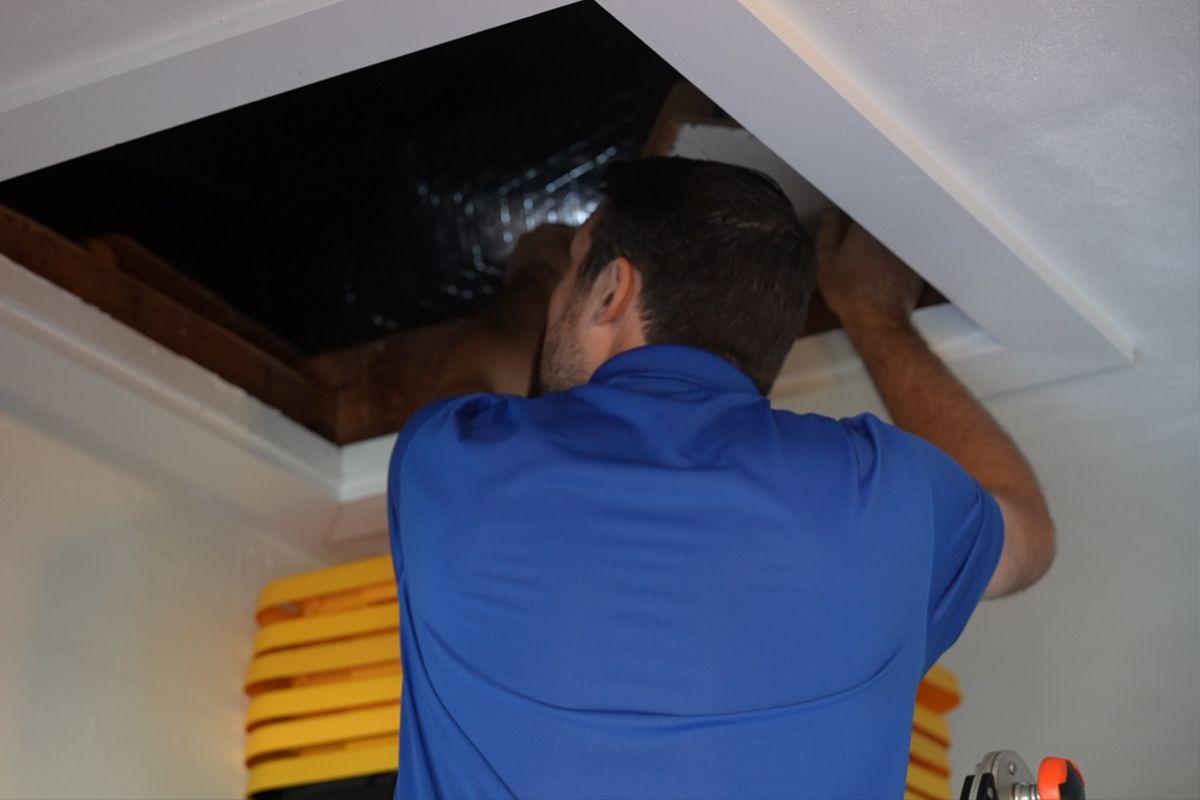
In many Florida homes, attic conditions have a major impact on how well a new HVAC system performs after installation. Even the best equipment can struggle if the attic environment is working against it. Heat buildup, poor insulation, duct design issues, limited access, air leakage, and moisture problems can all affect efficiency, airflow, comfort, and long-term system life.
For homeowners in Pinellas County, this matters because attic spaces are often exposed to extreme heat for much of the year. If those conditions are not properly evaluated during the installation process, a new system may not deliver the comfort or energy savings the homeowner expected.
Why the Attic Matters in HVAC Installation
In many homes, key parts of the HVAC system are located in the attic. That may include:
- the air handler
- ductwork
- refrigerant lines
- drain lines
- electrical connections
- supply and return plenums
Because so much of the system may sit above the living space, attic conditions can directly affect how efficiently and reliably the system operates. A new installation is not just about replacing old equipment. It is about making sure the environment around that equipment supports proper performance.
A homeowner in Belleair may invest in a high-efficiency AC system expecting lower utility bills and better comfort. But if the attic has severe heat buildup, leaking ducts, poor insulation, or airflow design problems, the new system may still have to work harder than it should.
High Attic Temperatures Increase System Strain
One of the biggest issues in Florida attics is heat.
During warmer months, attic temperatures can rise well above the outdoor air temperature. In a place like Pinellas County, where summer heat and humidity place heavy demand on cooling systems, attic heat can become a major factor in HVAC performance.
When ductwork runs through an extremely hot attic, the cooled air moving through those ducts can pick up heat before it ever reaches the rooms below. That means the system has to work harder to maintain the desired indoor temperature.
If the air handler is also located in the attic, the equipment itself is operating in a hotter environment, which can affect efficiency and place more strain on components over time.
This is one reason complete system analysis matters
during a new HVAC installation. It is not enough to install new equipment without considering the environment it will be working in every day.
Poor Attic Insulation Can Undercut a New System
Insulation plays a major role in how the home holds conditioned air and resists outside heat. If the attic insulation is inadequate, uneven, or deteriorated, the home may gain heat faster than it should.
That creates a problem for a newly installed HVAC system because the equipment has to remove more heat from the home than it would in a better-insulated space. The result can include:
- longer cooling cycles
- higher energy bills
- more temperature fluctuation
- increased wear on the system
- reduced overall efficiency
This can be frustrating for homeowners because the system itself may be installed correctly, yet comfort and utility costs still do not improve as much as expected. In many of those cases, attic insulation is part of the reason.
A new HVAC installation should not be viewed in isolation. The system and the building envelope work together.
Ductwork Design and Condition Are Critical
Attic conditions affect more than heat load. They also affect how well the duct system performs.
In many older homes, existing attic ductwork may have problems such as:
- air leaks at joints or connections
- crushed or kinked sections
- poor layout
- insufficient insulation
- improperly sized runs
- disconnected sections
- duct deterioration from age or moisture exposure
If a new HVAC system is installed but the ductwork is left in poor condition, airflow and comfort problems often remain. The homeowner may still deal with hot rooms, weak airflow, humidity issues, and long run times even though the equipment is new.
For example, a homeowner in Pinellas County may replace an older AC unit because some rooms never cool properly. If the real issue includes damaged attic ductwork serving those rooms, simply replacing the unit will not fully solve the problem.
That is why duct inspection should be part of any serious HVAC installation plan.
Air Leaks in the Attic Waste Conditioned Air
One of the most common hidden problems in attic HVAC systems is air leakage.
If conditioned air leaks from ducts into the attic, the system loses part of the air it worked to cool. At the same time, the home receives less airflow where it is actually needed. This creates a double problem:
- wasted energy
- reduced comfort inside the home
In a superheated attic, even small leaks can have a meaningful effect. A system may run longer because enough cooled air is not reaching the living space. That drives up operating costs and increases wear on the equipment.
A homeowner might assume the new system is underperforming, when the real issue is that cooled air is escaping into the attic through leaks that were never corrected during installation.
Moisture and Drainage Conditions Need to Be Evaluated
Attics can also present moisture-related challenges that affect HVAC installations.
Condensate drain lines must be installed and routed correctly. Secondary drain pans, float switches, and drainage safeguards are especially important when air handlers are installed above ceilings and living spaces. If moisture issues are ignored, water damage can follow.
Attic spaces may also have existing humidity or ventilation issues that contribute to:
- rust
- insulation damage
- mold risk
- drain pan corrosion
- reduced equipment life
During a new installation, it is important to evaluate not just the equipment but also how water will drain, whether protections are in place, and whether the attic environment is contributing to long-term moisture concerns.
This is one of those areas where a rushed installation can create preventable problems later.
Limited Attic Access Can Affect Installation Quality
Not every attic is easy to work in. Tight access points, low clearance, and confined spaces can make HVAC installation more difficult.
That matters because limited attic access can affect:
- how ductwork is routed
- whether connections are properly sealed
- how equipment is positioned
- how serviceable the system will be later
- whether enough room is available for safe maintenance
An experienced HVAC contractor understands that attic accessibility is not just a labor issue. It can directly influence installation quality and future serviceability.
For example, if an air handler is installed in a way that makes it difficult to access the coil, electrical components, or drain system later, future maintenance and repairs become more difficult. That can increase service time and reduce how well the system is maintained over the years.
Return Air Design Is Often Affected by Attic Layout
Supply ducts are not the only concern. Return air design also matters during installation, and attic layout can play a role in how that return path is created.
If return duct sizing is inadequate or poorly routed, the system may struggle to pull enough indoor air back in for proper circulation. That can lead to:
- reduced efficiency
- weak airflow
- pressure imbalances
- humidity problems
- unnecessary blower strain
In some installations, homes may also be relying on outdated return strategies that no longer support the needs of the new equipment. Without correcting those design issues, the new system may never perform to its full potential.
Attic conditions and layout often influence what is realistically possible with return design, which is why complete planning matters before installation begins.
Equipment Sizing Must Reflect Real Attic Conditions
Proper HVAC sizing is one of the most important parts of a new installation. That sizing should not be based only on square footage or the size of the old unit being replaced.
A full evaluation should consider:
- attic insulation levels
- duct leakage
- attic heat gain
- home orientation
- window exposure
- occupancy patterns
- overall building performance
If attic conditions are poor and not factored into the installation plan, a homeowner may end up with a system that does not match the actual demands of the home.
This does not mean oversizing the equipment is the answer. In fact, oversized systems can create their own problems, especially with humidity control in Florida. The goal is accurate sizing based on real conditions, including what is happening in the attic.
Attic Conditions Affect Long-Term Efficiency, Not Just Day-One Performance
A lot of HVAC discussions focus on installation day. But attic conditions affect performance long after the new system is turned on.
A system installed in a poorly insulated, high-heat, leaky attic may still cool the home at first. The homeowner may even feel a major improvement compared to the old unit. But over time, hidden attic problems can continue to reduce efficiency and increase wear.
This often shows up as:
- higher-than-expected energy bills
- comfort issues in certain rooms
- longer cooling cycles
- duct-related airflow complaints
- more frequent service needs
That is why a quality HVAC installation should focus on the full system environment, not just swapping out equipment.
Attic Conditions Affecting a New Installation
A homeowner in Belleair replaces an aging AC system with a newer, more efficient model. They expect stronger cooling and lower monthly energy costs. After installation, the home feels somewhat better, but the back bedrooms are still warmer than the rest of the house, and the electric bill remains higher than expected.
A closer evaluation finds several attic-related issues:
- duct leaks near branch connections
- aging duct insulation
- excessive attic heat
- inadequate insulation coverage over sections of the home
- return airflow restrictions
The new equipment was not the problem. The attic environment and duct conditions were limiting what the system could do. Once those issues are identified and corrected, the system performs much closer to expectations.
This is a common example of why attic conditions should never be treated as separate from HVAC installation planning.
Why This Matters So Much in Pinellas County
In Pinellas County, air conditioning systems operate in demanding conditions for much of the year. Homes in Belleair and surrounding areas deal with heat, humidity, long cooling seasons, and in many cases attic spaces that become extremely hot during the day.
Because of that, attic-related issues tend to have a stronger impact here than they might in milder climates. Duct leakage, heat gain, and poor insulation can all reduce the value of a new HVAC investment if they are not addressed.
For homeowners spending money on a system replacement, it makes sense to look beyond the equipment itself and make sure the installation takes the attic environment into account.
A Complete System Approach Leads to Better Results
The best HVAC installations are based on more than equipment replacement. They involve a complete system approach that looks at how the new equipment will operate within the home as a whole.
That includes evaluating:
- attic heat conditions
- insulation levels
- duct leakage and airflow
- return and supply design
- drainage and moisture protection
- service access
- load calculation and sizing
When these factors are included in the installation process, the homeowner is more likely to get the comfort, efficiency, and long-term performance they expect from the new system.
Attic conditions play a major role in how well a new HVAC installation performs. Heat buildup, poor insulation, duct leakage, airflow restrictions, moisture concerns, and access limitations can all reduce efficiency, affect comfort, and shorten equipment life if they are not addressed during the installation process.
At Williams Air Solutions, we take a complete system approach to new HVAC installations for homeowners in Belleair and throughout Pinellas County. That means evaluating the full environment around the system, not just the equipment being replaced. A new HVAC installation should do more than turn on and cool. It should be designed to perform efficiently and reliably in the real conditions of the home.
Call Williams Air Solutions at (727) 353-0090 to schedule AC service anywhere in Pinellas County.