Why AC Systems in Older Homes Often Have Hidden Airflow Problems
When an older home has air conditioning problems, many homeowners immediately assume the issue is the equipment itself. They may think the AC is too old, too small, or simply wearing out. Sometimes that is true. But in many older homes, the deeper issue is airflow.
Airflow problems are often hidden because they are built into parts of the system homeowners rarely see. Ductwork may run through attics, walls, crawl spaces, or tight utility areas. Return-air limitations may have existed since the home was built. Renovations may have changed the home without updating the HVAC layout. Over time, these problems can quietly reduce comfort, strain the equipment, and make a functioning air conditioner seem far less effective than it really is.
For homeowners in Belleair and throughout Pinellas County, this matters even more because Florida homes place heavy demand on cooling systems. Long cooling seasons, high humidity, hot attics, and strong sun exposure make airflow problems show up faster and feel worse. In older homes, those problems are often there long before anyone realizes they are affecting comfort and efficiency.
Older Homes Were Often Built Around Different HVAC Standards
Many older homes were built under different construction and comfort expectations than newer homes. In some cases, they were built before modern HVAC design practices became standard. In others, they may have originally relied on different airflow assumptions that no longer match how the home is used today.
That can mean the HVAC system was built around:
- limited return-air design
- smaller duct sizes
- fewer supply vents
- different room layouts
- lower expectations for even room-to-room comfort
- older construction methods that did not prioritize air distribution the way newer homes often do
As a result, an
older home may have an AC system that technically works, but airflow was never truly ideal from the start.
Ductwork in Older Homes Is Often Aging Behind the Scenes
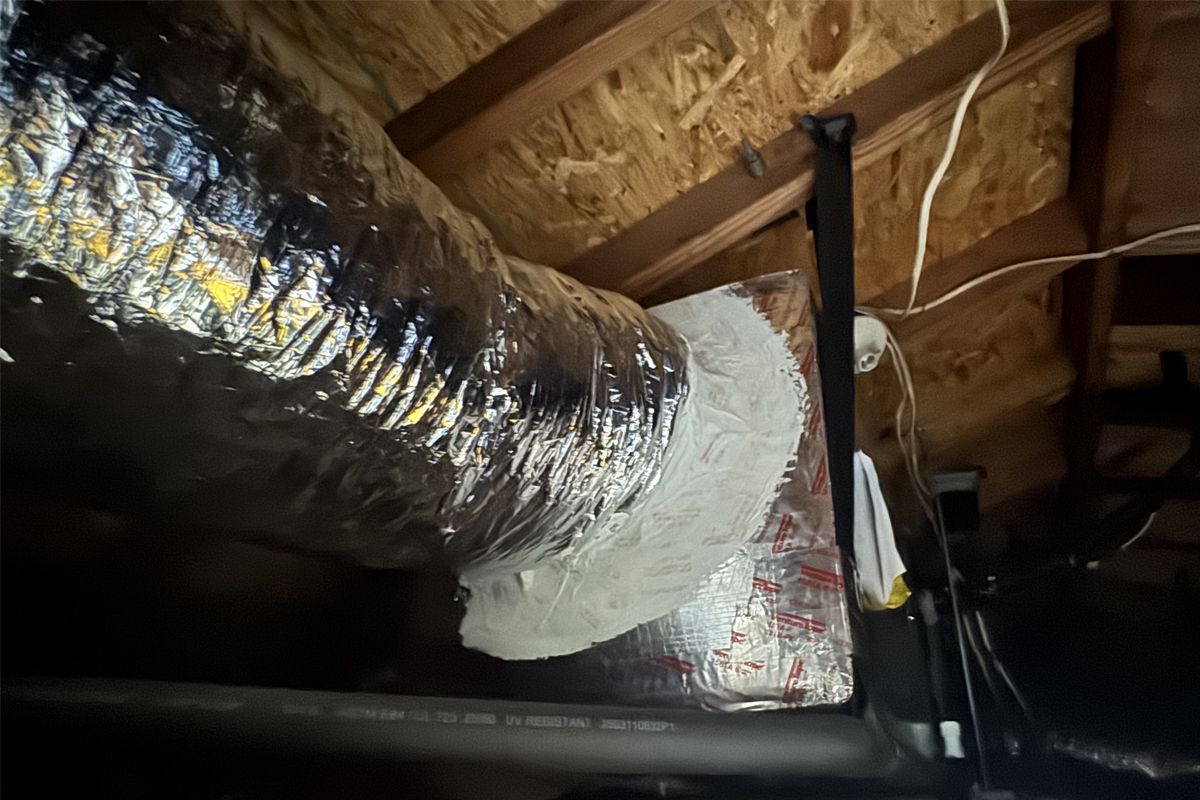
One of the biggest reasons airflow problems stay hidden in older homes is that the ductwork is largely out of sight.
Over time, older ducts can develop problems such as:
- loose connections
- air leaks
- crushed or sagging sections
- deteriorated insulation
- dust buildup
- damaged branch runs
- disconnected areas in attics or crawl spaces
These issues do not always cause a complete breakdown. More often, they quietly reduce how much cooled air actually reaches the rooms in the home.
A homeowner in Belleair may notice that a bedroom is always warmer than the rest of the house, but never realize that cooled air is leaking into the attic before it ever reaches that room. The AC may still be making cold air. The problem is that the airflow path is compromised.
Older Homes Often Have Return-Air Limitations
Return air is one of the most overlooked parts of residential HVAC performance, and older homes often have hidden weaknesses in this area.
The system needs a good return-air path so indoor air can circulate back to the air handler, be cooled, and then be redistributed. If return airflow is weak or limited, the entire system has a harder time moving air properly.
Older homes may have:
- too few return vents
- undersized return pathways
- return locations that no longer fit the current layout
- closed-off rooms without proper return circulation
- additions or renovations that changed how air moves through the home
When return air is restricted, homeowners may notice:
- stuffy rooms
- weaker airflow
- uneven temperatures
- more humidity in certain areas
- doors that feel like they push back when closing because of pressure imbalance
These are the kinds of airflow problems that are easy to live with for years without realizing the root cause.
Renovations Often Hide or Create New Airflow Problems
Many older homes have been renovated over time. Walls may have been removed, porches enclosed, rooms added, garages converted, or layouts changed. In many cases, those updates improve the home, but they also change how heat and air move through it.
If the HVAC system was not fully redesigned when those changes happened, hidden airflow problems often follow.
Common renovation-related airflow issues include:
- supply air added without enough return air
- duct runs extended too far
- airflow no longer balanced to match the new layout
- room additions with poor duct delivery
- changed circulation patterns that affect comfort
A home may have cooled reasonably well before the renovation, but now the AC seems to struggle. The equipment may not be the main problem. The home may simply be asking the system to distribute air in a way it was never adjusted for.
Hot Attics Make Airflow Problems More Obvious in Florida
In Pinellas County, attic conditions can make hidden airflow problems much more noticeable.
Many older homes have ductwork in the attic, and those attic spaces can become extremely hot. If ducts are leaking, poorly insulated, or running long distances to outer rooms, the cooled air can lose effectiveness before it ever reaches the room.
That means hidden airflow problems can show up as:
- hotter bedrooms
- weak cooling in room additions
- poor afternoon comfort
- longer AC runtime
- some rooms never catching up
In a cooler climate, these issues might be less obvious or take longer to become serious. In Florida, the combination of heat, humidity, and attic stress makes airflow weaknesses much harder to ignore.
Hidden Airflow Problems Often Look Like Equipment Problems
One reason these issues go unnoticed for so long is that they often mimic equipment failure.
Homeowners may say:
- the AC seems too weak
- the system is probably too small
- the unit is getting old
- the refrigerant must be low
- the thermostat is wrong
- the AC just cannot keep up anymore
Sometimes one of those things is true. But often, what feels like a failing AC unit is actually a home with hidden airflow issues that are keeping conditioned air from moving where it needs to go.
This is especially common in older homes where the equipment may still be capable of cooling, but the system around it is preventing it from performing well.
Room-to-Room Comfort Problems Are a Major Warning Sign
If some rooms cool well and others do not, hidden airflow problems should always be considered.
This is especially true when:
- the same rooms are always warmer
- upstairs rooms struggle more than downstairs
- rooms farthest from the air handler feel weaker
- back bedrooms get hot in the afternoon
- one part of the home feels humid while another feels fine
These patterns often point to airflow delivery problems rather than a complete system failure.
A homeowner in Belleair may have an AC that satisfies the thermostat but still leaves two bedrooms warm every day. That does not automatically mean the unit itself is failing. It may mean the air distribution system is not reaching those rooms effectively.
Dirty Filters and Dirty Blowers Can Make Hidden Problems Worse
Older homes with already weak airflow are especially sensitive to maintenance problems.
If the system also has:
- a dirty air filter
- blower buildup
- dirty evaporator coils
- blocked return areas
then the existing hidden airflow issues often become more severe.
A newer home with strong duct design may tolerate a little maintenance neglect for a short time before comfort declines noticeably. An older home with borderline airflow design often will not. Small restrictions can make existing weak spots in the system feel much worse.
This is one reason homeowners in older homes often experience dramatic comfort drops from issues that seem minor on the surface.
System Balancing Is Often Poorer in Older Homes
Many older homes were never properly balanced for modern comfort expectations.
That means some rooms may already be getting:
- too much airflow
- too little airflow
- airflow that does not match their heat gain
- weaker return air support than the rest of the home
This imbalance often stays hidden because homeowners get used to it over time. They may assume one room “just runs warmer” or that the back of the house “has always been like that.”
In reality, the system may have been out of balance for years. The homeowner has simply adapted to it.
Window, Insulation, and Layout Changes Can Expose Airflow Weaknesses
Older homes often go through changes that reveal airflow problems that may have existed quietly before.
For example:
- replacing windows may change heat gain patterns
- remodeling may open up rooms and alter air movement
- insulation issues may become more obvious as the AC ages
- sun-facing rooms may show airflow weakness first
- adding doors or changing room use can alter pressure and circulation
These changes do not always create the airflow issue from scratch. Often, they expose a weakness that was already there but had not yet become obvious enough to be diagnosed.
Older Homes Often Have More Pressure Imbalance Between Rooms
Pressure balance is another hidden airflow issue that is common in older homes.
If one room has supply air but poor return-air pathways, it may become pressurized when the door is closed. That affects how well the air circulates and can make the room feel:
- warmer
- stuffier
- more humid
- slower to cool
This is especially common in bedrooms, offices, and additions where room use changed over time but the HVAC layout did not adapt.
Homeowners may not think of pressure as an HVAC issue, but it can be a big part of why airflow feels wrong in older homes.
Hidden Airflow Problem
A homeowner in Belleair may have an older home where the front rooms stay comfortable, but the back bedrooms are always warm and humid in the afternoon. The AC system has been serviced, the thermostat appears normal, and the air from the vents feels cool in the front part of the house.
During a full evaluation, the technician finds aging attic ductwork with leakage, weak return-air support for the back bedrooms, and airflow imbalance that has likely existed for years. The AC unit itself is still functioning, but the home has hidden airflow problems that have been reducing comfort and making the equipment seem weaker than it is.
That is a common situation in older homes. The air conditioner gets blamed, but the deeper issue is often in how the air is moving through the house.
Why This Matters So Much in Pinellas County
In Pinellas County, the climate makes hidden airflow issues more costly and more noticeable.
Homes in Belleair and surrounding areas deal with:
- long cooling seasons
- heavy humidity
- hot attic conditions
- stronger afternoon cooling demand
- higher dependence on steady airflow and moisture removal
That means a hidden airflow issue in an older Florida home often affects:
- comfort
- humidity control
- energy efficiency
- system runtime
- long-term equipment strain
A system that might feel “good enough” in a milder climate can struggle badly here once airflow problems start stacking up.
A Complete System Approach Matters in Older Homes
At Williams Air Solutions, we take a complete system approach because older homes rarely have just one simple airflow issue. The problem is often a combination of:
- aging ductwork
- weak return design
- attic heat
- room layout changes
- poor balancing
- maintenance-related restrictions
- insulation or heat-gain differences
That is why diagnosing comfort issues in older homes requires more than checking whether the AC turns on or whether the air feels cold at the vent. It requires understanding how the entire home and HVAC system work together.
AC systems in older homes often have hidden airflow problems because aging ductwork, limited return-air design, attic heat, renovation changes, poor balancing, and long-term wear can all quietly reduce how well conditioned air moves through the house. These issues often look like equipment failure even when the AC is still capable of cooling.
At Williams Air Solutions, we help homeowners in Belleair and throughout Pinellas County identify the full causes of comfort and airflow problems, not just the obvious symptoms. In older homes, the real issue is often not that the AC stopped working. It is that hidden airflow problems have been making the system work harder and perform worse for years.
Call Williams Air Solutions at (727) 353-0090 to schedule AC service anywhere in Pinellas County.