Why Your HVAC System May Be Using More Energy Than It Should
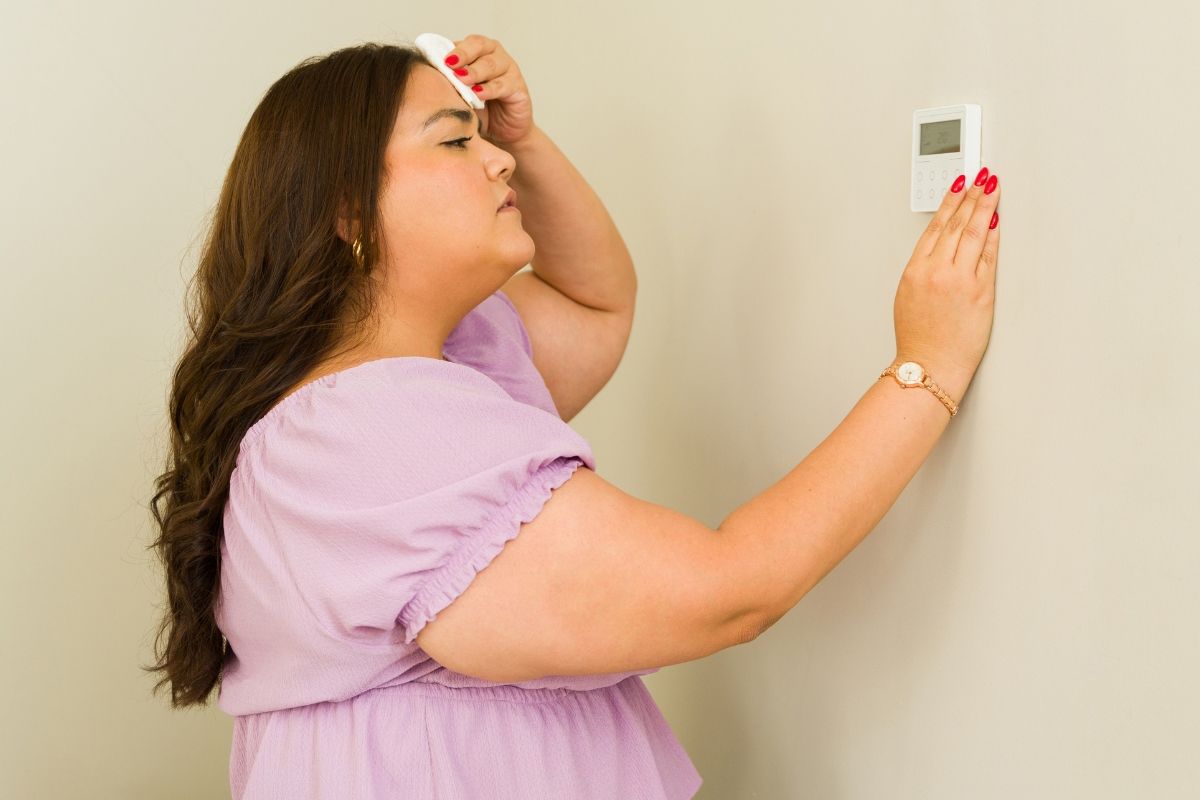
Most homeowners notice higher energy use before they notice a major HVAC problem. The electric bill goes up, the AC seems to stay on longer, and the house still does not feel as comfortable as it should. In many cases, the system is still running, so it is easy to assume the increase is just due to hotter weather or higher utility rates.
Sometimes that is part of it. But in many homes, the HVAC system is using more energy than it should because it is working harder than necessary to do the same job. That extra workload can come from airflow restrictions, dirty components, duct leakage, thermostat issues, poor humidity control, aging equipment, or installation problems that have been affecting performance for a long time.
For homeowners in Pinellas County, Florida, this matters even more because HVAC systems run hard for much of the year. Long cooling seasons, high humidity, strong afternoon heat, and attic-related heat gain all make energy waste show up faster. When an AC system is even slightly inefficient here, the extra cost tends to become noticeable quickly.
Higher Energy Use Usually Means the System Is Working Harder
An HVAC system uses more energy when it has to run longer or operate under more strain than it was designed for.
That often happens when something is reducing the system’s ability to:
- move air properly
- remove heat efficiently
- control humidity
- deliver cooled air where it needs to go
- cycle normally without excessive runtime
A homeowner in Belleair may notice that the house still cools eventually, but the system runs much longer in the afternoon than it used to. That is a strong sign the equipment is using more power to maintain comfort than it once did.
The issue is not always that the system has stopped working. It is often that the system is still working, just much less efficiently.
Dirty Air Filters Restrict Airflow
One of the most common reasons an HVAC system uses more energy than it should is a dirty air filter.
As the filter loads up with dust, dirt, and pet hair, it restricts airflow through the return side of the system. That forces the blower and the rest of the HVAC system to work harder to move air.
This can lead to:
- longer run times
- weaker airflow at the vents
- less efficient cooling
- added blower strain
- reduced comfort in distant rooms
The filter may seem like a small maintenance item, but when it is clogged, the entire system loses efficiency. In Florida, where systems often run for long stretches, that extra strain can translate into higher utility bills quickly.
Dirty Evaporator Coils Reduce Cooling Efficiency
The evaporator coil inside the home absorbs heat from indoor air. If it becomes dirty, heat transfer is reduced.
That means the system cannot remove heat from the home as effectively as it should. To make up for that loss, it runs longer. The AC still operates, but it uses more electricity to deliver less cooling performance.
Dirty evaporator coils often contribute to:
- longer cycles
- weaker cooling
- reduced humidity control
- more strain on the indoor side of the system
- higher overall energy use
Because the coil is hidden inside the air handler, many homeowners do not realize it is part of the problem until the system has already been losing efficiency for a while.
Dirty Condenser Coils Make Heat Rejection Harder
The outdoor condenser coil releases the heat removed from inside your home. If that coil is covered in dirt, pollen, grass clippings, salt residue, or other outdoor buildup, the system has a harder time getting rid of that heat.
When the condenser coil is dirty, the AC often:
- runs longer
- loses efficiency during hot weather
- puts more strain on the compressor
- cools less effectively during peak demand
In Pinellas County, condenser coil condition matters a lot because outdoor equipment deals with heat, humidity, landscaping debris, and coastal conditions. Even a system that is still cooling can waste a lot of energy if the condenser coil is dirty enough to reduce performance.
Duct Leaks Can Waste Conditioned Air
Sometimes the equipment itself is cooling properly, but the home is still using more energy because cooled air is being lost before it reaches the living space.
If the ductwork has leaks, disconnected sections, or poor insulation, conditioned air may escape into the attic or other unconditioned spaces. That forces the system to run longer to make up for the lost air.
Duct leakage often causes:
- higher utility bills
- hot rooms
- longer system runtime
- uneven cooling
- wasted cooling power in attic spaces
A homeowner may think the AC is simply getting older, when the real issue is that part of the cooling is being lost before it ever reaches the rooms where it is needed.
Poor Airflow Makes the Whole System Work Harder
Airflow problems are one of the biggest hidden reasons HVAC systems waste energy.
If the system cannot move the right amount of air because of restrictions or duct design issues, it cannot operate efficiently. This can result from:
- dirty filters
- dirty blower components
- blocked vents
- return air restrictions
- poor duct sizing
- airflow imbalance in the home
When airflow is weak, the system often has to run longer to reach the thermostat setting. It may also struggle more with humidity, which makes the home feel less comfortable even after the temperature comes down.
That causes homeowners to lower the thermostat more, which increases energy use further.
Poor Humidity Control Can Drive Up Energy Use
In Florida, energy efficiency is not just about temperature. It is also about moisture control.
If the HVAC system is not removing humidity effectively, the home may feel sticky or damp even when the thermostat shows a reasonable temperature. Homeowners often respond by lowering the thermostat further in an effort to feel comfortable.
That creates more runtime and more energy use without solving the real issue.
Poor humidity control is often tied to:
- airflow problems
- dirty coils
- oversized equipment
- drainage issues
- declining system performance
In Pinellas County homes, this is a major reason utility bills can rise even when homeowners do not feel like they have changed how they use the thermostat.
Thermostat Issues Can Cause Wasteful Runtime
A thermostat that is misreading temperature or installed in a poor location can make the HVAC system run longer than necessary.
This can happen if the thermostat is:
- in direct sunlight
- near a kitchen
- close to a supply vent
- on a wall that stays warmer than the rest of the home
- not calibrated correctly
- having control or sensor issues
If the thermostat thinks the home is warmer than it really is, it will keep the AC running longer. The equipment may be cooling the house adequately, but the thermostat is still calling for more operation because of what it senses in that one spot.
That creates unnecessary energy use and often leads to uneven comfort throughout the home.
Older Systems Usually Lose Efficiency Over Time
As HVAC systems age, they typically become less efficient even if they are still operational.
This can happen because of:
- normal wear on motors and electrical parts
- reduced airflow over time
- dirt buildup on internal components
- declining coil performance
- more strain during longer runtime
- outdated equipment efficiency compared to newer systems
An older system may still cool the home, but it often has to use more energy to do it than it did when it was newer.
This becomes especially noticeable in Florida homes because the system is used so often. An efficiency drop that might seem small in another state can lead to a much larger annual energy cost here.
Electrical Components Can Weaken Without Fully Failing
HVAC electrical parts do not always fail all at once. Often, they weaken first.
Components such as capacitors, contactors, relays, and wiring connections can begin performing below their ideal level while the system still appears to be working. That can reduce startup efficiency, increase strain on motors, and contribute to longer runtime or inconsistent operation.
A homeowner may not notice the early electrical wear directly, but they may notice:
- higher energy bills
- longer cycles
- weaker overall system performance
- comfort issues during peak heat
This is one reason regular maintenance matters. Small electrical issues can increase operating cost long before they cause a full breakdown.
Oversized Systems Can Waste Energy Too
A lot of homeowners assume bigger means better when it comes to air conditioning. In reality, oversized systems can be inefficient.
An oversized system may cool the thermostat area too quickly, shut off early, and then restart again soon afterward. That short cycling wastes energy, creates more wear, and usually hurts humidity control.
The result is often:
- frequent starts and stops
- poor moisture removal
- less stable comfort
- more thermostat adjustments
- higher energy use than expected
In Florida, where humidity is a major part of comfort, oversized systems can become especially inefficient because they cool quickly without running long enough to remove enough moisture.
Attic Heat and Insulation Problems Raise Cooling Demand
Sometimes the HVAC system is using more energy than it should because the home itself is making the cooling job harder.
This can happen when:
- attic insulation is weak
- attic temperatures are very high
- ductwork runs through hot attic space
- sun-facing rooms gain heavy heat in the afternoon
- air leaks allow warm air into the home
When the home gains heat too quickly, the AC must run longer to maintain comfort. That can look like an equipment problem when part of the issue is really the home’s heat load.
For homeowners in Belleair and throughout Pinellas County, attic-related heat gain is often a major factor in energy use.
Poor Installation Can Reduce Efficiency From Day One
Some systems use more energy than they should because they were never set up correctly in the first place.
Installation-related causes can include:
- improper sizing
- poor duct transitions
- inadequate return airflow
- bad thermostat placement
- poor outdoor unit placement
- incorrect airflow setup
- weak drainage design affecting humidity control
In these cases, the system may have always used more energy than necessary, but the problem becomes more noticeable as the system ages or as cooling demand increases.
That is why energy complaints should not always be treated as simple wear-and-tear issues. Sometimes the system is dealing with installation-related inefficiencies that were present from the beginning.
Multiple Small Problems Often Create the Biggest Energy Waste
In many homes, high HVAC energy use is not caused by one dramatic issue. It is caused by several smaller problems that combine to make the system work much harder than it should.
For example:
- the filter is dirty
- the condenser coil has buildup
- a section of ductwork leaks in the attic
- the thermostat is in a warmer-than-average location
Each problem adds strain. Together, they can raise utility costs significantly and reduce comfort at the same time.
This is why homeowners often feel like the system is “just not as efficient as it used to be.” That feeling is often accurate, but the cause is usually a stack of issues rather than one single failure.
Why Energy Use Goes Up
A homeowner in Belleair may notice that summer power bills are climbing even though the thermostat setting has not changed much. The AC still cools the house, but it seems to run much longer in the afternoon, and the back bedrooms do not feel as comfortable.
During inspection, the technician finds a dirty condenser coil, a loaded filter, and duct leakage in the attic affecting airflow to the back side of the house. None of these problems alone may explain the full increase in energy use, but together they clearly show why the system is working harder than it should.
That is a common situation. The system is not necessarily broken. It is just operating inefficiently because several issues have been allowed to build over time.
Why This Matters So Much in Pinellas County
In Pinellas County, air conditioning systems run often and work under demanding conditions. Long cooling seasons, high humidity, strong sun, coastal exposure, and hot attics make it much easier for energy waste to show up as higher monthly bills.
Homes in Belleair and surrounding areas depend on AC for a large part of year-round comfort. That means even moderate efficiency losses can become expensive quickly. A system that is slightly inefficient here can cost noticeably more to operate than it would in a cooler or drier climate.
That is why high energy use should not be ignored. It often points to a real HVAC performance problem that can be identified and improved.
Your HVAC system may be using more energy than it should because of dirty filters, dirty coils, airflow restrictions, duct leaks, thermostat problems, poor humidity control, aging equipment, installation issues, or attic-related heat gain. In many cases, the system is still running, but it is working much harder than necessary to cool the home and maintain comfort.
At Williams Air Solutions, we take a complete system approach to HVAC performance for homeowners and businesses in Belleair and throughout Pinellas County. That means looking at the equipment, airflow, ductwork, controls, and home conditions together so we can identify why the system is wasting energy and what can be done to improve it.
Call Williams Air Solutions at (727) 353-0090 to schedule AC service anywhere in Pinellas County.