Why Your Air Conditioner May Be Running Correctly but Still Costing Too Much
Many homeowners assume that if the air conditioner is still cooling the house, the system must be operating efficiently. That is not always true. An AC system can be running correctly in the basic sense that it turns on, blows cool air, and reaches the thermostat setting, yet still cost far more to operate than it should.
This is a common issue in Florida homes. In places like Belleair and throughout Pinellas County, air conditioning systems often run for long stretches under heavy demand. That means even moderate inefficiencies can show up quickly in the form of higher electric bills, longer runtime, humidity problems, and a system that seems to be doing its job but doing it at a higher cost than necessary.
For homeowners, this can be frustrating because the system does not seem broken. There may not be one dramatic repair issue. Instead, the air conditioner keeps working while hidden problems quietly make it more expensive to run month after month.
Running and running efficiently are not the same thing
An AC system can still be cooling the home while losing efficiency in ways that are easy to miss at first.
For example, the system may:
- take longer to cool the house
- run more often in the afternoon
- struggle more with humidity
- keep some rooms comfortable but not others
- use more electricity to produce the same result it delivered more easily in the past
A homeowner in Belleair may notice that the house still gets cool, but the power bill is higher than expected and the system seems to stay on much longer than it used to. That is often a sign that the AC is functioning, but not operating under the most efficient conditions.
Dirty filters can increase operating cost fast
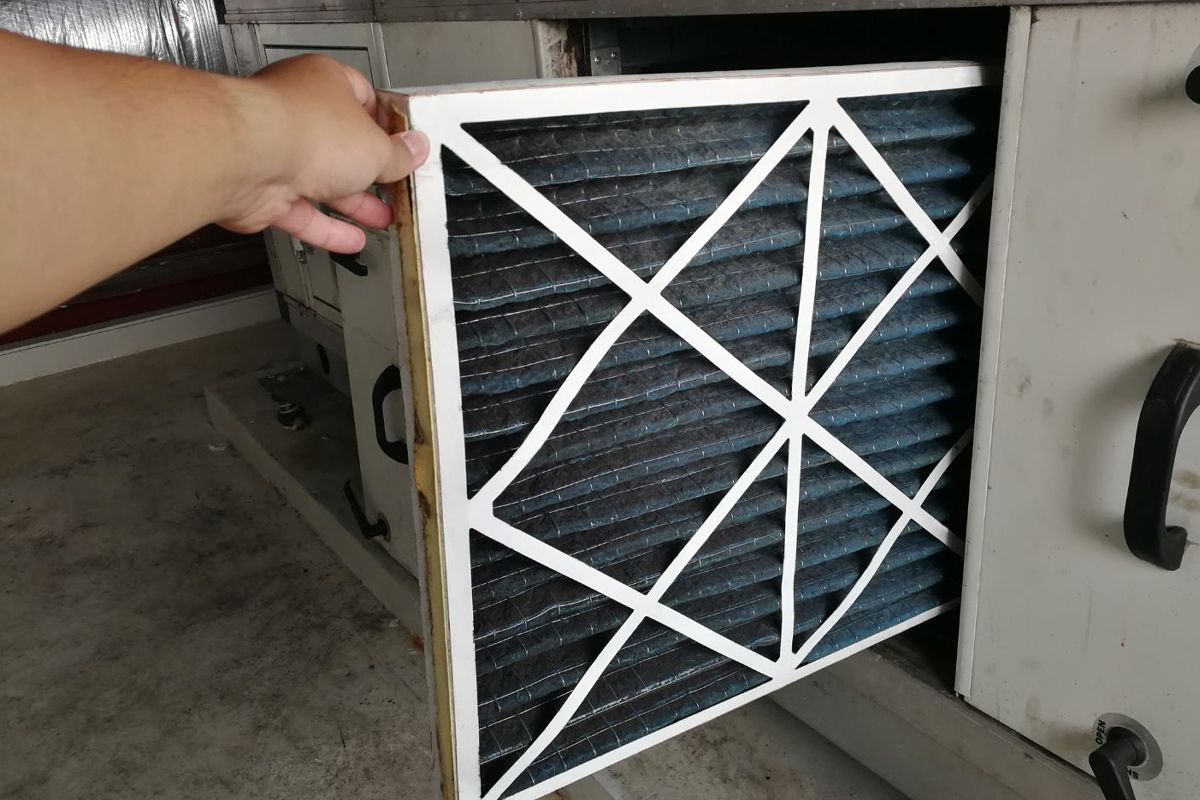
One of the simplest and most common causes of higher operating cost is a dirty air filter.
When the filter becomes clogged, airflow through the system drops. That forces the blower and the rest of the system to work harder to move air. The AC may still cool the home, but it has to run longer and use more energy to do it.
This often leads to:
- longer cycles
- weaker airflow in some rooms
- reduced comfort in distant areas of the house
- more strain on the blower
- a higher monthly electric bill
The system is still running correctly in the sense that it turns on and cools, but the dirty filter makes it cost more than it should.
Dirty evaporator coils reduce heat transfer
The evaporator coil inside the home is where heat is removed from indoor air. If that coil becomes dirty, the cooling process becomes less effective.
The AC may still blow cool air, but it may no longer absorb heat as efficiently as it should. That causes longer runtime and more energy use.
Dirty evaporator coils often lead to:
- slower cooling
- higher humidity indoors
- longer cycles
- increased strain on the indoor side of the system
- a gradual rise in cooling costs
Because the evaporator coil is hidden inside the air handler, many homeowners do not realize it is part of the problem until performance has already dropped noticeably.
Dirty condenser coils make the outdoor unit work harder
The outdoor condenser coil has to release heat from the home. If it is covered with pollen, grass clippings, dirt, leaves, or coastal buildup, the system has a harder time rejecting heat outside.
That means the AC may still be cooling, but it is doing so less efficiently. The outdoor unit has to work longer and harder to complete the same cooling cycle.
In Pinellas County, where outdoor units deal with heat, humidity, and salt air, dirty condenser coils are a common reason operating costs rise without a full system failure.
This often causes:
- longer runtime during hot weather
- less efficient performance in the afternoon
- added compressor strain
- higher monthly bills
Duct leaks can waste cooled air before it reaches the rooms
Sometimes the equipment itself is working properly, but the cooled air is being lost in the duct system.
If the ducts have leaks, disconnected sections, or damaged insulation, part of the conditioned air may escape into the attic or another unconditioned space before it reaches the living area. The AC still runs correctly and cools the air, but the home does not receive all of that cooling.
That leads to:
- longer cycles
- uneven room temperatures
- more thermostat adjustments
- higher energy costs
- less comfort in parts of the house
A homeowner may think the AC is simply expensive to run, when the real problem is that part of the cooling is being lost before it ever gets into the home.
Poor duct insulation can quietly raise cooling costs
In Florida, many duct systems run through hot attics. If the duct insulation is old, damaged, or breaking down, cooled air can warm up as it travels through the house.
This means the AC may still be producing cold air at the equipment, but the air arriving at the rooms is warmer than it should be. The result is longer runtime and higher energy use.
This problem is especially common in older homes and in houses where attic conditions are severe during the afternoon.
The homeowner may not notice a dramatic failure. They may only notice that the AC seems to run more than expected and the bill keeps rising.
Poor airflow can cost more even when the air feels cold
Airflow problems do not always stop the system from cooling. Often they just make the system less effective and more expensive to operate.
Weak airflow can be caused by:
- dirty filters
- dirty blower wheels
- return-air restrictions
- blocked vents
- poor duct design
- airflow imbalance throughout the house
The vents may still blow cool air, but if not enough air is moving, the home will take longer to cool and the system will consume more energy.
This is one reason homeowners sometimes say the AC feels cold but the house still does not feel comfortable. The air may be cool, but the airflow is not strong enough to deliver comfort efficiently.
High humidity can make you lower the thermostat more than necessary
In Florida, comfort depends on both temperature and humidity.
A system can technically cool the home while still doing a poor job removing moisture. When that happens, the house may feel sticky or damp even though the thermostat setting looks reasonable.
Homeowners often respond by lowering the thermostat further. That creates longer runtime and higher energy use, even though the deeper problem is not the set temperature. It is poor humidity control.
High indoor humidity can be tied to:
- dirty coils
- airflow problems
- oversized equipment
- drainage issues
- system wear over time
If humidity is not being controlled well, the AC may be running correctly from a basic operational standpoint, but the homeowner still ends up paying more because the house never feels truly comfortable.
Thermostat placement can make the system run more than it should
Sometimes the AC costs more because the thermostat is not sensing the home accurately.
If the thermostat is located:
- in direct sunlight
- near a kitchen
- close to a supply vent
- on a wall that runs warmer than the rest of the home
- far from the rooms that need the most cooling
then it may cause the system to run longer than necessary.
A thermostat that reads too warm will keep calling for cooling even when much of the house is already comfortable. The equipment is doing what the thermostat tells it to do, but the control point is not reflecting the home accurately.
That leads to unnecessary runtime and higher operating cost.
Older systems often lose efficiency even when they still cool
As AC systems age, they often become less efficient long before they stop working.
This can happen because of:
- normal wear on motors and electrical parts
- declining coil performance
- reduced airflow over time
- longer runtime during heavy weather
- lower operating efficiency compared to newer systems
An older system may still cool the house, but it usually needs more time and more electricity to do it than it did when it was newer.
That is one reason homeowners sometimes say the AC “works fine” but the cooling bills keep climbing. The system may still be functional, but it is no longer operating at the same efficiency level.
Small electrical issues can increase cost before they cause a breakdown
Electrical components such as capacitors, contactors, and control parts often weaken gradually.
The system may still start and run, but under more strain than it should. That can reduce efficiency and increase wear even before a full failure happens.
This may lead to:
- harder starts
- longer cycles
- less stable system operation
- increased energy use
- more stress on motors and compressors
Because the AC still works, homeowners do not always realize electrical wear is part of the reason costs are rising.
Attic heat and insulation issues can make a good system expensive to run
Sometimes the AC itself is doing everything it can, but the home is making the job harder.
Poor attic insulation, high attic temperatures, air leaks, and strong afternoon sun can all increase the cooling load on the house. The system then has to run longer to maintain the same temperature.
This is especially important in Belleair and throughout Pinellas County, where attic heat and solar gain can be major factors in cooling performance.
A homeowner may think the AC is costing too much because of the equipment, when the real issue is that the home is gaining heat too quickly for efficient cooling.
Oversized systems can waste energy too
Many people assume a larger AC system will cool more efficiently. In reality, oversized systems often create their own problems.
An oversized unit may:
- cool the thermostat area too quickly
- shut off before removing enough humidity
- start and stop too often
- short cycle throughout the day
- create less stable comfort
That frequent cycling wastes energy and often makes the home feel less comfortable, which leads to more thermostat adjustments and more overall runtime.
In Florida, oversized systems are especially problematic because they often cool quickly without controlling humidity well.
Multiple small inefficiencies often create the biggest bill increases
One of the most important things homeowners should understand is that higher AC costs are often caused by several smaller issues happening at once.
For example:
- the filter may be dirty
- the condenser coil may have buildup
- a section of ductwork may be leaking in the attic
- the thermostat may be in a warmer-than-average location
- the home may be taking on more attic heat than it used to
None of these alone may seem dramatic. Together, they can make the system much more expensive to operate even though it still appears to be working.
A homeowner in Belleair may notice that their air conditioner still cools the home, but the electric bill has been steadily climbing. The system runs much longer in the afternoon, the back bedrooms feel less comfortable, and the house seems a little more humid than it used to.
During a full inspection, the technician finds a loaded filter, a dirty condenser coil, and attic duct leakage affecting the back rooms. The system is not broken. It is still cooling. But it is doing so inefficiently and at a much higher operating cost than necessary.
That is a common situation. The homeowner is paying more not because the AC completely failed, but because several performance issues were quietly reducing efficiency.
Why this matters so much in Pinellas County
In Pinellas County, air conditioners face:
- long cooling seasons
- high humidity
- hot attics
- strong afternoon sun
- heavy system runtime
- coastal environmental stress on outdoor units
That means even moderate inefficiencies can turn into noticeable monthly costs much faster than they might in cooler climates.
Homes in Belleair and surrounding areas rely heavily on AC for both temperature control and moisture removal. If the system is slightly off in airflow, coil condition, duct performance, or thermostat control, the extra cost usually shows up quickly.
Your air conditioner may be running correctly but still costing too much because it is operating under inefficient conditions. Dirty filters, dirty coils, duct leaks, poor duct insulation, weak airflow, high humidity, thermostat issues, aging components, and attic heat gain can all raise cooling costs without causing a full system breakdown.
At Williams Air Solutions, we take a complete system approach to HVAC performance for homeowners and businesses in Belleair and throughout Pinellas County. That means looking beyond whether the AC simply turns on and focusing on why it may be costing more than it should to keep your home comfortable.
Call Williams Air Solutions at (727) 353-0090 to schedule AC service anywhere in Pinellas County.