How Existing Ductwork Can Limit the Performance of a New HVAC System
A new HVAC system can be a major investment, and most homeowners expect a noticeable improvement in comfort, efficiency, and reliability once the installation is complete. In many cases, that happens. But there are also situations where a homeowner replaces the equipment and still ends up dealing with weak airflow, uneven temperatures, long run times, humidity problems, or energy bills that do not improve as much as expected.
When that happens, the issue is often not the new equipment itself. It is the ductwork.
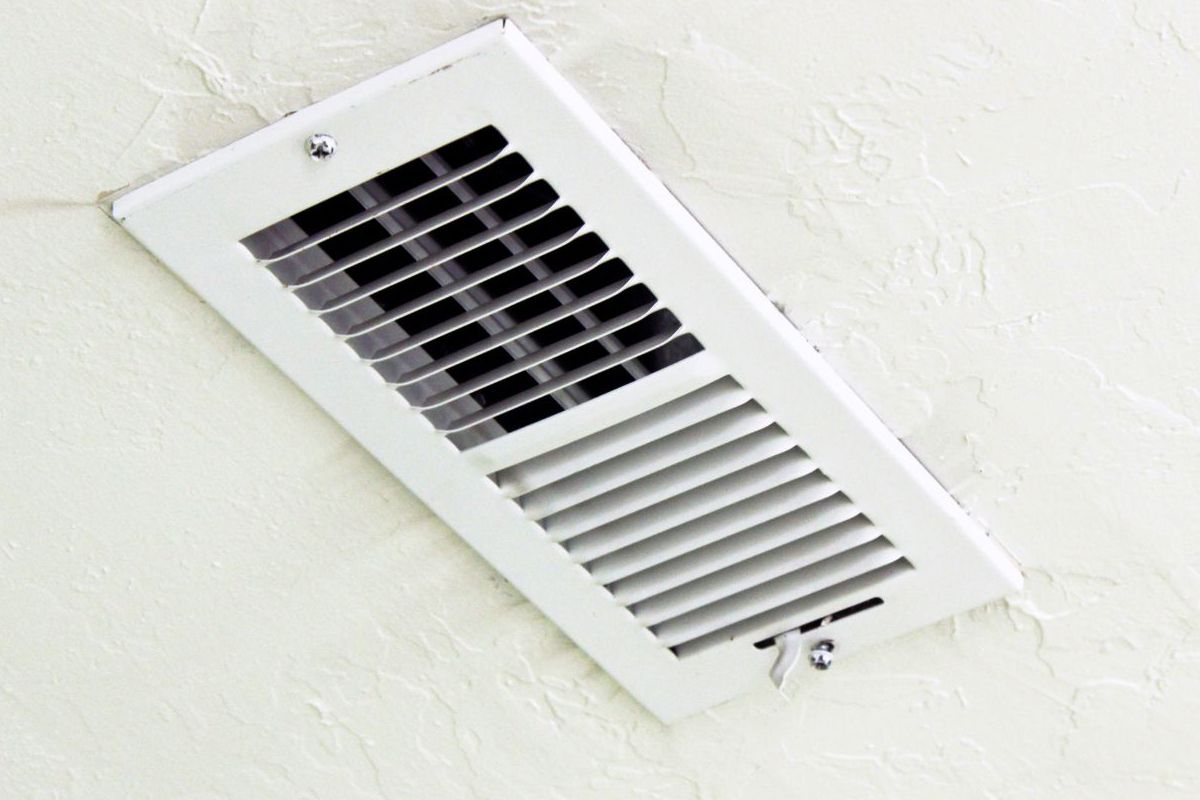
Your HVAC system does not work as equipment alone. It works as a full air delivery system. The air conditioner may cool the air properly, but the ductwork is what has to move that conditioned air through the home and return air back to the system. If the existing ductwork has design flaws, leakage, poor insulation, or airflow restrictions, it can limit how well even a brand-new HVAC system performs.
For homeowners in Belleair and throughout Pinellas County, this matters even more because Florida conditions put heavy demand on cooling systems. Long cooling seasons, high humidity, hot attics, and strong afternoon heat make duct performance a major part of real-world comfort.
A New HVAC System Still Depends on the Old Air Delivery System
When homeowners replace an HVAC system, most of the attention naturally goes to the new equipment. They want to know the brand, the efficiency rating, the warranty, and whether the system is properly sized. Those are all important factors.
But the equipment can only do so much on its own.
Once the air is cooled, the ductwork has to:
- deliver that air to the right rooms
- maintain enough airflow volume
- return indoor air back to the system
- avoid excessive leakage
- preserve air temperature as it travels through the house
If the duct system is weak, the performance of the new HVAC equipment is limited from the start.
A homeowner in Belleair may install a new high-efficiency system and still feel disappointed if the same warm rooms, weak airflow, or afternoon comfort problems remain. In many cases, that happens because the old duct system is still creating the same airflow and delivery problems the previous system struggled with.
Leaky Ductwork Can Waste Conditioned Air Before It Reaches the Home
One of the biggest ways existing ductwork limits a new HVAC system is air leakage.
If ducts have loose joints, disconnected sections, damaged seals, or aging materials, some of the conditioned air can escape before it ever reaches the rooms it is supposed to cool. In Florida homes, this often means cooled air is lost into a hot attic.
That creates several problems at once:
- less cooling reaches the living space
- the system has to run longer to satisfy the thermostat
- energy bills go up
- some rooms stay warmer than others
- the new equipment works harder than it should
A homeowner may believe the new AC is underperforming, when the real issue is that the duct system is throwing away part of the cooling output before the house ever receives it.
Poor Duct Design Can Keep Certain Rooms Uncomfortable
Not all duct problems involve visible damage. Some are design-related from the start.
Existing ductwork may have:
- supply runs that are too small
- long branch runs serving distant rooms
- poor airflow distribution between zones of the house
- weak return-air design
- unbalanced delivery to rooms with higher heat load
- duct layouts that no longer match the home’s current use
This can create comfort complaints such as:
- one bedroom always staying warm
- the back of the house struggling in the afternoon
- upstairs cooling differently than downstairs
- some vents blowing much harder than others
If the new HVAC system is connected to the same
poorly designed duct network, those same issues often remain. The equipment may be newer and more efficient, but it still has to push air through the same limitations.
Existing Ductwork May Be Undersized for the New System
A new system may be properly selected for the home, but that does not mean the existing ductwork is capable of supporting it well.
If the ducts are undersized, the system may struggle with:
- high static pressure
- reduced airflow
- weak room-to-room distribution
- blower strain
- reduced cooling efficiency
- poor humidity control
This is especially important in older homes where duct systems may have been built around older equipment standards or different airflow expectations. In some homes, the duct system was marginal even before the equipment was replaced.
A new system connected to undersized ductwork may still cool the house better than the old one, but it may never reach the performance level the homeowner expected because the airflow path is still restricted.
Return Duct Problems Can Hold Back the Entire System
Supply air gets most of the attention, but return air matters just as much.
The HVAC system has to pull enough indoor air back in so it can be cooled and recirculated. If the return side of the duct system is weak, restricted, poorly located, or undersized, the entire HVAC system can struggle.
Return-side duct problems can lead to:
- reduced total airflow
- stuffy rooms
- pressure imbalance
- less effective cooling in distant rooms
- more humidity problems
- strain on the blower motor
If the new HVAC system is installed without addressing these return issues, it may still feel like the home never cools evenly. The equipment is trying to work, but the return path is limiting how effectively air can move through the whole system.
Poor Duct Insulation Can Reduce the Value of a New System
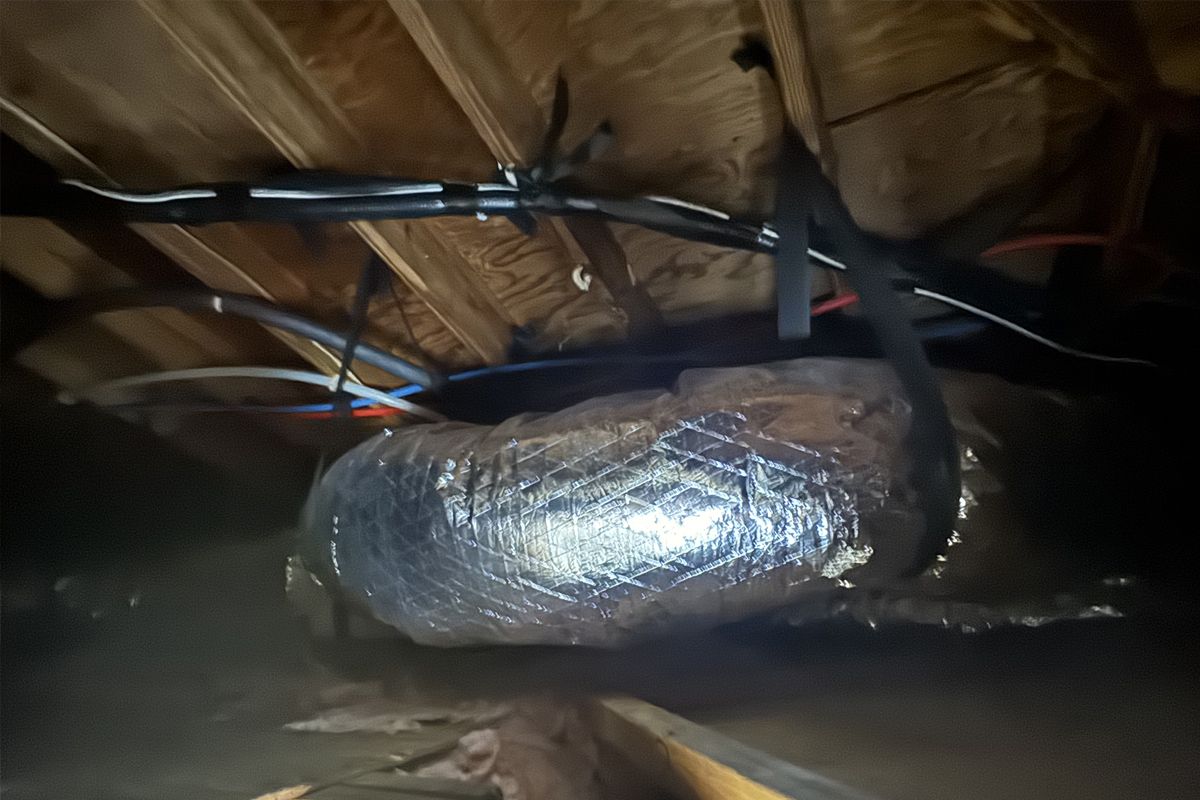
In Florida, many ducts run through extremely hot attic spaces. That makes duct insulation very important.
If existing duct insulation is:
- old
- damaged
- thin
- missing in places
- deteriorated by age or attic conditions
then the cooled air moving through the ducts can pick up heat before it reaches the rooms in the home. That means even though the new HVAC system is cooling the air properly, that air may arrive warmer than it should.
This often shows up as:
- longer cooling cycles
- less comfort in rooms far from the air handler
- hotter afternoon room temperatures
- reduced energy savings after replacement
A high-efficiency system connected to poorly insulated attic ductwork may never deliver the performance advantage the homeowner hoped for.
Existing Ductwork May Be Out of Balance
Many duct systems are not balanced well, especially in older homes or homes that have been modified over time.
This can happen because:
- room additions changed the home’s load
- walls were removed or spaces reconfigured
- old balancing problems were never corrected
- duct alterations were made without full redesign
- some rooms now have higher heat gain than before
When the duct system is out of balance, some rooms get too much airflow while others get too little. A new HVAC system connected to that ductwork may still leave the homeowner with:
- hot and cold spots
- thermostat frustration
- one side of the house more comfortable than the other
- humidity or comfort issues in certain rooms
The equipment may be functioning properly, but if the duct system is delivering air unevenly, overall comfort still suffers.
Duct Restrictions Can Increase System Strain
Existing ductwork can also limit performance by creating resistance that makes the equipment work harder.
This resistance can come from:
- crushed flex ducts
- tight turns in duct runs
- sagging sections
- internal obstructions
- partially collapsed areas
- design choices that create poor airflow paths
These restrictions reduce how effectively the blower can move air, which can affect:
- airflow volume
- system efficiency
- temperature consistency
- indoor humidity control
- equipment lifespan over time
A new system installed on restrictive ductwork may appear to function, but it may be operating under unnecessary stress from the beginning.
Existing Duct Problems Often Look Like Equipment Problems
One reason homeowners do not always think about ductwork is that duct issues often look like HVAC equipment problems.
They may say:
- the new AC is not strong enough
- the system is running too long
- one room still does not cool
- the humidity still feels high
- airflow seems weak
- the electric bill is still too high
Sometimes the equipment is part of the issue. But often, those complaints point directly to air distribution problems.
A homeowner in Pinellas County may replace an older system expecting every comfort complaint to disappear, only to find that the same rooms still struggle. In many cases, the new system is not failing. The existing ductwork is simply limiting what the new system can actually deliver.
Newer Equipment Often Makes Duct Weaknesses More Noticeable
In some cases, installing new HVAC equipment actually makes old duct problems more obvious.
That can happen because:
- the homeowner expects more from the new system
- the system now operates more efficiently and reveals airflow imbalances more clearly
- the home’s comfort problems are no longer masked by the old system’s general weakness
- the new system is more sensitive to airflow conditions than the previous one
For example, if the old system was already struggling overall, the homeowner may not have been able to tell how much of the problem was the ductwork. Once the new unit is installed, the remaining comfort issues stand out much more clearly.
Existing Ductwork Can Prevent Full Humidity Control
In Florida, this is especially important.
A new HVAC system may be selected partly to improve humidity control. But if the ductwork is leaking, poorly balanced, or restricting airflow, the system may not handle moisture the way it should.
That can leave the home feeling:
- sticky
- uneven
- comfortable in one room but not another
- harder to cool during humid afternoons
This is because good humidity control depends on more than just the equipment. It also depends on how well air moves through the system and the home.
If the ducts are limiting airflow or losing conditioned air, the system may not be able to maintain the steady, effective operation needed for strong dehumidification.
Ductwork Limiting a New System
A homeowner in Belleair replaces an older air conditioner with a newer, more efficient unit expecting better comfort and lower energy costs. The new system runs, cools the house, and is properly installed. But after a few weeks, the homeowner notices the same old issues are still there. The back bedrooms stay warmer, the system runs a long time in the afternoon, and one side of the house never feels as comfortable as the other.
A full review finds:
- attic duct leakage
- weak return airflow
- aging duct insulation
- poor airflow balance to the back rooms
The new AC system is not the problem. It is being limited by the old duct system connected to it. Until those airflow issues are addressed, the new equipment cannot perform the way it should.
Why This Matters So Much in Pinellas County
In Pinellas County, HVAC systems run under demanding conditions. Long cooling seasons, strong sun, humidity, and very hot attic spaces all increase the importance of duct performance.
A duct issue that might be tolerable in a cooler climate often becomes a serious comfort and efficiency problem in Florida. That means homeowners in Belleair and surrounding areas should view ductwork as a major part of HVAC replacement, not just something the new equipment gets attached to.
A Complete System Approach Produces Better Results
At Williams Air Solutions, we take a complete system approach because true HVAC performance depends on more than the equipment itself.
When replacing a system, it is important to evaluate:
- duct leakage
- airflow balance
- return-air performance
- duct insulation
- possible restrictions
- room-to-room comfort needs
- attic conditions affecting delivery
This helps make sure the new HVAC system is not being held back by old air delivery problems that were never addressed.
Existing ductwork can limit the performance of a new HVAC system by leaking conditioned air, restricting airflow, creating pressure problems, weakening return-air performance, reducing humidity control, and delivering air unevenly throughout the home. In many cases, the new equipment is doing its job, but the old duct system prevents the homeowner from fully experiencing the comfort and efficiency they expected.
At Williams Air Solutions, we help homeowners in Belleair and throughout Pinellas County evaluate HVAC systems as a complete comfort system, not just a box of equipment. When new HVAC equipment is paired with ductwork that supports it properly, the results are usually much stronger in comfort, efficiency, and long-term performance.
Call Williams Air Solutions at (727) 353-0090 to schedule AC service anywhere in Pinellas County.