What Causes HVAC Systems to Struggle After a Home Renovation
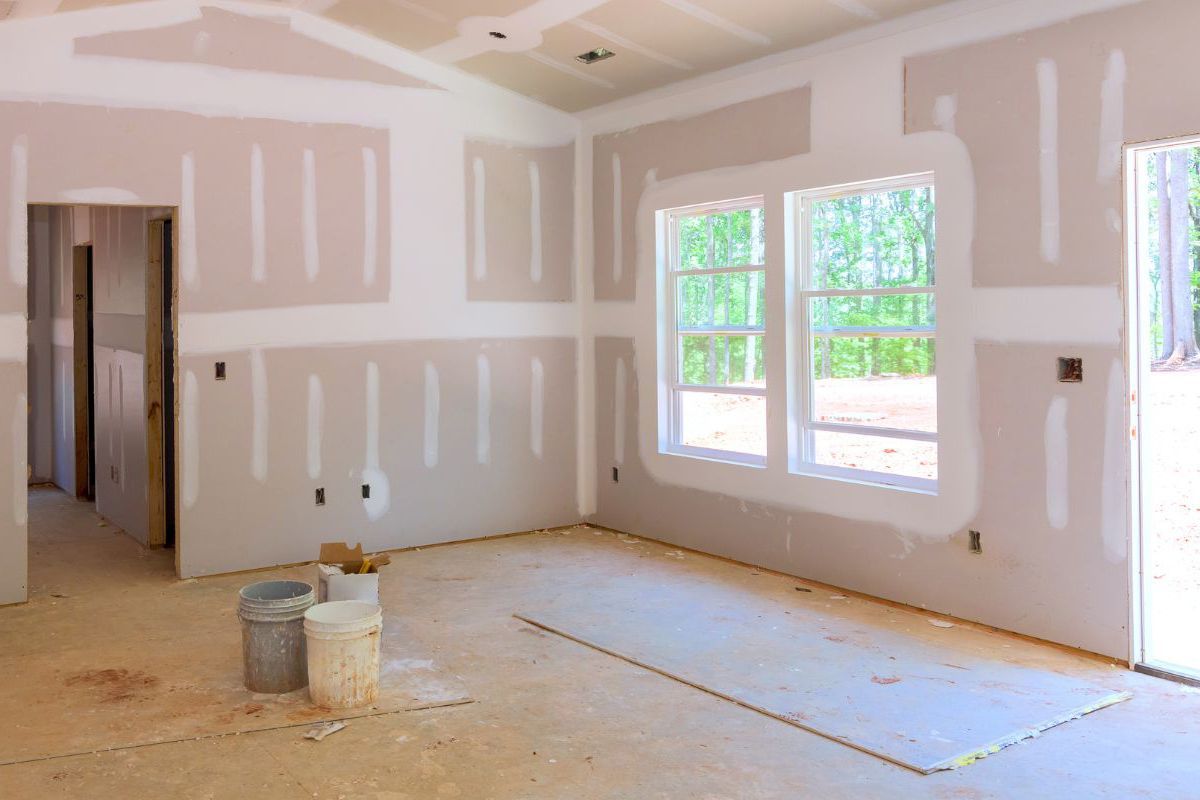
A home renovation is supposed to improve the way a house looks, feels, and functions. In many cases, it does. But homeowners are often surprised when the HVAC system starts having comfort problems after the work is finished. Rooms may feel warmer than before, airflow may seem weaker, humidity may be harder to control, and the system may run longer without keeping up the way it used to.
When this happens, homeowners often assume the air conditioner suddenly started failing at the same time as the renovation.
Sometimes the timing is a coincidence, but often the renovation itself changed the conditions the HVAC system has to work under.
That matters because an HVAC system is designed around the size, layout, airflow needs, and heat load of the home. If a renovation changes those conditions and the system is not adjusted to match, the equipment may start struggling even if it was working reasonably well before.
For homeowners in Belleair and throughout Pinellas County, this is especially important. Florida homes already place heavy demand on air conditioning systems because of long cooling seasons, high humidity, strong sun exposure, and hot attics. When a renovation changes how heat and air move through the house, HVAC problems can become noticeable quickly.
Renovations Often Change the Home More Than Homeowners Realize
Most homeowners think of renovations in terms of walls, flooring, kitchens, additions, windows, and layout changes. What they may not think about is how those same changes affect:
- airflow
- return air movement
- room-to-room heat gain
- thermostat behavior
- insulation performance
- duct load
- humidity patterns
- total cooling demand
A renovation does not have to involve the HVAC equipment directly to affect HVAC performance. If the home changes, the system’s operating conditions change too.
A homeowner in Belleair may remodel part of the home and then notice that the AC suddenly seems to run longer in the afternoon or that one section of the house never feels as comfortable as it used to. In many cases, the renovation changed the house in a way the HVAC system was never adjusted for.
Room Additions Increase Cooling Demand
One of the most obvious renovation-related HVAC problems happens when square footage is added to the home.
If a room addition, enclosed porch, converted garage, or expanded living area is added without properly addressing HVAC capacity and airflow, the existing system may now be trying to cool more space than it was designed for.
That can lead to:
- longer run times
- weaker cooling in the original part of the home
- poor airflow to the new area
- higher indoor humidity
- rooms that never fully catch up during hot weather
This does not automatically mean the existing unit is too small for every situation, but it does mean the cooling load has changed. If the system was already near its limit, the added space can make the problem obvious fast.
Open-Concept Renovations Can Change Airflow Patterns
Removing walls and opening up floorplans is a common renovation choice, especially in older homes. While that often improves visual flow and livability, it can also change how conditioned air moves through the house.
When walls are removed or room boundaries change, it can affect:
- how air circulates between spaces
- where heat builds up
- how supply air spreads
- how return air reaches the system
- how the thermostat responds to the open area
A home that once had smaller enclosed rooms may now have a larger open living area with different airflow behavior than the original system was designed to handle.
This can make the HVAC system feel less effective even if the equipment itself has not changed.
Renovations Can Create Return-Air Problems
Return air is one of the most overlooked parts of HVAC design, and renovations can easily disrupt it.
If a renovation changes room layout, door placement, or how spaces connect to one another, return-air performance may suffer. This can happen when:
- a room is added without adequate return air
- a space becomes more isolated
- a formerly open circulation path is changed
- airflow now has to travel differently to reach the return side of the system
When return air is limited, rooms may feel:
- stuffy
- warmer than the rest of the house
- more humid
- slower to cool down
In some homes, a renovation creates comfort complaints that seem like supply-air problems, but the real issue is that return airflow was never adjusted to match the new layout.
New Windows and Doors Can Change the Heat Load
Renovations often include new windows, doors, or larger glass openings. These changes can affect HVAC performance in either direction depending on what was installed and where.
For example:
- better windows may reduce heat gain
- larger windows may increase sun-related load
- sliding glass doors may change how much heat enters the space
- added natural light may also mean added solar heat during the day
If a room suddenly has more glass, more sun exposure, or stronger afternoon heat, that part of the home may become harder to cool than it used to be.
A homeowner may think the AC became weaker after the renovation, when the real issue is that the renovated space now gains more heat than before and the HVAC system was not adjusted to match it.
Insulation Gaps and Disturbed Building Materials Can Affect Comfort
Renovation work often opens walls, ceilings, attic areas, or crawl spaces. If insulation is disturbed, removed, or not restored properly, the home may gain heat faster than it did before.
This is especially common in:
- attic renovations
- room additions
- ceiling changes
- wall modifications
- garage conversions
- enclosed patios or sunrooms
Weak or incomplete insulation after renovation can lead to:
- rooms heating up faster
- longer AC runtime
- hotter ceilings or wall surfaces
- uneven comfort
- the AC seeming less effective than before
In Florida, where attic heat and solar gain are already major factors, insulation problems created during or after renovation can make a system look like it is underperforming when the real issue is the building envelope.
Ductwork May Be Altered Without Proper Design Review
Sometimes renovation projects involve moving, extending, or reconnecting ductwork without a full HVAC design review.
This can create problems such as:
- long duct runs with weak airflow
- undersized branches serving new rooms
- disconnected or poorly sealed ducts
- supply air added without proper return planning
- duct insulation problems in attic spaces
These issues can lead to:
- one room staying warm
- reduced airflow in other rooms
- wasted cooling in the attic
- longer system runtime
- higher energy bills
A new room may technically have a vent, but that does not mean the airflow design is strong enough to cool it properly. In many homes, the problem after renovation is not that the system stopped working. It is that the distribution system was changed without being properly rebalanced.
Thermostat Placement May No Longer Make Sense
A thermostat that worked well before the renovation may not be in the right location afterward.
This can happen if the renovation changes:
- the main living area
- sun exposure near the thermostat
- airflow patterns in the thermostat area
- heat sources nearby
- room usage and occupancy patterns
For example, if the thermostat is now in a cooler hallway while the renovated portion of the home gains more heat, the system may satisfy too early and leave the newer space uncomfortable. On the other hand, if the thermostat ends up near a warmer open kitchen or sunlit wall, the system may run too long and overcool other parts of the home.
In either case, the thermostat may now be controlling the system based on conditions that no longer represent the whole house well.
Renovations Can Increase Indoor Heat Sources
Not every renovation changes the structure of the home in a way that affects HVAC through walls and windows alone. Sometimes it changes how much indoor heat is being created.
Examples include:
- larger kitchens with more appliance use
- added lighting
- home offices with electronics
- media rooms
- enclosed gyms or bonus rooms
- expanded occupancy in a space
These added indoor heat sources can make a renovated area harder to cool than the original design anticipated. The AC may still produce cold air, but the new heat load inside the house can make the home feel warmer than expected.
This is especially noticeable in Florida homes, where the system is already handling significant outdoor heat and humidity.
Humidity Problems Can Get Worse After Renovation
In Pinellas County, renovations can also affect humidity control.
If the HVAC system is now:
- running differently because of layout changes
- serving more square footage
- dealing with weaker airflow
- cooling a space with more glass or heat gain
- struggling with added moisture load
then the home may start feeling more humid even when the AC is still cooling.
Homeowners often describe this as the house feeling:
- sticky
- damp
- heavier in the afternoon
- comfortable in one part but not another
In many cases, the AC is still functioning, but the renovation changed the balance of how the system handles airflow, temperature, and moisture.
Older Homes Are Especially Vulnerable After Renovation
Older Florida homes often have less margin for HVAC changes because they may already have:
- aging ductwork
- limited return air design
- insulation weaknesses
- attic heat problems
- room additions from past decades
- systems sized for an earlier version of the house
That means a renovation can push an already borderline HVAC setup into obvious comfort trouble.
A homeowner may renovate a kitchen or add a room and suddenly feel like the AC cannot keep up anymore. In reality, the system may have been functioning acceptably only because the original layout and load had not changed further.
The HVAC System May Need Balancing After Renovation
After a renovation, even if the equipment size is still appropriate, the airflow distribution in the home may no longer be right.
Balancing may be needed because:
- rooms now receive the wrong amount of airflow
- open areas behave differently than before
- new ducts changed how air is delivered
- return patterns shifted
- some spaces now have more heat gain than others
Without balancing, homeowners often experience:
- hot and cold spots
- warm renovated rooms
- overcooled original rooms
- thermostat frustration
- inconsistent comfort throughout the day
This is one reason HVAC performance should be re-evaluated after significant renovation work rather than assuming the system will adapt on its own.
HVAC Problems After Renovation
A homeowner in Belleair renovates the back of the house by opening up the kitchen and adding a sun-filled family room. After the work is complete, the home looks better and feels more open, but the AC suddenly seems to run much longer in the afternoon. The new family room stays warmer than expected, and the rest of the house feels less balanced.
During evaluation, the issue turns out to involve several renovation-related changes:
- increased glass and sun exposure in the new room
- altered airflow patterns due to wall removal
- return-air limitations in the expanded space
- duct delivery that was never fully adjusted for the renovation
The AC system itself may still be in decent condition. It is just now trying to cool a home that has changed in ways the HVAC design did not keep up with.
Why This Matters So Much in Pinellas County
In Pinellas County, HVAC systems already operate under demanding conditions. Long cooling seasons, high humidity, strong afternoon heat, and hot attic environments leave less room for layout or performance mistakes.
That means even a moderate renovation can have a major impact on comfort if HVAC factors are not considered. Homes in Belleair and surrounding areas need more than just cold air. They need proper airflow, humidity control, room balance, and a system that matches the house as it exists now, not as it existed before the renovation.
What Homeowners Should Do Before or After Renovation
If you are planning a renovation or already noticing HVAC problems after one, the best step is a full system evaluation.
That should include looking at:
- airflow performance
- duct changes
- room-by-room comfort
- return-air design
- thermostat location
- attic and insulation conditions
- heat gain in the renovated space
- whether the system is still properly matched to the home
This helps identify whether the issue is equipment size, airflow distribution, insulation, thermostat behavior, or a combination of several factors.
HVAC systems often struggle after a home renovation because the renovation changes how heat, air, moisture, and comfort move through the house. Room additions, open floorplans, altered ductwork, thermostat issues, insulation gaps, increased glass, and return-air limitations can all make a once-acceptable system start showing new problems.
At Williams Air Solutions, we take a complete system approach to diagnosing comfort problems in homes throughout Belleair and Pinellas County. If your HVAC system started struggling after a renovation, the issue may not be the equipment alone. It may be that the home changed and the HVAC system was never adjusted to match it.
Call Williams Air Solutions at (727) 353-0090 to schedule AC service anywhere in Pinellas County.