Why Some Homes Need Duct Improvements Before HVAC Replacement
When homeowners start thinking about HVAC replacement, the focus usually goes straight to the equipment. They want to know what size system they need, which brand is best, how efficient the new unit will be, and what the installation will cost. Those are all important questions, but they are not the only ones that matter.
In many homes, the duct system plays just as important a role in comfort and performance as the equipment itself. If the ductwork has airflow problems, leakage, poor insulation, bad design, or weak return-air support, installing a new HVAC system without addressing those issues can limit the results from day one.
That is why some homes need duct improvements before HVAC replacement. The equipment may be new, but if the air delivery system is still weak, the home can continue dealing with the same comfort, humidity, and efficiency problems the old system had.
For homeowners in Belleair and throughout Pinellas County, this is especially important. Florida homes place heavy demand on cooling systems because of long cooling seasons, high humidity, hot attic conditions, and strong afternoon heat. In this environment, duct problems often become more noticeable and more expensive much faster.
A New HVAC System Still Depends on the Existing Ductwork
An air conditioner does not cool the house by equipment alone. The system cools air at the air handler, but the ductwork is what has to carry that air throughout the home and bring return air back to the system.
That means a new HVAC system still depends on the ducts to:
- deliver enough air to each room
- maintain airflow across the home
- preserve the temperature of the cooled air
- support return-air circulation
- help control humidity evenly throughout the house
If the ducts are underperforming, the new unit may still run, but the homeowner may not get the comfort or efficiency improvements they expected.
A homeowner in Belleair may
replace an older AC unit and still find that the same back bedroom stays warm, the same side of the house feels humid, and the same long afternoon runtime continues. In many cases, that happens because the duct system, not just the old equipment, was part of the original problem.
Existing Comfort Problems Often Point to Duct Issues
If a home already has comfort complaints before replacement, ductwork should always be part of the conversation.
Common warning signs include:
- some rooms staying warmer than others
- weak airflow from certain vents
- the AC running a long time to cool the house
- one side of the home cooling differently than the other
- rooms feeling humid even when the thermostat is satisfied
- a bonus room or addition never cooling properly
These problems often get blamed entirely on the equipment. Sometimes the equipment is part of the issue, but very often the duct system is also involved.
If those comfort issues existed with the old system, they may remain with the new one unless the ductwork is improved too.
Duct Leaks Can Waste Cooling Before It Reaches the Home
One of the biggest reasons homes need duct improvements before HVAC replacement is air leakage.
If the duct system has loose connections, damaged sections, or poor sealing, cooled air can escape into the attic or other unconditioned spaces before it reaches the rooms in the home.
That means:
- less conditioned air reaches the living space
- the new HVAC system has to run longer
- efficiency drops
- some rooms stay uncomfortable
- utility costs stay higher than they should
In Pinellas County, where many homes have attic ductwork, this is especially important. A new HVAC unit can be highly efficient on paper, but if the ducts are leaking into a hot attic, the homeowner may never fully experience that efficiency.
Old Ductwork May Be Poorly Insulated
Florida attic conditions make duct insulation extremely important.
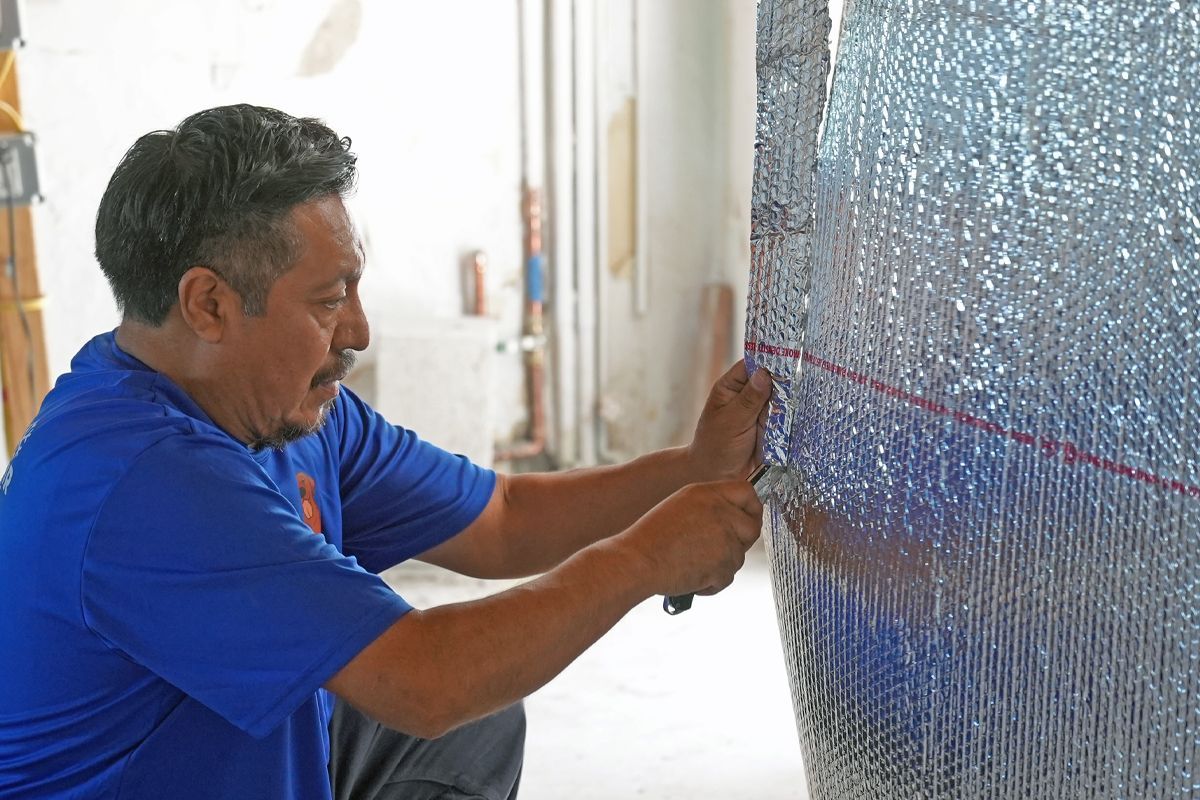
If duct insulation is old, damaged, compressed, or deteriorating, the cooled air inside the ductwork can pick up heat before it reaches the room. That reduces the effectiveness of the system even if the equipment itself is working properly.
This often causes:
- longer runtime
- rooms farther from the air handler staying warmer
- weaker comfort in the afternoon
- reduced energy savings after replacement
- less noticeable improvement from the new system
A homeowner may expect a new HVAC installation to dramatically improve comfort, but if the air warms up while traveling through under-insulated attic ducts, the system will still feel like it is struggling.
Poor Duct Design Can Hold a New System Back
Some homes need duct improvements because the duct system was not designed well in the first place.
This can include:
- undersized supply runs
- long branch runs with poor airflow
- weak return-air design
- unbalanced distribution to different rooms
- duct layouts that no longer match the current layout of the home
These design issues can make even a good HVAC system seem weak. The new system may cool the air properly, but it cannot overcome poor air delivery design on its own.
For example, if a room has always been hard to cool because the duct run is too restrictive, a new AC unit will not automatically solve that. The room may still get less airflow than it needs.
Return-Air Problems Often Need to Be Addressed First
Supply air gets most of the attention, but return air is just as important.
If the return side of the duct system is weak, limited, or poorly placed, the entire HVAC system has a harder time moving air properly. That affects:
- airflow through the equipment
- room-to-room comfort
- humidity control
- blower performance
- overall efficiency
Older homes and renovated homes often have return-air issues that were never corrected. If a new system is installed without addressing those problems, the equipment may still operate under strain and fail to deliver balanced comfort throughout the home.
This is one reason some homes need duct improvements before replacement instead of after. If return airflow is weak from the start, the new equipment begins its life working against the same old restrictions.
Duct Restrictions Can Increase Static Pressure
Another major issue is static pressure.
If the duct system has too much resistance because of undersized runs, poor transitions, restrictive returns, or crushed sections, the blower has to work harder to move air. High static pressure can affect:
- airflow volume
- evaporator coil performance
- blower motor stress
- comfort consistency
- long-term equipment efficiency
A new HVAC system installed on a high-static duct system may still cool, but it can lose performance, run less efficiently, and experience more strain over time.
That is why duct improvements are sometimes needed before replacement. The goal is to make sure the new system has an airflow path that supports proper operation from the beginning.
Renovations and Additions Often Create Hidden Duct Problems
Many homes in Belleair and throughout Pinellas County have been modified over time. Rooms may have been added, porches enclosed, garages converted, or layouts opened up.
These changes often affect:
- room heat load
- airflow needs
- return-air performance
- duct run length
- room balance throughout the home
If the duct system was never redesigned to match those changes, the home may already be set up for uneven comfort. Installing a new HVAC unit without correcting those duct issues often leaves the homeowner with many of the same complaints.
For example, a bonus room added years ago may have a supply vent but weak airflow and no proper return path. A new HVAC system alone will not fix that kind of design problem.
Duct Improvements Can Help Prevent Oversizing or Undersizing Mistakes
When homeowners have comfort issues, it is easy to assume the problem is equipment size. But sometimes the real issue is that the existing system is being limited by poor duct performance.
If duct problems are ignored, the homeowner may be told they need a larger system when what they really need is better airflow. That can lead to oversizing, which creates new problems such as:
- short cycling
- poor humidity control
- uneven comfort
- extra wear on components
Improving the duct system first gives a clearer picture of what equipment size the home actually needs. That helps avoid replacement decisions based on symptoms instead of real system conditions.
Better Duct Performance Helps Humidity Control Too
In Florida, humidity control matters just as much as temperature.
A new HVAC system cannot manage moisture well if the ductwork is limiting airflow, leaking conditioned air, or delivering weak circulation to certain areas of the home. Poor duct performance often contributes to:
- sticky indoor air
- rooms that feel damp
- uneven comfort
- the need to lower the thermostat more than expected
When duct improvements are made before replacement, the new system has a better chance of controlling both temperature and humidity the way it should.
This is a major reason ductwork should not be treated as separate from the replacement decision. In Florida homes, air delivery and moisture control go hand in hand.
Some Homes Have Ducts That Are Simply Too Worn Out
In some homes, the ductwork has reached a point where patching small issues is not enough.
Older duct systems may have:
- deteriorating insulation
- brittle or damaged outer jackets
- repeated leakage points
- sagging flex duct
- sections that are no longer performing well
- old layouts that do not fit current home use
In those cases, improving the ducts before HVAC replacement may be the smartest move because it allows the new equipment to start with a better foundation.
A homeowner investing in new HVAC equipment should not have to rely on an air delivery system that has already been underperforming for years.
A homeowner in Belleair plans to replace an aging air conditioner because the house has become harder to cool in the afternoon. The back bedrooms stay warmer, utility bills are high, and the system seems to run constantly.
During evaluation, it becomes clear that the equipment is old, but the duct system also has several major issues:
- attic duct leakage
- weak return airflow
- poor insulation on long branch runs
- unbalanced air delivery to the back of the house
If only the equipment is replaced, the new system will still be trying to cool the home through the same flawed duct network. The homeowner may get a new unit, but not the comfort improvement they expected.
That is a common reason duct improvements should come first. The duct system is often part of the problem, not just the old equipment.
Why This Matters So Much in Pinellas County
Pinellas County homes deal with:
- long cooling seasons
- high humidity
- strong afternoon heat
- hot attic environments
- heavy reliance on steady airflow and dehumidification
That means duct problems tend to affect comfort and efficiency more noticeably here than they might in a milder climate. A duct issue that seems moderate on paper can create major room comfort problems in Florida because the cooling demand is so much higher.
For homeowners in Belleair and surrounding areas, replacing HVAC equipment without evaluating the ducts often means missing a major part of the comfort problem.
A Complete System Approach Leads to Better Results
At Williams Air Solutions, we take a complete system approach because HVAC replacement should not be viewed as equipment-only work.
Before replacement, it is important to evaluate:
- duct leakage
- insulation on attic ductwork
- return-air performance
- airflow balance
- room comfort issues
- restrictions in the duct system
- whether the current duct design still fits the home
This helps make sure the homeowner gets the full value of the new equipment instead of connecting it to an old air delivery system that limits performance from day one.
Some homes need duct improvements before HVAC replacement because the duct system is already limiting airflow, leaking conditioned air, weakening humidity control, and creating comfort problems that a new unit alone cannot solve. If the air delivery system is not supporting the home properly, the new HVAC equipment may never perform the way the homeowner expects.
At Williams Air Solutions, we help homeowners in Belleair and throughout Pinellas County evaluate HVAC systems as a complete comfort system. That means looking at the ducts, airflow, return design, insulation, and room balance before replacement so the new equipment has the best possible foundation to perform well.
Call Williams Air Solutions at (727) 353-0090 to schedule AC service anywhere in Pinellas County.