Why High Humidity Can Make a Home Feel Warmer Than It Really Is
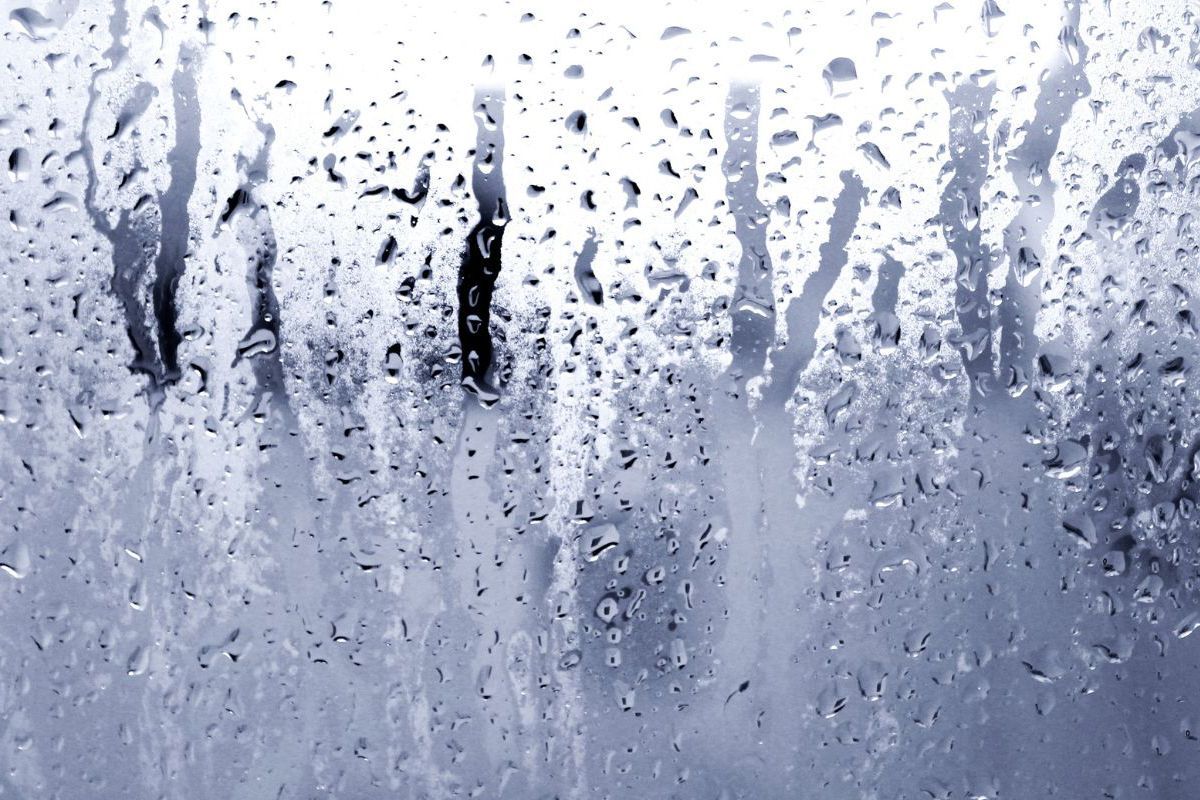
A lot of homeowners look at the thermostat and assume that number should tell the full story about comfort. If the display says 74 degrees, the house should feel comfortable. In Florida, that is not always how it works.
High humidity can make a home feel warmer than it really is, even when the air conditioner is running and the temperature appears to be where it should be. That is because comfort is not based on temperature alone. It is also based on how much moisture is in the air and how easily your body can release heat.
For homeowners in Belleair and throughout Pinellas County, this matters every day during much of the year. Florida homes deal with high outdoor humidity, long cooling seasons, and steady AC demand. If indoor humidity is not being controlled properly, the home can feel sticky, heavy, and uncomfortable even when the thermostat suggests it should feel fine.
Temperature and comfort are not the same thing
The thermostat measures air temperature. It does not directly measure how comfortable the home feels to the people living in it.
Comfort is influenced by several things, including:
- temperature
- indoor humidity
- airflow
- sun exposure
- room-to-room heat gain
- how well the HVAC system is removing moisture
That means a house at 74 degrees with high humidity can feel less comfortable than a house at 76 degrees with better moisture control.
This is one reason homeowners often say, “The AC is on, but the house still feels warm.” In many cases, the real issue is not that the home is too hot. It is that
the air still holds too much moisture.
Your body cools itself by releasing heat
One of the main reasons humidity affects comfort so much is how the human body handles heat.
Your body naturally cools itself through perspiration and evaporation. When the air is already full of moisture, sweat does not evaporate as easily. That makes it harder for your body to release heat, so the room feels warmer than the thermostat reading would suggest.
This is why high humidity often makes a home feel:
- sticky
- clammy
- heavy
- stuffy
- warmer than expected
A homeowner in Belleair may have the thermostat set where it usually feels fine, but on a humid day, the house still feels uncomfortable because the body is not cooling itself as easily indoors.
Florida humidity adds a constant indoor comfort challenge
In Pinellas County, outdoor humidity is often high for much of the year. That means homes are constantly fighting moisture, not just temperature.
Every time the home takes in humid outdoor air through:
- door openings
- window leaks
- attic leakage
- duct leakage
- general air infiltration
the HVAC system has to work to remove that added moisture.
This is one of the reasons Florida comfort is different from comfort in drier climates. In a lower-humidity environment, a thermostat setting may track much more closely with how the home feels. In Florida, indoor moisture can make the house feel warmer even when the temperature is technically under control.
High humidity makes the air feel heavier
Most homeowners know the feeling even if they do not describe it in HVAC terms. A humid house often feels heavy.
That happens because moisture in the air changes the way the indoor environment feels on your skin and in your breathing space. When the AC is not removing enough humidity, the home can feel:
- less crisp
- less fresh
- harder to cool down mentally and physically
- uncomfortable even with cool air coming from the vents
This is especially noticeable in the afternoon and evening, when both outdoor moisture and indoor heat gain have had time to build.
A house that still feels “warm” in these conditions may actually be more humid than hot.
The AC is supposed to remove moisture too
An air conditioner does more than lower the temperature. It also removes moisture from indoor air as part of the cooling process.
As warm indoor air passes across the evaporator coil, moisture condenses and drains away. That is a major reason the system can make the home feel more comfortable instead of just colder.
When humidity stays high indoors, it often means the system is not removing moisture as effectively as it should. That can happen even if the system still appears to be cooling normally.
For example, the AC may:
- reach the thermostat setting
- blow cool air
- still leave the house feeling damp or sticky
That is a sign that moisture removal may not be keeping up with the home’s needs.
Oversized systems can leave too much humidity behind
One of the more common reasons a home feels cool but still warm is an oversized AC system.
When an AC system is too large for the home, it may cool the thermostat area too quickly and shut off before it has run long enough to remove enough moisture from the air. The result is a house that reaches temperature fast but still feels uncomfortable.
This often causes:
- cool but clammy indoor air
- short cycling
- uneven comfort
- the need to lower the thermostat more and more
- frustration that the home does not feel as cool as it should
In Florida, proper humidity control is one of the biggest reasons correct system sizing matters so much.
Poor airflow can make humidity control worse
Humidity control depends heavily on airflow.
If airflow is restricted because of:
- dirty filters
- dirty evaporator coils
- blower issues
- return-air restrictions
- duct leaks
- blocked vents
then the system may not remove moisture as effectively as it should.
This can leave parts of the home feeling warmer even when cool air is being produced. A room with weak airflow often feels:
- more humid
- less comfortable
- slower to cool down
- stuffier than the rest of the house
In many homes, the homeowner assumes the room is hotter than it really is. Sometimes it is, but often the bigger issue is that the room is carrying more moisture and receiving less effective conditioning.
Dirty coils can reduce moisture removal
The evaporator coil plays a direct role in dehumidification.
If that coil is dirty, the system’s ability to absorb heat and remove moisture drops. The AC may still run, but it may struggle to control indoor humidity the way it should.
This can cause:
- sticky indoor conditions
- longer runtime
- less comfort at the same thermostat setting
- rising energy bills because homeowners lower the thermostat further
In Belleair and throughout Pinellas County, where AC systems run often and handle heavy moisture loads, coil condition has a major effect on how cool the home actually feels.
Duct leaks can bring humid attic air into the system
Duct problems can also make humidity feel worse.
If return ducts are leaking in a hot, humid attic, the system may pull in unconditioned attic air instead of only circulating indoor air. That introduces extra heat and moisture into the system.
This can lead to:
- weaker indoor comfort
- more humidity in certain rooms
- longer runtime
- higher energy use
- the feeling that the AC is not keeping up
A homeowner may think the system is blowing cool air but somehow not cooling the house. In some cases, the real issue is that the duct system is allowing humid attic air into the airflow path.
Some rooms naturally feel warmer because humidity builds there faster
Not every room in the home reacts to humidity the same way.
Certain spaces are more likely to feel warmer because of both heat and moisture buildup, including:
- back bedrooms
- bonus rooms
- enclosed additions
- rooms with high afternoon sun
- areas with weaker airflow
- rooms with poor return-air circulation
These rooms may not always be dramatically hotter in temperature, but they often feel warmer because the air is more stagnant and more humid.
This is one reason homeowners sometimes say one room feels “muggy” compared to the rest of the house. The temperature difference may be smaller than it feels, but the humidity difference makes comfort noticeably worse.
Thermostat location can hide a humidity problem
A thermostat may read a comfortable temperature in one part of the home while another area still feels warm and damp.
This is especially common when:
- the thermostat is in a cooler hallway
- the warmest room is farther from the thermostat
- the thermostat area gets better airflow than the rest of the house
- some rooms have more sun exposure or weaker return air
The system may shut off because the thermostat area is satisfied, but another part of the home may still feel too humid and uncomfortable.
This can make homeowners feel like the thermostat is wrong when the deeper issue is really uneven comfort driven by moisture and airflow.
High humidity often leads homeowners to overcool the house
When a home feels warm because of humidity, many people respond by lowering the thermostat. That may help somewhat, but it often does not solve the actual problem.
Instead, it can lead to:
- higher electric bills
- longer system runtime
- overcooling in some rooms
- continued discomfort in humid areas
- more wear on the HVAC system
This is one reason humidity control matters so much. If the moisture problem is not addressed, homeowners often end up paying more for a house that still does not feel truly comfortable.
Older homes are often more affected by indoor humidity
Older homes in Pinellas County often need more humidity control because they may have:
- more air leakage
- weaker insulation
- older duct systems
- return-air limitations
- attic conditions that affect the living space more directly
These homes may allow more outdoor moisture in and may also have a harder time moving conditioned air evenly. The result is a home that feels warmer than the thermostat says it should because the indoor air is carrying more moisture than it should be.
A homeowner in Belleair may keep their thermostat set at 74 degrees and still feel uncomfortable every afternoon. The AC is running, cool air is coming from the vents, and the house technically reaches temperature. Still, the home feels sticky and heavy, especially in the back bedrooms.
During a full evaluation, the technician finds an oversized system, some attic duct leakage, and weaker airflow to the back side of the home. The issue is not just cooling. It is that the system is not removing moisture effectively or distributing conditioned air evenly.
That is a common example of why humidity can make a home feel warmer than it really is.
Why this matters so much in Pinellas County
In Pinellas County, homeowners are dealing with:
- high outdoor humidity
- long cooling seasons
- hot attic conditions
- strong afternoon heat
- steady AC demand for much of the year
That means humidity control is not a secondary comfort issue. It is central to how the house feels day to day.
A home that is only slightly high in humidity can feel much warmer than expected in this climate, which is why temperature alone rarely tells the full story about comfort in Florida.
A complete system approach gives better answers
At Williams Air Solutions, we take a complete system approach because indoor comfort issues are rarely caused by one factor alone.
If a home feels warmer than it should, it is important to evaluate:
- humidity levels
- airflow
- ductwork
- system sizing
- thermostat location
- attic conditions
- coil cleanliness
- overall system performance
That helps determine whether the problem is really temperature, moisture, or a combination of both.
High humidity can make a home feel warmer than it really is because moisture in the air makes it harder for your body to cool itself and makes indoor spaces feel sticky, heavy, and uncomfortable even at normal thermostat settings. In Florida homes, poor humidity control often comes from airflow problems, duct issues, improper sizing, dirty coils, or homes that naturally take on more moisture than the HVAC system is removing effectively.
At Williams Air Solutions, we help homeowners in Belleair and throughout Pinellas County understand the full causes of indoor comfort problems, including the humidity issues that often get mistaken for simple temperature problems. In Florida, a home does not just need to be cool. It also needs to be dry enough to feel comfortable.
Call Williams Air Solutions at (727) 353-0090 to schedule AC service anywhere in Pinellas County.