Why Some HVAC Systems Seem Loud Even When They Are Working Normally
A lot of homeowners assume that if an HVAC system sounds loud, something must be wrong with it. Sometimes that is true. A sudden grinding sound, rattling panel, screeching motor, or banging duct is worth investigating. But not every noisy HVAC system is actually failing.
Some HVAC systems seem loud even when they are technically working normally. The equipment may be cooling the home correctly, cycling the way it should, and still creating more noticeable sound than the homeowner expected. In many cases, the issue is not a breakdown. It is a combination of system design, airflow, duct layout, home construction, equipment type, and how sound travels through the house.
For homeowners in Pinellas County, this matters because AC systems run often and for long periods. If a system is even slightly louder than expected, Florida’s long cooling season makes that noise much more noticeable in daily life.
Normal HVAC operation still creates sound
Even a healthy HVAC system makes noise. That includes sounds from:
- the blower moving air
- the outdoor fan running
- the compressor starting and stopping
- air traveling through ductwork
- metal parts expanding and contracting
- dampers and panels responding to system pressure
The real question is not whether the system makes sound. It is whether the sound is normal for that equipment and installation, or whether it points to a true problem.
A homeowner in Belleair may hear their system every time it starts and assume it is too loud, even though the equipment is cooling properly. In many cases, the sound is more about how the system is installed and how the home carries that sound than about a mechanical failure.
Some systems are naturally louder than others
Not all HVAC systems have the same sound profile.
Different systems vary based on:
- equipment type
- system size
- blower design
- compressor design
- variable-speed versus single-stage operation
- age of the equipment
- how hard the system has to work during normal operation
For example, a basic single-stage system may sound more abrupt when it starts and stops than a variable-speed system, which often ramps more gradually. That does not automatically mean the louder system is failing. It may simply have a more noticeable operating style.
Likewise, older systems may sound more mechanical than newer designs even when they are functioning normally.
Airflow noise is one of the most common sources
One of the biggest reasons HVAC systems seem loud is airflow.
If air is moving quickly through vents or ductwork, the homeowner may hear:
- a rushing sound at the registers
- a stronger “whoosh” when the system starts
- more noticeable air movement in certain rooms
- return-air noise near hallways or central grilles
This is especially common when:
- vents are smaller
- airflow is concentrated into fewer openings
- the room is quiet enough for air movement to stand out
- the system is moving a high volume of air during peak cooling
The equipment may be working normally, but the air delivery side of the system is creating more noticeable sound than the homeowner expected.
Duct design can make normal airflow sound louder
Sometimes the issue is not how much air the system is moving, but how the duct system handles it.
Poor duct design can make normal operation sound louder because of:
- undersized ducts
- sharp turns in the duct path
- restrictive transitions
- poorly balanced airflow
- long runs that create more pressure-related sound
- thin duct materials that transmit noise easily
In these cases, the system may be operating correctly, but the ducts amplify the sound of normal airflow.
A homeowner may think the new AC is “too loud,” when the actual issue is that the duct system is making ordinary air movement much more audible.
High static pressure often creates more noticeable sound
High static pressure is another big reason HVAC systems seem loud.
When the system is pushing air against more resistance than it should, sound often increases. That can show up as:
- louder vent noise
- more noticeable return-air sound
- a stronger startup rush
- whistling or pressure-related air sounds
- noise that seems worse in certain rooms
High static pressure may be linked to:
- restrictive duct design
- dirty filters
- blocked vents
- return-air limitations
- duct system imbalance
A system can still be working and cooling the home, but if it is operating under higher-than-ideal airflow resistance, it may sound more aggressive than homeowners expect.
Return vents can be surprisingly loud
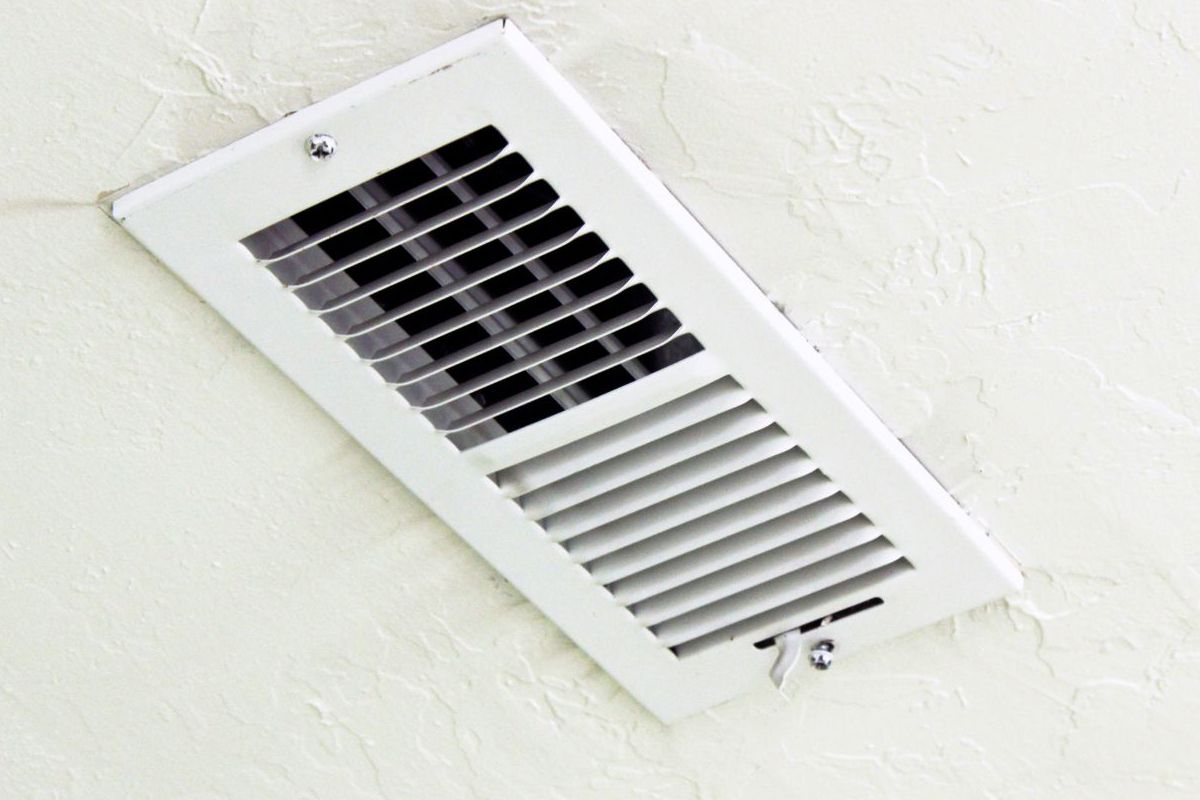
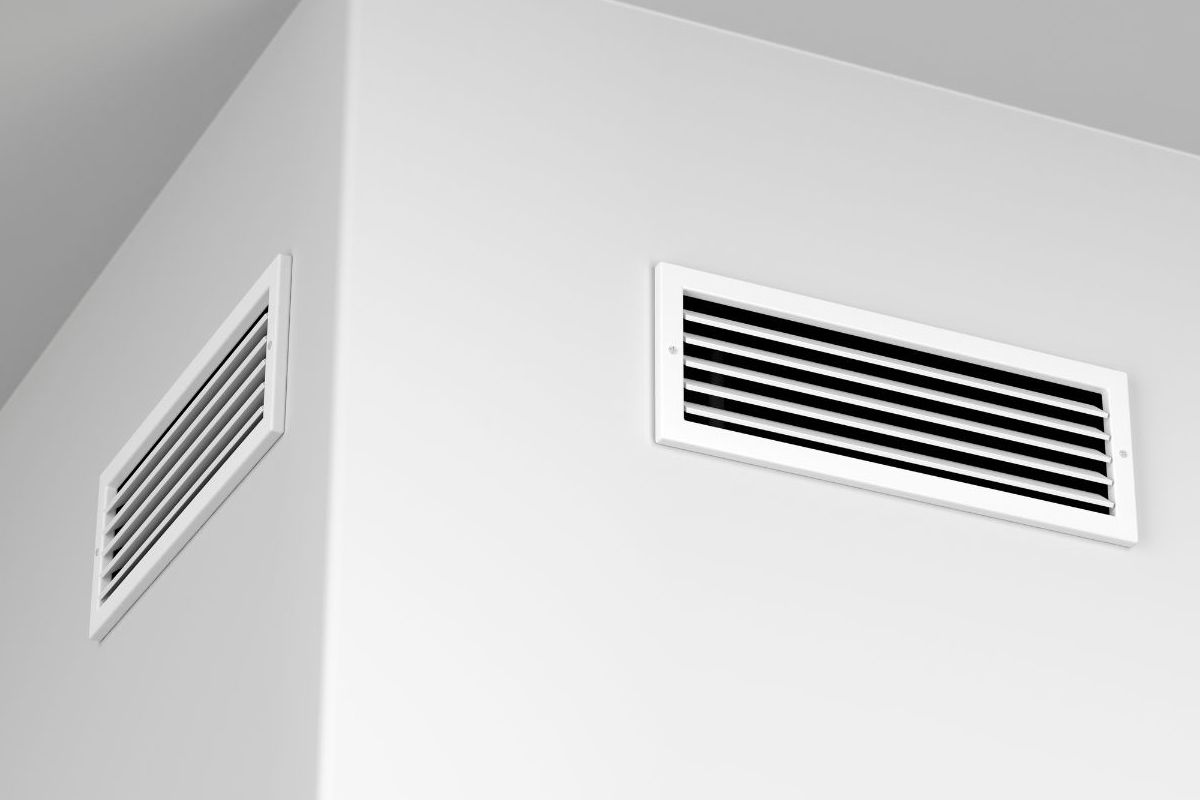
Many homeowners focus on supply vents because that is where they feel the cooled air, but return vents are often where the loudest “normal” HVAC sounds happen.
A return grille may sound loud because:
- it is pulling a lot of air
- it is located in a quiet hallway or central space
- it is undersized for the system
- nearby airflow conditions make the suction sound more obvious
This often sounds like:
- a low rushing noise
- a hollow air pull
- a stronger sound when walking past the return
- a noticeable change when doors open or close
In some homes, the HVAC system may seem loud mostly because of return-air sound, even though the supply side is fairly normal.
Closed doors can make HVAC noise more noticeable
Room pressure affects sound too.
If bedroom or office doors are closed and the room does not have strong return-air circulation, the airflow sound at the vent can become more noticeable. In some cases, you may also hear:
- more vent noise with the door shut
- pressure changes when the door opens
- a slight whooshing sound around the door gap
- louder return sound elsewhere in the house
This is not always a sign of damage. It can simply be a result of how air is moving through the space and how sound changes when rooms are closed off.
Vent placement can make normal airflow more obvious
Poor or awkward vent placement can also make a working system sound louder.
If a vent is positioned:
- close to a bed
- near a couch or seating area
- near a desk or workspace
- beside a hallway walking path
- close to a quiet corner of the room
then the airflow sound may feel much more intrusive even if it is technically normal.
The system may not actually be louder than average. The homeowner may just be hearing it more directly because of where the vent is located relative to daily living areas.
This is one reason some rooms feel noisier than others even when they are served by the same system.
Outdoor units can sound loud because of placement
Sometimes the “loud HVAC system” complaint is really about the outdoor condenser.
The condenser may seem loud even when functioning normally because it is:
- installed close to a window
- near a patio or outdoor seating area
- against a wall that reflects sound
- close to a bedroom wall
- located where vibration transfers more easily to the structure
A system placed near frequently used living areas will always be more noticeable than one farther from those spaces, even if both units are operating within a normal sound range.
For homeowners in Belleair, where outdoor living areas are used often, condenser placement can make a normal operating sound feel much more disruptive.
Hard surfaces inside the home can amplify system sound
The home itself also affects how loud the HVAC system seems.
Homes with:
- tile floors
- hard wall surfaces
- open layouts
- high ceilings
- little soft furnishing
- long hallways
often reflect sound more than homes with:
- carpet
- rugs
- heavier drapes
- soft furniture
- more acoustically absorbent finishes
This means the same HVAC system may seem louder in one home than another simply because the building carries and reflects sound differently.
A homeowner may think the system is unusually loud after a renovation, when the renovation may have changed the acoustics of the home more than the HVAC operation itself.
Stronger systems are often more noticeable during startup
Even when a system is operating properly, startup can be one of the loudest moments.
This is when homeowners often hear:
- the outdoor unit kick on
- a stronger burst of airflow
- a brief shift in duct or vent sound
- a light thump or click from normal cycling components
Single-stage systems in particular can sound more abrupt because they go from off to full operation quickly. That does not automatically mean anything is wrong. It may simply be the normal sound profile of that type of system.
A homeowner used to a more gradual or quieter older system may notice the startup on a replacement system even if it is functioning correctly.
Variable-speed systems can still sound loud for other reasons
Variable-speed systems are often quieter overall, but they can still seem loud if the rest of the system is not supporting them well.
For example, a variable-speed system may still create noticeable sound if it is connected to:
- restrictive ductwork
- poor return-air design
- undersized vents
- imbalance in airflow
- acoustically reflective room layouts
This is an important reminder that sound is not just about the equipment model. It is also about the airflow path and home conditions around it.
Normal expansion and contraction can create occasional sounds
Metal ductwork and equipment panels naturally expand and contract with temperature changes.
That can create:
- light ticking
- popping
- brief settling sounds
- mild duct movement noises
These sounds are often most noticeable:
- shortly after startup
- during cooling cycles after the system has been off
- when metal parts change temperature quickly
These sounds can be surprising, but they are not always signs of a defect. In many homes, they are simply part of normal HVAC operation.
Some loud systems are really balanced incorrectly
A system may seem loud even when cooling correctly because airflow is not balanced well.
This often causes:
- some vents to sound much louder than others
- one room to have much stronger air noise
- return sound that seems excessive in one area
- pressure-related airflow noise that feels out of proportion
The HVAC system may still be functioning, but balancing issues can make it far more noticeable.
This is especially common in homes where:
- certain rooms receive too much airflow
- return performance is weak
- duct design was never adjusted after a renovation or addition
- the system was replaced but the airflow distribution was not fully corrected
A homeowner in Belleair may replace an older AC system and notice right away that the new one sounds louder, especially in the hallway return and in the bedroom closest to the air handler. The system cools well, the thermostat works properly, and no mechanical fault is found.
During evaluation, the main reasons for the noise turn out to be:
- stronger airflow through undersized return paths
- high static pressure in the duct system
- a bedroom vent located close to the bed
- hard flooring and open hallway acoustics that make normal sound more noticeable
The HVAC system is working normally, but the home and duct layout are making that normal operation seem louder than expected.
Why this matters so much in Pinellas County
In Pinellas County, HVAC systems run often and for long periods, especially during warm and humid seasons. That means even normal system sound becomes part of the homeowner’s everyday experience much more than it might in a climate where the AC runs less often.
Homes in Belleair and surrounding areas also vary widely in:
- age
- duct design
- renovation history
- flooring and acoustics
- attic layout
- room additions and airflow changes
All of these factors can affect how loud a system seems, even when it is cooling correctly.
A complete system approach gives better answers
At Williams Air Solutions, we take a complete system approach because HVAC noise is not always about a broken part.
If a system seems loud, it is important to evaluate:
- airflow
- static pressure
- supply and return design
- duct condition
- vent placement
- outdoor unit placement
- home acoustics
- whether the noise is normal for that system or a sign of a developing issue
That helps separate a true repair concern from a comfort and sound issue that may be related to airflow design rather than equipment failure.
Some HVAC systems seem loud even when they are working normally because airflow, duct design, return-air setup, vent placement, outdoor unit location, and home acoustics can all make normal operation more noticeable. In many cases, the system is not failing. It is simply operating in a way the home makes easier to hear.
At Williams Air Solutions, we help homeowners in Belleair and throughout Pinellas County understand the full reasons their HVAC system may sound louder than expected. When the sound is evaluated as part of the complete system, it becomes much easier to tell whether the issue is normal operation, airflow-related discomfort, or something that truly needs repair.
Call
Williams Air Solutions at
(727) 353-0090 to
schedule AC service anywhere in Pinellas County.