Why Your AC May Cool Some Rooms But Not Others

One of the most frustrating HVAC problems for homeowners is when the air conditioner seems to be working, but comfort is uneven from room to room. The living room may feel fine while a back bedroom stays warm. One side of the house may cool down quickly while another never seems to catch up. In some homes, the thermostat reaches the set temperature, yet certain rooms still feel uncomfortable.
This is a common issue, and it does not always mean the AC unit itself is failing. In many cases, uneven cooling is caused by airflow problems, duct issues, attic conditions, thermostat placement, insulation differences, or room-specific heat gain. The system may be producing cool air, but that air is not being delivered or managed evenly throughout the home.
For homeowners in Pinellas County, Florida, this matters even more because long cooling seasons, strong sun exposure, attic heat, and high humidity can make room-to-room comfort problems more noticeable. Understanding the cause of uneven cooling is the first step toward fixing it properly.
Uneven Cooling Usually Starts With Airflow
The most common reason some rooms cool while others do not is uneven airflow.
Your air conditioner may be creating enough cooled air, but if the airflow is not balanced through the duct system, certain rooms will receive more conditioned air than others. Rooms closer to the air handler may cool quickly, while rooms farther away may get less airflow and stay warmer.
This can happen because of:
- poor duct design
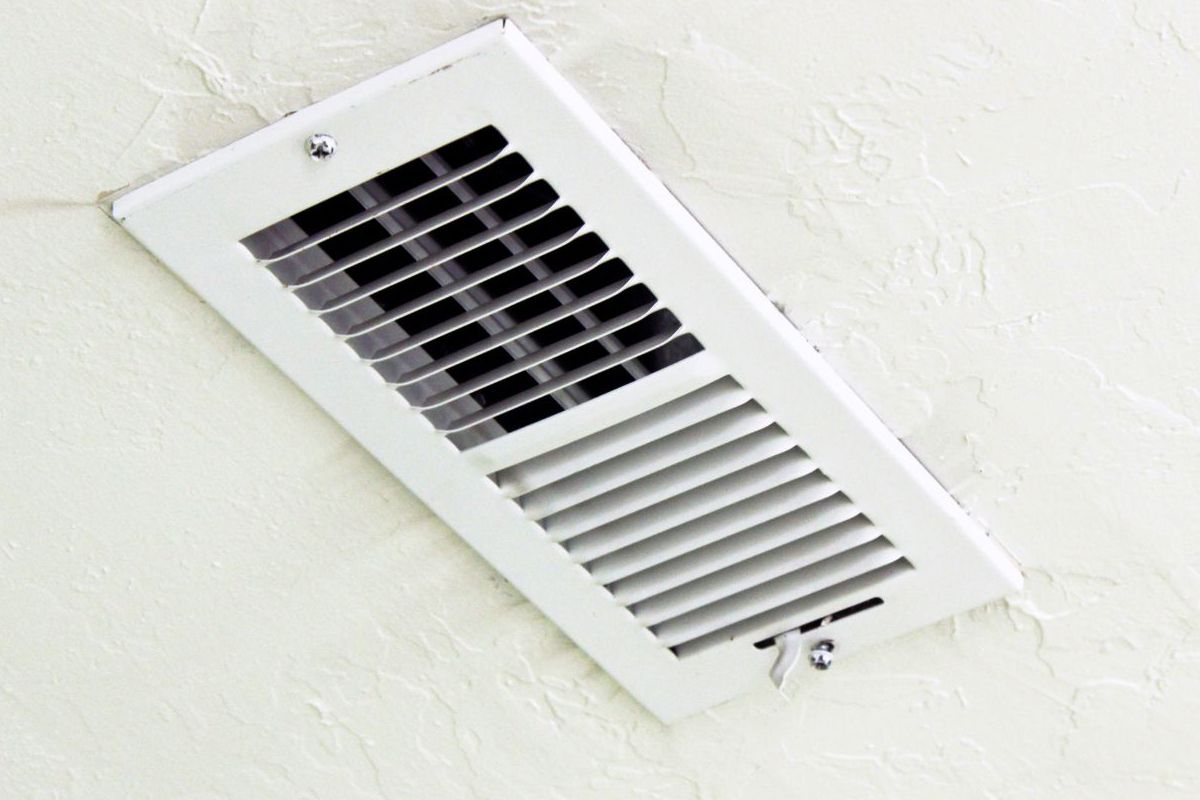
- partially blocked vents
- weak return airflow
- dirty filters
- blower performance issues
- leaks in attic ductwork
A homeowner in Belleair may assume the warmer room has a bigger heat problem, when the real issue is that not enough cooled air is reaching that part of the house.
Blocked or Closed Supply Vents Can Reduce Cooling to Specific Rooms
Sometimes the problem starts with something simple. A supply vent may be blocked by furniture, curtains, rugs, or room layout changes.
If cooled air cannot move freely into the room, that room will not receive the airflow it needs to stay comfortable. In some homes, homeowners or previous occupants may have also partially closed vents, thinking it would save energy or redirect air more effectively. In reality, closing vents can throw off airflow balance and reduce comfort in the home.
A room that feels warm may not have a system problem at all. It may simply not be getting full airflow because the vent is obstructed or not fully open.
Dirty Air Filters Can Create Uneven Room Comfort
A dirty air filter affects the whole system, but the comfort problems often show up unevenly first.
As the filter becomes more restrictive, airflow drops throughout the home. Rooms that already had longer duct runs, weaker airflow, or more heat exposure may be the first to feel the difference. That is why homeowners often say one room is hot while others are still acceptable. The filter issue reduces overall airflow, and the most vulnerable rooms show the problem first.
This can lead to:
- weaker airflow at distant vents
- back bedrooms staying warmer
- less consistent cooling in the afternoon
- longer run times without balanced comfort
A clogged filter is one of the easiest issues to overlook, but it can absolutely contribute to some rooms cooling better than others.
Duct Leaks Can Steal Air Before It Reaches Certain Rooms
Duct leakage is one of the biggest hidden causes of uneven cooling.
If ducts are leaking in the attic or another unconditioned space, some of the air meant for the room is escaping before it gets there. That means the AC system is still running and producing cooled air, but part of it is being lost along the way.
This is especially common in Florida attics, where ductwork may deal with:
- age-related wear
- loose connections
- insulation damage
- heat exposure
- poor sealing from older installations
A homeowner in Pinellas County may notice that one bedroom stays warm all summer even though the system seems to run constantly. In many cases, the issue is not the AC unit size. It is that the air serving that room is leaking out before it ever reaches the vent.
Some Rooms Naturally Gain More Heat Than Others
Not every room in a house experiences the same heat load.
Rooms may get warmer because they have:
- more afternoon sun
- larger windows
- west-facing exposure
- higher ceilings
- less shade outside
- less insulation above or around them
This is very common in Florida homes. A room on the sunny side of the house may naturally gain more heat during the day than an interior bedroom or a shaded front room. If the HVAC system and duct layout are not balanced correctly for those conditions, that room will stay warmer.
For example, a back bedroom in Belleair with west-facing windows may feel noticeably hotter in the late afternoon even though the rest of the house seems reasonably comfortable. The AC may not be broken. That room may simply be dealing with greater heat gain than the rest of the home.
Attic Conditions Can Affect Specific Rooms More Than Others
Attic heat plays a major role in room comfort, especially in Florida.
If a room sits directly beneath a very hot attic and insulation is lacking, that room may gain heat faster than the AC can remove it. Even with a properly working system, the room may struggle to stay as cool as the rest of the house.
Attic-related causes of uneven cooling include:
- low or uneven insulation
- ductwork exposed to extreme attic heat
- air leaks around ceiling penetrations
- poor attic ventilation in some cases
- duct insulation problems
This is one reason upper-floor rooms and edge rooms often feel warmer than central parts of the home. The heat load above them is simply more intense.
Thermostat Placement Can Cause Some Rooms to Be Left Behind
The thermostat controls the system based on the temperature where it is installed, not based on every room in the house.
If the thermostat is in a cooler part of the home, such as a hallway near a supply vent or away from sun exposure, it may satisfy before warmer rooms reach the desired temperature. That means the system shuts off while those rooms are still uncomfortable.
This often happens when:
- the thermostat is close to a supply vent
- it is on an interior wall that stays cooler
- it is placed far from the warmest rooms
- the home has split comfort zones but only one thermostat
A homeowner may feel frustrated that the thermostat says 74 degrees while the back bedroom clearly does not feel like 74. In many cases, that is because the thermostat is reading its own area accurately, but that area does not reflect the warmest part of the house.
Return Air Problems Can Reduce Room Comfort
Supply air gets most of the attention, but return air matters too.
Each room needs air to circulate properly. If the return side of the system is weak, blocked, or poorly designed, some rooms may not move air effectively. That can leave them feeling warmer, stuffier, or more humid.
Return-air-related issues can include:
- blocked return vents
- poor return placement
- closed interior doors affecting circulation
- inadequate return sizing
- pressure imbalances in certain parts of the home
For example, a bedroom with the door closed for long periods may not circulate air as effectively if return design is limited. That room may stay warmer even though cool air is technically being supplied.
Blower Performance Can Affect Farther Rooms First
If the blower assembly is dirty or the blower motor is weakening, the system may not move enough air through the ductwork. When that happens, the rooms at the end of the duct runs often show the problem first.
This is because they need stronger airflow to receive the same cooling as rooms closer to the air handler. If blower performance drops, the closer rooms may still feel acceptable while the farther rooms become noticeably warmer.
That can make homeowners think the issue is isolated to one room when the real cause is reduced airflow across the whole system.
Duct Design May Have Been Wrong From the Start
Sometimes the problem is not something that changed. It is something that was never designed well in the first place.
Poor duct design can include:
- supply runs that are too long
- undersized ducts
- weak airflow to certain branches
- poor return layout
- bad register placement
- unbalanced delivery to rooms with higher heat load
In these cases, a room may have always been harder to cool, but the issue becomes more obvious as the system ages or as Florida heat puts more pressure on the home.
A homeowner might say, "That room has never been as cool as the rest of the house." That is a strong sign the issue may be rooted in design, not a sudden equipment failure.
Humidity Can Make Some Rooms Feel Warmer Even When Temperatures Are Close
In Florida, some rooms may not actually be much hotter in temperature, but they feel warmer because of humidity differences.
If airflow is weaker in one area or that room has more heat gain, it may also feel:
- more damp
- less comfortable
- heavier in the afternoon
- slower to cool back down after sun exposure
This matters because comfort is not only about thermostat temperature. A room with slightly higher humidity will often feel much warmer than another room at nearly the same temperature.
That is one reason homeowners often describe uneven cooling in terms of how the room feels, not just what the thermostat says.
Older Windows and Insulation Gaps Can Make Certain Rooms Harder to Cool
Rooms with older windows, poor sealing, or insulation gaps often lose cooled air faster and gain heat more easily. That makes them more difficult for the HVAC system to keep comfortable.
Common contributors include:
- drafty windows
- poor weather sealing
- thin insulation
- wall insulation gaps
- sun exposure without shading
- older glass with poor heat resistance
In some cases, the HVAC system is doing everything it reasonably can, but the room itself is allowing too much heat in. When that happens, the solution may involve more than HVAC adjustments alone.
Why Some Rooms Stay Warmer
A homeowner in Belleair may notice that the front living area cools normally, but the back bedrooms stay warmer every afternoon. The AC system runs, the thermostat reaches the set point, and the airflow seems decent in the main part of the house.
During inspection, the technician finds a combination of issues:
- a dirty filter reducing overall airflow
- attic duct leakage affecting the back bedrooms
- strong afternoon sun hitting those rooms
- thermostat placement in a cooler hallway
None of these issues alone fully explains the complaint. Together, they clearly explain why the system cools some rooms better than others.
That is common in real homes. Uneven cooling usually has more than one contributing factor.
Why This Matters So Much in Pinellas County
In Pinellas County, air conditioning systems deal with long cooling seasons, strong sun, attic heat, and high indoor humidity. Those conditions make room-to-room comfort problems more noticeable than they might be in milder climates.
Homes in Belleair and surrounding communities often rely on steady cooling not just for temperature control, but also for moisture management and daily comfort. When one part of the house is getting less airflow, more heat gain, or weaker humidity control, it tends to become obvious quickly.
That is why uneven cooling should not be brushed off as normal. It often points to a real system or home-performance issue that can be improved.
Your AC may cool some rooms but not others because of airflow imbalances, dirty filters, duct leaks, poor duct design, thermostat placement, attic heat, insulation differences, return air problems, or room-specific sun exposure. In many cases, the system is still producing cooled air, but the home is not receiving or managing that air evenly.
At Williams Air Solutions, we take a complete system approach to diagnosing uneven cooling for homeowners in Belleair and throughout Pinellas County. That means looking at the equipment, airflow, ductwork, thermostat setup, and home conditions together so the real cause can be identified and corrected. When the full system is evaluated properly, room-to-room comfort usually starts making much more sense.
Call Williams Air Solutions at (727) 353-0090 to schedule AC service anywhere in Pinellas County.