Why Proper Return Vent Placement Matters More Than Most Homeowners Realize
When homeowners think about HVAC airflow, they usually focus on the vents blowing cool air into the rooms. That makes sense. Supply vents are the part of the system you can feel. But the return side of the system is just as important, and in many homes, it is one of the most overlooked reasons comfort and efficiency problems develop.
Proper return vent placement affects how well air circulates through the home, how evenly rooms cool, how hard the system has to work, and how effectively humidity is controlled. If return vents are poorly placed, undersized for the home’s layout, or not supporting certain parts of the house well, the HVAC system can struggle even when the equipment itself is working normally.
For homeowners throughout Pinellas County, this matters even more because Florida homes place heavy demand on cooling systems for much of the year. Long cooling seasons, high humidity, hot attic conditions, and strong afternoon heat make airflow design more important than many people realize. When return vent placement is weak, those local conditions often turn a hidden airflow issue into an obvious comfort problem.
What a return vent actually does
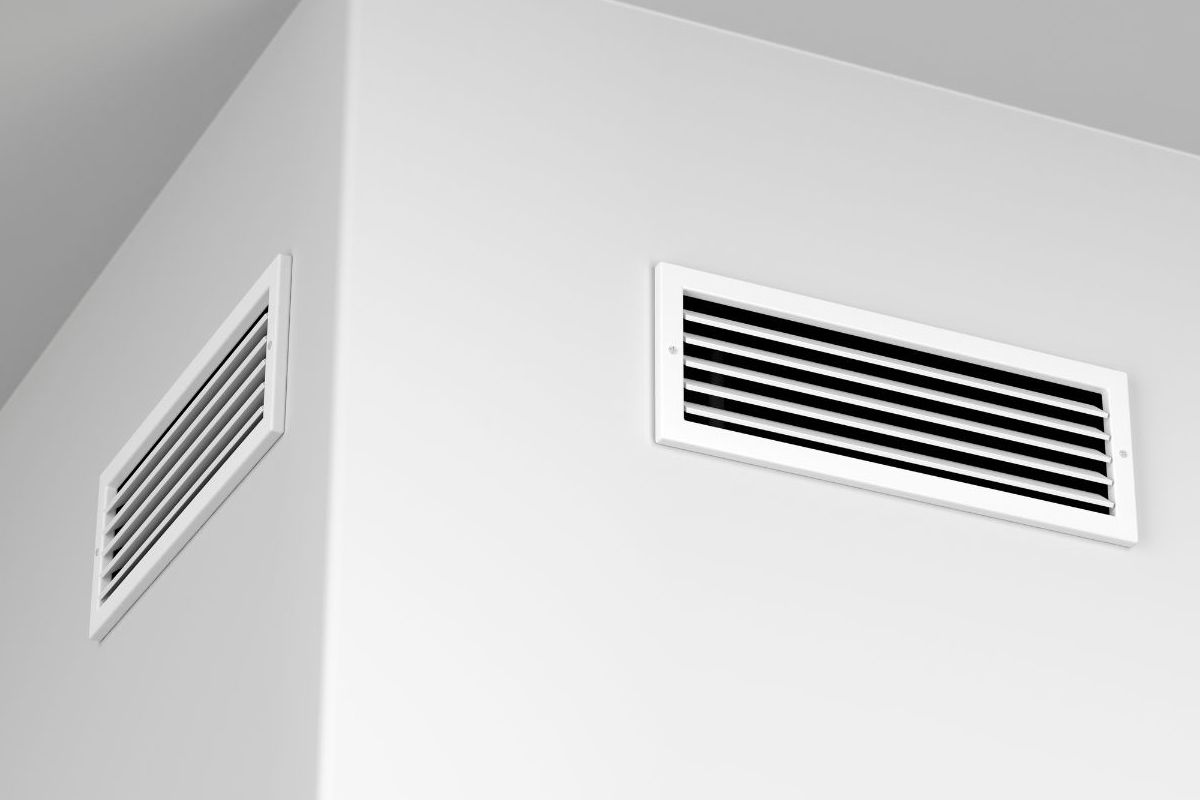
A return vent is the part of the HVAC system that pulls indoor air back to the air handler so it can be filtered, cooled, and sent back through the supply side of the system.
That means the HVAC process is a loop:
- supply vents deliver conditioned air into the home
- return vents pull indoor air back out
- the system cools and circulates that air again
If supply air is what pushes comfort into the room, return air is what allows the system to keep that process going smoothly.
Without effective return airflow, the system cannot move air through the house the way it was designed to. It may still run, but it often does so less efficiently and with less balanced comfort.
The system can only move as much air as it can pull back
One of the biggest misconceptions homeowners have is that HVAC airflow is mainly about how much cool air blows out of the vents.
In reality, the system can only deliver air effectively if it can also pull enough air back in through the return side. If return vent placement is poor, the system may have trouble drawing air from certain parts of the home. That affects:
- airflow volume
- room-to-room comfort
- humidity control
- overall system efficiency
- blower workload
- how long the system has to run
A homeowner in Belleair may feel like one room never gets enough cooling, even though the supply vent is open and blowing. In many cases, the deeper issue is that the room is not supported by strong enough return airflow, so circulation is weak and the room never conditions properly.
Poor return placement can create pressure imbalance
When return vents are not placed well, parts of the home can develop pressure imbalances.
This often happens when a room receives supply air but does not have an effective path for that air to circulate back toward the return side of the system. As air is pushed into the room, pressure can build if it has nowhere to go.
This can lead to:
- rooms feeling stuffy
- weaker comfort with doors closed
- more noticeable airflow changes when doors open or close
- less even cooling throughout the house
- air being forced into unwanted leakage paths
This is especially common in bedrooms, offices, and additions where the room can become more isolated from the rest of the airflow pattern.
A homeowner may notice that a bedroom feels much more comfortable with the door open than with it closed. That is often a sign that return airflow or return vent placement is not supporting the room properly.
Return vent location affects how evenly the home cools
Proper return placement helps the HVAC system pull air from areas of the home that reflect real comfort conditions. Poor placement can leave the system “blind” to certain parts of the house.
For example, if the return is located mostly in a cooler central hallway while:
- the warmest bedrooms are farther away
- one side of the home gets stronger afternoon sun
- an addition has a different heat load
- a bonus room sits over a garage
then the system may circulate air unevenly and satisfy the thermostat before those warmer areas are truly comfortable.
This can create common complaints such as:
- one room always staying warmer
- one side of the house never feeling right
- the thermostat being satisfied while parts of the home still feel uncomfortable
- some rooms feeling humid even though the system is running
The issue may not be the AC unit at all. It may be that return vent placement is not helping the system “see” and circulate air from the right parts of the home.
Return vents help support humidity control
In Florida, HVAC comfort is not just about temperature. Humidity control is a major part of how the home actually feels.
Proper return airflow helps the system circulate indoor air effectively across the evaporator coil, where both heat and moisture are removed. If return vent placement is poor, air circulation in certain areas can suffer, which often means:
- weaker dehumidification in problem rooms
- rooms feeling sticky or heavy
- uneven comfort between spaces
- more thermostat adjustments without real improvement
A home in Pinellas County can technically reach the thermostat setting and still feel uncomfortable if return airflow is not helping the system move and condition air evenly.
This is one reason homeowners sometimes think they have a cooling problem when the real issue is that return design is allowing humidity to stay trapped in parts of the home.
Poor return placement can make the blower work harder
The blower motor depends on a good airflow path. If return vents are poorly placed, undersized, or not supporting the house layout well, the blower may have to work harder to pull air through the system.
That can contribute to:
- reduced airflow
- higher static pressure
- more noticeable system strain
- louder return-air noise
- reduced efficiency over time
- added wear on airflow-related components
The system may still cool, but it may do so under less healthy operating conditions.
This is one reason return vent placement is not just a comfort issue. It can affect the long-term workload placed on the equipment itself.
Older homes often have return-air limitations
Many older homes in Belleair and throughout Pinellas County have hidden return-air design weaknesses.
These homes may have:
- too few return vents
- returns located only in central areas
- room additions added without return improvements
- layouts that changed over time while the return system stayed the same
- HVAC systems upgraded without rethinking return placement
The result is often a house that seems to have enough supply air but still feels uneven, stuffy, or humid in certain rooms.
Older homes are especially vulnerable because they were often built around older comfort standards or have been modified over time without a full HVAC airflow redesign.
Renovations and additions can make return placement worse
A home renovation can easily turn an acceptable return layout into a poor one.
For example:
- walls may be removed, changing airflow paths
- a bonus room may be added without proper return planning
- a porch may be enclosed and tied into the existing system
- a garage conversion may add conditioned space without stronger circulation
- room usage may shift in ways that change where heat and airflow matter most
If return placement is not updated to match those changes, the home may begin developing comfort complaints that did not exist before.
A homeowner may assume the system became weaker after the renovation. In reality, the return side may simply no longer support how the house now functions.
Closed interior doors reveal return-air problems quickly
One of the clearest signs of poor return vent support is what happens when doors are closed.
If a room becomes:
- stuffier
- warmer
- less comfortable
- harder to cool
- more humid
with the door closed, that often means the room does not have a strong enough return-air path.
This is very common in:
- bedrooms
- home offices
- guest rooms
- nurseries
- converted rooms
The HVAC system may work reasonably well when the whole house is open, but once normal daily living starts and doors close, the weak return-air design becomes much more obvious.
This is one reason proper return vent placement matters so much in real-world comfort. The system has to support how people actually live in the home, not just how the house feels with every room open.
Return vents can affect how loud the system feels
Return placement also influences sound.
If the return is too close to key living areas or is undersized for the amount of air it is pulling, homeowners may hear:
- a loud rushing sound
- stronger suction noise
- more noticeable airflow in hallways
- changes in sound when doors close
Sometimes homeowners think the HVAC equipment itself is too loud when the real issue is return-air placement and airflow concentration.
This is another example of how the return side affects more than most homeowners expect. It influences not just comfort, but also how the system feels to live with day to day.
More return vents is not always the answer, but the right placement matters
It is important to understand that proper return design is not just about adding more vents randomly. It is about making sure return air is placed where it supports the home’s actual layout, heat patterns, and airflow needs.
Good return placement considers:
- the size and layout of the home
- where rooms tend to gain more heat
- how air moves with doors open and closed
- whether additions or bonus rooms need better support
- where the warmest zones of the house are
- whether the current returns help the system circulate air evenly
In some homes, the problem is not the number of return vents alone. It is that their placement no longer fits how the home is used or how the house handles heat and humidity.
A homeowner in Belleair may complain that the back bedrooms always feel warmer and more humid than the rest of the house, especially with the doors closed at night. The supply vents in those rooms are open and blowing cool air, so it seems like the AC should be doing its job.
During evaluation, the main issue turns out to be return-air design. The home has a central hallway return that works reasonably well for the front and main living areas, but the back bedrooms have weak return circulation when closed off from the rest of the home. Air is being supplied, but it is not circulating back effectively.
That is a common example of why proper return vent placement matters. The equipment may be fine, but the airflow loop through the home is incomplete where it matters most.
Why this matters so much in Pinellas County
In Pinellas County, homes face:
- long cooling seasons
- high humidity
- strong afternoon sun
- hot attic conditions
- frequent AC runtime
- greater need for balanced air circulation and moisture control
That means return-air problems usually become more noticeable than they might in a cooler or drier climate. A room with weak return support in Florida often feels warmer and more humid faster because the cooling system is under heavier and more frequent demand.
For homeowners in Belleair and surrounding areas, return vent placement can be one of the hidden reasons the home never feels quite as comfortable as it should.
A complete system approach leads to better answers
At Williams Air Solutions, we take a complete system approach because airflow issues are rarely only about one supply vent or one thermostat setting.
If a home has uneven comfort, humidity issues, stuffy rooms, or airflow complaints, it is important to evaluate:
- return vent placement
- supply airflow
- duct condition
- room pressure balance
- thermostat location
- attic and insulation factors
- room-by-room heat gain
- overall system airflow design
This helps identify whether the issue is truly equipment-related or whether the return side of the system is quietly limiting how well the HVAC system can perform.
Proper return vent placement matters more than most homeowners realize because it affects airflow, room-to-room comfort, humidity control, pressure balance, system strain, and how evenly the home cools overall. When return vents are poorly placed or not supporting the layout of the home well, the AC system may still run but struggle to deliver the comfort and efficiency homeowners expect.
At Williams Air Solutions, we help homeowners in Belleair and throughout Pinellas County identify the real causes behind inconsistent cooling so the problem can be corrected before it becomes a full no-cooling emergency.
Call
Williams Air Solutions at
(727) 353-0090 to
schedule AC service anywhere in Pinellas County.