How Airflow Problems Lead to Expensive HVAC Repairs
When homeowners and business owners think about HVAC problems, they often focus on the equipment itself. They may assume the issue is a bad capacitor, a failing compressor, low refrigerant, or an aging thermostat. In many cases, though, the problem starts much earlier with poor airflow.
Airflow is one of the most important parts of HVAC system performance. Your system is designed to move a specific amount of air across the evaporator coil, through the ductwork, and into the living or working space. When that airflow is restricted, the system has to work harder to do its job. That extra strain can affect multiple components at once, eventually leading to repairs that are far more expensive than the original airflow issue.
In Pinellas County, where air conditioning systems often run for long stretches in hot and humid conditions, airflow problems can become costly faster than many property owners realize. What starts as a small restriction can eventually lead to frozen coils, blower damage, compressor stress, poor humidity control, and shortened system life.
Understanding how airflow problems develop and what they can lead to helps property owners make better maintenance decisions before minor issues turn into major HVAC repairs.
Why Proper Airflow Matters in an HVAC System
Your HVAC system does not just cool air. It conditions and circulates air throughout the property. That process depends on balanced airflow.
When airflow is correct, the system can:
- move enough air across the evaporator coil
- remove heat efficiently
- control indoor humidity more effectively
- maintain stable temperatures from room to room
- complete cooling cycles without unnecessary strain
When airflow drops below what the system needs, performance suffers. The equipment may still run, but it no longer operates under normal conditions. That is where repair risks begin.
A homeowner in Belleair may notice that the house is still cooling, just not as evenly or as quickly as it used to. A business owner may notice certain rooms staying warmer than others in the afternoon. Those may seem like comfort issues on the surface, but they are often early warnings of airflow restrictions that are already affecting the system internally.
Dirty Air Filters Are a Common Starting Point
One of the most common causes of poor airflow is a dirty air filter. This sounds basic, but it is one of the biggest reasons HVAC systems experience unnecessary strain.
When the filter becomes clogged with dust, pet hair, and debris, less air can pass through the system. That reduced airflow affects how the indoor coil performs and can cause the system to run longer than it should.
Many homeowners do not realize how quickly this can become expensive. A heavily restricted filter can contribute to:
- frozen evaporator coils
- blower motor overwork
- higher energy use
- poor indoor comfort
- extra wear on the compressor
A service call that starts with a frozen system may trace back to something as simple as a neglected filter. But by the time the problem is discovered, the system may already be dealing with additional wear that increases the risk of further repairs.
Blocked Return Vents Can Create System Strain
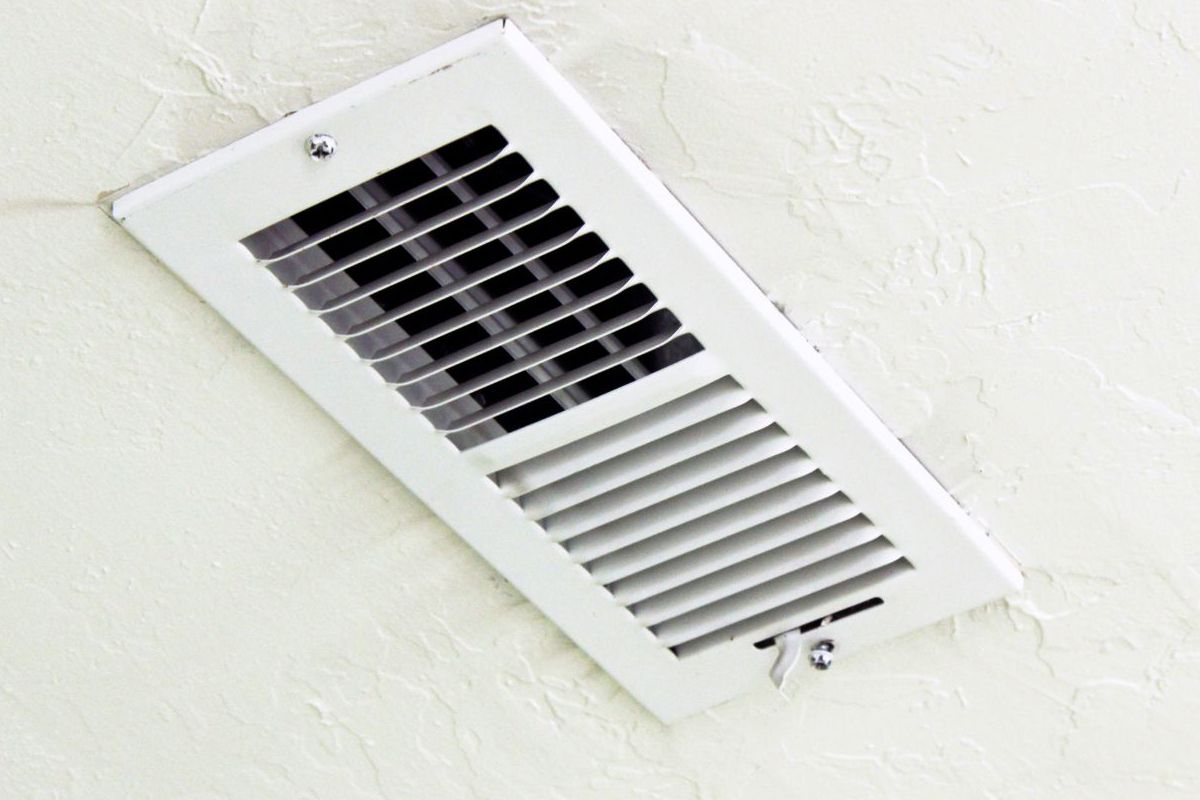
Return airflow is just as important as supply airflow. If the system cannot pull enough air back in, circulation becomes imbalanced.
This is more common than many property owners think. Return vents are often blocked by furniture, storage items, curtains, or wall décor. In homes, it may be a couch pushed against a return grille or boxes stacked in a hallway closet area. In commercial spaces, it may be shelving, displays, or office furniture interfering with airflow.
When return air is restricted, the blower has to work harder to pull air through the system. That can reduce overall efficiency and place added stress on the blower motor and other internal components.
This kind of problem may not create an immediate breakdown, but it can quietly shorten the life of the equipment while making the space less comfortable.
Dirty Evaporator Coils Reduce Airflow and Cooling Performance
The evaporator coil is responsible for absorbing heat from indoor air. For that process to work properly, enough air has to move across the coil surface. When airflow is already restricted, dirt and moisture can build up on the coil more easily, making the problem worse.
A dirty evaporator coil can reduce cooling capacity, lower efficiency, and contribute to freezing. Once the coil begins to ice over, airflow drops even more. At that point, the system may stop cooling properly altogether.
This often leads to service calls during the hottest part of the year, when the equipment is under the most demand. A homeowner may think the AC just suddenly stopped working, but the actual problem may have been building for weeks through restricted airflow and coil contamination.
Cleaning or servicing an evaporator coil is far more involved than replacing a filter. If the issue is ignored long enough, related parts may also be affected, turning a maintenance issue into a larger repair.
Ductwork Problems Can Cause Hidden Airflow Loss
Not all airflow problems start at the unit itself. In many homes and commercial buildings, the duct system is where conditioned air is being lost.
Leaks, crushed duct sections, disconnected runs, poor duct design, and damaged insulation can all reduce how much air actually reaches the occupied space. That means the system may be working hard, but the building still does not feel comfortable.
In Pinellas County, this is especially common in attic spaces where ducts are exposed to heat, humidity, and wear over time. A small leak may not seem serious, but if cold air is escaping into the attic or unconditioned areas, the HVAC system has to run longer to compensate.
That longer run time increases wear on motors, capacitors, contactors, and compressors. The equipment itself may not have failed first. It may simply be responding to poor airflow conditions created by damaged or leaking ductwork.
Closed or Obstructed Supply Vents Can Affect System Balance
Some homeowners close vents in unused rooms because they assume it will save energy. In reality, that can create pressure imbalances and reduce the airflow the system was designed to handle.
Supply vents can also become obstructed by rugs, furniture, curtains, or room layout changes. When that happens, conditioned air cannot move into the space properly, and the system may struggle to maintain balance throughout the home or building.
Over time, this can affect static pressure in the duct system and place more stress on the blower assembly. If enough vents are closed or blocked, the airflow restriction can lead to the same kinds of performance issues seen with dirty filters and clogged coils.
This is one of those problems that often seems harmless to the property owner but can contribute to expensive repairs over time.
Blower Motor Damage Often Starts With Airflow Restriction
The blower motor is responsible for moving air through the HVAC system. When airflow is restricted, the motor may have to operate under more difficult conditions for longer periods.
That added strain can increase heat buildup, reduce efficiency, and shorten motor life. In some cases, the blower wheel also becomes dirty, further reducing airflow and compounding the problem.
A homeowner may not notice a blower issue until airflow becomes weak from the vents or the system begins making unusual noises. At that point, the motor may already be worn or damaged.
Replacing blower components is far more expensive than addressing the original causes of restricted airflow. This is why early detection matters. The airflow issue is often the first problem, even if the motor ends up being the part that fails.
Frozen Coils Can Lead to Bigger Repair Bills
One of the clearest examples of how airflow problems create larger repairs is a frozen evaporator coil.
When not enough warm indoor air passes over the coil, the coil temperature can drop too low and begin to freeze. Ice buildup blocks airflow even more, which worsens the situation. Eventually the system may stop cooling, leak water as the ice melts, or shut down completely.
A frozen system is not always caused by one issue alone, but airflow restriction is one of the most common contributors. Dirty filters, blocked returns, blower problems, and duct issues can all play a role.
The danger is that repeated freezing can put stress on the compressor. If the compressor becomes damaged, the repair cost rises significantly. What began as an airflow problem may now involve one of the most expensive components in the entire system.
Poor Airflow Can Cause the Compressor to Work Harder
The compressor is one of the most critical and expensive parts of an HVAC system. When airflow is poor, the system’s heat transfer process becomes less efficient. That can lead to longer run cycles and more strain on the compressor as it tries to keep up with cooling demand.
In Florida, where AC systems are already working hard for much of the year, that extra strain matters. A system dealing with restricted airflow in July or August in Pinellas County may run almost constantly during peak afternoon heat. That puts additional pressure on the compressor and raises the risk of failure.
A compressor replacement is one of the repairs property owners want to avoid most. In many cases, the warning signs started much earlier with uneven cooling, weak airflow, and neglected maintenance.
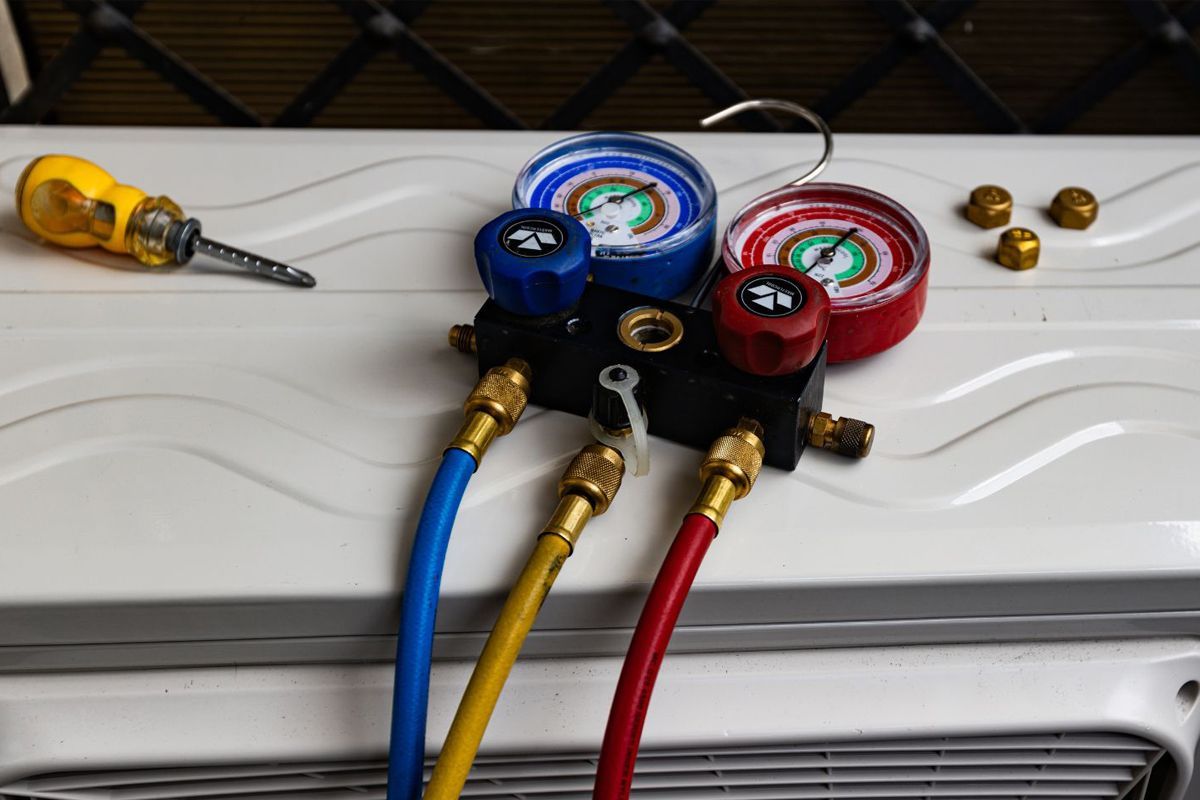
High Static Pressure Can Damage Multiple Components
High static pressure is a common result of airflow restriction. This happens when the system has too much resistance in moving air through the ductwork and equipment.
High static pressure can affect:
- blower motors
- blower wheels
- duct connections
- evaporator coil performance
- overall system efficiency
It can also make rooms feel stuffy or unevenly cooled, even when the thermostat is set correctly. The problem is that many property owners do not know static pressure is an issue until a technician measures it during an inspection.
This is one reason professional HVAC maintenance and diagnostics are so important. The system may appear to be running, but the internal operating conditions may already be causing wear that will lead to repairs later.
Poor Airflow Also Affects Humidity Control
In Florida homes and businesses, humidity control is a major part of indoor comfort. Poor airflow can interfere with the system’s ability to remove moisture properly.
When that happens, the indoor environment may feel damp or sticky even if the thermostat shows the desired temperature. Property owners sometimes respond by lowering the thermostat further, which increases run time and operating strain.
This can lead to a cycle where the system works harder, comfort remains inconsistent, and equipment wear continues to increase. The property owner may think they have a cooling problem when in reality the system is dealing with an airflow issue that is affecting both temperature and humidity control.
How a Small Airflow Issue Becomes a Bigger Repair
A homeowner in Pinellas County may ignore a dirty filter for too long during the summer. Airflow drops, the evaporator coil starts to freeze, and the system runs longer each day trying to cool the home. The homeowner notices weak airflow from the vents but assumes the unit just needs a little time to catch up.
Eventually the system stops cooling entirely. A technician arrives and finds a frozen coil, heavy filter restriction, and added wear on the blower motor from extended strain. What could have been handled with basic maintenance now involves a more expensive service visit and a greater chance of future component failure.
The same pattern happens in commercial settings. A blocked return, neglected maintenance, or leaking duct section may go unnoticed until comfort complaints become serious. By then, the repair is often larger than it needed to be.
How to Prevent Airflow Problems Before They Lead to Repairs
Preventing expensive airflow-related HVAC repairs starts with paying attention to the system as a whole.
Property owners should:
- replace filters on schedule
- keep supply and return vents open and unobstructed
- schedule regular professional maintenance
- address uneven cooling or weak airflow early
- have ductwork inspected when comfort problems persist
- avoid ignoring longer run times and humidity issues
Small symptoms are often the first sign that airflow is not where it should be. Acting early usually costs less than waiting until a major component is affected.
Why a Complete System Inspection Matters
Airflow problems are not always obvious from the outside. A system can still turn on and cool part of the property while dealing with internal strain that is gradually leading to damage.
That is why a complete system approach matters. At Williams Air Solutions, airflow is not treated as a minor issue. It is a core part of how the system operates, how comfortable the property feels, and how long the equipment is likely to last.
Whether the issue is related to a clogged filter, dirty coil, blocked return, duct leak, blower problem, or pressure imbalance, finding it early can help prevent larger repair bills later.
Airflow problems are one of the most overlooked causes of expensive HVAC repairs. What starts as a minor restriction can create strain across the entire system, affecting cooling performance, energy use, humidity control, and long term equipment reliability.
For homeowners and businesses in Belleair and throughout Pinellas County, identifying airflow issues early can help prevent frozen coils, blower damage, compressor stress, and unnecessary repair costs. At Williams Air Solutions, we take a complete system approach to HVAC service so we can find the source of the problem and help keep your equipment operating the way it should.
Call Williams Air Solutions at (727) 353-0090 to schedule AC service anywhere in Pinellas County.