Why Proper HVAC Design During Construction Prevents Costly Remodeling Later.
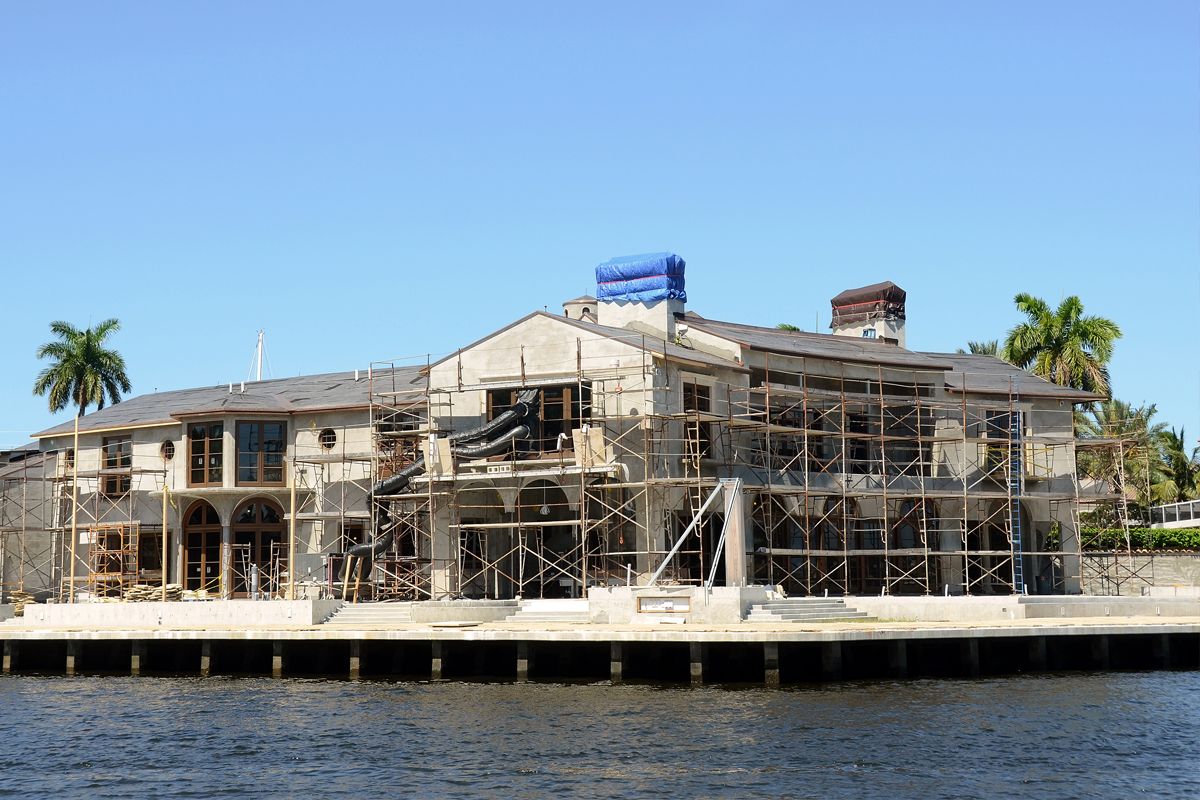
HVAC systems in Florida work under demanding conditions — long summers, high humidity, salt-air corrosion, and year-round operation. When a new home is built without the right HVAC design, comfort problems later are almost guaranteed.
Sadly, many Florida homeowners discover airflow issues, uneven temperatures, and high electric bills only after moving into a beautiful new home. Fixing those problems later often requires expensive remodeling: tearing into drywall, redesigning ductwork, relocating equipment, or installing a second system to compensate for poor planning.
At Williams Air Solutions, we help builders and homeowners design HVAC avoid those headaches through proper HVAC design during construction. Here’s why the design stage is the best — and cheapest — time to get HVAC decisions right.
1. Correct Sizing Eliminates the Need for Future Rebuilds
When HVAC system size is chosen by guesswork instead of professional load calculation, the results are almost always expensive later.
Common outcomes:
- Undersized systems run nonstop and still can’t cool the home
- Oversized units short-cycle and fail to remove humidity
- Homeowners replace equipment years early
Proper Manual J load calculations during construction prevent costly replacements later.
2. Duct Layout Design Prevents Major Energy Loss
Poor duct planning is one of the biggest reasons Florida homeowners remodel HVAC systems.
Typical mistakes seen after construction:
- Long, inefficient duct runs
- Restricted airflow
- Return air imbalance
- No dedicated return paths in bedrooms
Fixing these issues can require:
- Opening ceilings
- Reworking entire duct trunks
- Adding returns
- Expanding mechanical closets
Designing ductwork correctly during construction eliminates those invasive projects.
3. Proper Equipment Placement Reduces Noise Complaints
Once the drywall goes up, condenser and air handler placement becomes permanent.
If placement is rushed or poorly planned, homeowners may deal with:
- Loud equipment near bedrooms
- Vibrations in living areas
- Difficult service access
- Condensation dripping hazards
Correct placement planning during construction:
- Minimizes sound transmission
- Improves service access
- Reduces vibration
- Extends equipment life
Moving equipment later is expensive and disruptive.
4. Zoning Decisions Must Be Made Early
Large Florida homes are best served by two systems or zoning. But zoning dampers, control boards, and dual returns must be built into the framing phase.
Retrofitting zoning later means:
- Opening ceilings
- Running new ducts
- Installing new electrical lines
- Rebalancing whole-home airflow
Doing it during construction costs a fraction of post-build labor.
5. Added IAQ Systems Work Best When Installed at Construction
Indoor air quality is now a resale factor. Homes built without IAQ planning often undergo later renovations to add features like:
- UV purification
- Media filtration
- Fresh air ventilation
- Humidification control
These upgrades are simplest and cheapest during new construction, when air handlers and ducts are fully accessible.
6. Return Air Strategy Prevents Hot and Cold Spots
Poor return design is one of the most common reasons Florida homes suffer:
- Unbalanced cooling
- High humidity
- Warm upstairs bedrooms
- Frozen coils
Fixing return air after construction sometimes requires removing walls — a major expense. Proper return planning during framing prevents airflow imbalance.
7. Right-Size Mechanical Closets Reduce Future Build-Out Costs
Too many new homes are built with HVAC closets that barely fit equipment.
When homeowners later try to:
- Upgrade to higher-efficiency systems
- Add humidity control
- Install larger filter cabinets
They discover the space simply isn’t there — leading to remodeling or equipment downgrades.
Proper HVAC closet design protects future upgrade options.
8. Smart Thermostat and Wiring Layouts Must Be Pre-Planned
Thermostat location affects:
- Temperature accuracy
- System runtime
- Comfort perception
Moving wiring later requires drywall cuts. Planning at the blueprint stage eliminates that need.
9. Single-System Homes Often Become Dual-System Homes Later
Many buyers assume one large AC unit can cool both floors. In Florida homes above 2,000–2,500 sq ft, this almost never works long-term.
We regularly see homeowners remodel to:
- Add a second system
- Install zoning
- Reconfigure ductwork
- Fix hot upstairs spaces
Splitting cooling zones during construction avoids major expense later.
10. Long-Term Cost Comparison: Build It Now vs. Remodel Later
During construction:
- Open framing
- Full access
- Minimal labor hours
- No demolition
- Lower material cost
After construction:
- Demo labor
- Paint and drywall repair
- Patchwork design compromise
- Higher hourly rates
- Construction downtime
Planning HVAC correctly early on can save thousands — sometimes tens of thousands — later.
Clearwater Home Saved Thousands With Pre-Planning
A Clearwater new build originally called for a single 4-ton system. After consultation, we installed two smaller systems, optimized returns, and added zoning.
Years later, the homeowners pay less in cooling costs and have zero comfort issues. Without pre-planning, that home would be a renovation project.
HVAC Design Should Never Be an Afterthought
New construction is the best stage to achieve:
- Ideal airflow
- Balanced cooling
- Energy efficiency
- Long-term system value
Skipping design leads to expensive retrofits — and frustrated homeowners.
At Williams Air Solutions, we partner with home builders, architects, and homeowners in Pinellas County to ensure HVAC systems are engineered correctly from day one.
Call Williams Air Solutions at (727) 353-0090 to plan HVAC design for your new construction project and avoid costly remodeling later.