How Often Should HVAC Electrical Components Be Inspected?
Most homeowners think about filters, thermostats, and whether the system is blowing cold air. Fewer think about the electrical components that make the entire HVAC system start, run, cycle correctly, and shut down safely. Those parts are easy to overlook because they are usually out of sight, but they are some of the most important pieces of the system.
Electrical components control how your air conditioner and heating system operate day after day. When those parts begin to wear down, loosen, overheat, or fail, the system may lose efficiency, become unreliable, or stop working altogether. In some cases, the signs show up gradually. In others, the failure seems sudden, especially during the hottest part of the year when the equipment is under the most strain.
For homeowners and business owners in Pinellas County, Florida, this matters because HVAC systems often run hard for much of the year. Long cooling seasons, heavy humidity, salt air exposure, and repeated cycling all place stress on electrical parts over time. That is why electrical inspections are an important part of professional HVAC maintenance, not something that should be left until the system breaks down.
Why HVAC Electrical Components Matter So Much
Your HVAC system depends on electrical parts to operate properly. These components help control startup, fan operation, compressor function, safety shutoffs, and communication between different parts of the system.
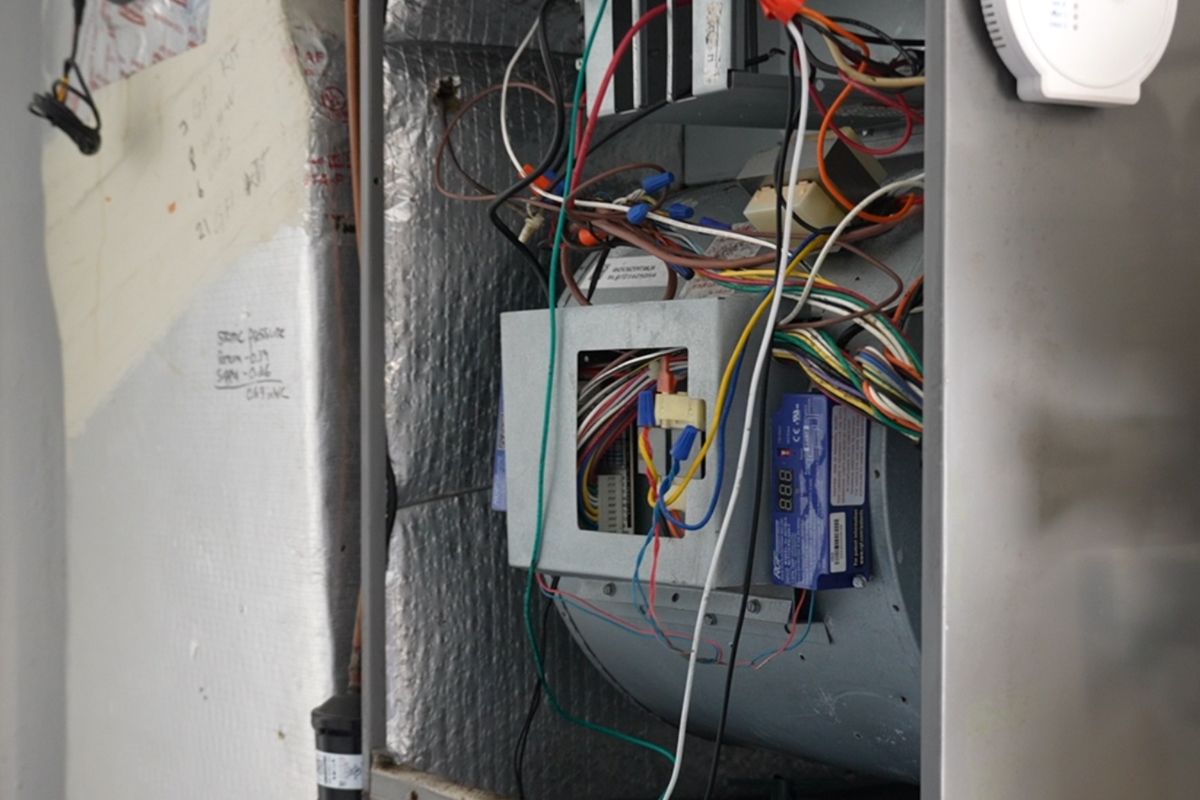
Common HVAC electrical components include:
- capacitors
- contactors
- relays
- wiring connections
- control boards
- disconnects
- blower motor electrical connections
- condenser fan motor electrical components
- thermostat wiring and low-voltage controls
If one of these parts begins to fail, the effect can range from reduced performance to total system shutdown. A capacitor may weaken and make it harder for the compressor or fan motor to start. A contactor may become worn and fail to deliver power consistently. Loose wiring connections can create heat buildup and lead to damage that gets worse over time.
These issues are not always visible to the property owner, which is why
routine inspection matters.
The General Rule for Inspection Frequency
In most cases, HVAC electrical components should be professionally inspected at least once a year. For many Florida properties, twice a year is the better standard, especially when the system is heavily used for cooling and may also need to be checked before any heating season use.
A once-a-year inspection may be enough for some systems in milder climates, but in Pinellas County, air conditioning demand is usually high enough that annual inspection should be viewed as the minimum, not the ideal.
For many residential systems, the better schedule is:
- one inspection before heavy summer demand
- one inspection later in the year as part of a full maintenance visit
For commercial systems or properties with heavier HVAC usage, inspections may need to happen more often depending on runtime, system complexity, and building demands.
Why Annual Inspection Is the Minimum
Electrical components do not always fail all at once. In many cases, they weaken gradually.
A technician inspecting the system may find:
- a capacitor testing below its rated range
- a contactor showing pitting or wear
- wiring connections that have loosened
- signs of overheating at terminals
- corrosion beginning on electrical components
- control issues starting to develop
Those are the kinds of problems that may not cause an immediate no-cooling call today but can easily turn into one later. Annual inspection helps catch that wear before it becomes an emergency.
A homeowner in Belleair may say the AC seemed fine until one afternoon it just stopped working. But when the system is inspected, the failed part often shows signs it had been deteriorating for some time. Regular inspections help find those warning signs earlier.
Why Twice-Yearly Inspections Make Sense in Florida
Pinellas County homes and businesses often rely on cooling systems for much of the year. That long operating season means electrical parts are cycling on and off frequently and working in demanding conditions.
Twice-yearly inspections are often a better fit in Florida because they allow technicians to:
- check electrical health before the heaviest cooling season
- identify parts weakened by long summer demand
- verify safe operation after months of heavy use
- inspect systems before less frequently used heating functions are needed
This schedule is especially useful for systems that are older, run heavily, or serve homes with high cooling demand. It is also a smart choice for business owners who cannot afford comfort disruptions during operating hours.
Which Electrical Components Need Routine Attention
Not every electrical component fails at the same rate, but several should be checked regularly as part of HVAC service.
Capacitors
Capacitors are among the most commonly replaced electrical parts in air conditioning systems. They help motors start and run properly. Over time, heat and repeated use cause them to weaken.
A failing capacitor may lead to:
- hard starting
- humming noises
- reduced system reliability
- fan or compressor issues
- complete failure to start
Because capacitor performance can be tested during maintenance, this is one of the most important parts of an electrical inspection.
Contactors
Contactors control the flow of electricity to key components like the compressor and condenser fan motor. With repeated use, the contacts can become pitted, worn, or damaged.
A worn contactor may cause:
- inconsistent startup
- chattering sounds
- intermittent cooling issues
- total failure to energize the system
These parts often show visible wear before complete failure, which is why regular inspection is valuable.
Wiring and Electrical Connections
Loose or deteriorating wiring can create heat buildup, poor electrical flow, and reliability issues. This is especially important in coastal Florida conditions where moisture and corrosion can become part of the problem.
Technicians inspect for:
- loose terminals
- signs of overheating
- worn insulation
- corrosion
- unsafe connection points
A connection issue may seem minor at first, but left alone it can damage surrounding parts or create a more expensive repair.
Control Boards and Low-Voltage Components
Modern HVAC systems rely more heavily on control boards and communication systems than older units did. These components help manage timing, safety, staging, and system communication.
Inspection may reveal:
- signs of board damage
- poor low-voltage connections
- thermostat communication issues
- irregular control behavior
These parts can also be affected by power fluctuations and electrical surges, which makes regular inspection even more important in Florida.
Older Systems Usually Need Closer Monitoring
The older the HVAC system, the more important regular electrical inspections become.
Electrical components wear with age, heat exposure, vibration, and repeated cycling. A newer system may have fewer immediate electrical concerns, though it still needs inspection. An older system is more likely to show:
- declining capacitor performance
- increased contact wear
- aging wires and terminals
- signs of repeated heat stress
- parts nearing the end of service life
For homeowners with aging equipment, waiting until there is a breakdown often means repair costs are less predictable and downtime is more disruptive. Routine inspection gives a better chance of replacing weak parts before a complete failure happens.
Commercial Systems May Need More Frequent Inspections
Commercial HVAC systems often require more frequent electrical inspections than residential equipment.
That is because commercial systems may:
- run longer hours
- cycle more frequently
- serve larger spaces
- support customers, staff, or sensitive equipment
- include rooftop units exposed to harsh outdoor conditions
A retail space, office, or service business in Pinellas County may depend on reliable cooling throughout the day. If a commercial unit fails because of an avoidable electrical issue, the impact goes beyond comfort. It can affect operations, customer experience, and employee productivity.
For many commercial properties, more frequent inspection intervals are a practical part of preventive maintenance.
Environmental Conditions in Pinellas County Matter
Florida conditions are tough on HVAC systems, and electrical components are no exception.
In Pinellas County, systems may face:
- long cooling seasons
- heavy humidity
- salt air exposure
- power fluctuations during storms
- frequent electrical cycling during hot weather
These conditions can accelerate wear and increase the risk of corrosion or electrical stress. A component that might last longer in a milder climate may deteriorate faster here because the system is working harder and the environment is harsher.
That is one reason local HVAC maintenance should reflect local conditions. Inspection schedules that sound adequate on paper may not be enough for systems running in Florida heat and humidity.
Signs That Electrical Components Should Be Inspected Sooner
While routine inspections should happen on schedule, there are also times when electrical components should be checked sooner rather than later.
Property owners should have the system inspected if they notice:
- the AC struggles to start
- humming or clicking without normal startup
- intermittent cooling
- short cycling
- breakers tripping
- a burning smell near equipment
- the outdoor unit not turning on consistently
- the blower running irregularly
- the thermostat calling for cooling but the system not responding normally
These symptoms do not automatically mean a major failure is happening, but they often point to electrical issues that need attention. Waiting can allow minor wear to turn into a larger repair.
Why HVAC Electrical Inspections Are Not a DIY Job
Homeowners can do helpful basic maintenance like changing filters and keeping the area around the outdoor unit clear. Electrical inspection is different.
Testing capacitors, checking contactors, evaluating wiring integrity, and inspecting control components require the right tools, training, and safety practices. HVAC systems involve high voltage and sensitive components that can be dangerous to handle improperly.
A professional technician can evaluate not just whether the system powers on, but whether the electrical parts are operating within acceptable ranges and whether wear is starting to affect performance.
Why Timing Matters
A homeowner in Belleair may have an AC system that still cools the house, but lately it has been hesitating when it starts. On especially hot afternoons, the outdoor unit sometimes clicks before finally turning on. Because the system eventually runs, the homeowner puts off service.
During an inspection, the technician finds a weakening capacitor and a contactor showing significant wear. Neither part has failed yet, but both are moving in that direction. Catching the problem during maintenance prevents a likely no-cooling call later during peak heat.
This is exactly why electrical components should be inspected regularly. The goal is not only to react to failures. It is to find developing issues before comfort is lost.
A Complete Maintenance Plan Helps Protect the Whole System
Electrical inspection should never be treated as a separate extra if the goal is real HVAC reliability. It should be part of a complete maintenance plan that evaluates the full system.
That includes checking:
- electrical components
- airflow
- coil condition
- refrigerant performance
- condensate drainage
- thermostat operation
- overall system safety and efficiency
At Williams Air Solutions, that kind of complete system approach matters because many HVAC problems are connected. A worn electrical part may affect startup, but long run times, airflow restrictions, and environmental stress may be contributing to the wear as well.
HVAC electrical components should be professionally inspected at least once a year, and in many Pinellas County homes and businesses, twice-yearly inspection is the smarter approach. Florida’s long cooling season, humidity, storm activity, and heavy system use make regular electrical checks an important part of preventing breakdowns and protecting system performance.
At Williams Air Solutions, we take a full-system approach to HVAC maintenance for homeowners and businesses in Belleair and throughout Pinellas County. That includes inspecting the electrical components that keep your equipment operating safely, efficiently, and reliably. Staying ahead of electrical wear is one of the best ways to reduce surprise repairs and keep your HVAC system ready for the demands of Florida weather.
Call Williams Air Solutions at (727) 353-0090 to schedule AC service anywhere in Pinellas County.