Why Proper Airflow Is Critical for Efficient Cooling
When most homeowners think about air conditioning efficiency, they usually focus on the thermostat setting, the age of the system, or the monthly electric bill. Those factors matter, but one of the most important parts of efficient cooling is often overlooked: airflow.
Proper airflow is what allows an HVAC system to cool a home or business the way it was designed to. Without it, even a newer system can struggle to maintain comfort, use more energy than necessary, and develop avoidable repair issues over time.
In Pinellas County, where air conditioning systems often run for long stretches in hot and humid weather, airflow has a direct effect on comfort, humidity control, system performance, and long-term reliability. If airflow is restricted, the equipment may still run, but it will not operate as efficiently as it should.
Understanding why airflow matters helps homeowners and business owners recognize problems early and protect their HVAC investment.
What Proper Airflow Means in an HVAC System
Airflow refers to how air moves through the system and throughout the property. During cooling mode, warm indoor air is pulled into the return side of the system, passes through the filter and across the evaporator coil, and then is pushed back out through the supply ducts as cooled air.
For that process to work properly, the system needs the right amount of air moving through it. If too little air passes across the evaporator coil, heat transfer becomes less effective. If duct airflow is restricted, conditioned air will not reach the rooms the way it should.
Efficient cooling depends on maintaining that balance.
A homeowner in Belleair may notice that the AC is running, but the house feels uneven, the system stays on too long, or certain rooms never seem to get comfortable. In many cases, those are signs that airflow is not where it needs to be.
Cooling Efficiency Depends on Heat Transfer
Air conditioning systems do not create cold air in the way many people imagine. They remove heat from the indoor air and transfer it outside. Proper airflow is essential to that process.
The evaporator coil inside the system needs a steady volume of warm indoor air passing over it so it can absorb heat effectively. If airflow is restricted, the coil cannot do its job efficiently. That means the system has to run longer to cool the property, which uses more electricity and creates more wear on the equipment.
In simple terms, airflow helps the entire cooling cycle work correctly. Without it, the system becomes less efficient even if the major components are technically still operating.
Restricted Airflow Forces the System to Run Longer
One of the first effects of poor airflow is longer run times.
If the system cannot move enough air across the coil and through the ductwork, it takes longer to bring indoor temperatures down to the thermostat setting. That longer run time increases energy use and places added strain on important components such as the blower motor, capacitor, fan motor, and compressor.
This is a common issue in Florida homes during long summer afternoons. A homeowner may think the system is simply struggling with the heat outside, but the real problem may be that airflow is restricted inside the system or throughout the duct network.
Longer run cycles do not always mean the unit is undersized. In many cases, they point to an airflow issue that can be corrected.
Proper Airflow Helps Control Indoor Humidity
In Pinellas County, cooling performance is only part of the comfort equation. Humidity control matters just as much.
When airflow is correct, the system can remove heat and moisture from the air more effectively. When airflow is poor, humidity control often suffers. The home may feel cool on paper according to the thermostat, but still feel damp, sticky, or uncomfortable.
This is one of the reasons homeowners sometimes keep lowering the thermostat even though the AC seems to be running fine. The issue may not be temperature alone. It may be that poor airflow is preventing the system from managing indoor humidity the way it should.
For homes and businesses throughout Belleair and the surrounding Pinellas County area, maintaining proper airflow is one of the key factors in keeping indoor spaces comfortable during humid weather.
Poor Airflow Can Lead to Frozen Evaporator Coils
One of the more serious effects of restricted airflow is evaporator coil freezing.
When not enough warm indoor air moves across the coil, the coil temperature can drop too low. That can lead to ice forming on the coil. Once ice starts building up, airflow drops even further, and cooling performance gets worse.
A frozen coil may lead to:
- weak airflow from vents
- little or no cooling
- water around the indoor unit after thawing
- system shutdowns
- additional stress on the compressor
What often starts as an airflow problem can quickly become a repair issue. That is one reason airflow should never be treated as a minor detail. It directly affects whether the system can operate safely and efficiently.
Uneven Cooling Often Points Back to Airflow Problems
When some rooms stay cooler than others, many homeowners assume they need a new thermostat or a larger AC unit. Sometimes the real issue is much simpler and more common: uneven airflow.
If certain areas of the home are not getting enough conditioned air, comfort becomes inconsistent. This may be caused by:
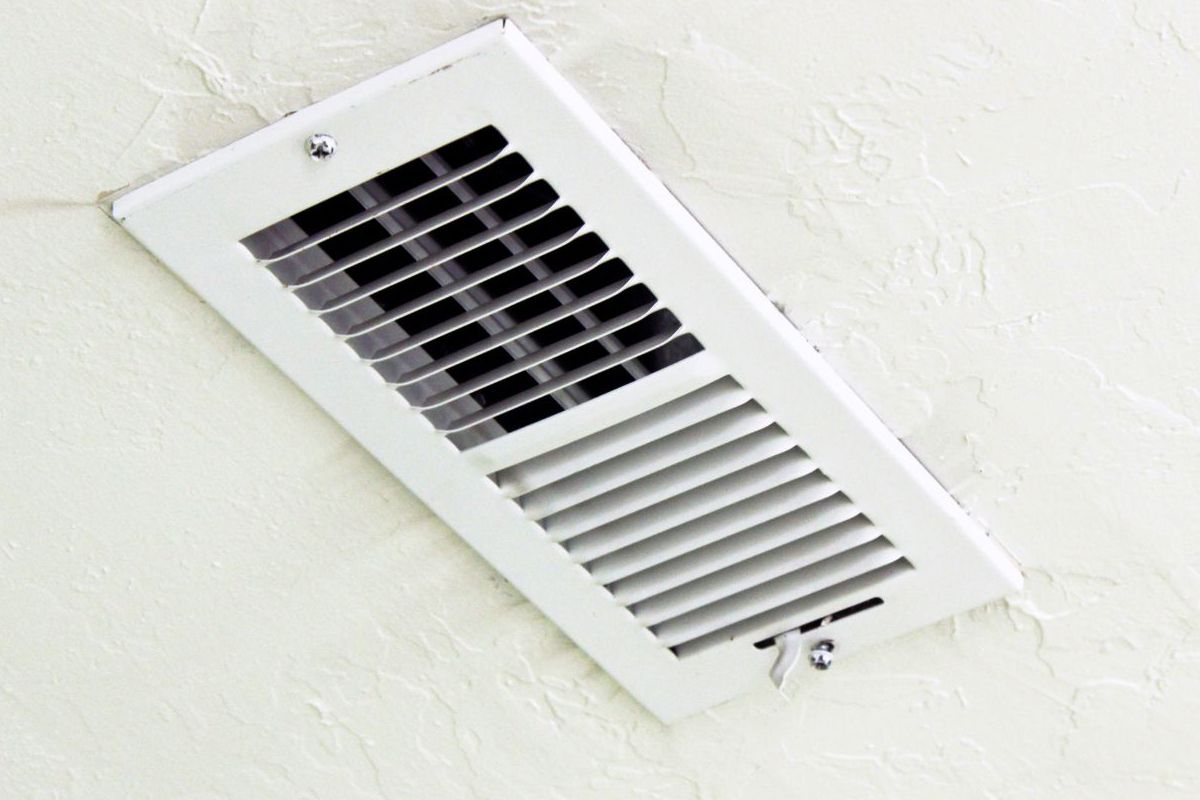
- blocked supply vents
- closed vents
- dirty filters
- leaking ducts
- crushed or poorly designed ductwork
- return air restrictions
A homeowner in Pinellas County may notice that the bedrooms stay warmer than the main living area in the afternoon, or that one side of the home never seems to catch up. Those issues often relate to how the air is moving through the system rather than the cooling equipment alone.
Proper airflow helps distribute cooling evenly, which improves comfort without forcing the system to work harder than necessary.
Dirty Filters Are a Simple Problem With Bigger Consequences
A dirty air filter is one of the most common causes of restricted airflow. It is also one of the easiest to overlook.
As the filter fills with dust, debris, and pet hair, it becomes harder for air to pass through. That restriction affects system performance, increases run time, and can contribute to frozen coils and higher utility bills.
Homeowners sometimes assume that a filter can stay in place longer if the system still seems to be cooling. The problem is that airflow may already be suffering before comfort noticeably changes.
This is one of the clearest examples of how efficient cooling depends on small maintenance habits. Something as basic as replacing a clogged filter on time can make a real difference in how well the system performs.
Ductwork Condition Has a Major Effect on Airflow
Even when the equipment itself is in good condition, airflow problems can still develop in the duct system.
Leaks, disconnected duct sections, crushed flex ducts, poor sealing, and insulation issues can all reduce how much conditioned air reaches the living or working space. That means the HVAC system may be running and cooling the air properly, but that air is not getting where it needs to go.
In attic spaces across Florida homes, duct problems are especially common because of heat exposure, age, and wear. A small duct leak may not seem serious, but it can waste cooled air and force the system to run longer to maintain the desired temperature.
Efficient cooling depends on the full delivery path, not just the equipment. If the duct system is underperforming, the property will feel it.
Return Airflow Is Just as Important as Supply Airflow
Many people focus on the air coming out of the supply vents, but return airflow matters just as much.
The return side of the system pulls indoor air back in so it can be filtered, cooled, and circulated again. If return vents are blocked by furniture, storage items, rugs, or other obstructions, the system cannot pull air back effectively.
This creates an imbalance that can reduce efficiency and place extra strain on the blower motor. It can also make certain rooms feel stuffy or less comfortable, even if the system continues running.
For example, a homeowner may place a couch in front of a return vent without realizing it is restricting circulation throughout part of the house. The AC still works, but airflow and comfort begin to suffer.
Proper Airflow Helps Protect Expensive HVAC Components
Cooling efficiency is not the only reason airflow matters. Proper airflow also helps protect the equipment itself.
When airflow is restricted, system components often have to operate under more stressful conditions. Over time, that can affect:
- blower motors
- fan motors
- capacitors
- contactors
- evaporator coils
- compressors
The compressor in particular is one of the most expensive parts of the system. If airflow problems contribute to freezing, longer run times, or poor heat transfer, compressor stress increases. That is one reason a simple airflow issue can eventually lead to a much larger repair bill.
Keeping airflow where it should be is part of protecting the long-term life of the system.
Efficient Cooling Requires a Complete System Approach
A common mistake is treating airflow problems as minor comfort complaints instead of system performance issues. In reality, airflow affects the entire cooling process.
Efficient cooling depends on:
- a clean filter
- open and unobstructed supply and return vents
- a clean evaporator coil
- properly functioning blower components
- sealed and well-designed ductwork
- proper system maintenance
If any one of those areas is compromised, cooling performance can decline. That is why professional HVAC service should look at the whole system rather than only focusing on whether the unit turns on and produces cool air.
Airflow Affecting Efficiency
A homeowner in Belleair may notice that their AC seems to run all afternoon, yet the home still feels humid and one bedroom stays warmer than the rest of the house. They assume the equipment is getting old and may need to be replaced.
After inspection, the actual problems turn out to be a heavily clogged filter, partially blocked return airflow, and a duct leak in the attic reducing airflow to that bedroom. Once those issues are corrected, the system cools more evenly, indoor comfort improves, and the run time drops.
That is a good example of how airflow problems can make a system appear less efficient than it really is. Sometimes the issue is not the age of the equipment but the air movement supporting it.
Why Airflow Matters So Much in Pinellas County
In a milder climate, small airflow issues may take longer to show up as serious comfort or efficiency problems. In Pinellas County, those same issues tend to become more noticeable much faster.
Air conditioning systems in Florida often run for much of the year, especially during the hotter months. That means restricted airflow has more opportunities to affect utility costs, humidity control, and equipment wear.
Properties near the coast may also deal with added environmental strain, while both homes and businesses rely heavily on steady cooling to stay comfortable. In these conditions, airflow is not a minor performance factor. It is one of the foundations of efficient HVAC operation.
Proper airflow is critical for efficient cooling because it affects heat transfer, run time, humidity control, comfort, and long-term equipment reliability. When airflow is restricted, the system has to work harder to cool the property, which can lead to higher energy bills, uneven temperatures, and more expensive repairs over time.
At Williams Air Solutions, we take a complete system approach to HVAC service for homes and businesses in Belleair and throughout Pinellas County. That means identifying airflow problems early, correcting the issues affecting performance, and helping property owners get the most from their cooling systems. Efficient cooling starts with more than just the equipment itself. It starts with proper airflow throughout the entire system.
Call Williams Air Solutions at (727) 353-0090 to schedule AC service anywhere in Pinellas County.