What Happens If AC Coils Are Never Cleaned?
Most property owners understand that changing the air filter matters. Many also know that scheduling maintenance before the hottest part of the year is a smart move. What often gets overlooked, however, is the condition of the AC coils.
AC coils play a major role in how your system cools your home or business. When they stay clean, the system can transfer heat the way it was designed to. When they become coated with dirt, dust, debris, and buildup, performance starts to drop. In many cases, that decline happens slowly enough that homeowners do not notice the problem until utility bills rise, airflow feels weaker, or the system begins having repair issues.
In Pinellas County, where air conditioning systems work hard for much of the year, coil condition has a direct impact on comfort, efficiency, and equipment life. If AC coils are never cleaned, the system is forced to operate under strain for extended periods. That can lead to poor cooling, higher operating costs, and more expensive repairs over time.
What AC Coils Actually Do
An air conditioning system has two primary coils that matter during cooling operation: the evaporator coil and the condenser coil.
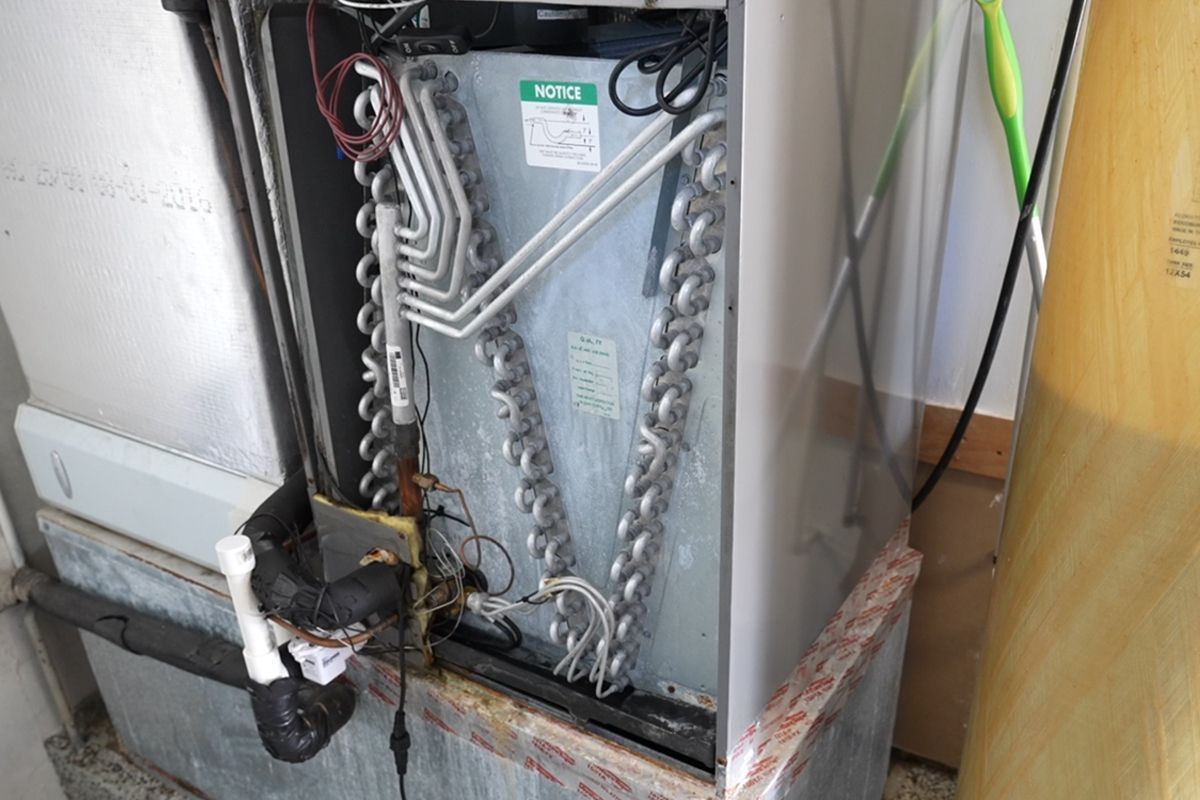
The evaporator coil is located inside the home, usually within or near the air handler. Its job is to absorb heat from indoor air. As warm air moves across the coil, the refrigerant inside the coil removes heat and helps cool the air before it is sent back through the ductwork.
The condenser coil is located in the outdoor unit. Its job is to release the heat that was removed from inside the property. Once that heat is discharged outside, the refrigerant continues through the cycle so the system can keep cooling.
Both coils are essential. If either one becomes dirty, the system loses efficiency and the entire cooling process becomes less effective.
Dirty Evaporator Coils Reduce Indoor Cooling Performance
When the evaporator coil is covered in dust and buildup, it becomes harder for the coil to absorb heat from the air moving across it. That means the system cannot cool the air as efficiently as it should.
This often shows up in practical ways that homeowners notice first:
- the home takes longer to cool
- certain rooms stay warmer than others
- the AC seems to run longer than normal
- indoor humidity feels higher
- airflow may seem weaker from the vents
A homeowner in Belleair may assume the system is just getting older or that the thermostat needs adjusting. In reality, the cooling process may be restricted because the evaporator coil is dirty and no longer transferring heat efficiently.
This is especially important in Florida, where AC systems often run for long stretches and have to remove both heat and humidity from the indoor air.
Dirty Condenser Coils Make the Outdoor Unit Work Harder
The condenser coil outside the property is just as important. If it is covered in dirt, grass clippings, leaves, pollen, or coastal buildup, it cannot release heat effectively.
When that happens, the system struggles to complete the heat transfer cycle. Pressures can rise, run times can increase, and major components have to work harder to keep up.
This is common in Pinellas County because outdoor units are exposed to:
- salt air
- high humidity
- landscaping debris
- lawn maintenance dust and clippings
- leaves and storm-related debris
A condenser coil does not have to be completely blocked to create a problem. Even a moderate layer of buildup can reduce efficiency and add unnecessary stress to the system.
Higher Energy Bills Are Often One of the First Signs
If AC coils are never cleaned, one of the first measurable effects is usually higher energy use.
When the coils cannot transfer heat properly, the AC has to run longer to reach the thermostat setting. Longer run times mean more electricity usage. The system may still cool the property eventually, but it does so less efficiently.
This is one reason some homeowners see their summer utility bills increase even though their thermostat habits have not changed much. They may blame rising energy costs alone, when the AC system itself is also becoming less efficient because the coils are dirty.
For business owners, the same issue can affect operating costs in a larger way, especially if the system serves office space, retail areas, or customer-facing environments that must stay consistently comfortable.
Dirty Coils Can Lead to Frozen Evaporator Coils
A neglected evaporator coil does not just reduce efficiency. It can also contribute to freezing.
When airflow and heat transfer are affected, the temperature at the coil can drop too low, allowing ice to form. Once ice develops, airflow becomes even more restricted. At that point, the system may stop cooling properly or shut down altogether.
A homeowner may notice:
- little to no cool air coming from vents
- ice on refrigerant lines
- water around the indoor unit after thawing
- the system running but not cooling the home
What started as a dirty coil may now require a service call, diagnostic work, and additional inspection to confirm whether other components were also affected.
Compressor Stress Becomes a Serious Risk
One of the most expensive consequences of dirty AC coils is the extra strain placed on the compressor.
The compressor depends on the system’s ability to move heat efficiently. When coils are dirty, that process becomes harder. The system runs longer, pressures can increase, and the compressor must work under more demanding conditions.
This matters because compressor failure is one of the costliest AC repairs a property owner can face. In some cases, a severely overworked compressor can push the repair decision closer to full system replacement, especially if the equipment is older.
A coil cleaning is minor compared to the cost of a compressor-related repair. That is one reason professional HVAC maintenance is not just about comfort. It is also about protecting the most important parts of the system.
Dirty Coils Can Cause Poor Humidity Control
In Florida homes and businesses, comfort is not only about temperature. Humidity control matters just as much.
When the evaporator coil is dirty, the system may have a harder time removing moisture from the indoor air. That can leave the space feeling damp, sticky, or clammy even if the thermostat shows the set temperature.
This often leads homeowners to lower the thermostat further, thinking the home is not cool enough. In reality, the issue may be that the system is not dehumidifying well because the coil is not operating efficiently.
In a place like Pinellas County, poor humidity control can quickly make a home feel uncomfortable, even when the temperature technically seems acceptable.
Longer Run Times Increase Wear on Other Components
If the AC coils are never cleaned, the system usually has to run longer to do the same amount of cooling. Those extended run times put more wear on other parts of the system as well.
Over time, that can affect:
- blower motors
- capacitors
- contactors
- fan motors
- electrical connections
- refrigerant-related performance
In other words, dirty coils do not just create one isolated problem. They often contribute to wear across the system. That is why the repair bill from a neglected maintenance issue may involve more than one part when the problem is finally addressed.
Indoor Airflow Can Start to Feel Weak or Inconsistent
Dirty evaporator coils can also affect how airflow feels inside the property.
As buildup increases, the system may struggle to move and condition air properly. Some rooms may cool slower than others. Certain areas of the home may feel warm in the afternoon while others are acceptable. Businesses may notice comfort complaints in specific offices or customer areas.
A homeowner in Belleair might assume the ductwork is the issue or think the thermostat is not reading correctly. Those possibilities should be checked when needed, but dirty coils are often one of the hidden causes behind weak or inconsistent cooling performance.
Poor Coil Maintenance Can Shorten System Life
Every AC system has a service life, but that life expectancy depends heavily on maintenance and operating conditions.
If coils are never cleaned, the system works harder year after year. That ongoing strain can shorten the lifespan of the equipment and make early replacement more likely.
This is especially true in Florida, where systems often operate for much of the year and outdoor units deal with heat, humidity, and environmental exposure. A neglected coil may not cause immediate failure, but it contributes to the kind of long-term stress that causes systems to wear out faster than they should.
For homeowners and businesses trying to protect their investment, this is one of the biggest reasons coil cleaning should not be ignored.
How Dirty Coils Turn Into Bigger Problems
A homeowner in Pinellas County may notice that the house does not feel as cool as it did the year before. The AC is still running, but the system seems to stay on longer during the afternoon and evening. Utility bills are climbing, and one bedroom never seems to cool down completely.
When a technician inspects the system, they find a dirty evaporator coil restricting heat transfer and an outdoor condenser coil coated with buildup from salt air, pollen, and yard debris. The system has been running harder than necessary for months. At that point, the homeowner may not only need coil cleaning, but also additional service due to component strain caused by the extended workload.
That is how a hidden maintenance issue becomes a more expensive service problem.
Why Coil Cleaning Should Be Part of Regular HVAC Maintenance
Coils are not something most homeowners inspect on their own, and they should not be treated as a do-it-yourself maintenance item without proper experience. The evaporator coil is often enclosed inside the system, and the condenser coil must be cleaned correctly to avoid damaging sensitive fins and components.
That is why coil inspection and cleaning should be part of routine professional HVAC maintenance. A proper maintenance visit can help identify whether buildup is starting to affect performance before it leads to:
- rising energy use
- poor cooling
- frozen coils
- compressor strain
- humidity problems
- reduced equipment life
For both residential and commercial systems, this kind of preventive care can help avoid more serious repair costs later.
Why This Matters So Much in Pinellas County
In cooler regions, a system might go longer before dirty coils create obvious issues. In Pinellas County, that timeline is usually shorter.
Homes and commercial properties in Belleair and surrounding areas rely heavily on air conditioning for much of the year. Outdoor units also deal with coastal conditions, moisture, airborne debris, and heavy seasonal demand. That means dirty coils can create efficiency and performance problems faster here than in places with milder climates.
For local property owners, staying ahead of coil maintenance is one of the more practical ways to protect comfort and avoid preventable HVAC repair issues.
If AC coils are never cleaned, the system almost always becomes less efficient, less reliable, and more expensive to operate. Dirty coils can reduce cooling performance, raise utility bills, create humidity problems, contribute to frozen coils, and place serious strain on major components like the compressor.
At Williams Air Solutions, we take a complete system approach to HVAC maintenance and service for homes and businesses in Belleair and throughout Pinellas County. That includes identifying hidden issues like dirty coils before they turn into larger repair problems. Keeping coils clean is not just about maintenance. It is one of the steps that helps protect comfort, efficiency, and the long-term health of your HVAC system.
Call Williams Air Solutions at (727) 353-0090 to schedule AC service anywhere in Pinellas County.