What Happens Inside Your HVAC System During a Maintenance Visit
Most homeowners know HVAC maintenance is important, but many are not exactly sure what that visit includes. They know a technician shows up, checks the system, and may make a few adjustments, but they do not always know what is actually being inspected inside the equipment or why it matters.
That is understandable. Most of the important parts of an HVAC system are out of sight. The indoor coil, blower assembly, drain components, electrical parts, and refrigerant-related systems are not things the average property owner sees during daily use. But those are the same areas that play a major role in cooling performance, efficiency, reliability, and system lifespan.
For homeowners and business owners in Pinellas County, Florida, routine HVAC maintenance matters even more because air conditioning systems often run hard for much of the year. Heat, humidity, salt air, and long cooling cycles put steady demand on the system. A maintenance visit is designed to catch wear, buildup, and developing issues before they turn into higher energy bills, comfort problems, or expensive repairs.
Here is what typically happens inside your HVAC system during a professional maintenance visit.
The Technician Starts by Evaluating Overall System Operation
Before getting deep into the internal components, a technician usually begins by assessing how the system is operating as a whole.
This often includes checking:
- thermostat response
- whether the system starts and cycles correctly
- airflow at the vents
- unusual sounds or vibration
- overall cooling performance
- visible signs of wear or moisture issues
This first step helps identify obvious symptoms before the internal inspection begins. A homeowner in Belleair may say the system is running but the house feels less comfortable in the afternoon. That initial system check helps the technician connect the homeowner’s concern with what they may later find inside the equipment.
HVAC maintenance is not just about checking boxes. It is about understanding how the system is behaving and then tracing that back to the internal parts that affect performance.
The Air Filter Is Checked First
One of the first things inspected during maintenance is usually the air filter.
The filter affects how much air the system can move. If it is clogged with dust, pet hair, or debris, airflow drops and the entire system has to work harder. Restricted airflow can affect:
- cooling efficiency
- comfort in different rooms
- evaporator coil performance
- blower strain
- indoor air movement
- humidity control
If the filter is dirty, the technician may recommend replacement or note how filter condition is affecting the rest of the system.
This is a simple part, but it has a bigger impact than many homeowners realize. A heavily loaded filter can create symptoms that make the equipment seem weaker than it really is.
The Blower Assembly Is Evaluated
Inside the indoor unit, the blower assembly is one of the most important parts of the system. It is responsible for moving air across the evaporator coil and through the ductwork.
During maintenance, the technician may inspect:
- the blower wheel
- blower motor condition
- signs of dirt buildup
- airflow performance
- motor operation
- electrical connections related to blower function
If the blower wheel is coated with dust and debris, it may move less air than it should. That reduced airflow can lead to weak cooling, longer run times, and less consistent comfort throughout the property.
A homeowner may not realize that the system’s cooling issue starts with indoor airflow movement, but blower performance is often one of the key reasons a home feels less comfortable over time.
The Evaporator Coil Is Checked for Condition and Performance
The evaporator coil is where indoor heat is absorbed so the system can cool the air. This coil is usually hidden inside the air handler or indoor cabinet, which is why most homeowners never see it.
During a maintenance visit, the technician looks for signs such as:
- dirt or buildup on the coil
- airflow-related issues
- possible freezing risk
- moisture patterns
- signs that heat transfer is being reduced
A dirty evaporator coil makes it harder for the system to absorb heat efficiently. That can lead to longer cooling cycles, poor comfort, humidity issues, and extra strain on the equipment.
In Florida homes, where the AC often runs for long periods and handles significant humidity,
evaporator coil condition is a major part of overall system performance.
The Condensate Drain System Is Inspected
As the system cools the air, it also removes moisture. That moisture drains away through the condensate system. During a maintenance visit, the technician checks this drainage path carefully.
This typically includes inspecting:
- the condensate drain line
- the drain pan
- any signs of slow drainage
- overflow protection devices
- signs of algae, slime, or buildup
- moisture around the indoor unit
This part of the inspection is especially important in Pinellas County because AC systems remove a lot of humidity. If the drain line begins clogging, water can back up into the pan, trigger a safety switch, or overflow into surrounding areas.
A homeowner may only think about cooling, but part of what happens inside the system during maintenance is making sure that water is leaving the equipment properly so it does not become a water damage problem.
Electrical Components Are Tested and Inspected
Inside both the indoor and outdoor parts of the system, electrical components control startup, fan operation, compressor function, and safe system cycling.
During maintenance, the technician may inspect and test:
- capacitors
- contactors
- relays
- wiring connections
- terminals
- control boards
- voltage-related readings
- signs of wear, corrosion, or overheating
Electrical parts often weaken gradually. A capacitor may still be working but testing below range. A contactor may show visible wear before it fails. Loose connections may create heat buildup before they cause a shutdown.
This is one of the most valuable parts of maintenance because many no-cooling calls start with electrical wear that could have been identified earlier.
Refrigerant-Related Performance Is Reviewed
A maintenance visit does not always mean a full refrigerant repair, but the technician will typically review refrigerant-related system performance to look for signs of a problem.
This may include observing:
- cooling behavior
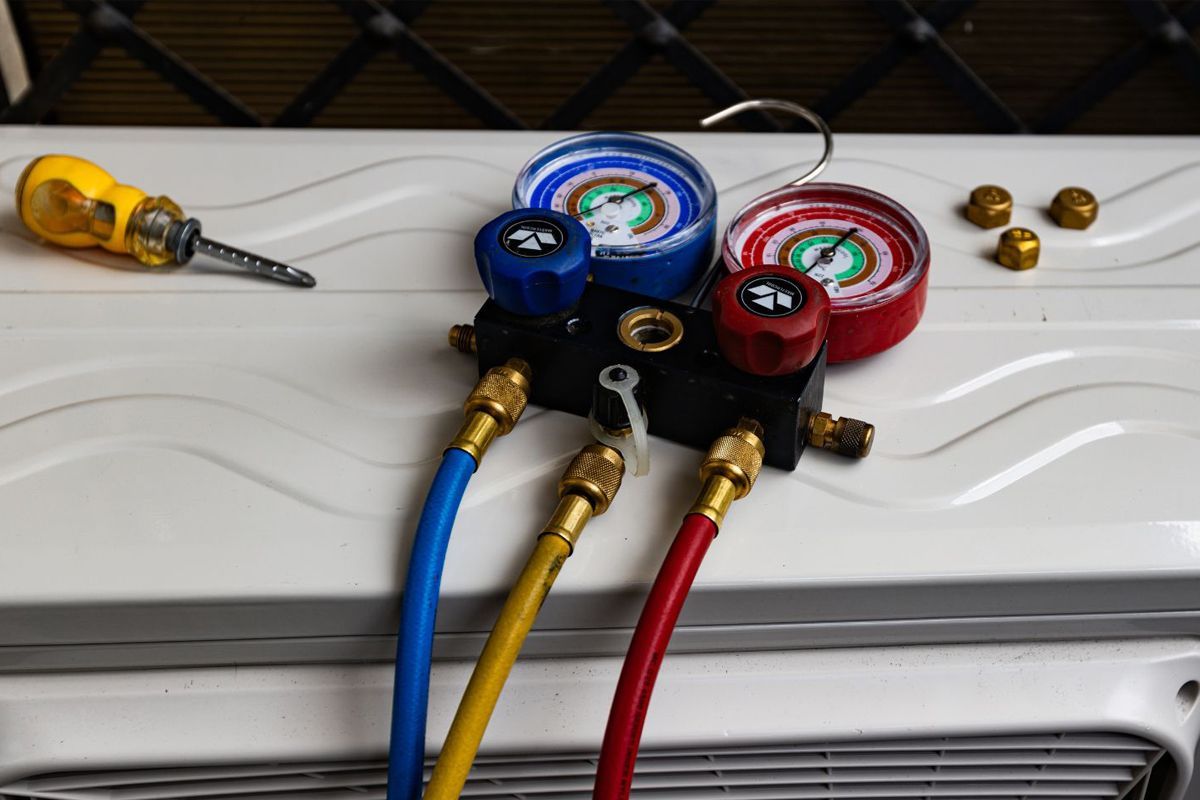
- operating pressures or temperature relationships when appropriate
- coil performance
- signs of refrigerant issues
- temperature drop across the system
- symptoms suggesting the system is under stress
If refrigerant performance is off, the system may cool less effectively, run longer, or struggle during hotter weather. The goal during maintenance is to identify whether the system is operating normally or whether deeper diagnostic work may be needed.
This is important because refrigerant-related issues often affect comfort gradually before a homeowner realizes something is wrong.
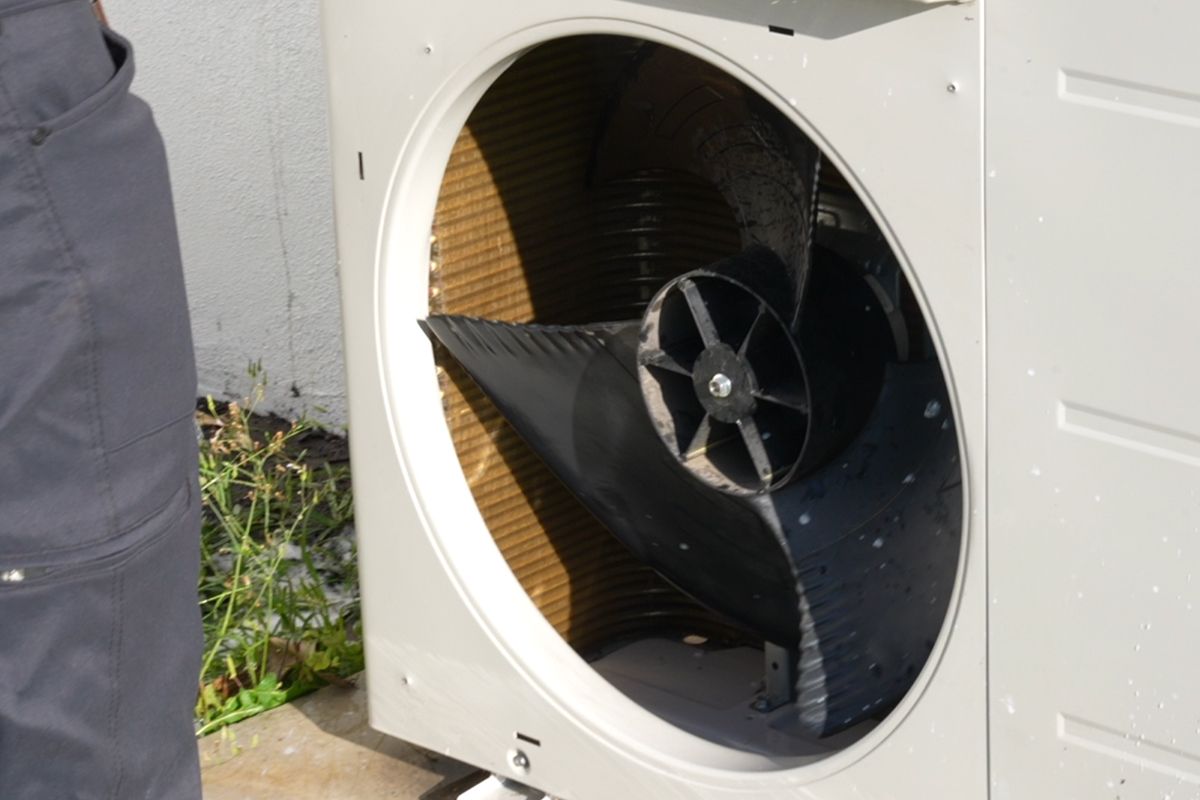
The Outdoor Condenser Unit Is Inspected Internally and Externally
The outdoor unit plays a major role in releasing heat from the system, and maintenance includes more than just looking at whether the fan is spinning.
During service, the technician may inspect:
- condenser coil condition
- fan motor operation
- capacitor condition
- contactor wear
- electrical connections
- signs of debris buildup
- unit cleanliness
- overall condenser performance
If the condenser coil is dirty, the system has a harder time releasing heat. That can increase run time, raise energy use, and create more compressor strain.
In Belleair and the surrounding Pinellas County area, outdoor units deal with pollen, salt air, grass clippings, leaves, and storm debris. That makes condenser inspection and cleaning an important part of what happens during a quality maintenance visit.
The Compressor and Fan Operation Are Reviewed
The compressor is one of the most important parts of the HVAC system, and while it is not opened during routine maintenance, the technician evaluates how it is operating.
That may involve checking:
- startup behavior
- electrical performance
- sound patterns
- cooling response
- outdoor unit operation under load
The same goes for the condenser fan motor. If the fan is not moving air correctly across the coil, the system’s heat rejection suffers.
These operating checks help identify whether the equipment is functioning normally or showing signs of developing issues that could affect performance later.
Thermostat Function Is Verified
The thermostat may be mounted on the wall, but it is still part of how the HVAC system operates internally. During maintenance, the technician may verify that the thermostat is:
- reading temperature accurately
- calling for cooling correctly
- communicating with the system properly
- cycling the equipment as expected
A thermostat problem can make a healthy system seem inefficient or inconsistent. For example, if the thermostat is not sensing temperature properly or is causing irregular cycling, the home may feel uneven even though the major mechanical parts are still working.
Maintenance helps rule out those control issues as part of the larger system review.
Airflow and System Balance Are Considered
While not every airflow issue is fully solved during a standard maintenance visit, a technician often looks for signs that airflow is not where it should be.
That may include noticing:
- weak airflow at vents
- return air restrictions
- signs of duct leakage
- hot and cold room patterns described by the homeowner
- indicators of static pressure or delivery issues
A homeowner may mention that one side of the house is warmer than the other. During maintenance, that information can help the technician identify whether the issue appears related to filtration, blower performance, coil condition, or a likely duct problem that needs further attention.
This is part of why maintenance visits can be so valuable. They often uncover the beginning of problems that are affecting comfort before the system fully breaks down.
The Technician Is Also Looking for Early Warning Signs
A quality HVAC maintenance visit is not only about today’s performance. It is also about catching tomorrow’s problems early.
Inside the system, the technician is looking for warning signs such as:
- electrical parts weakening
- coil buildup beginning to affect performance
- drainage slowing down
- airflow becoming restricted
- corrosion starting on components
- wear on motors or controls
- signs that the system is under more strain than it should be
Most homeowners do not call for service when the system is still cooling reasonably well, even if performance has started slipping. Maintenance helps identify the smaller problems that often develop first.
What Homeowners Usually Notice After a Good Maintenance Visit
When maintenance is done properly, homeowners often notice improvements such as:
- more consistent cooling
- better airflow
- reduced run time
- fewer comfort complaints in certain rooms
- cleaner operation
- less risk of surprise breakdowns
- more confidence heading into the hottest part of the year
The visit may not always result in a dramatic difference the same day, especially if the system was already operating fairly well. But over time, regular maintenance helps the system continue performing closer to how it was designed to operate.
What Maintenance Uncovers
A homeowner in Pinellas County may schedule maintenance because the AC still works but seems to stay on longer than it used to. During the visit, the technician finds a heavily loaded filter, early blower buildup, a partially restricted drain line, and a capacitor beginning to weaken.
None of those issues may have caused a complete breakdown yet, but together they are already reducing efficiency and increasing the chance of a service call later. By addressing them during maintenance, the homeowner avoids a more disruptive problem during peak summer demand.
That is a good example of what actually happens inside the HVAC system during a maintenance visit. The goal is to find the conditions that affect performance before they turn into larger repairs.
Why This Matters So Much in Pinellas County
In Pinellas County, HVAC systems do not get much of a break. Long cooling seasons, high humidity, storm-related electrical stress, and coastal environmental exposure all place steady demand on the system.
That means maintenance visits are not just routine appointments. They are a practical way to protect equipment that works hard for much of the year. Homes in Belleair and surrounding areas depend on reliable cooling, strong humidity control, and efficient system operation. Internal wear and buildup can affect all of that faster here than in milder climates.
During a maintenance visit, a technician is inspecting the parts of your HVAC system that affect airflow, heat transfer, drainage, electrical operation, system control, and overall cooling reliability. That includes checking filters, coils, blower components, drain lines, electrical parts, thermostat performance, condenser condition, and signs of developing wear inside the system.
At Williams Air Solutions, we take a complete system approach to HVAC maintenance for homeowners and businesses in Belleair and throughout Pinellas County. That means looking beyond whether the system simply turns on and focusing on what is happening inside the equipment that affects comfort, efficiency, and long-term performance. A proper maintenance visit helps keep small internal problems from becoming larger and more expensive ones.
Call Williams Air Solutions at (727) 353-0090 to schedule AC service anywhere in Pinellas County.