The Hidden Maintenance Tasks Most Homeowners Never Think About

Most homeowners know the basics of HVAC maintenance. They change the thermostat setting when the weather shifts. They may replace the air filter every few months. Some schedule a tune up before summer starts in Pinellas County. Those are all important steps, but they are only part of the picture.
What many homeowners do not realize is that HVAC performance often depends on smaller maintenance tasks that are easy to overlook. These hidden issues may not cause a breakdown right away, but over time they can reduce airflow, increase energy use, shorten equipment life, and create comfort problems throughout the home.
In Florida, where air conditioning systems run hard for much of the year, these details matter even more. A system that seems to be cooling fine on the surface can still be dealing with hidden strain in the background. That is often what leads to uneven temperatures, rising utility bills, extra wear on components, and service calls that could have been avoided.
Here are some of the hidden maintenance tasks most homeowners never think about, and why they matter more than most people expect.
Cleaning the Condensate Drain Line
One of the most overlooked HVAC maintenance tasks is the condensate drain line. Your air conditioner removes humidity from the air as it cools your home. That moisture has to go somewhere, so it drains through a condensate line.
In Florida homes, especially during long stretches of hot and humid weather, this line can collect algae, slime, dirt, and debris. When that happens, it may partially clog or fully back up. A blocked drain line can lead to water leaks, ceiling stains, moisture damage around the air handler, and in some cases a system shutdown if the safety switch is triggered.
A homeowner in Belleair may notice water near the indoor unit and assume the system has a major failure. In reality, the issue may simply be a drain line that has not been cleaned in a long time. It is a small maintenance item, but ignoring it can turn into a bigger repair and possible water damage inside the home.
Checking the Outdoor Coil for Buildup
Homeowners often look at their outdoor AC unit and assume it is fine if it is running. What they do not always see is how much dirt, grass clippings, leaves, pollen, and salt air buildup can collect on the condenser coil.
In Pinellas County, outdoor units are exposed to heat, coastal air, landscaping debris, and frequent moisture. Over time, that buildup can block heat transfer and make the system work harder to cool the home. The unit may still run, but it will lose efficiency and experience more wear.
This is especially common when the condenser is close to shrubs, mulch beds, or lawn areas where maintenance crews use mowers and trimmers. A unit that looks normal from a distance may actually have restricted airflow around the coil. That hidden restriction can raise energy costs and put added strain on the compressor.
Inspecting the Blower Component
Most homeowners understand that the air filter affects airflow. Far fewer think about the blower wheel, blower motor, and surrounding components inside the air handler.
When dust and debris build up on the blower wheel, the system may move less air even if the filter is relatively clean. Reduced airflow can make rooms feel warmer, extend cooling cycles, and affect humidity control. In some homes, it can also create unnecessary stress on the evaporator coil and other parts of the system.
This issue often develops slowly. A homeowner may say the AC still works, but the house no longer feels as cool as it used to. In some cases, the thermostat setting keeps getting lowered because comfort has changed, even though the system is technically operating. A dirty blower assembly is one of those hidden problems that can quietly reduce overall performance.
Sealing Small Duct Leaks
Many homeowners never think about their ductwork unless there is a visible issue. But small leaks in ducts can waste a surprising amount of conditioned air, especially in attics, crawl spaces, garages, or utility areas.
If cooled air is leaking out before it reaches the living space, the system has to run longer to make up the difference. That means higher utility costs and less consistent comfort. In Florida homes, duct leaks can also allow hot, humid air to enter the system, making humidity control harder.
For example, a homeowner in Pinellas County may complain that one bedroom stays warm every afternoon while the rest of the house feels acceptable. The issue may not be the AC unit itself. It could be a duct leak, disconnected duct section, or poorly sealed connection reducing airflow to that room.
Because duct problems are usually hidden behind ceilings or in attic spaces, they are easy to ignore until comfort problems become obvious.
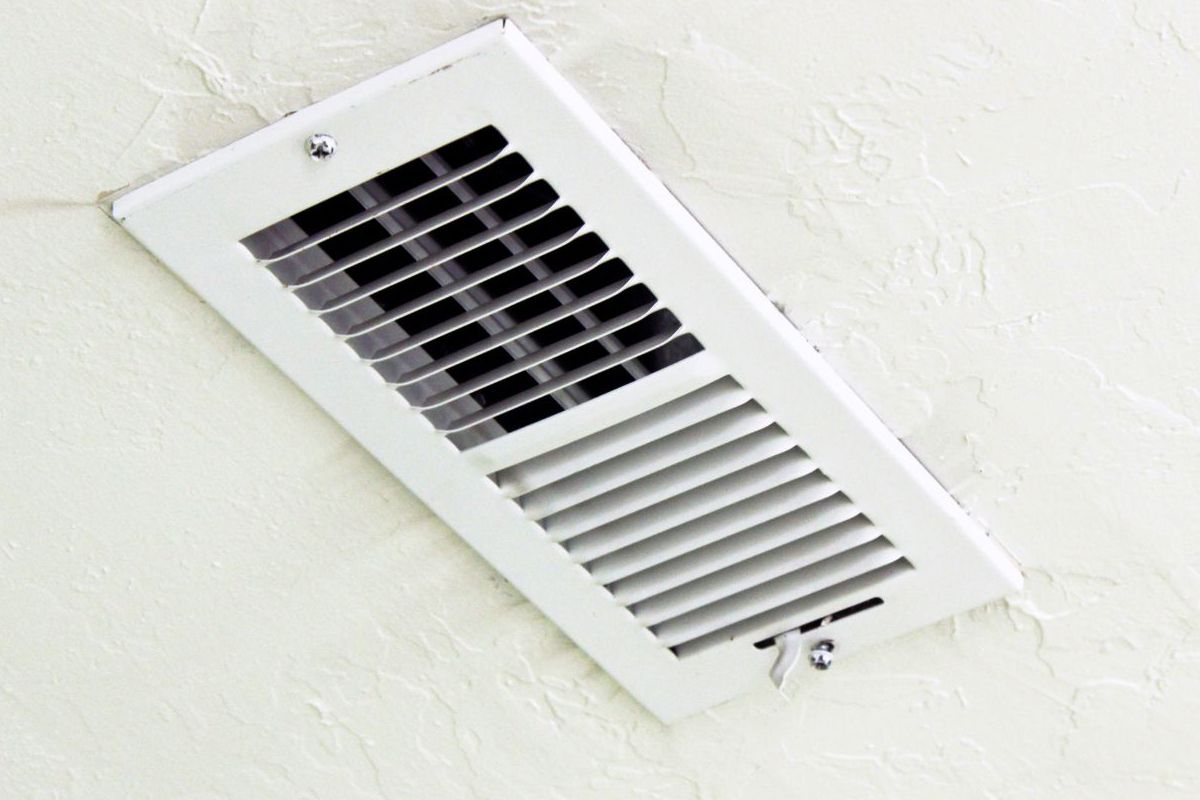
Cleaning Around Supply and Return Vents
Vents are in plain sight, but many homeowners still overlook them as part of regular HVAC care. Furniture, rugs, drapes, pet hair, dust, and household clutter can block airflow or reduce the effectiveness of the system.
Supply vents need room to distribute conditioned air properly. Return vents need open airflow so the system can pull air back in and circulate it. If either is blocked, the system may struggle to keep temperatures balanced.
This is common in homes where a couch is placed over a return vent, or where a spare room becomes a storage space with items stacked in front of vents. The HVAC equipment may be fine, but blocked airflow can create hot spots, poor circulation, and added operating strain.
Even something as simple as dust buildup on vent covers can contribute to poor airflow over time, especially when combined with other hidden issues.
Checking Insulation Around Refrigerant Lines
The insulated refrigerant line running between the indoor and outdoor unit is easy to miss, but it plays an important role in system performance. Over time, the insulation can crack, wear out, or deteriorate due to sun exposure and weather.
When that insulation is damaged, the system loses some of its efficiency and may not cool as effectively as it should. It is a small detail, but in Florida heat, small efficiency losses can add up.
Homeowners rarely inspect this line, and many do not know it should be checked at all. Yet this is the kind of basic maintenance item that can be identified quickly during a professional inspection and corrected before it contributes to larger performance issues.
Monitoring Thermostat Accuracy
If the thermostat is not reading temperature correctly, the entire system can operate inefficiently. Many homeowners assume that if the thermostat screen is on, it must be working properly. That is not always the case.
A thermostat can be slightly out of calibration, poorly located, affected by direct sunlight, or impacted by issues such as weak batteries or faulty sensors. When this happens, the system may short cycle, run too long, or maintain the wrong indoor temperature.
For example, if a thermostat is installed near a sunny window or close to a kitchen area that heats up during the day, it may call for cooling more often than needed. On the other hand, if it reads the home as cooler than it really is, certain rooms may feel uncomfortable while the system appears to be operating normally.
This is one of those hidden issues that homeowners often blame on the equipment when the real problem starts with the control system.
Inspecting Electrical Connections and Contact Points
Electrical components inside an HVAC system are not something homeowners should service themselves, but they are an important part of maintenance. Loose connections, worn contactors, and aging capacitors may not show obvious warning signs at first.
Instead, they often create subtle symptoms before failure. The system may hesitate when starting, cycle irregularly, or seem less reliable during the hottest part of the day. Then one day it stops working completely.
This is why a preventive maintenance visit is so valuable. A technician can identify electrical wear before it turns into a no cooling call during the middle of a Florida heat wave. These hidden electrical issues are often invisible to the homeowner but can be caught early with regular inspections.
Making Sure the Evaporator Coil Stays Clean
The evaporator coil is another critical part of the system that home owners rarely see. It is hidden inside the indoor unit, so dirt and buildup can develop without anyone noticing.
A dirty evaporator coil can reduce cooling performance, affect airflow, and contribute to frozen coil conditions in certain cases. If the system is already dealing with a dirty filter, blower issues, or duct restrictions, the impact can be even greater.
This is not a maintenance item that should be ignored just because it is out of sight. A clean coil helps the system cool more effectively and operate with less strain. When it becomes dirty, comfort and efficiency usually suffer.
Checking System Drain Pans for Early Signs of Trouble
Drain pans are another hidden area that deserves attention. Rust, standing water, or residue in the pan can signal drainage issues before a major leak develops.
Homeowners may not know this area exists until water damage appears. By then, what started as a minor maintenance need may have already affected flooring, ceilings, drywall, or the area around the air handler.
In residential properties and some light commercial spaces, catching these warning signs early can help avoid unnecessary damage and repair costs.
Why These Small Tasks Matter in Florida
In cooler climates, homeowners may get away with ignoring minor HVAC maintenance for longer periods. In Pinellas County, that is much harder to do. Air conditioning systems often run for much of the year, and that steady demand puts more pressure on every part of the system.
That means hidden maintenance problems tend to show up faster. A partially clogged drain line, dirty coil, blocked vent, or small duct leak can have a bigger effect here than it might in a milder environment. Homes near the coast also deal with added exposure to salt air and moisture, which can increase wear on outdoor equipment and metal components.
The result is simple. Systems that look fine from the outside may already be losing efficiency, comfort, and reliability because of neglected details that never get much attention.
Professional Maintenance Helps Catch What Homeowners Miss
Homeowners should absolutely stay on top of basic HVAC care, especially changing filters and keeping outdoor units clear of obvious debris. But many of the most important maintenance tasks are hidden inside the system or in places the average homeowner does not inspect regularly.
A professional maintenance visit helps uncover those issues before they turn into expensive repairs or performance problems. That includes checking drain lines, coils, blower parts, electrical connections, refrigerant line insulation, thermostat operation, and overall airflow through the system.
For both residential and commercial properties in Belleair and throughout Pinellas County, regular HVAC maintenance is about more than preventing breakdowns. It is about protecting comfort, extending system life, and keeping the entire system working the way it should.
The hidden maintenance tasks most homeowners never think about are often the same ones that quietly affect comfort, efficiency, and long term HVAC performance. A system does not have to stop working completely to be under stress. In many cases, it is these overlooked details that lead to higher bills, weaker airflow, indoor humidity issues, and avoidable repairs.
At Williams Air Solutions, we take a complete system approach to HVAC service. That means looking beyond the obvious and addressing the smaller maintenance issues that can create bigger problems over time. If your home or business in Belleair or the greater Pinellas County area needs professional HVAC maintenance, our team is ready to help keep your system operating at its best.
Call Williams Air Solutions at (727) 353-0090 to schedule a AC installation or service anywhere in Pinellas County.