Preventing Energy Waste in Homes With More Than One AC System

Owning a large home with multiple AC systems provides customized comfort and flexibility, but it also increases the risk of energy waste if the systems aren’t managed properly. Without regular tune-ups and smart operation, multiple HVAC units can easily work against each other, wasting power and driving up electric bills.
At Williams Air Solutions, we help homeowners throughout Pinellas County keep their dual and multi-system setups running efficiently, saving energy without sacrificing comfort.
Why Multi-System Homes Are More Prone to Energy Waste
Florida’s heat and humidity make air conditioning an around-the-clock necessity, especially in larger or two-story homes. Most homes with two or more systems use one unit for the main living area and another for upper floors or guest spaces.
But when these systems aren’t balanced or maintained properly, problems arise:
- Uneven temperature zones cause systems to overcompensate.
- Dirty filters and clogged drains increase system workload.
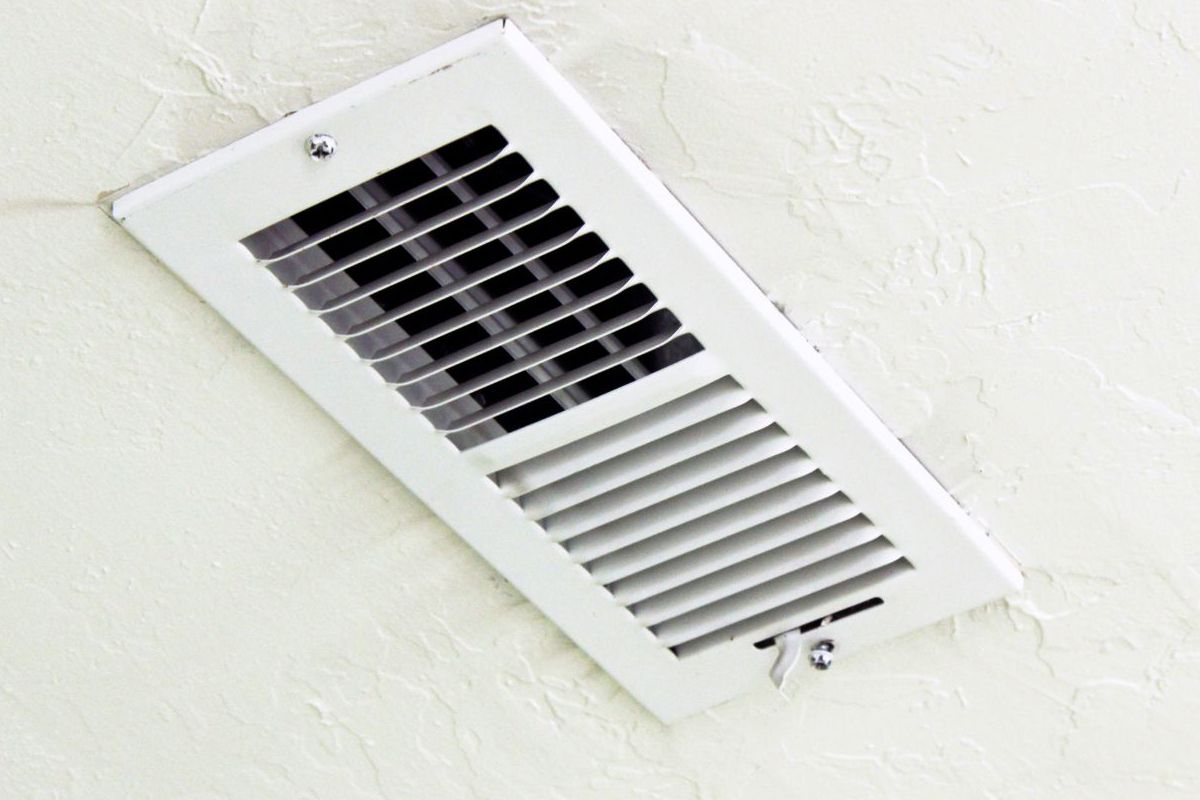
- Leaky ducts waste conditioned air and reduce overall efficiency.
- Mismatched thermostats create conflicting cooling cycles.
Result: Higher electric bills, shorter equipment life, and inconsistent comfort from room to room.
1. Schedule Biannual Maintenance for Every System
The simplest and most effective way to reduce energy waste is through regular professional maintenance. Each system in your home requires its own inspection and tune-up — ideally twice per year.
During a maintenance visit, our technicians:
- Clean coils and replace filters.
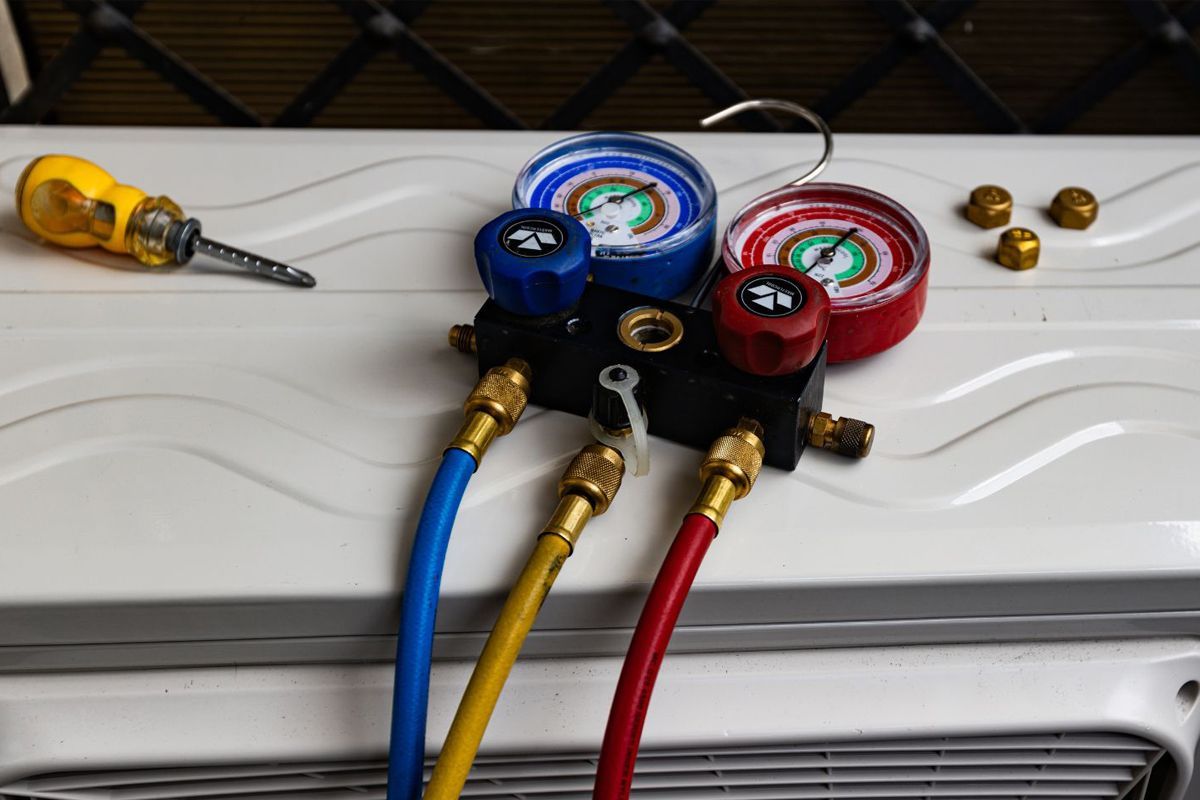
- Verify refrigerant levels.
- Inspect duct connections for leaks.
- Test airflow balance and thermostat accuracy.
A well-maintained system uses up to 20% less energy than a neglected one — and that savings multiplies when you have multiple systems.
2. Balance Thermostats Between Zones
In multi-system homes, thermostats should work together, not independently. If one zone is set significantly lower than another, the cooler area can cause the other system to overrun, wasting energy.
Best Practices:
- Keep thermostat settings within 2–3 degrees of each other.
- Use programmable or smart thermostats that coordinate across systems.
- Set schedules that reduce cooling in unused areas.
Pro Tip: Smart thermostats can learn your habits and adjust automatically, helping prevent overcooling and unnecessary runtime.
3. Check for Duct Leakage Between Systems
In larger homes, ductwork often serves multiple systems or zones. Even small leaks can cause significant energy loss, especially if the ducts are located in attics or crawl spaces.
Signs of Leaky Ducts:
- Warm or weak airflow in certain rooms.
- Visible dust near vents or registers.
- Uneven cooling despite similar thermostat settings.
Sealing and insulating ductwork can reduce energy waste by up to 30%, improving comfort and lowering utility costs across both systems.
4. Use Zoning to Optimize Cooling Demand
If your home doesn’t already have a zoning system, upgrading to one can dramatically improve energy efficiency. Zoning uses dampers and smart thermostats to direct conditioned air where it’s needed — and reduce it where it’s not.
Zoning Benefits for Multi-System Homes:
- Custom temperature control for each area
- Reduced strain on systems during low-demand hours
- Lower total runtime across both units
For large or luxury homes, zoning offers the best balance between comfort and efficiency.
5. Match Systems in Age and Technology When Possible
When one system is newer and more efficient than the other, the imbalance can create energy waste. The older unit may work harder to match the performance of the newer one, leading to uneven humidity control and increased wear.
If you replace one system:
- Consider upgrading the other within a few years for consistent performance.
- Use matching thermostat models for easier coordination.
- Have both systems serviced together to ensure balanced operation.
6. Mind the Details: Filters, Fans, and Airflow
Simple homeowner habits can make a big difference in multi-system energy efficiency:
- Replace filters every 30–60 days during heavy use.
- Keep vents and returns clear of furniture or drapes.
- Use ceiling fans to circulate cool air and reduce AC workload.
- Close doors to unused rooms during the day to reduce unnecessary cooling.
Small improvements in airflow and maintenance have a big cumulative effect on efficiency.
Energy Savings in a Belleair Two-System Home
A Belleair homeowner with a 3,800 sq. ft. property noticed rising utility bills despite having two relatively new AC systems. After a full inspection, our team discovered leaky ducts and mismatched thermostat settings between zones.
Following duct sealing and smart thermostat synchronization, the homeowner saw a 15% reduction in monthly energy use, while maintaining more consistent temperatures throughout the home.
Save Energy Without Sacrificing Comfort
Owning multiple AC systems should enhance your comfort, not inflate your power bill. With the right maintenance schedule, thermostat coordination, and airflow management, you can enjoy efficient, even cooling across your entire home.
At Williams Air Solutions, we specialize in optimizing multi-system HVAC setups for comfort, performance, and energy efficiency — tailored to Florida’s demanding climate.
Call Williams Air Solutions at (727) 353-0090 today to schedule a full home efficiency assessment for your multi-system HVAC setup.