Common Mistakes Homeowners Make With Multiple HVAC Units
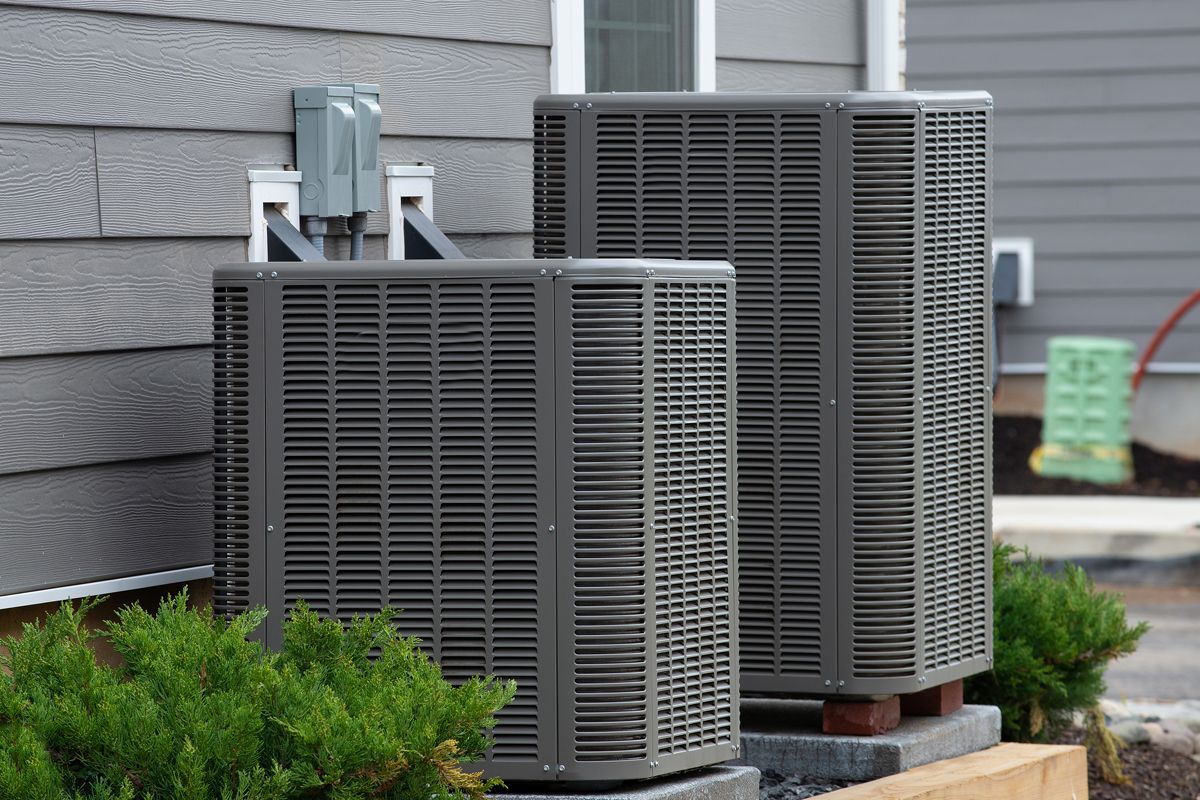
Many Florida homes — especially larger, two-story, or luxury properties — rely on two or more HVAC systems to keep indoor temperatures comfortable year-round. While multiple systems offer flexibility and better zone control, they also introduce new challenges that single-system homes never face.
When homeowners unknowingly misuse or mismanage multiple HVAC units, it often leads to higher electric bills, uneven cooling, and unnecessary wear that shortens system lifespan.
At Williams Air Solutions, we frequently see the same avoidable mistakes repeated across multi-system homes in Pinellas County. Addressing these issues early can make a huge difference in comfort, performance, and energy efficiency.
1. Servicing Only One System Instead of Both
One of the biggest mistakes homeowners make is maintaining one unit and ignoring the other. Even if one system appears to be running fine, both units need professional service at least twice a year.
When systems operate in different areas of the home, they influence each other’s workload. A neglected unit can cause:
- Higher runtime for the other system
- Humidity imbalance
- Poor airflow across floors
- Increased energy consumption
If your home has two units, treat them as a pair — not as independent appliances.
2. Setting Thermostats Too Far Apart
Multi-system homes often use separate thermostats for different levels. Large temperature gaps between floors can cause both units to run inefficiently.
For example:
If the downstairs thermostat is set to 73°F and upstairs is set to 68°F, the colder upstairs air will drift downward, forcing the downstairs system to run longer.
Best Practice:
Keep thermostat settings within 2–3 degrees of each other to avoid competing cycles.
3. Ignoring Humidity Management
Two AC systems do not automatically mean twice the humidity control. In fact, poorly balanced units can make humidity worse, especially if:
- One system short cycles
- A unit is oversized
- Filters aren’t replaced regularly
- Ducts are leaking or unbalanced
Humidity issues create discomfort, mold risk, and increased energy use.
Professional airflow and duct checks help keep both systems working efficiently together.
4. Running Both Systems Harder Instead of Smarter
Many homeowners attempt to cool the whole house by running both units at very low temperatures. This increases wear and dramatically raises power bills.
A better approach:
- Use smart thermostats to coordinate cooling
- Let one system take the lead during certain times of day
- Use ceiling fans strategically to support airflow
- Cool occupied areas more than unused ones
Optimization beats brute force every time.
5. Not Inspecting Ductwork for Both Systems
In many homes, each HVAC system may have separate ductwork—or partially shared ducts.
Common duct mistakes include:
- Leaks that cause one system to lose cooled air
- Poorly insulated ducts in attic spaces
- Incorrect duct sizing that restricts airflow
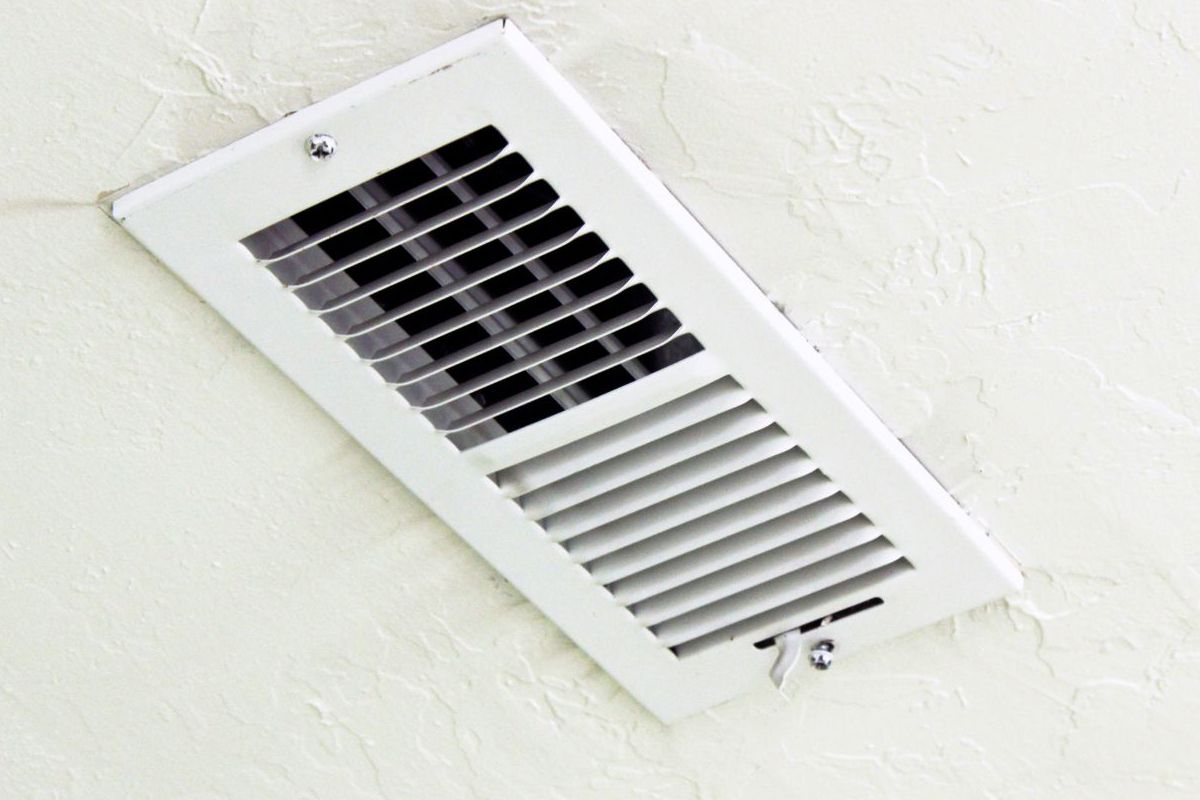
- Unbalanced registers leading to hot/cold zones
Leaky or inefficient ductwork can reduce system performance by up to 30%, especially in homes with multiple AC units.
6. Replacing One System and Leaving the Other Outdated
If one system is upgraded while the other is 10–15 years old, the mismatch causes efficiency and comfort issues. The older unit often struggles to match the performance of the newer model.
This leads to:
- Higher humidity
- Inconsistent temperatures
- Increased energy waste
- More frequent repairs
If replacing only one system makes sense financially, plan ahead to replace the second unit within a reasonable timeframe to keep performance balanced.
7. Forgetting to Use Smart Thermostats for Coordination
Without automation, homeowners often unintentionally create conflicting cooling patterns. Smart thermostats keep systems synchronized, preventing overcooling and reducing energy waste.
Benefits include:
- Coordinated zone control
- Reduced runtime during low-use periods
- Alerts for system issues
- Improved humidity management
A well-programmed set of smart thermostats can improve multi-system efficiency by 10–15%.
Balancing Two Units in a Seminole Home
A Seminole homeowner with two AC systems noticed a constant temperature battle between floors. After inspecting the ductwork, adjusting thermostat settings, and servicing both systems together, energy use dropped by 14%, and comfort improved across the entire home.
Avoid These Mistakes and Keep Your Multi-Unit Home Efficient
Managing two or more HVAC systems doesn’t have to be complicated. With regular maintenance, balanced thermostat settings, and proper airflow management, you can prevent energy waste and keep both units operating efficiently.
At Williams Air Solutions, we specialize in optimizing multi-system homes across Pinellas County for better comfort, lower costs, and long-term reliability.
Call Williams Air Solutions at (727) 353-0090 today to schedule a multi-system HVAC assessment for your home.