How to Keep Both AC Units Running Efficiently in a Multi-System House
Larger Florida homes and two-story properties frequently rely on more than one AC system to maintain comfort across multiple floors or living zones. While multi-system setups offer better control, they also introduce new challenges. Without the right strategy, one system often ends up working harder than the other, causing uneven cooling, rising energy bills, and unnecessary wear.
At Williams Air Solutions, we specialize in optimizing multi-system homes throughout Pinellas County. Here’s exactly how homeowners can keep both AC units running efficiently and working together — not in competition with each other.
1. Keep Thermostat Settings Within a 2–3 Degree Range
One of the most common mistakes in multi-system homes is setting thermostats too far apart. Large temperature gaps force the colder system to overcompensate while the other unit struggles to keep up.
Best Practice:
Keep thermostat setpoints within 2–3°F of each other. This allows both systems to share the cooling load evenly, improves humidity control, and prevents excessive runtime on one unit.
2. Replace Filters for Both Systems Regularly
Dirty filters destroy airflow and push one AC system to search for circulation help — often causing imbalance between floors or zones.
Florida guideline:
Replace filters every 30–60 days during cooling season — or more frequently if you have pets or multiple occupants.
Always service and replace both filters at the same time.
3. Schedule Maintenance for Both Units Together
Maintaining only one system while neglecting the other is a costly mistake. Both units experience similar environmental stress and runtime demand. If only one receives maintenance, performance imbalance happens quickly.
Biannual tune-ups on both systems ensure:
- Balanced airflow
- Peak dehumidification
- Correct refrigerant pressures
- Clean coils for both units
- Reduced repair risk
4. Balance Airflow Through Duct Inspection & Sealing
Duct issues are one of the top causes of multi-system inefficiency.
Common problems include:
- Leaks draining cooling power into the attic
- Weak insulation causing heat gain
- Collapsed duct sections
- Improper sizing for zone loads
A professional duct assessment helps ensure each system delivers airflow where it’s needed — eliminating hot spots and wasted capacity.
5. Use Smart Thermostats for Coordination
Smart thermostats allow homeowners to sync system schedules — preventing cooling overlap and unnecessary cycling.
They help by:
- Automating multi-zone cooling routines
- Balancing upstairs vs. downstairs humidity levels
- Reducing cooling during work hours or overnight
- Preventing temperature conflicts
Most Florida multi-system homes see energy savings of 10–15% from smart thermostat coordination alone.
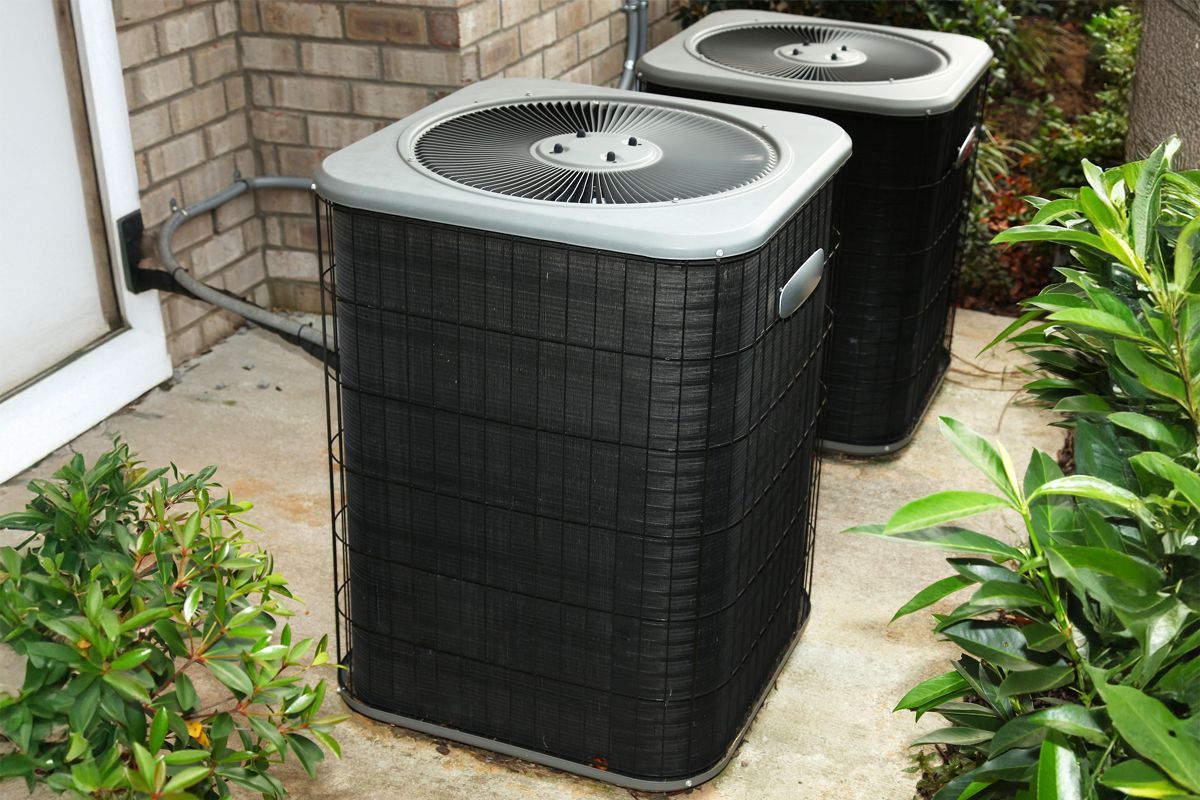
6. Keep Condenser Coils Clean and Clear
Outdoor units lose efficiency quickly from dirt buildup, salt air corrosion, and debris — especially near Florida’s coast.
For optimal performance:
- Rinse condenser coils when dirt accumulates
- Keep vegetation at least 24 inches away from each unit
- Remove leaves and debris regularly
Dirty coils force compressors to run longer and harder — increasing wear and energy use.
7. Address Humidity Before Adjusting Temperatures
Many cooling issues blamed on temperature are actually caused by humidity imbalance.
Instead of lowering thermostats:
- Ask for a humidity assessment
- Consider whole-home dehumidification
- Upgrade to variable-speed equipment
Lower humidity means your home feels cooler even at higher temperatures — reducing strain on both units.
8. Plan Replacement Strategically
If one system is aging or inefficient compared to the other, imbalance becomes inevitable. Older units struggle to match the output and efficiency of newer replacements.
Best Practices:
- Replace aging systems within a reasonable timeframe
- Match SEER2 ratings when installing new equipment
- Balance available capacity between zones
Whenever possible, replace systems in matched pairs for best performance.
Coordinating Two Systems in Dunedin
A Dunedin homeowner experienced constant upstairs discomfort and long runtimes on their downstairs unit. After a full duct inspection, thermostat recalibration, and synchronized maintenance, both systems began sharing workload evenly.
Results:
- Basement and upstairs cooled consistently
- Humidity level improved
- Monthly electric use dropped 13%
Efficiency Comes from System Balance — Not Just New Equipment
Running multiple AC units efficiently isn’t about overcooling or buying new units prematurely — it’s about ensuring balance, airflow, humidity control, and smart coordination.
At Williams Air Solutions, we specialize in multi-system performance optimization for Florida homes — diagnosing inefficiencies and keeping your systems working together at maximum efficiency.
Call Williams Air Solutions at (727) 353-0090 to schedule a multi-system performance evaluation for your home.