What to Expect During a Whole-Home HVAC System Replacement
A whole-home HVAC system replacement is a major investment, and most homeowners want to know exactly what the process will look like before the work begins. That is a smart approach. Replacing a heating and cooling system is not just about putting in new equipment. It is about making sure the home gets the right system, the installation is done correctly, and the finished result improves comfort, efficiency, and long-term reliability.
For homeowners in Pinellas County, Florida, this is especially important. Air conditioning systems in this area work hard for much of the year. High humidity, long cooling seasons, attic heat, ductwork conditions, and overall home performance all affect how well a new system will perform after installation. That means a quality replacement should involve more than removing an old unit and setting a new one in place.
If you are preparing for a whole-home HVAC system replacement, here is what you should expect from the process.
It Starts With a Full Evaluation of the Existing System
A proper whole-home HVAC replacement should begin with a complete evaluation of the current system and the home itself.
This usually includes looking at:
- the age and condition of the current equipment
- cooling and heating performance issues
- airflow concerns
- ductwork condition
- attic conditions
- insulation concerns that affect system load
- thermostat setup
- electrical service requirements
- drainage and line set conditions
- comfort complaints in specific rooms
A homeowner in Belleair may call because the system is old and no longer cooling the house evenly. During the inspection, the issue may turn out to involve more than equipment age. The home may also have attic duct leaks, poor airflow to certain rooms, return air limitations, or drain line concerns that need to be addressed as part of the replacement.
That is why
an experienced HVAC company looks at the full system environment, not just the old outdoor unit.
System Sizing Should Be Based on the Home, Not the Old Unit
One of the most important parts of a whole-home replacement is selecting the right size system.
A common mistake is assuming the new unit should be the same size as the old one. That is not always correct. The old system may have been oversized, undersized, or installed without accounting for changes the home has gone through over time.
Proper sizing should consider:
- square footage
- insulation levels
- window exposure
- ceiling height
- home layout
- attic conditions
- duct design
- occupancy patterns
- heat gain and humidity load
In Florida, accurate sizing matters because oversized systems can short cycle and leave humidity behind, while undersized systems may run too long and struggle during the hottest months. A properly sized replacement helps balance comfort, efficiency, and moisture control.
You Should Expect a Discussion About Equipment Options
A whole-home HVAC replacement is not always one-size-fits-all. Homeowners should expect to review system options based on the needs of the home and their budget.
This may include choices involving:
- efficiency ratings
- single-stage or multi-stage operation
- variable-speed options
- heat pump or straight cool configurations
- thermostat upgrades
- indoor air quality add-ons
- warranty coverage
- manufacturer recommendations
A good HVAC contractor should explain the differences clearly and help the homeowner understand what fits the property best. The goal should not be to push the most expensive system. The goal should be to recommend the system that makes sense for the home, usage pattern, and performance goals.
For example, a homeowner in Pinellas County may benefit from improved humidity control and better airflow management, not just a higher equipment rating on paper.
Ductwork May Need to Be Addressed Too
One of the biggest surprises for homeowners during HVAC replacement is learning that the duct system may also need attention.
If the ductwork is leaking, undersized, poorly designed, damaged, or inadequately insulated, the new system may not perform the way it should. In many homes, the duct system plays just as large a role in comfort as the equipment itself.
During a whole-home replacement, the contractor may recommend:
- duct sealing
- duct modifications
- replacing damaged sections
- improving return airflow
- adjusting supply runs
- insulating attic ductwork
- redesigning airflow to problem areas
A homeowner may expect a new system to solve hot and cold spots automatically. But if those comfort issues are being caused by duct design problems, the replacement should address those issues as part of the bigger plan.
The Installation Day Involves More Than Swapping Equipment
Many homeowners picture replacement day as a simple equipment swap. In reality, a full HVAC replacement usually involves several detailed steps.
Depending on the system and home layout, the installation may include:
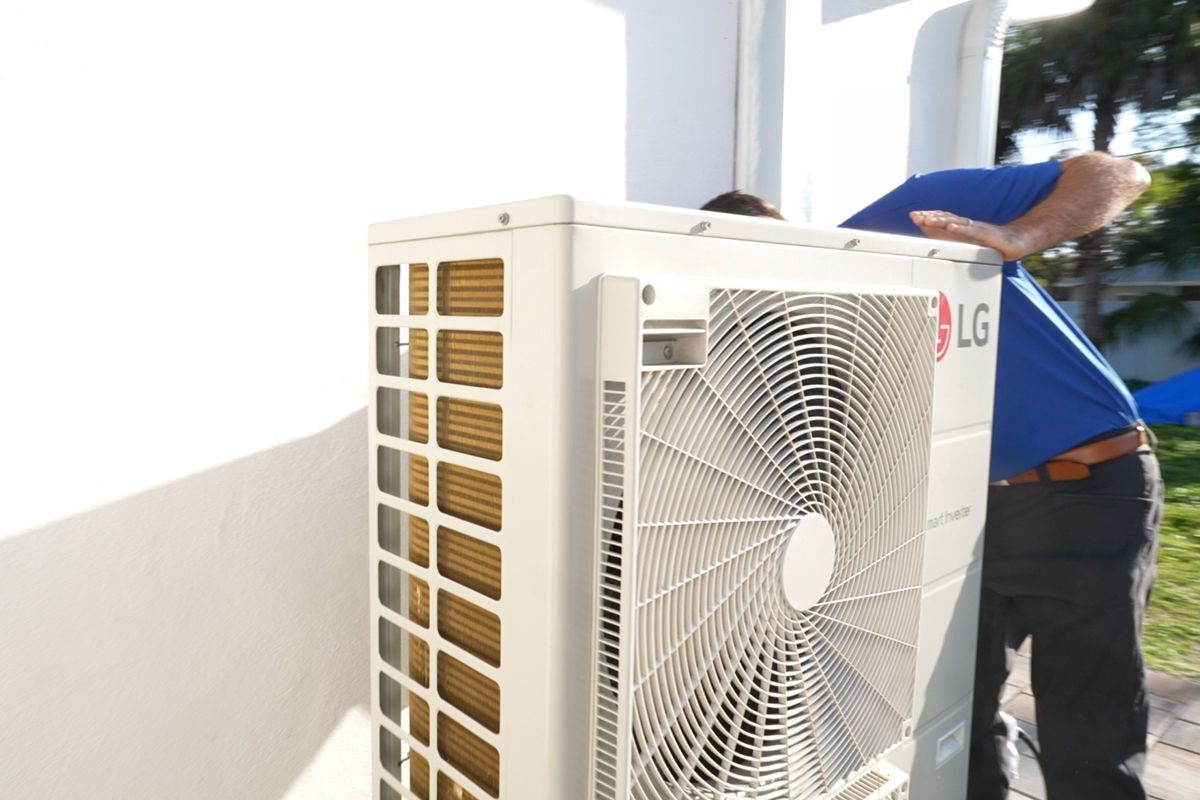
- removing the old outdoor unit
- removing the old indoor air handler or furnace
- disconnecting and reconnecting electrical components
- updating refrigerant lines or line set connections
- replacing drain components
- installing new equipment pads or mounting elements if needed
- connecting and sealing supply and return plenums
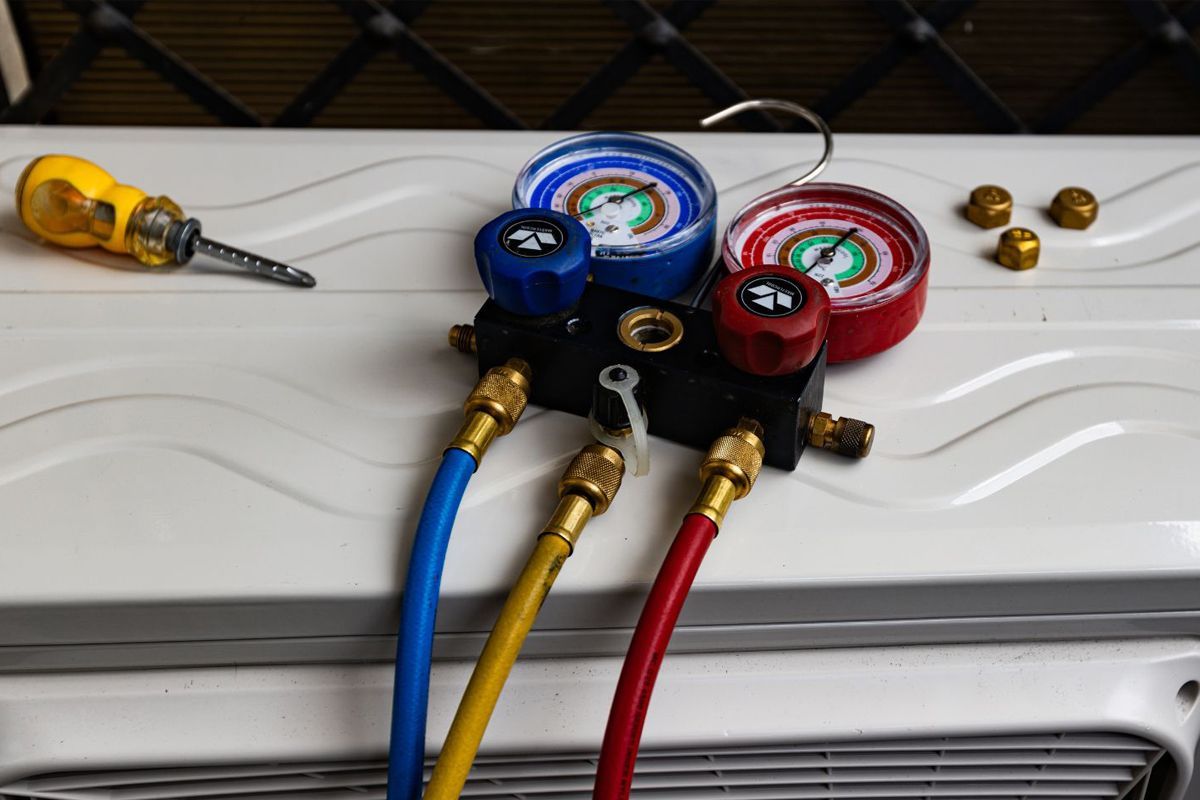
- pressure testing and verifying proper refrigerant setup
- updating thermostat wiring and controls
- testing system startup and operation
If the system is located in an attic, the work may also involve navigating limited access, heat exposure, and the need to protect surrounding areas of the home during removal and installation.
This is why quality installation matters. The system’s performance depends heavily on how well every part of the installation is handled.
Some Temporary Downtime Is Normal
During a whole-home HVAC replacement, homeowners should expect the home to be without heating and cooling for part of the installation process.
The length of that downtime depends on the complexity of the job, whether ductwork modifications are involved, and whether additional upgrades are being made. Most homeowners should be prepared for the system to be offline while the old equipment is removed and the new system is installed and tested.
A professional company should communicate clearly about the expected schedule so there are no surprises. In Florida, where indoor heat can build quickly, timing and coordination matter.
Refrigerant, Drainage, and Airflow Need to Be Set Up Correctly
A successful HVAC replacement is not just about making the equipment run. It is about making the system run correctly.
That means the installation should include attention to:
- proper refrigerant charge
- clean and secure electrical connections
- correct condensate drainage setup
- safe float switch or overflow protection when needed
- sealed duct transitions
- blower performance
- airflow balance
- thermostat calibration
- complete startup testing
These details matter because even high-quality equipment can perform poorly if installation practices are rushed or incomplete.
For example, improper drainage can lead to water problems. Improper airflow can reduce comfort and efficiency. Incorrect refrigerant charge can affect cooling capacity and place strain on the compressor. Homeowners should expect these areas to be part of the process, not afterthoughts.
The Thermostat and Controls May Be Upgraded
A home system replacement often includes a new thermostat or updated control setup.
Newer systems may require compatible controls to operate correctly. In some cases, homeowners also choose to upgrade to a programmable or smart thermostat for better control over temperature scheduling and efficiency.
This part of the process should include:
- thermostat installation
- setup and programming
- explanation of basic operation
- review of system settings
- confirmation that the system is responding properly
If the home has comfort concerns in certain areas or changing daily usage patterns, thermostat programming can play a role in helping the new system perform better.
The Contractor Should Test the System Before Finishing
Before the installation is considered complete, the HVAC company should fully test the system.
This should include checking:
- cooling operation
- airflow performance
- thermostat communication
- refrigerant pressures or system performance readings
- condensate drainage
- electrical operation
- startup and shutdown cycles
- temperature response
This testing helps confirm the system is operating the way it should and gives the homeowner more confidence that the replacement was completed properly.
A reputable company should not treat installation as finished the moment the equipment powers on. The system should be evaluated as a complete operating setup.
You Should Receive a Walkthrough of the New System
Homeowners should expect a basic walkthrough once the job is complete.
That walkthrough should cover:
- how the thermostat works
- how often filters should be checked or replaced
- what maintenance is recommended
- what signs to watch for if service is needed
- warranty information
- what was replaced and why
- any recommendations for future duct or airflow improvements if applicable
This is especially helpful for homeowners upgrading from older equipment to newer systems with different controls or efficiency features.
A good installation experience includes making sure the homeowner understands the new system, not just leaving once the equipment is running.
Whole-Home Replacement May Reveal Other Issues
In some cases, replacing the HVAC system uncovers other conditions that should be addressed.
This might include:
- aging or leaking ductwork
- inadequate insulation
- return air limitations
- electrical upgrades
- damaged drain pans
- line set concerns
- attic access issues
- ventilation concerns
That does not mean every replacement becomes a larger project, but homeowners should understand that a complete evaluation sometimes reveals problems the old system was already struggling with. Addressing those issues often helps the new system perform much better in the long run.
What the Process Looks Like
A homeowner in Belleair may have a 15-year-old system that still runs, but it no longer keeps the home comfortable during the afternoon. Utility bills are high, humidity feels worse than it used to, and one side of the house stays warmer.
During the evaluation, the contractor finds that the equipment is aging, the airflow is restricted, and the attic ductwork has leakage that is affecting several rooms. The replacement plan includes a properly sized new system, updated thermostat controls, and duct improvements to restore airflow to the warm side of the house.
On installation day, the old equipment is removed, the new system is installed, the duct connections are sealed and adjusted, and the new system is tested for airflow, drainage, and cooling operation. Once complete, the homeowner receives a walkthrough of filter maintenance and thermostat use.
That is a much different process than simply replacing a box outside and hoping the comfort issues disappear.
Why the Process Matters So Much in Pinellas County
In Pinellas County, a whole-home HVAC replacement needs to reflect local conditions. Long cooling seasons, high humidity, attic heat, and coastal environmental exposure all affect system performance.
That is why local homeowners should expect more than a quick equipment swap. A replacement that considers airflow, moisture control, duct performance, and full system design is much more likely to deliver the comfort and efficiency expected from the investment.
A system installed without those considerations may still cool the home, but it may not solve the larger performance problems that led to replacement in the first place.
During a HVAC system replacement, homeowners should expect a full evaluation, proper system sizing, discussion of equipment options, careful installation, complete testing, and a walkthrough of the finished system. A quality replacement is about more than new equipment. It is about making sure the entire system is prepared to deliver better comfort, efficiency, and reliability.
At Williams Air Solutions, we take a complete system approach to HVAC replacement for homeowners in Belleair and throughout Pinellas County. That means evaluating the home, the ductwork, the airflow, and the installation conditions so your new system is set up to perform the way it should. When done correctly, a whole-home HVAC replacement can be a major improvement in comfort and long-term system performance.
Call Williams Air Solutions at (727) 353-0090 to schedule AC installation service anywhere in Pinellas County.