What Happens When an AC Contactor Fails? | Williams Air Solutions
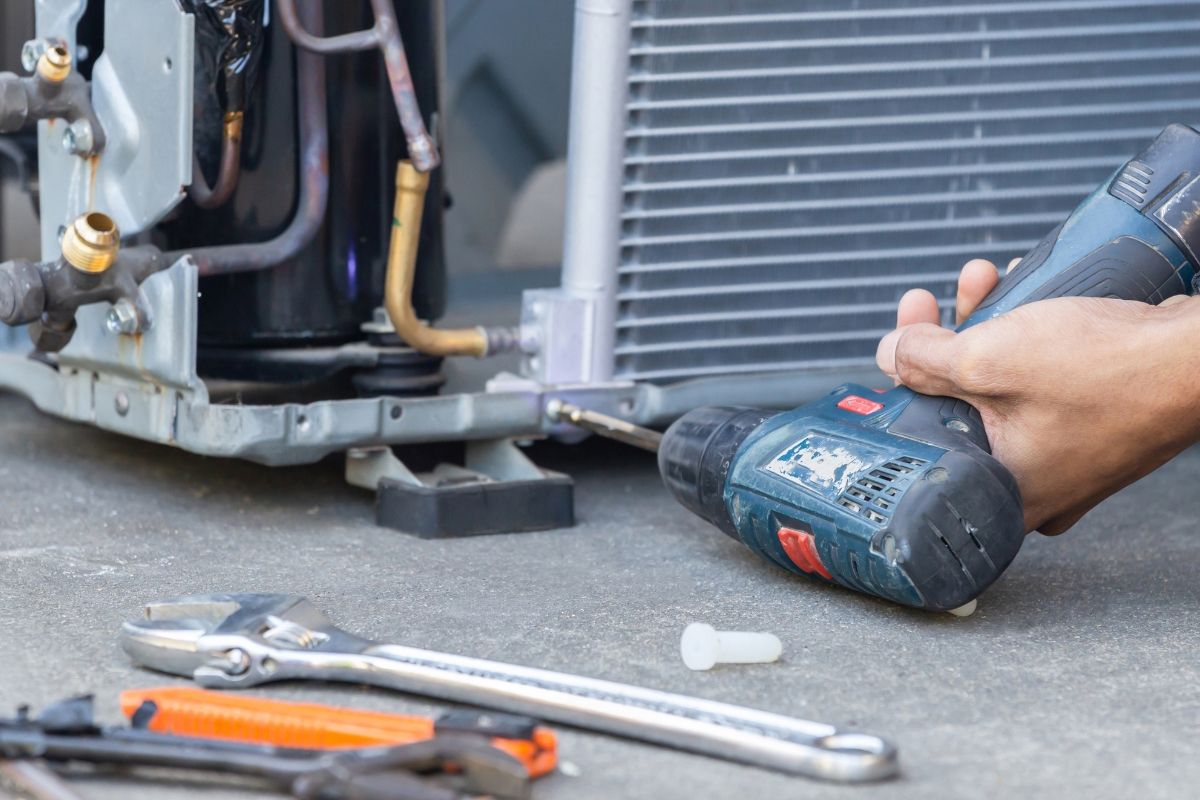
When an air conditioner suddenly stops turning on, homeowners often assume the compressor or thermostat has failed. In many cases, the real culprit is much simpler, a failed AC contactor. Despite its small size, the contactor plays a critical role in system operation, and when it fails, your AC can stop working altogether.
At Williams Air Solutions, contactor failure is one of the most common electrical repairs we perform in Pinellas County, especially during Florida’s peak cooling season. Understanding what a contactor does, and what happens when it fails, can help homeowners recognize problems early and
avoid bigger repairs.
What Is an AC Contactor?
The contactor is an electrical switch located in the outdoor AC unit. Its job is to:
- Receive the signal from the thermostat
- Allow high-voltage power to flow to the compressor and condenser fan
- Shut power off when cooling is no longer needed
Every time your AC turns on and off, the contactor engages and disengages.
Why AC Contactors Fail So Often in Florida
1. Heat and Electrical Stress
Florida heat puts constant strain on electrical components. Contactors:
- Operate outdoors
- Are exposed to high temperatures
- Handle high electrical loads
Over time, heat causes contacts to wear, pit, or burn.
2. Long Run Times
Florida AC systems cycle far more often than those in cooler climates.
Frequent cycling causes:
- Mechanical wear on the contact points
- Weakened electrical connections
- Reduced reliability
The more often a contactor engages, the faster it wears out.
3. Moisture, Humidity, and Corrosion
High humidity and moisture intrusion can:
- Corrode contact points
- Interfere with electrical conductivity
- Cause the contactor to stick or fail
Storm season often accelerates this type of damage.
4. Power Surges and Electrical Fluctuations
Lightning strikes and power outages can:
- Weld contact points together
- Damage coils
- Cause premature failure
Electrical instability is a major contributor to contactor issues in Florida homes.
What Happens When an AC Contactor Fails
1. The AC Won’t Turn On at All
If the contactor fails to close:
- Power never reaches the compressor
- The outdoor unit won’t run
- Cooling stops completely
This often looks like a total system failure.
2. The AC Gets Stuck Running
If the contactor sticks in the “closed” position:
- The system may run nonstop
- The AC won’t shut off when it should
- Energy bills rise quickly
This condition can also cause serious system strain.
3. Intermittent Cooling
A weakening contactor may:
- Work sometimes and fail at other times
- Cause random shutdowns
- Create inconsistent cooling
These symptoms are often mistaken for thermostat or refrigerant problems.
4. Buzzing or Chattering Noises
Electrical contact issues can produce:
- Buzzing sounds
- Chattering or clicking noises
These sounds often come from the outdoor unit and indicate failing electrical contacts.
5. Electrical Component Damage
A failing contactor can:
- Damage capacitors
- Stress motors
- Overheat wiring
Ignoring contactor problems can lead to much more
expensive repairs.
Why Contactor Failure Often Feels “Sudden”
Like capacitors, contactors often fail completely rather than gradually. Contacts wear down over time, but the final failure usually happens during:
- A heat wave
- A power surge
- A heavy run cycle
This is why contactor failures often occur on the hottest days.
Pinellas County No-Cooling Call
A Pinellas County homeowner reported their AC stopped working overnight. Inspection revealed a burned contactor that failed to deliver power to the compressor. Replacing the contactor restored cooling quickly and prevented further electrical damage.
Why Contactor Replacement Is Not a DIY Repair
Contactors carry high-voltage electricity.
Improper handling can:
- Cause serious injury
- Damage other components
- Create fire hazards
Replacement should always be done by a licensed HVAC professional.
How Preventive Maintenance Helps Prevent Contactor Failure
During routine maintenance, technicians:
- Inspect contact surfaces
- Test electrical resistance
- Identify overheating or corrosion
Catching a weak contactor early prevents sudden breakdowns.
How Long Do Contactors Typically Last in Florida?
Most contactors last:
- 5–10 years, depending on usage and exposure
Florida conditions often shorten lifespan without regular inspections.
Small Part, Big Consequences
An AC contactor may be a small component, but when it fails, your entire cooling system can shut down or run uncontrollably. In Florida’s heat, contactor issues should be addressed immediately to prevent damage and restore comfort.
At Williams Air Solutions, we diagnose electrical issues accurately and replace failed contactors safely — keeping your AC reliable when you need it most.
Call Williams Air Solutions at (727) 353-0090 for professional AC repair in Pinellas County.