Why Professional HVAC Installation Takes Longer Than Some Homeowners Expect
Many homeowners assume HVAC installation is a simple swap. The old system comes out, the new system goes in, the thermostat gets set, and the house starts cooling again. From the outside, it can seem like a straightforward job that should move quickly from start to finish.
In reality, professional HVAC installation often takes longer than homeowners expect because a proper installation involves much more than replacing equipment. The goal is not just to make the system turn on. The goal is to make sure the new system is correctly sized, properly connected, safely installed, thoroughly tested, and set up to perform efficiently for years.
For homeowners in Pinellas County, Florida, this matters even more. HVAC systems here deal with long cooling seasons, high humidity, attic heat, ductwork challenges, and heavy demand for much of the year. A rushed installation may save time in the moment, but it often creates performance problems, comfort issues, and avoidable repair costs later.
HVAC Installation Is More Than Removing and Replacing Equipment
One of the biggest reasons installation takes time is that the work involves much more than removing an old outdoor unit and setting in a new one.
A full installation may include:
- removing the old indoor and outdoor equipment
- updating refrigerant line connections
- checking or replacing electrical components
- adjusting or rebuilding drain connections
- sealing supply and return transitions
- verifying airflow
- setting up thermostat controls
- testing cooling operation
- confirming safe and proper startup
Even if two systems look similar from the outside, the installation details can be very different depending on the home, the duct system, the attic conditions, and the equipment being installed.
A homeowner in Belleair may see the outdoor unit being replaced and assume most of the work is done, while the real setup and fine-tuning is still happening inside the air handler, duct transitions, electrical connections, and startup testing.
Proper Sizing and Planning Happen Before and During Installation
A professional HVAC installation starts with making sure the system is appropriate for the home.
That means the contractor should be thinking about:
- the size of the home
- insulation and attic conditions
- airflow demands
- duct system performance
- humidity control needs
- thermostat setup
- electrical requirements
- installation access
This is important because the right installation is not always a direct copy of the old system. In some homes, the existing equipment may have been oversized, undersized, or paired with duct issues that affected performance.
Taking the time to plan correctly helps prevent bigger problems later. A rushed installation that focuses only on speed can leave homeowners with a system that cools, but does not cool well.
The Old Equipment Has to Be Removed Carefully
Removing the old system takes time, especially when the indoor unit is located in a tight attic, closet, garage platform, or other difficult space.
This part of the job may involve:
- disconnecting refrigerant lines safely
- disconnecting electrical service
- removing drain components
- protecting surrounding parts of the home
- navigating tight attic access
- removing large equipment without damaging nearby areas
In Florida homes, attic-based air handlers often make the removal process more difficult than homeowners expect. The space may be hot, tight, and hard to move through. The same is true in some utility closets or older home layouts where access was never designed with future replacement in mind.
Removing the equipment correctly takes more time than simply pulling it out quickly, but it helps prevent damage and supports a cleaner installation overall.
Duct Connections Often Need More Work Than Expected
One of the biggest reasons HVAC installation takes longer is that duct connections rarely line up perfectly with the new equipment.
That means installers often need to:
- modify plenums
- rebuild transitions
- reseal supply and return connections
- correct poorly fitting duct interfaces
- improve insulation around certain sections
- make adjustments for better airflow
This matters because the duct system is what delivers conditioned air throughout the home. If those connections are loose, poorly sealed, or rushed, the new system may lose airflow, waste cooled air, and perform below expectations.
Homeowners sometimes expect installation to move quickly because the equipment size looks similar, but the internal connections still need to be rebuilt carefully so the system performs the way it should.
Drainage Setup Must Be Done Correctly
In Florida, drainage is a major part of HVAC installation.
As the system cools the home, it also removes humidity, and that moisture has to drain away properly. A professional installation takes time because the drain system needs to be set up and checked carefully.
This may include:
- reconnecting or rebuilding drain lines
- checking slope and drainage path
- installing or verifying float switches
- inspecting secondary drain pans
- making sure water leaves the unit properly
A rushed drain setup can lead to leaks, safety switch shutdowns, ceiling stains, or moisture damage later. Because Pinellas County homes deal with high humidity for much of the year, correct condensate drainage is not a small detail. It is a critical part of long-term system performance.
Electrical Work Requires Accuracy, Not Speed
HVAC systems rely on electrical components for startup, fan operation, compressor function, controls, and safe system cycling. During installation, electrical work needs to be handled carefully and correctly.
This may involve:
- disconnecting old power safely
- verifying electrical compatibility
- making secure new connections
- checking breakers and disconnects
- updating wiring where needed
- connecting thermostat controls
- confirming safe voltage and operation
Electrical work is one of the areas where rushing creates real risk. Poor connections, loose terminals, or mismatched controls can lead to startup problems, premature component wear, or service calls soon after installation.
A professional installation takes longer because electrical accuracy matters more than moving fast.
Refrigerant Line Work Needs to Be Done the Right Way
The refrigerant side of the system is another major reason installation takes time.
The line set and related connections must be handled properly so the new equipment can operate efficiently and reliably. Depending on the installation, this may involve:
- evaluating the existing line set
- replacing or modifying line connections
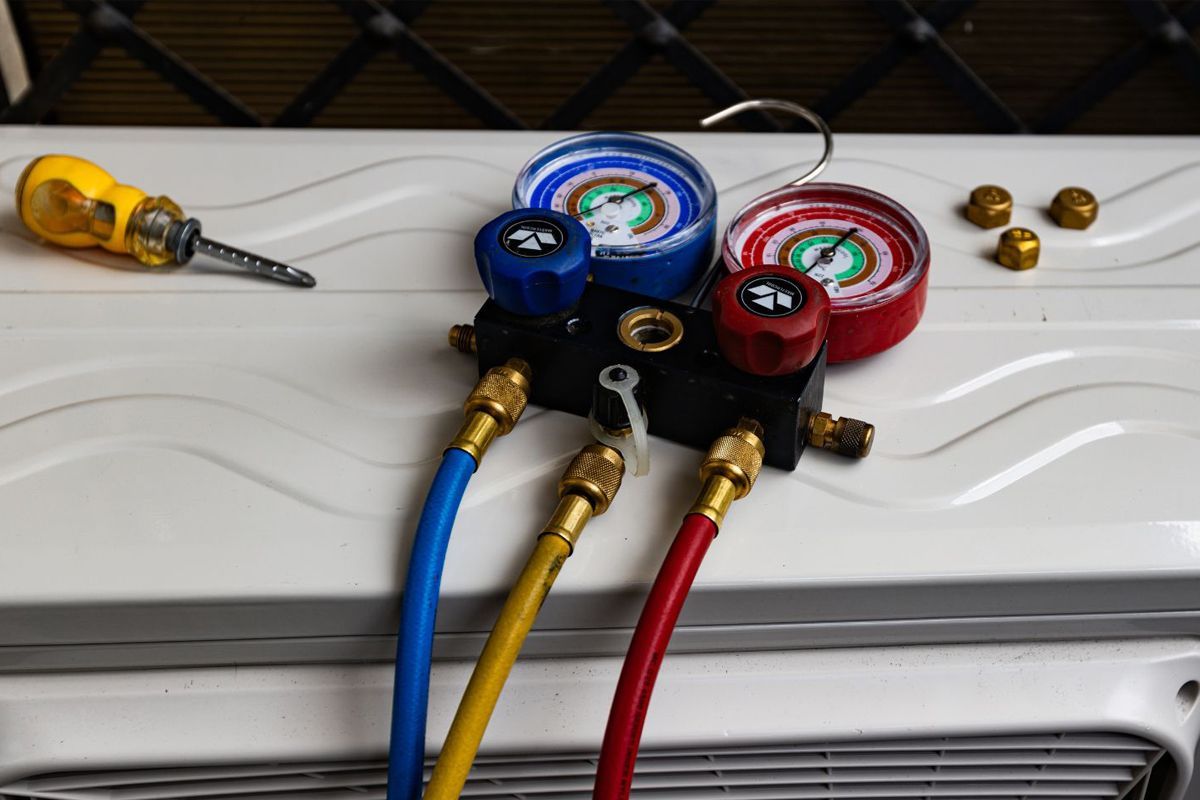
- pressure testing
- verifying line condition
- confirming proper setup before startup
- checking final operating performance
This is not the kind of work that should be rushed. Even if the system powers on, poor refrigerant setup can affect efficiency, cooling capacity, and compressor life.
Homeowners may only see the equipment change, but much of the quality of the installation depends on work they never see inside the lines and connections.
Airflow Has to Be Checked, Not Assumed
One reason professional installation takes longer is that airflow cannot simply be assumed to be correct.
The system needs to move the right amount of air across the indoor coil and throughout the ductwork. If airflow is not right, the new system may have:
- weak cooling performance
- poor humidity control
- uneven room temperatures
- longer run times
- extra strain on the blower and compressor
A proper installation includes checking airflow-related conditions and making adjustments where needed. This is especially important in homes that already had comfort issues before replacement.
A homeowner may expect the new system to automatically solve uneven cooling, but if airflow and duct delivery are not verified during installation, the same complaints may remain.
Thermostat and Controls Need to Be Set Up Properly
Installing the thermostat is not always as simple as mounting a new control on the wall.
The installer may need to:
- connect new thermostat wiring
- verify compatibility
- program temperature settings
- set operating modes
- confirm communication between indoor and outdoor components
- explain system controls to the homeowner
This becomes even more important with newer systems that include upgraded control options, smart thermostats, or variable-speed features. If the controls are not set up properly, the system may not operate as intended.
Professional installation takes longer because these settings and connections need to be correct before the job is truly complete.
Startup Testing Takes Time but Protects Performance
A quality HVAC installation does not end the moment the equipment turns on.
Once the system is installed, it still needs to be tested. That includes checking:
- thermostat response
- cooling operation
- airflow
- refrigerant-related performance
- electrical readings
- drain function
- system cycling
- temperature response
- overall startup behavior
This is one of the most important parts of the process because it confirms the installation is working as intended. If something is off, it is far better to identify it during installation than after the crew leaves.
A rushed job may skip or shorten this step. A professional installation takes longer because testing is part of doing the work correctly.
Attic and Access Conditions Slow the Process Down
In many Florida homes, the air handler is located in the attic. That alone can add time to the installation process.
Attic installations are often slower because of:
- tight working space
- limited movement
- extreme heat
- difficult equipment handling
- the need to protect ceilings and access points
- extra effort required for duct and drain work
A homeowner may compare their installation to a friend’s home without realizing that the location of the equipment changes the labor involved significantly. A garage-based or easily accessible system may move faster than an attic installation in a tight, high-heat environment.
This is one reason installation times can vary widely from one home to another.
Quality Installers Take Time to Address Unexpected Issues
Another reason installation takes longer than expected is that older systems often reveal hidden problems once removal begins.
These may include:
- damaged duct connections
- poor previous workmanship
- aging drain pans
- corroded electrical areas
- line set concerns
- return air restrictions
- framing or access challenges
- insulation issues near the system
A professional contractor does not ignore these issues just to stay on a faster schedule. Addressing them may take more time, but it improves the final result and helps protect the homeowner from future problems.
Homeowners sometimes see this as a delay, but in many cases it is a sign that the installation is being handled thoroughly instead of carelessly.
Rushed HVAC Installations Usually Cost More Later
One of the biggest misconceptions is that faster always means better. In HVAC installation, rushing often leads to:
- airflow problems
- poor humidity control
- drain issues
- noisy operation
- lower efficiency
- early service calls
- reduced equipment life
- uneven cooling
A professional installation takes longer because the contractor is working to avoid those problems from the start.
In Pinellas County, where HVAC systems run hard for much of the year, installation quality matters. A system that is rushed into place may still cool the home, but it may not deliver the comfort, moisture control, and reliability the homeowner expected.
Why Installation Takes Time
A homeowner in Belleair replaces an older system and expects the installation to be a quick same-day equipment swap. Once the job begins, the crew finds that the attic air handler is difficult to access, the old duct transition does not match the new equipment properly, the drain setup needs updating, and the return connection needs improvement.
From the homeowner’s perspective, it may seem like the job is taking longer than expected. But each of those steps is directly tied to how well the new system will perform after installation. If the contractor rushed through those details, the new equipment might cool the house but still suffer from airflow issues, drainage problems, or reduced efficiency.
That is exactly why professional installation takes time.
Why This Matters So Much in Pinellas County
In Pinellas County, HVAC systems are not lightly used. They face long cooling seasons, heavy humidity, attic heat, and frequent demand.
That means the quality of the installation has a direct effect on:
- comfort
- humidity control
- efficiency
- reliability
- system lifespan
For homeowners in Belleair and surrounding areas, installation is not just about getting cold air again quickly. It is about making sure the new system is set up to handle Florida conditions the right way.
A proper installation may take longer, but that time is often what separates a system that only runs from a system that performs well.
Professional HVAC installation takes longer than some homeowners expect because it involves much more than replacing equipment. A proper installation includes careful removal, duct connection work, drainage setup, electrical accuracy, refrigerant line work, airflow evaluation, thermostat configuration, and full startup testing.
At Williams Air Solutions, we take a complete system approach to HVAC installation for homeowners in Belleair and throughout Pinellas County. That means taking the time to install the system correctly so it can deliver reliable cooling, better humidity control, and long-term performance in real Florida conditions. A quality installation is not about moving as fast as possible. It is about doing the work the right way from the start.
Call Williams Air Solutions at (727) 353-0090 to schedule AC service anywhere in Pinellas County.