What to Know About Replacing HVAC Equipment in an Older Florida Home
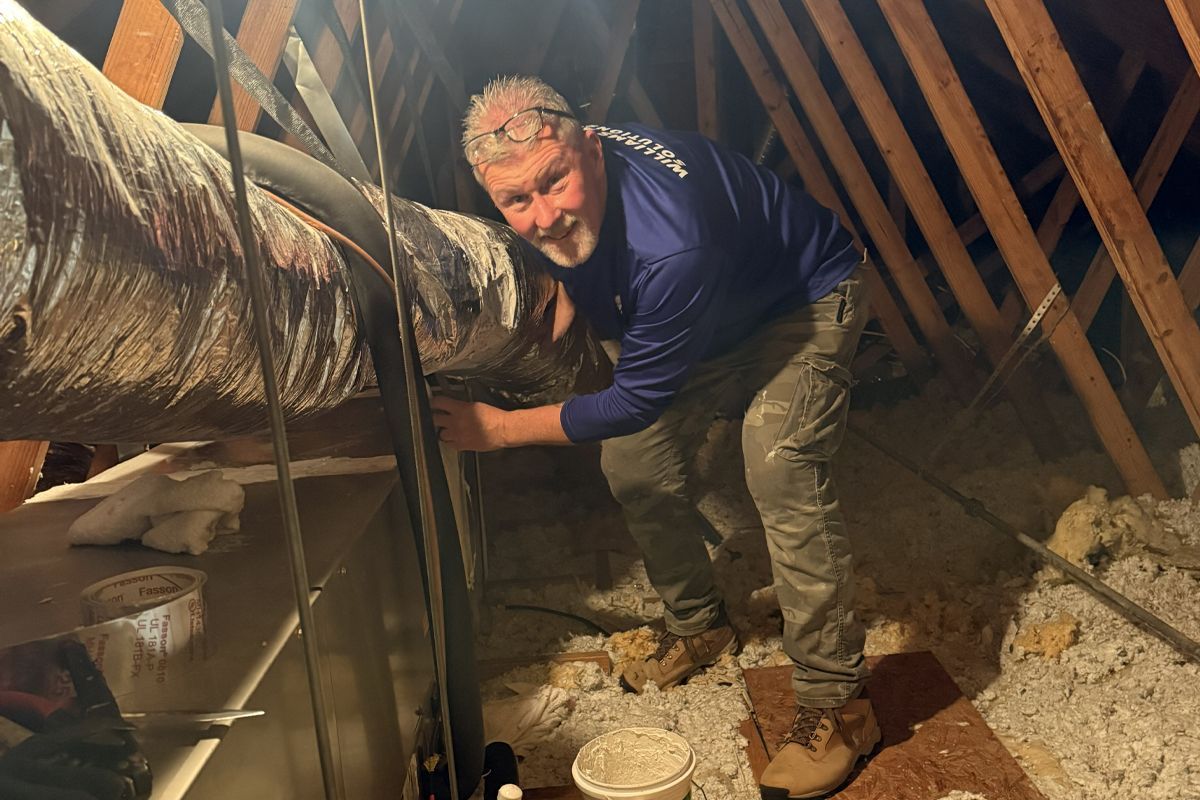
Replacing HVAC equipment in an older Florida home is rarely as simple as swapping out an old unit for a new one. In many cases, the age of the home affects far more than the equipment itself. Ductwork, insulation, attic conditions, airflow design, electrical capacity,
thermostat placement, and even how the home was originally built can all influence how well a new system will perform.
That matters because a new air conditioner can only do its job well if the rest of the system and the home support it. If those factors are ignored, homeowners can spend money on new equipment and still end up with uneven cooling, high humidity, long run times, and energy bills that do not improve the way they expected.
For homeowners in Belleair and throughout Pinellas County, replacing HVAC equipment in an older Florida home should be treated as a full-system evaluation, not just an equipment upgrade.
Older Homes Often Have HVAC Challenges That Newer Homes Do Not
Many older Florida homes were built under different standards than newer homes. Some were designed before current energy-efficiency expectations, before modern comfort standards, or before the home’s current layout and usage patterns even existed.
That can mean the house has:
- older ductwork
- less insulation
- air leaks in key areas
- outdated return-air design
- limited attic access
- older electrical components
- room additions that changed the home’s cooling needs
- comfort patterns that were never fully corrected
A homeowner in Belleair may know the current AC system is
old and ready for replacement, but the real question is whether the rest of the system around it is still supporting proper cooling performance.
The Old Equipment Size May Not Be the Right Size Today
One of the biggest mistakes in older home HVAC replacement is assuming the new system should automatically be the same size as the old one.
That is not always true.
The original system may have been:
- oversized
- undersized
- installed without proper load calculation
- selected before home updates changed the cooling load
Over the years, the home may also have changed. Window upgrades, insulation changes, additions, enclosed porches, new doors, or interior layout changes can all affect how much cooling the home actually needs now.
In Florida, proper sizing matters because a system that is too large can short cycle and leave humidity behind, while a system that is too small may struggle during heavy afternoon heat. Replacing old equipment in an older home should always involve evaluating what the home needs today, not just what it had before.
Ductwork Often Matters as Much as the Equipment
In older Florida homes, ductwork is often one of the most important parts of the replacement conversation.
Even if the new equipment is excellent, it will not perform well if the duct system has problems such as:
- air leaks
- poor insulation
- crushed or damaged sections
- bad airflow design
- weak return-air setup
- sizing that does not match the new equipment
Older ducts may have been in place for decades. In attic environments across Pinellas County, that can mean exposure to heat, humidity, and gradual deterioration over time.
A homeowner may think the current system is the only reason certain rooms never cool well. In reality, the new unit may still struggle if the duct system is not evaluated and improved where needed.
Older Homes Often Have Return-Air Limitations
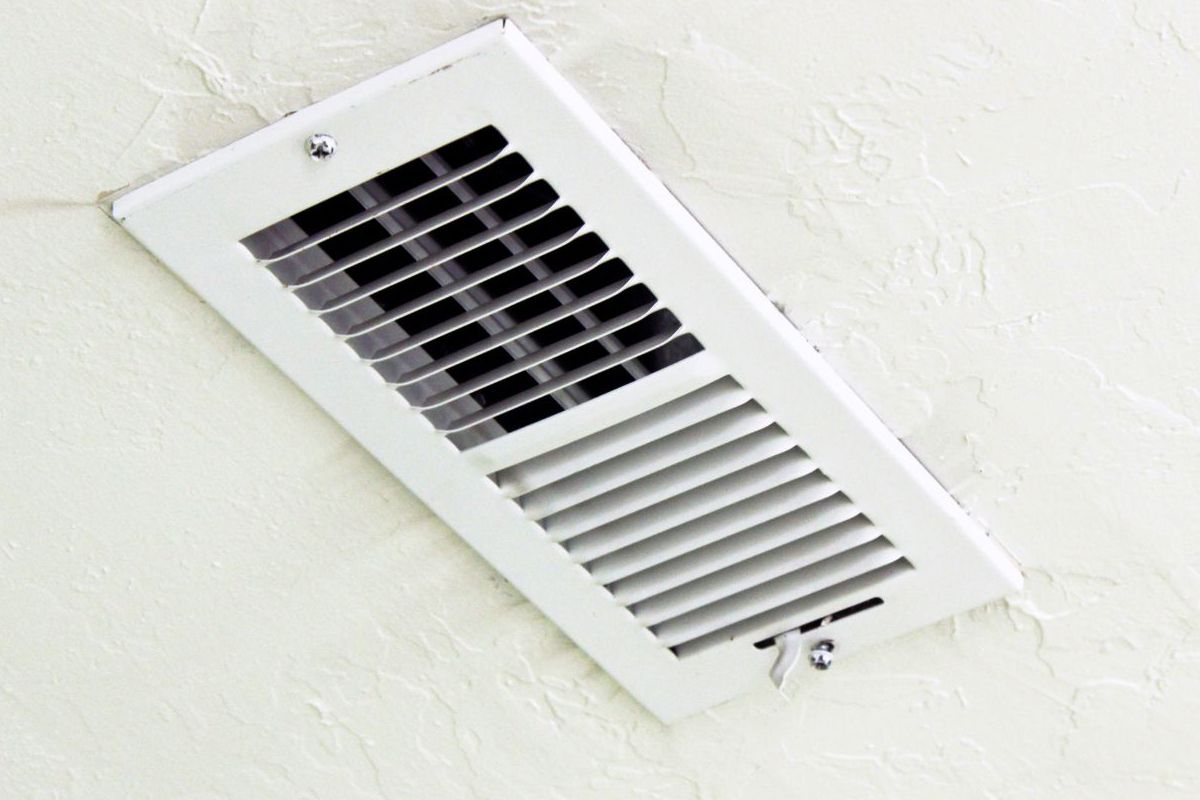
Supply vents tend to get most of the attention, but return air is just as important, especially in older homes.
Many older homes were built with return-air designs that are more limited than what a newer, more efficient HVAC system may benefit from. If return airflow is weak, the new system may have trouble moving air through the home effectively.
This can lead to:
- uneven temperatures
- poor airflow in some rooms
- humidity problems
- extra blower strain
- less efficient system operation
When
replacing HVAC equipment in an older Florida home, return-air design should be part of the conversation, not an afterthought.
Attic Conditions Can Affect the Value of the New System
In Florida, attic conditions matter a lot. In older homes, they often matter even more.
Many older homes have:
- weak attic insulation
- uneven insulation coverage
- significant heat buildup
- older attic ductwork
- air handlers in difficult attic conditions
- limited ventilation or heat-related performance issues
If those conditions are ignored, a new HVAC system may still have to fight excessive heat gain every day. That can reduce efficiency, increase runtime, and make some rooms harder to cool even after the equipment is replaced.
A homeowner may install a high-efficiency system and still feel disappointed because the attic environment is working against it. That is why replacement planning in older homes should include attic conditions as part of the full-system evaluation.
Humidity Control Should Be a Major Priority in Florida
Older Florida homes are not just dealing with temperature. They are also dealing with moisture.
Humidity control is often one of the biggest comfort issues in older homes, especially if they have:
- poor insulation
- outdated ductwork
- oversized equipment history
- uneven airflow
- air leakage
- additions or room changes that affect comfort patterns
A new HVAC system should not just cool the house faster. It should help manage humidity better too. In Pinellas County, that is a major part of real comfort.
If the system is selected or installed without accounting for humidity demands, the home may still feel sticky or uneven even after replacement.
Electrical Capacity and Compatibility Should Be Reviewed
In some older homes, the electrical side of the HVAC system also needs attention.
That can include:
- disconnect condition
- breaker sizing
- wiring condition
- compatibility with new equipment requirements
- thermostat wiring
- older control setups that may not support newer systems properly
A quality HVAC replacement involves more than connecting new equipment to whatever electrical setup was already there. The system should be evaluated to make sure it can safely and properly support the new installation.
This is one reason replacement in older homes often takes more planning than homeowners expect.
Thermostat Placement May Need to Be Reconsidered
A thermostat location that seemed fine years ago may not be ideal for a new system, especially if the home has changed over time or if the old system never controlled comfort evenly.
Older homes often have thermostat issues such as:
- placement in a cooler hallway
- placement near a supply vent
- placement too close to a kitchen or sunny wall
- poor representation of the warmest rooms in the home
If the thermostat is not placed where it reflects actual comfort conditions well, even a good new system can struggle to deliver consistent comfort throughout the house.
That is why thermostat placement should be reviewed during equipment replacement, especially if the old home had ongoing room-to-room comfort complaints.
Room Additions and Layout Changes Can Change What the Home Needs
A lot of older homes have been modified over the years. Rooms may have been added, porches enclosed, garages converted, or layouts opened up in ways that changed the home’s cooling needs.
These changes often affect:
- airflow balance
- duct demands
- heat gain patterns
- thermostat control
- room-by-room comfort
A homeowner may not think of a room addition from years ago as part of the HVAC issue, but it often is. If the HVAC replacement does not account for how the home changed, the new system may still struggle in the same areas the old system did.
A New System Will Not Automatically Fix All Existing Comfort Problems
This is one of the most important things homeowners should understand.
A new HVAC unit may improve reliability and efficiency, but it will not automatically solve problems caused by:
- poor duct design
- insulation deficiencies
- return-air limitations
- thermostat issues
- attic heat gain
- airflow imbalance
- room-specific heat load differences
If the old home has deeper comfort or design problems, those need to be part of the replacement plan. Otherwise, the homeowner may get a newer system but still deal with:
- warm rooms
- high humidity
- longer run times
- higher-than-expected energy bills
- uneven comfort in different parts of the house
In other words, the replacement may be technically successful while still falling short in real-world comfort.
Older Florida Homes Often Benefit From a Complete System Approach
Replacing HVAC equipment in an older Florida home works best when the project includes a full-system approach.
That means looking at:
- the new equipment itself
- ductwork condition
- airflow performance
- return-air design
- attic insulation and heat load
- thermostat placement
- electrical readiness
- room-by-room comfort needs
- humidity control expectations
This helps make sure the homeowner is not just buying new equipment, but actually improving how the home cools and feels.
HVAC Replacement in an Older Home
A homeowner in Belleair may have a 20-year-old AC system that no longer keeps the home comfortable during the afternoon. Some rooms stay warm, the utility bill is high, and humidity feels worse than it used to.
The homeowner assumes the solution is simply to replace the unit with a new one of the same size. During evaluation, though, the contractor finds:
- aging attic ductwork with leakage
- weak insulation over part of the home
- return-air limitations
- a thermostat located in a cooler hallway
- a back room addition with higher heat gain than the original layout
In that situation, replacing the equipment alone would likely improve some things, but it would not solve the bigger comfort issues. A complete replacement strategy would address the home as a system, not just the outdoor unit.
That is often the difference between a replacement that merely runs and a replacement that actually performs well.
Why This Matters So Much in Pinellas County
In Pinellas County, older homes face a demanding climate. Long cooling seasons, heavy humidity, hot attics, and strong afternoon heat put more pressure on HVAC systems and on the homes they serve.
That means weaknesses in insulation, airflow, duct design, and return-air setup show up faster and more clearly than they might in a milder climate. A new HVAC system in an older Florida home has to do more than cool the air. It has to work effectively within the real conditions of the house.
For homeowners in Belleair and nearby communities, that makes planning and evaluation especially important before replacement begins.
What Homeowners Should Expect During the Replacement Process
If you are replacing HVAC equipment in an older Florida home, you should expect a quality contractor to look beyond the equipment and discuss factors such as:
- proper sizing
- existing duct condition
- attic conditions
- airflow concerns
- electrical requirements
- thermostat setup
- comfort complaints by room
- whether additional improvements should be made at the same time
That kind of planning can help avoid disappointment later and give the new system a much better chance of delivering the comfort and efficiency you expect.
Replacing HVAC equipment in an older Florida home involves much more than choosing a new unit. Ductwork, airflow, return-air design, attic insulation, thermostat placement, electrical readiness, and humidity control all play a major role in whether the new system will actually perform well.
At Williams Air Solutions, we take a complete system approach to HVAC replacement for homeowners in Belleair and throughout Pinellas County. That means evaluating not just the equipment being removed, but the home it has been trying to cool for years. In older homes, that full-system thinking often makes the difference between a replacement that simply works and one that truly improves comfort, efficiency, and long-term performance.
Call Williams Air Solutions at (727) 353-0090 to schedule AC service anywhere in Pinellas County.