How Efficiency Improvements Can Justify AC Replacement
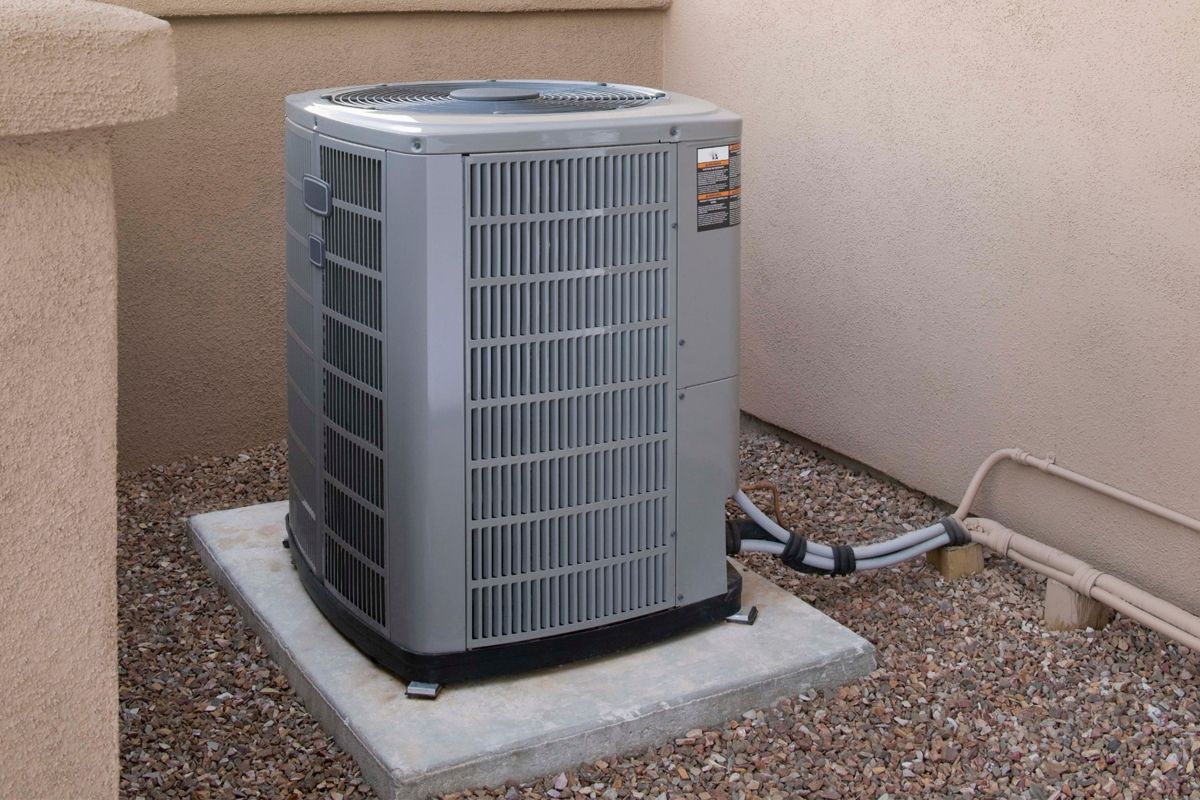
Most homeowners do not replace an air conditioning system just because it is old. In many cases, they wait until repairs become more frequent, cooling becomes less consistent, or the system simply cannot keep up the way it once did. That is understandable. Replacing an AC system is a major investment, and homeowners want a clear reason to make that decision.
One of the strongest reasons is efficiency.
When an older AC system begins using more energy to deliver less comfort, the cost of keeping it in place starts going beyond repair bills alone. Monthly operating costs rise. Cooling cycles get longer. Humidity control often gets worse. The system puts more strain on aging parts, and homeowners end up paying more to maintain a lower level of performance.
For homeowners in Pinellas County, Florida, this is especially important because air conditioning systems run hard for much of the year. Long cooling seasons, high humidity, and heavy demand make efficiency losses more noticeable here than in milder climates. In the right situation, efficiency improvements alone can be a strong and practical reason to move forward with AC replacement.
Efficiency Is About More Than the SEER Rating
When homeowners hear the word efficiency, they often think only about equipment ratings. That is part of the picture, but it is not the whole story.
Real-world AC efficiency involves how well the system:
- cools the home without excessive runtime
- removes humidity
- moves air through the duct system
- handles peak heat without overworking
- controls operating cost over time
- performs under actual home conditions
A system can still turn on and cool the house, but if it has to run longer and use more energy to do it, efficiency has already dropped.
That is why replacement decisions should not be based only on whether the AC still works. They should also consider how much effort the system now requires to maintain comfort.
Older Systems Often Use More Energy to Deliver Less Cooling
As AC systems age, they usually become less efficient over time.
That can happen because of:
- coil buildup and wear
- reduced airflow
- declining blower performance
- electrical component wear
- refrigerant-related performance issues
- general operating strain after years of use
The system may still cool the home, but not as efficiently as it once did. A homeowner in Belleair may notice the AC runs much longer in the afternoon, the utility bill is higher than it used to be, and the home still does not feel as comfortable as expected.
At that point, the issue is not just age. It is that the homeowner is paying more every month for a lower level of performance.
That is where efficiency improvements from
replacement start becoming a serious value discussion.
Rising Energy Bills Are Often Part of the Real Cost of Keeping an Old System
One of the biggest mistakes homeowners make is only comparing the replacement cost to the repair cost.
That comparison is incomplete because it ignores the ongoing cost of operating an inefficient system.
For example, an aging AC may still be repairable for less than the cost of replacement, but if it is also:
- using more electricity every month
- running longer during hot weather
- struggling with humidity
- requiring repeated service visits
- cooling unevenly throughout the home
then the true cost of keeping it is already much higher than the repair invoice alone suggests.
In Pinellas County, where cooling demand stays high for much of the year, even modest efficiency losses can add up quickly over time. This is one reason
replacement may make financial sense before the old system completely fails.
Newer Systems Often Improve More Than One Cost Factor at Once
A more efficient replacement system can improve several cost-related issues at the same time.
Depending on the condition of the current system and the design of the replacement, homeowners may see improvements in:
- monthly energy use
- runtime during hotter parts of the day
- humidity control
- system strain
- frequency of repair calls
- comfort consistency from room to room
That matters because the value of replacement is not limited to one number on a utility bill. A more efficient system may also reduce the indirect costs of poor performance, such as repeated minor repairs, overcooling due to humidity issues, or constant thermostat adjustments because the house never feels balanced.
Better Humidity Control Adds Real Value in Florida
In Florida, efficiency should never be viewed as temperature-only performance.
A properly selected and installed system should also manage indoor humidity effectively. Older systems, oversized systems, and worn systems often lose their ability to do this well. As a result, homeowners may lower the thermostat more and more just to make the home feel comfortable.
That creates extra operating cost without truly solving the comfort problem.
A newer, more efficient system that controls humidity better may justify replacement because it improves the actual feel of the home while reducing the need for excessive runtime. In Pinellas County, that is a major part of the value conversation.
A system that keeps the house at a reasonable temperature and removes moisture effectively can feel far more comfortable than an older one that technically cools but leaves the air feeling damp or sticky.
Longer Runtime on an Old System Is a Sign of Lost Efficiency
One of the clearest signs that efficiency improvements may justify replacement is when the old system runs far longer than it used to.
Longer runtime can mean:
- the system is losing heat-transfer efficiency
- airflow is weaker than it should be
- major components are operating under more strain
- the unit is using more electricity to achieve the same result
- comfort is becoming harder to maintain
If a homeowner notices that the AC seems to stay on constantly during hot afternoons, that often points to declining performance. Even if the system still reaches the thermostat setting eventually, it may be doing so in a much less efficient way than a newer system would.
At some point, the monthly cost and system strain attached to that extended runtime become part of the reason replacement makes sense.
Repeated Repairs Can Strengthen the Efficiency Argument
Efficiency improvements do not exist in isolation. They become even more meaningful when paired with a growing repair history.
For example, if an older system is already dealing with:
- capacitor replacements
- contactor wear
- blower-related service
- coil cleaning issues
- drain line problems
- declining airflow
- recurring cooling complaints
then replacement may offer more value because it is not just improving efficiency. It is also reducing the risk of continuing to invest in aging equipment that still costs more to operate.
A homeowner may not replace the system only because of one repair, but the combination of repeated repairs and poor efficiency often creates a much stronger case.
Efficiency Gains Can Be More Noticeable in Pinellas County Than in Cooler Climates
In a milder region, homeowners may not feel the benefit of efficiency improvements as strongly because the AC system does not run as often.
In Pinellas County, that is very different.
Homes in Belleair and throughout the area deal with:
- long cooling seasons
- high humidity
- heavy afternoon heat
- high annual AC runtime
- a strong need for steady indoor comfort
Because the system is used so heavily, efficiency improvements are often felt more clearly here through:
- lower cooling costs
- better humidity control
- less strain during peak heat
- more stable indoor comfort
- fewer complaints about the system falling behind
That means AC replacement decisions in this market should pay close attention to the efficiency side of the equation, not just emergency breakdown risk.
Newer Equipment May Reduce Strain on the Whole System
When an older AC loses efficiency, it does not just cost more to run. It also places more strain on the equipment itself.
Longer cycles and heavier workload increase wear on:
- compressors
- fan motors
- blower motors
- capacitors
- contactors
- electrical connections
That means inefficient operation often leads to more maintenance pressure over time. A newer system operating more efficiently can reduce that constant strain and provide a more stable platform for long-term performance.
This is another reason efficiency improvements can justify replacement. The homeowner is not simply paying for lower power use. They are often paying for a system that does not have to fight as hard every day to cool the home.
Replacement Makes More Sense When the Existing System Cannot Match the Home’s Needs
Sometimes efficiency improvements justify replacement because the current system is no longer a good match for the home.
This can happen when:
- the old system was oversized or undersized to begin with
- the home has been updated over time
- airflow problems have made the current equipment less effective
- humidity control needs are not being met
- the duct system or thermostat setup is being addressed during replacement planning
In these cases, the value of replacement comes from more than just putting in newer equipment. It comes from improving the overall HVAC design and efficiency of how the home is cooled.
A well-planned replacement can solve problems that an older, less efficient system was never able to handle properly.
Comfort Improvements Are Part of the Return
Homeowners often think of efficiency only in financial terms, but comfort improvements matter too.
If a replacement system provides:
- more even temperatures
- less humidity
- shorter recovery time without constant runtime
- stronger airflow
- fewer hot spots
- more dependable performance during peak summer conditions
then that is part of the value of the replacement.
In many homes, an older system becomes expensive not just because it uses more energy, but because it delivers less comfort while doing it. That is why efficiency improvements can justify replacement even before the system completely breaks down.
The homeowner is improving both cost control and daily living conditions.
Efficiency Justifying Replacement
A homeowner in Belleair has a 12-year-old AC system that still runs, but it now stays on much longer during hot weather. Utility bills are noticeably higher than they were a few years ago. The house feels more humid in the afternoons, and a couple of recent service calls have addressed electrical wear and airflow-related performance issues.
The system is still technically repairable, but the homeowner is now paying more each month for:
- higher energy use
- lower comfort
- growing maintenance needs
- more uncertainty during peak summer demand
In that situation, efficiency improvements from a properly selected replacement can justify the investment. The value is not only that the new system is newer. The value is that it can cool the home more effectively, manage humidity better, and do the job with less waste and less strain.
Replacement Should Still Be Based on a Full-System Evaluation
Not every efficiency complaint automatically means the system should be replaced.
Sometimes poor efficiency is caused by issues that can be corrected through:
- maintenance
- duct improvements
- airflow corrections
- thermostat evaluation
- coil cleaning
- electrical repairs
That is why replacement decisions should always follow a complete system evaluation. Homeowners need to know whether the efficiency loss is mainly due to age and system decline, or whether correctable issues are making the current equipment look worse than it really is.
At Williams Air Solutions, that full-system approach matters because the goal is not to replace equipment unnecessarily. The goal is to help homeowners understand when replacement truly offers better long-term value.
Why This Matters So Much in Pinellas County
In Pinellas County, AC systems are not occasional-use equipment. They are a major part of daily comfort for much of the year. That means efficiency problems become more expensive here than they do in places with shorter cooling seasons.
For homeowners in Belleair and surrounding communities, a system that is losing efficiency affects:
- monthly utility costs
- humidity control
- comfort stability
- system strain
- repair frequency
- confidence during the hottest part of the year
That is why efficiency improvements can be a very practical reason to replace an older AC system, even before complete failure forces the decision.
Efficiency improvements can justify AC replacement when an older system is using more energy, running longer, controlling humidity poorly, and requiring more maintenance to deliver less comfort than it once did. In many cases, the value of replacement comes from reducing operating cost, improving indoor comfort, lowering system strain, and creating a more dependable cooling solution for the home.
At Williams Air Solutions, we help homeowners in Belleair and throughout Pinellas County evaluate AC replacement with a complete system approach. That means looking at efficiency, repair history, humidity control, airflow, and overall performance so homeowners can make informed decisions based on real long-term value, not guesswork.
Call Williams Air Solutions at (727) 353-0090 to schedule AC service anywhere in Pinellas County.