How to Prepare Multi-Unit HVAC Systems for Florida’s Hurricane Season
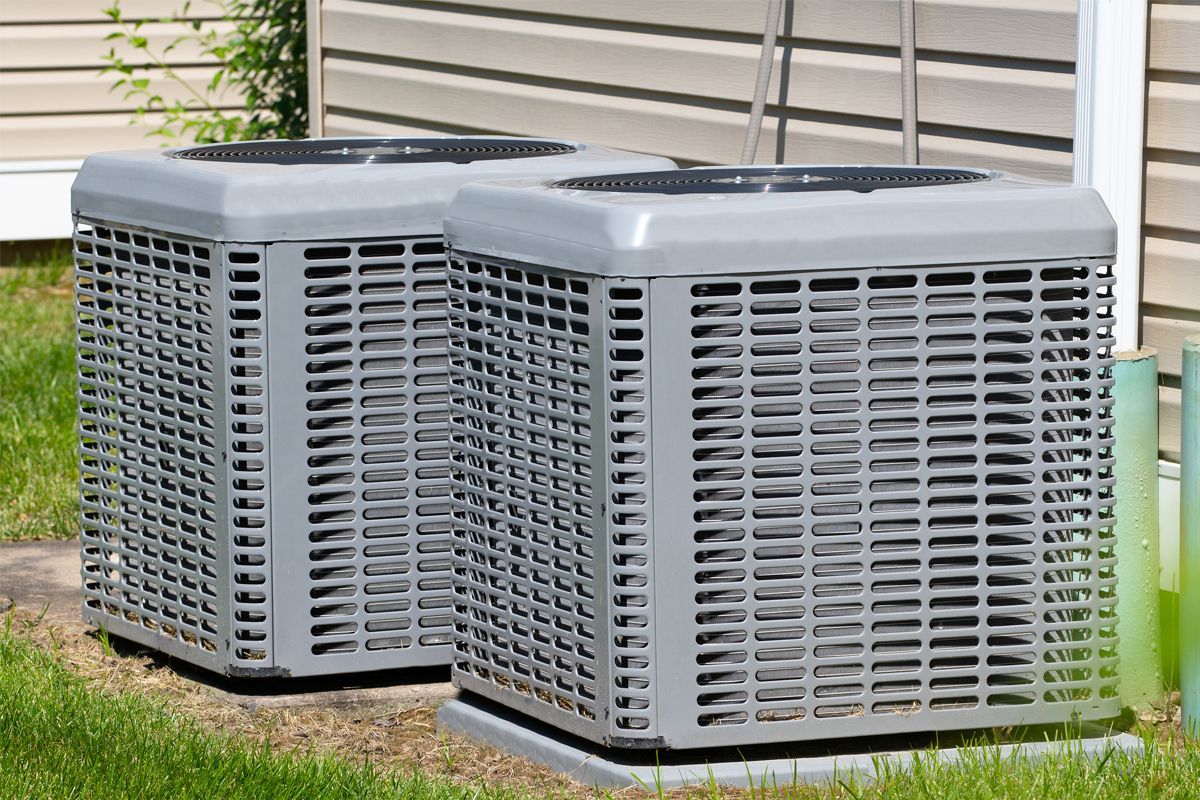
Florida’s hurricane season brings more than heavy rain and strong winds — it poses serious risks to your HVAC equipment, especially in multi-system homes. With multiple units working to cool different floors or zones, homeowners must take extra steps to protect each system from storm damage, power fluctuations, and flooding.
At Williams Air Solutions, we help families throughout Pinellas County safeguard their AC systems before severe weather hits. Proper preparation prevents costly repairs, extends equipment life, and ensures your home stays comfortable once power is restored.
Why Multi-System Homes Need a Hurricane-Ready Plan
Large homes with two or more AC systems are more vulnerable during hurricanes because:
- More outdoor units = higher exposure to flying debris and wind gusts.
- Multiple electrical circuits increase the risk of surge-related failure.
- Different home zones may experience different humidity or water-intrusion risks.
- Recovery times may vary if one system suffers damage while the others do not.
Preparing each unit individually — and as part of a coordinated system — is essential.
Steps to Prepare Multi-Unit HVAC Systems for Hurricane Season
Below are the key actions Florida homeowners should take to protect every AC unit on their property.
1. Shut Down All AC Systems Before the Storm Arrives
One of the most important steps is to turn off your HVAC systems once a hurricane warning is issued.
Power surges and electrical instability can damage compressors and circuit boards.
For homes with multiple systems, every unit must be turned off individually.
Why this matters:
- Prevents damage from power fluctuations
- Reduces the chance of electrical fires
- Protects motors and compressors from sudden voltage spikes
Simply lowering the thermostat is not enough — systems should be powered down completely.
2. Secure Outdoor AC Units Against High Winds
Outdoor units are especially vulnerable to flying debris and wind uplift.
For multi-system homes, this risk multiplies.
Take the following steps:
- Clear loose items from around each condenser (grills, décor, furniture).
- Trim nearby branches that could strike the units.
- Fasten hurricane-rated condenser straps if not already installed.
- Verify that mounting platforms are solid and level.
A single debris impact can bend fan blades, damage coils, or puncture line sets.
3. Protect Units From Flooding
If any of your outdoor units are at ground level, they are at greater risk during heavy rain or storm surge.
Preparation may include:
- Checking drainage paths around the pad
- Removing obstructions that may block water flow
- Considering elevated stands for units in repeatedly flooded areas
In multi-system homes, one unit may be more vulnerable than the others depending on its placement.
4. Install Surge Protection for Each System
Multiple HVAC units mean multiple electrical circuits — all of which need protection.
Power surges during hurricanes can damage:
- Compressors
- Control boards
- Thermostats
- Smart home integrations
Installing whole-home surge protection and dedicated HVAC surge protectors is one of the best investments Florida homeowners can make.
5. Ensure Proper Drainage and Clear Condensate Lines
If drain lines are already partially clogged, heavy rain and pressure changes can make backups more likely.
This can result in:
- Overflowing drain pans
- Ceiling leaks
- Water damage
- Mold concerns after the storm
A professional pre-season tune-up ensures all drain lines are flowing properly.
6. Check and Reinforce Ductwork in Attics
Attics in Florida homes heat up during storms and may experience pressure changes.
Loose or damaged ductwork can collapse or separate, causing:
- Severe airflow loss
- Longer recovery times after the storm
- Higher energy use once systems restart
A quick duct inspection is especially important when you have more than one unit relying on attic ductwork.
7. Protect Thermostats and Smart Controls
If your home uses smart thermostats to coordinate your multi-unit systems:
- Ensure app-based control still works if WiFi goes down
- Verify backup settings
- Replace batteries in thermostats with battery compartments
- Review any “storm mode” or away settings
Losing thermostat communication during or after a storm can keep systems offline longer than necessary.
8. Do NOT Restart Your Systems Until Conditions Are Safe
After the storm passes, homeowners with multiple systems often turn them all back on at once — which can overwhelm circuits or reveal hidden damage.
Instead:
- Inspect outdoor units for debris, dents, or standing water
- Check filters, vents, and indoor equipment
- Turn systems back on one at a time
- Listen for unusual noises or irregular cycling
If anything seems off, call a professional before running the system.
Multi-System Protection in a Largo Home
A Largo homeowner with three AC units took a proactive approach before last hurricane season. By having surge protectors installed, clearing debris around each unit, and elevating the most vulnerable condenser, they avoided major damage. A neighbor without similar preparation lost an outdoor fan motor due to surge impact — a repair that cost several hundred dollars.
Get Your Home’s HVAC Systems Hurricane-Ready
Preparing your multi-unit HVAC setup before hurricane season is essential to protecting your home, comfort, and budget. With the right precautions, you can prevent storm-related damage and return to normal cooling quickly after severe weather.
At Williams Air Solutions, we help Florida homeowners secure, inspect, and prepare each HVAC system for storm conditions — including surge protection, drainage checks, duct inspections, and full tune-ups.
Call Williams Air Solutions at (727) 353-0090 to schedule your hurricane-season HVAC preparation service today.