Why Regular Filter Changes Matter More in Single-Family Homes
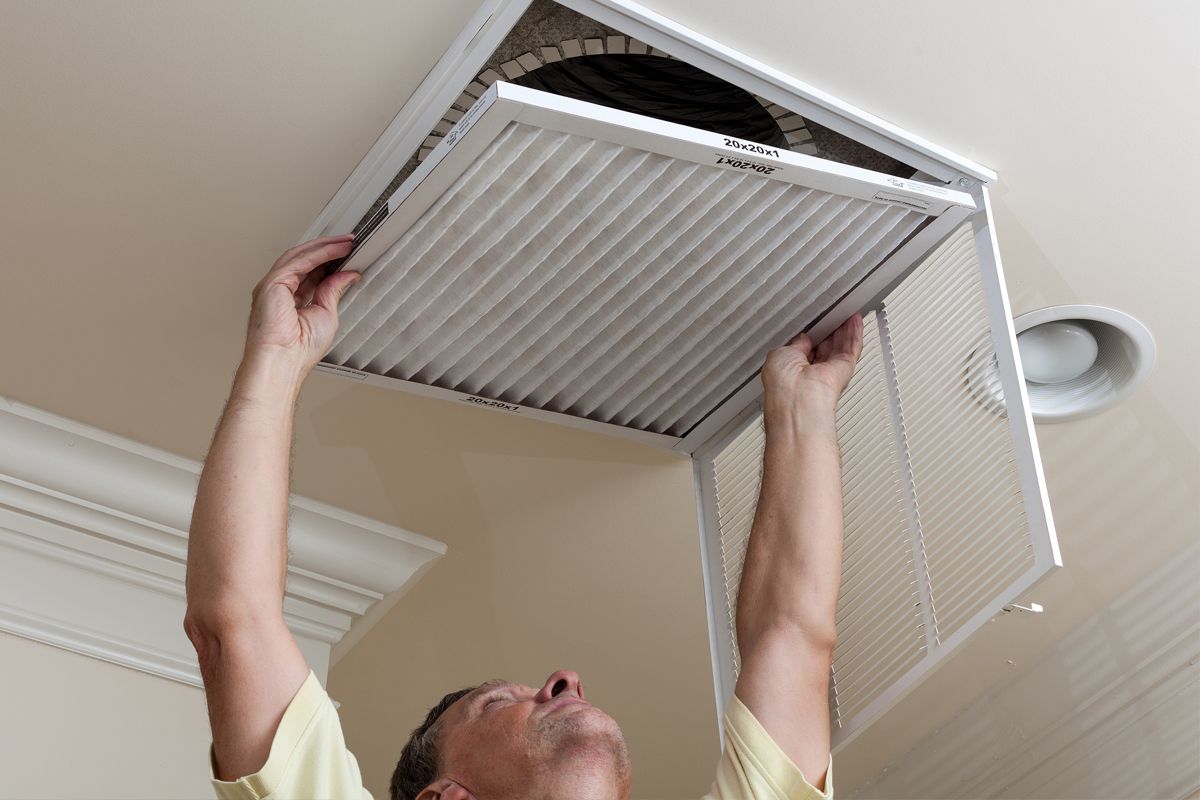
In a Florida single-family home, your air conditioner works harder than almost any other appliance. Long cooling seasons, high humidity, and constant airflow mean your HVAC filter plays a critical role in keeping both your system and your indoor air healthy.
While every home needs clean filters, single-family homes rely on them even more, especially those with multiple occupants, pets, or larger living spaces. At Williams Air Solutions, we regularly see how overlooked filter changes lead to unnecessary repairs, higher energy bills, and reduced comfort for Florida families.
Here’s why staying on top of filter replacement makes such a big difference.
1. Single-Family Homes Produce More Dust and Airborne Particles
Compared to condos or apartments, single-family homes typically have:
- More square footage
- More foot traffic
- More dust-producing surfaces (carpet, fabric furniture, larger kitchens)
- More pets
- More open doors and windows
All of this means your HVAC filter traps more contaminants every week. When the filter becomes clogged, airflow is restricted — forcing your system to work harder to pull air through.
Result: Reduced efficiency, weaker airflow, and higher electricity use.
2. Blocked Filters Make Your System Run Longer and Cost More to Operate
When a filter is dirty, your HVAC system struggles to maintain temperature. Cooling cycles run longer because the system can't move enough air to cool the home effectively.
In Florida’s heat, this becomes even more obvious.
You may notice:
- Higher energy bills
- Rooms that take longer to cool
- System cycling that never seems to stop
Replacing the filter restores airflow and reduces strain immediately.
3. Dirty Filters Lead to Higher Indoor Humidity
Airflow problems don’t just affect temperature, they affect moisture control.
A clogged filter reduces the amount of air passing over the evaporator coil, which limits the system’s ability to remove humidity.
In a single-family home, that can mean:
- Sticky indoor air
- Musty odors
- Foggy windows
- Excessive moisture in bedrooms
Consistent humidity issues are one of the most common symptoms of overdue filter changes.
4. Poor Airflow Can Cause System Damage
Restricted airflow forces your AC to work under stress. Over time, this leads to:
- Frozen coils
- Overheated blower motors
- Burned-out capacitors
- Premature compressor wear
Many homeowners don’t realize how many “major”
HVAC problems start with something as simple as a dirty filter.
5. Indoor Air Quality Declines Faster in Single-Family Homes
A dirty filter circulates dust, debris, and allergens throughout the home.
This affects comfort and health — especially for households with:
- Children
- Older adults
- Pets
- Family members with allergies or asthma
Single-family homes also tend to have more enclosed spaces, meaning poor filtration impacts multiple rooms, not just one zone.
6. Homes With Multiple AC Systems Need Even More Frequent Filter Attention
Many Florida single-family homes have two or more AC systems serving separate floors or wings.
That means:
- More filters to replace
- More airflow paths
- More dust intake points
- More opportunities for a single clogged filter to affect comfort
If one system has a clean filter and the other does not, the imbalance can cause unnecessary strain, humidity issues, or uneven cooling between floors.
7. Filter Type Matters — Not All Filters Last the Same Amount of Time
Different filters have different lifespans.
For example:
- Basic fiberglass filters: ~30 days
- Pleated MERV 8–11: 60–90 days
- High-efficiency MERV 13: 45–60 days in Florida homes
- Media filters: 6–12 months (but only if ducts are clean and home conditions allow)
In Florida’s climate — with near-constant cooling —
filters usually need changing more frequently than manufacturer labels suggest.
8. Regular Filter Changes Protect Your System’s Efficiency Rating
Your AC’s SEER2 rating depends on optimal airflow. A clogged filter forces the system to use more power, effectively lowering efficiency and costing you more every month.
Replacing filters on time ensures you get the efficiency you paid for.
A Palm Harbor Home Saw a 20% Drop in Energy Use After Routine Filter Care
A Palm Harbor homeowner struggled with hot upstairs bedrooms and rising energy bills. After inspecting both systems, we found heavily clogged filters and restricted airflow.
With new filters and a quick maintenance check, the home’s cooling balanced out, and their energy usage dropped by 20% the following month.
In a single-family home, small changes make a big difference.
Stay Comfortable With Consistent, Clean Airflow
Regular filter changes are one of the most important — and easiest — ways to keep your HVAC system running efficiently in a Florida single-family home. Clean filters improve comfort, reduce energy waste, and protect your system from preventable failures.
At Williams Air Solutions, we make maintaining your home’s AC system simple and reliable.
Call Williams Air Solutions at (727) 353-0090 to schedule a preventive maintenance visit or to get help choosing the right filters for your home.