Why Closing Too Many Vents Can Damage Your HVAC System
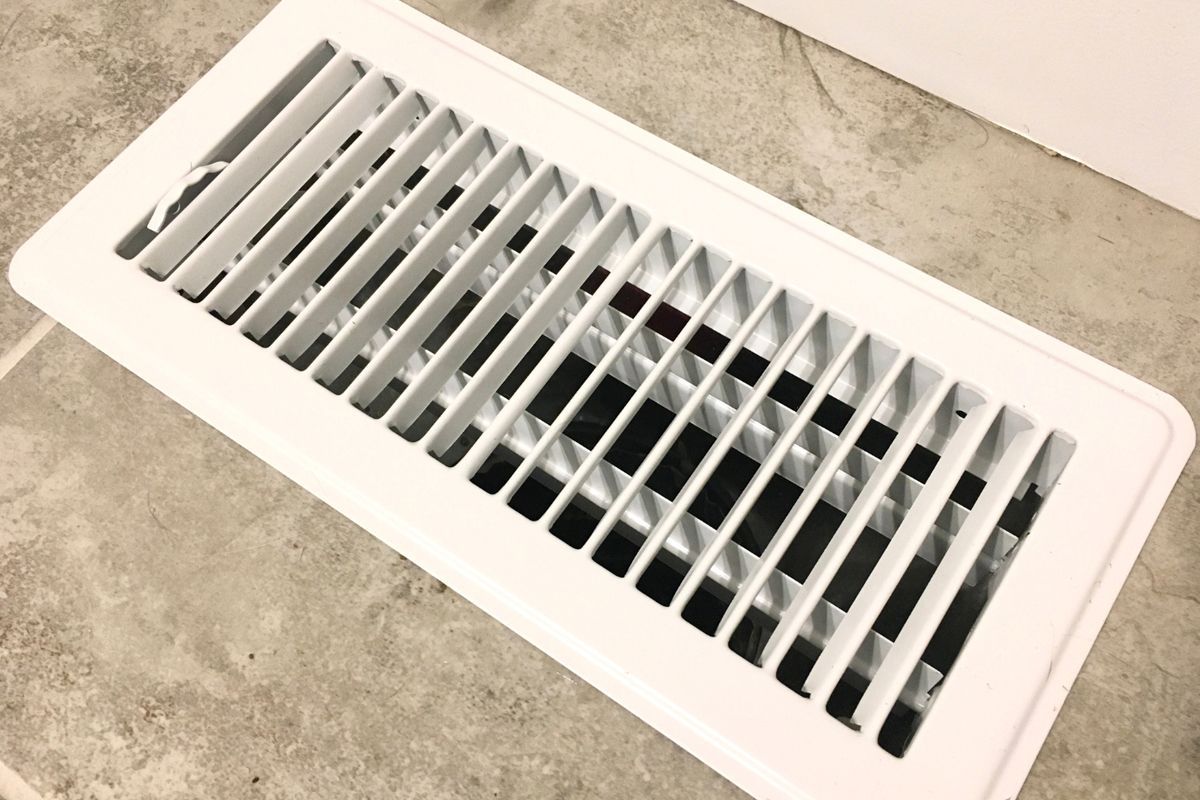
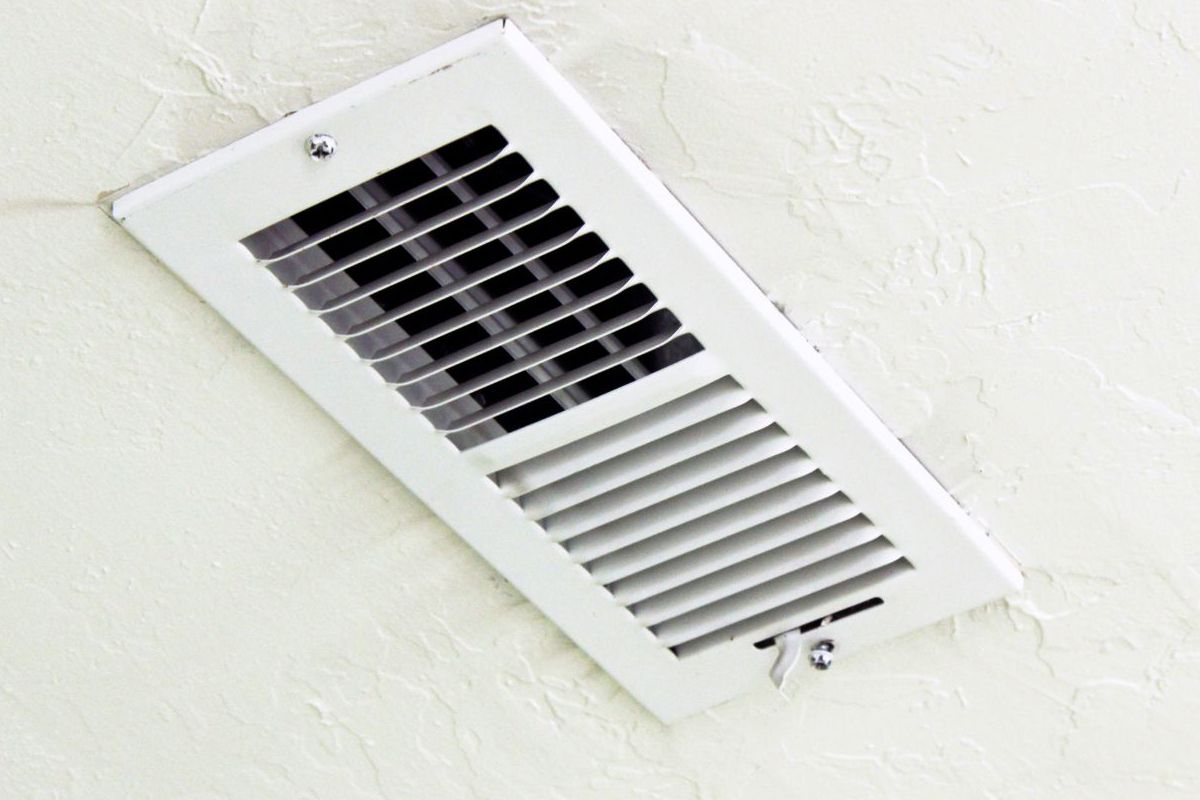
A lot of homeowners assume closing vents in unused rooms is a smart way to save energy. On the surface, it sounds logical. If you shut off airflow to rooms you are not using, it seems like the HVAC system should be able to focus on the rest of the house and work less.
In most homes, that is not how the system is designed to operate.
Closing too many vents can create airflow and pressure problems that make the HVAC system work harder, not easier. Instead of improving efficiency, it can reduce comfort, strain important components, increase the risk of repairs, and in some situations shorten system life.
For homeowners in Pinellas County, Florida, this matters even more because air conditioning systems run hard for much of the year. Long cooling seasons, high humidity, and heavy daily demand make airflow problems show up faster and with bigger consequences. If too many vents are closed, the system may still run, but it may be doing so under conditions it was never meant to handle.
Your HVAC System Was Designed for a Certain Amount of Airflow
Every forced-air HVAC system is designed to move a certain amount of air through the equipment and ductwork. That airflow is part of how the system cools the home, removes humidity, and protects major components from operating under excessive strain.
When too many vents are closed, the total airflow path through the home becomes restricted. The system is still trying to move the same volume of air, but now it has fewer places to send it.
That changes the internal operating conditions of the system and can lead to:
- higher static pressure
- reduced airflow across the evaporator coil
- blower strain
- uneven room temperatures
- less efficient cooling
- added stress on the compressor
A homeowner in Belleair may think they are helping the system by closing off guest rooms or spare bedrooms, but in many cases the system is quietly being forced to work against extra resistance.
Closing Vents Increases Static Pressure
One of the most important effects of closing too many vents is increased static pressure.
Static pressure is the resistance the blower has to work against as it moves air through the system. Some resistance is normal. Too much resistance is a problem.
When multiple vents are closed, the airflow has fewer open paths. That causes pressure to build in the duct system. The blower has to push harder, and the overall airflow balance of the system changes.
High static pressure can affect:
- blower performance
- airflow to the remaining open vents
- coil performance
- system efficiency
- long-term equipment wear
In simple terms, the system feels more “backed up” internally. It is trying to move air through a path that has been partially blocked by the homeowner.
The Blower Motor Can Be Put Under Extra Strain
The blower motor is responsible for moving conditioned air through the HVAC system. When vents are closed and static pressure rises, the blower often has to work under more difficult conditions.
Over time, that extra strain can contribute to:
- weaker airflow
- overheating
- reduced blower efficiency
- increased wear on blower components
- premature motor issues
This is one reason closing vents can damage the system. The blower is not just moving air through open space. It is now pushing against unnecessary resistance that was created by changing how the duct system is being used.
A
system that already has airflow challenges, dirty filters, or duct restrictions will usually be affected even more.
Reduced Airflow Across the Evaporator Coil Can Cause Problems
Your evaporator coil depends on proper airflow across its surface to absorb heat from the home effectively. If too many vents are closed, overall system airflow can drop enough to affect coil performance.
That can lead to:
- reduced cooling capacity
- less effective heat transfer
- longer run times
- poor humidity control
- frozen evaporator coils in more severe cases
A frozen coil is one of the clearest examples of how vent closure can contribute to actual equipment problems. When airflow drops too much, the indoor coil temperature can fall too low, allowing ice to build up. Once ice forms, airflow drops even further and the system can stop cooling properly altogether.
What started as an attempt to “save energy” can turn into a no-cooling call.
Closing Vents Can Make Some Rooms Less Comfortable, Not More
Another common misconception is that closing vents in unused rooms will force more air into the rooms you care about most. In many homes, it does not work that way cleanly.
Instead of improving comfort, closing vents can create:
- pressure imbalances
- uneven temperatures
- weak airflow in certain rooms
- warmer rooms farther from the air handler
- stuffy or humid areas in the house
This happens because the duct system was designed as a network. Changing one part of it affects the rest. Air does not always redistribute neatly the way homeowners expect.
A homeowner in Pinellas County may close vents in a spare room hoping the main bedroom will cool better, only to find that comfort gets less predictable throughout the house.
Humidity Control Can Get Worse in Florida Homes
In Florida, closing vents can create more than just temperature problems. It can also hurt humidity control.
Air conditioning systems help remove moisture from the air when they run under the right conditions. If vent closures reduce airflow and cause shorter or less effective cycles, the system may not remove humidity as well as it should.
That can leave the house feeling:
- sticky
- damp
- less comfortable even at the same thermostat setting
- uneven from room to room
This is especially important in Belleair and throughout Pinellas County, where moisture control is a major part of indoor comfort. A home at the “right” temperature can still feel uncomfortable if humidity is not being managed properly.
When too many vents are closed, the homeowner may be creating the exact comfort problem they were trying to avoid.
The Compressor Can Be Affected Indirectly
The compressor is one of the most important and expensive parts of an AC system. While closing vents does not damage the compressor directly the same way it affects the blower, it can create operating conditions that increase compressor strain over time.
If vent closures lead to:
- poor heat transfer
- frozen evaporator coils
- longer run times
- reduced system efficiency
then the compressor may have to work harder and for longer periods to try to meet the cooling demand.
That added strain matters in Florida, where AC systems already face heavy seasonal workload. A system that is regularly operating with poor airflow conditions is not being set up for long-term reliability.
Short Cycling and Longer Cycling Can Both Happen
Depending on the system and the home, closing too many vents can cause odd cycling behavior.
In some homes, reduced airflow and thermostat-related comfort imbalances may contribute to short cycling in certain conditions. In others, the system may run longer because it cannot cool the house properly or manage humidity well.
Either way, the operation becomes less efficient and less stable.
That means homeowners may notice:
- the system turning on and off more often
- the house never feeling consistently comfortable
- the AC seeming to run too long without results
- more noticeable temperature swings
This is one more reason vent closure is not a reliable strategy for controlling home comfort.
Return Air and Pressure Balance Matter Too
Many homeowners focus only on the supply vents they can close, but HVAC systems also depend on balanced return airflow.
When too many supply vents are closed, room pressure relationships can change. In some parts of the house, this can interfere with how air circulates back to the return side of the system.
That can make rooms feel:
- stuffier
- more humid
- less evenly cooled
- slower to recover after doors are closed
This is especially common in bedrooms or home offices where doors stay shut for long periods. Even if the supply vent is only partly closed, poor room pressure balance can affect comfort more than expected.
Ductwork Was Not Meant to Be Reconfigured Room by Room
Most residential HVAC duct systems are designed around the layout and airflow needs of the whole home. They are not usually intended to be manually rebalanced every week by opening and closing multiple vents based on room usage.
That means repeated vent adjustments can create problems in systems that were designed for a stable airflow pattern.
In some cases, homes can benefit from true zoning systems or professional airflow adjustments. But that is very different from a homeowner manually closing vents throughout the house.
If the goal is to cool certain areas differently, the better solution is usually not closing vents. It is evaluating whether the home needs:
- duct balancing
- airflow correction
- thermostat improvements
- zoning
- better insulation in problem rooms
- duct repairs
- a full HVAC performance review
The Problem Gets Worse if the System Already Has Airflow Issues
If the HVAC system already has problems such as:
- a dirty filter
- blower buildup
- duct leakage
- return restrictions
- dirty evaporator coils
- poor duct design
then closing too many vents can make the situation much worse.
A system that is already short on airflow has very little room for extra resistance. In those cases, even a few closed vents may noticeably affect cooling performance, humidity control, and system strain.
That is why some homeowners close vents and suddenly notice the AC starts acting differently. The system may have already been close to its airflow limit before the vents were changed.
Vent Closure Causing System Problems
A homeowner in Belleair may decide to close vents in two guest rooms and a dining room because those spaces are not used often. At first, it seems harmless. After a while, the home starts feeling more humid, airflow from the remaining vents seems weaker, and the AC appears to stay on longer during the afternoon.
During inspection, the technician finds high static pressure, reduced airflow across the evaporator coil, and signs that the system is struggling under the added restriction. The homeowner was trying to reduce cooling waste, but the vent closures ended up creating poor operating conditions for the system.
That is a common example of how closing vents can backfire.
What Homeowners Should Do Instead
If certain rooms in the home are consistently too warm, too cool, or rarely used, the answer is usually not to close multiple vents.
A better approach is to have the system evaluated for issues such as:
- airflow imbalance
- duct leakage
- thermostat placement
- insulation deficiencies
- return air limitations
- room-specific heat gain
- zoning possibilities
- overall system sizing and design
This helps solve the real problem instead of creating a new one.
For example, if one room is rarely used but the homeowner wants better control over temperatures in other areas, a professional may recommend airflow balancing or a zoning strategy rather than manual vent closure.
Why This Matters So Much in Pinellas County
In Pinellas County, HVAC systems operate under long cooling seasons, high humidity, and heavy afternoon demand. That means airflow mistakes tend to matter more here than in milder climates.
Homes in Belleair and surrounding areas rely on AC not just to lower temperature, but to remove moisture and maintain stable indoor comfort. Closing too many vents interferes with the airflow the system needs to do both jobs properly.
What might seem like a small adjustment can lead to:
- higher humidity
- less consistent comfort
- longer run times
- extra system strain
- avoidable repairs
In Florida, that makes airflow management a bigger deal than many homeowners realize.
Closing too many vents can damage your HVAC system because it increases static pressure, reduces airflow, strains the blower, affects evaporator coil performance, hurts humidity control, and can contribute to larger repair issues over time. The system was designed to move a certain amount of air through the home, and blocking too many supply paths works against that design.
At Williams Air Solutions, we help homeowners in Belleair and throughout Pinellas County understand how airflow, duct design, and full-system performance affect real-world comfort. If your home has uneven temperatures or rooms that are difficult to cool, the right solution is usually not closing vents. It is identifying the real cause and correcting it properly.
Call Williams Air Solutions at (727) 353-0090 to schedule AC service anywhere in Pinellas County.