What Florida Homeowners Should Know Before Installing a Variable-Speed AC System
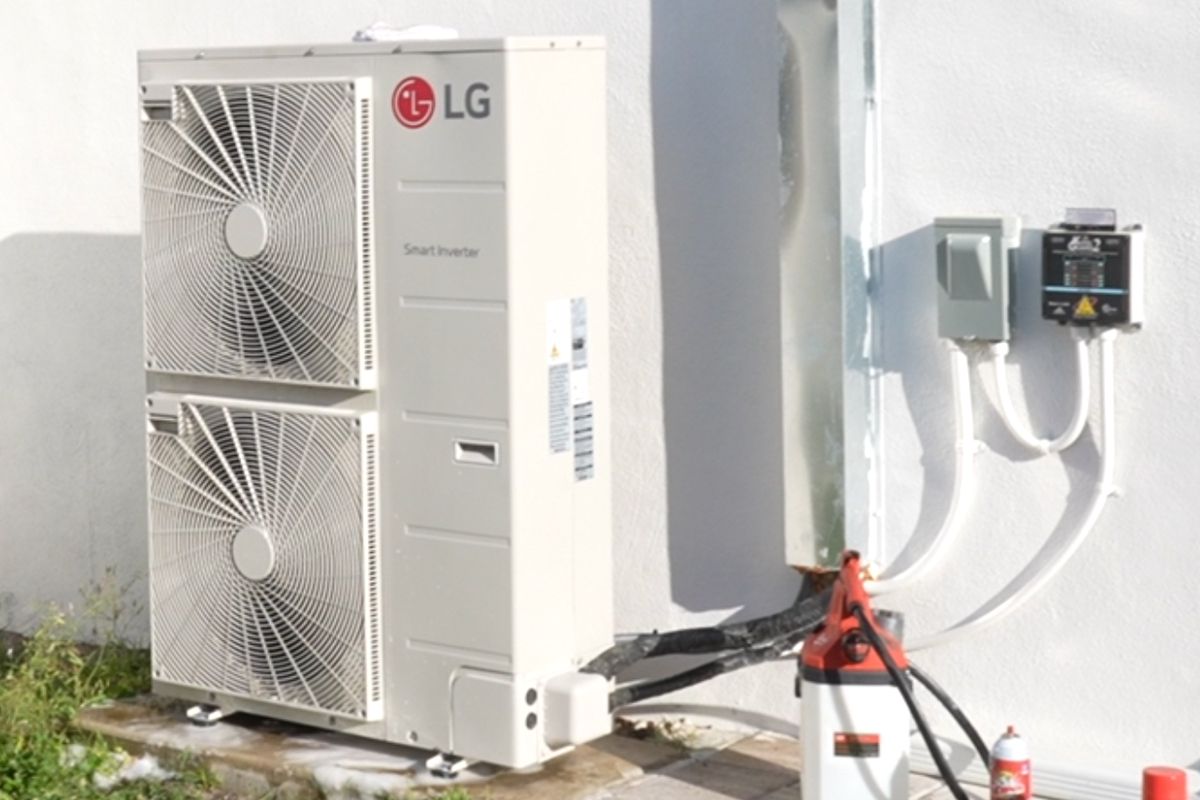
Variable-speed AC systems have become a popular option for homeowners who want better comfort, stronger humidity control, and improved energy efficiency. In Florida, those benefits can be especially appealing. When your air conditioning system works for a large part of the year, even small improvements in performance can make a noticeable difference in how the home feels and how the system operates.
At the same time, a variable-speed AC system is not something homeowners should choose based on marketing claims alone. It is a more advanced type of equipment, and it performs best when the rest of the HVAC system and the home itself are ready to support it. Before installing one, Florida homeowners should understand what these systems do well, what conditions affect their performance, and why installation quality matters just as much as the equipment itself.
For homeowners in Belleair and throughout Pinellas County, here is what you should know before moving forward with a variable-speed AC installation.
What a Variable-Speed AC System Actually Does
A variable-speed AC system is designed to adjust how hard it works instead of running at only one fixed level.
In a traditional single-stage system, the air conditioner is either on at full output or off. A variable-speed system operates more gradually.
Depending on the system design, it can adjust airflow and cooling output to better match the home’s actual needs throughout the day.
That usually means the system can:
- run at lower speeds for longer periods
- make smaller adjustments instead of full-power cycles
- manage humidity more effectively
- maintain more even indoor temperatures
- operate more quietly than basic systems
This is one of the main reasons homeowners consider variable-speed equipment. It is built to create a steadier, more controlled comfort experience instead of the stronger on-and-off cycling common with older systems.
Florida Humidity Makes Variable-Speed Systems More Attractive
One of the biggest reasons variable-speed AC systems can make sense in Florida is humidity control.
In Pinellas County, comfort is not just about lowering the temperature. A home can be at the thermostat setting and still feel sticky or uncomfortable if the system is not removing enough moisture from the air. That is one reason some homeowners feel like their current AC cools the house but never makes it feel fully comfortable.
Variable-speed systems often help with this because they can run longer at lower output levels. That longer runtime can support steadier moisture removal, which helps the home feel drier and more comfortable.
For Florida homeowners, this is one of the most practical benefits of variable-speed equipment. It is not only about efficiency. It is also about how the home actually feels on a humid day.
More Expensive Equipment Does Not Automatically Mean Better Results
A variable-speed system can be an excellent choice, but it is not automatically the right answer for every home.
Some homeowners assume that a more advanced system will fix all comfort problems on its own. That is not how HVAC works. A variable-speed unit can only perform as well as the rest of the system allows.
If the home has problems such as:
- leaking ductwork
- poor return airflow
- dirty or poorly designed duct runs
- bad thermostat placement
- major attic heat issues
- insulation weaknesses
- poor installation practices
then even a high-end system may not deliver the results the homeowner expects.
This is one of the most important things to understand before installation. Variable-speed equipment is not a shortcut around bigger system design problems. It performs best when the full HVAC system is evaluated properly.
Ductwork Matters More Than Many Homeowners Realize
Before installing a variable-speed AC system, homeowners should understand that ductwork plays a major role in how well the new equipment will perform.
A variable-speed system depends on proper airflow and balanced air delivery. If the duct system is undersized, leaking, poorly insulated, or badly designed, the new system may still run, but it may not deliver the comfort and efficiency benefits it was meant to provide.
This can show up as:
- uneven temperatures between rooms
- humidity complaints even with new equipment
- weak airflow in certain spaces
- longer runtime without expected comfort improvement
- reduced efficiency compared to what the homeowner expected
A homeowner in Belleair may be planning for a major AC upgrade, but if the duct system has not been evaluated in years, that upgrade should include a serious look at airflow and duct performance too.
Proper Sizing Is Critical
A variable-speed system should never be selected based only on the size of the old unit or rough square footage.
Proper sizing matters because an oversized or undersized system will not perform the way it should, no matter how advanced it is. In Florida, this is especially important because both temperature control and humidity control are affected by how closely the equipment matches the home’s actual cooling load.
Before installation, the contractor should be thinking about:
- the home’s square footage
- insulation levels
- window exposure
- attic conditions
- layout and ceiling height
- airflow design
- duct performance
- occupancy patterns
- local climate conditions
A properly sized variable-speed system can deliver strong comfort benefits. A poorly sized one can create the same kinds of comfort and efficiency problems homeowners were trying to avoid in the first place.
Installation Quality Is Just as Important as Equipment Quality
A variable-speed AC system is not just another box to install outside the home. It is a more advanced system that depends on careful setup.
That means installation quality matters in areas such as:
- airflow setup
- refrigerant-related performance
- electrical connections
- thermostat compatibility
- drain line design
- duct transitions
- return and supply connections
- startup testing and control setup
A rushed or careless installation can reduce the performance of even excellent equipment. Homeowners should understand that the value of a variable-speed system depends heavily on whether it is installed correctly.
This is one reason professional installation may take longer than some people expect. A contractor who is taking the time to set up and test the system properly is usually protecting the long-term performance of the investment.
Variable-Speed Systems Usually Need the Right Thermostat and Controls
These systems often depend on specific thermostat and control setups to operate correctly.
Homeowners should expect discussion around:
- thermostat compatibility
- smart control options
- communication between the indoor and outdoor units
- humidity-related settings
- system programming and setup
This matters because the control side of the system helps determine how the equipment adjusts its output. If the controls are not matched properly or are not set up correctly, the system may not deliver the full comfort and efficiency benefits it is designed for.
A good installation should include a walkthrough so the homeowner understands how the new system operates and how to use the thermostat correctly.
Variable-Speed Systems Can Improve Comfort More Than Homeowners Expect
When installed properly in the right home, variable-speed systems often create comfort improvements that homeowners notice right away.
That may include:
- more even temperatures throughout the home
- less dramatic hot-and-cold cycling
- better humidity control
- quieter system operation
- improved comfort during the afternoon
- fewer reasons to constantly adjust the thermostat
In Florida homes, the humidity side of that improvement is often just as important as the temperature side. A house that stays cooler and drier tends to feel significantly more comfortable, especially during long humid stretches.
They Can Also Run Longer, and That Is Not Necessarily a Problem
Some homeowners are surprised when a variable-speed system runs for longer periods at lower output. They assume that means something is wrong because they are used to older systems blasting on and off more aggressively.
In many cases, that longer, lower-speed runtime is exactly how the system is supposed to operate.
That style of operation can help:
- maintain steadier temperatures
- remove moisture more effectively
- avoid harsh swings in indoor comfort
- improve efficiency under real conditions
Homeowners should know this before installation so they do not mistake normal variable-speed operation for a performance issue. In many cases, the system is not working too hard. It is working more precisely.
Maintenance Still Matters, and in Some Ways It Matters Even More
A variable-speed system is still an HVAC system. It still depends on clean airflow, clean coils, proper drainage, and healthy electrical and control components.
Homeowners should not assume that buying more advanced equipment means maintenance becomes less important. In reality, preventive maintenance remains essential because these systems depend on proper operating conditions to deliver their benefits.
That includes keeping up with:
- filter changes
- coil condition
- drain line maintenance
- airflow inspection
- electrical and control checks
- thermostat performance
- condenser cleanliness
In Pinellas County, where systems work hard for much of the year, maintenance helps protect the value of the investment and preserve the efficiency and comfort the homeowner is paying for.
Upfront Cost Is Higher, So the Homeowner Should Be Clear on the Goal
Variable-speed systems usually come with a higher initial cost than simpler equipment. That means homeowners should be clear about why they are choosing one.
A variable-speed installation may make sense for homeowners who want:
- better humidity control
- steadier room-to-room comfort
- lower operating strain
- quieter operation
- a higher-end comfort experience
- improved efficiency over time
But the decision should be based on real goals, not just the assumption that higher price always equals better value. In some homes, a variable-speed system may be a strong fit. In others, duct or airflow upgrades may need to happen first for the system to be worth the added investment.
Florida Homes Often Benefit More From the Humidity Side Than Homeowners Expect
Many homeowners focus on energy savings first when comparing equipment, but in Florida, the comfort side may be just as important.
A homeowner in Belleair may not be frustrated because the current system cannot technically cool the home. They may be frustrated because:
- the house feels damp
- some rooms never feel stable
- the AC cycles too hard
- the thermostat has to be set lower than expected to feel comfortable
In those situations, the humidity-control and consistency benefits of a variable-speed system may be a major reason the upgrade is worthwhile.
The Home Itself Still Matters
Before installing a variable-speed system, homeowners should also understand that HVAC equipment works within the larger performance of the home.
If the home has:
- major attic heat gain
- weak insulation
- significant air leakage
- outdated windows in key rooms
- severe duct design issues
then the new system may still be fighting avoidable building-related problems.
This does not mean the equipment is a bad idea. It means the best results often come when the home and the HVAC system are evaluated together. In many Florida homes, that full-system thinking leads to much better long-term performance.
What Homeowners Should Consider
A homeowner in Pinellas County may be interested in a variable-speed AC system because the current system cools unevenly and the home feels humid in the afternoon. The homeowner assumes a higher-end AC will solve the issue on its own.
During evaluation, the contractor finds that the home also has attic duct leakage, return airflow limitations, and a thermostat located in a cooler hallway that does not reflect the warmest rooms. In that case, the variable-speed system may still be a great choice, but only if the larger airflow and design issues are addressed too.
That is a good example of what Florida homeowners should know before installation. The equipment can offer real benefits, but the full HVAC system still needs to support those benefits.
Why This Matters So Much in Pinellas County
In Pinellas County, air conditioning systems are under regular demand for much of the year. Homes in Belleair and surrounding communities need strong cooling, reliable airflow, and good humidity control, not just during peak summer but across a long cooling season.
That makes equipment selection more important, but it also makes installation quality, sizing, duct design, and maintenance more important. A variable-speed system can be an excellent fit for Florida conditions, but it performs best when the entire system is designed and installed with those conditions in mind.
Before installing a variable-speed AC system, Florida homeowners should understand that these systems can offer real advantages in humidity control, comfort consistency, quieter operation, and efficiency. At the same time, those benefits depend on proper sizing, good ductwork, quality installation, correct controls, and regular maintenance.
At Williams Air Solutions, we take a complete system approach to HVAC installation for homeowners in Belleair and throughout Pinellas County. That means helping homeowners understand not just the equipment options, but also the airflow, duct, attic, and home-performance factors that affect how well a variable-speed system will actually perform in Florida conditions.
Call Williams Air Solutions at (727) 353-0090 to schedule AC service anywhere in Pinellas County.