How Improper AC Placement Outside Can Reduce System Efficiency
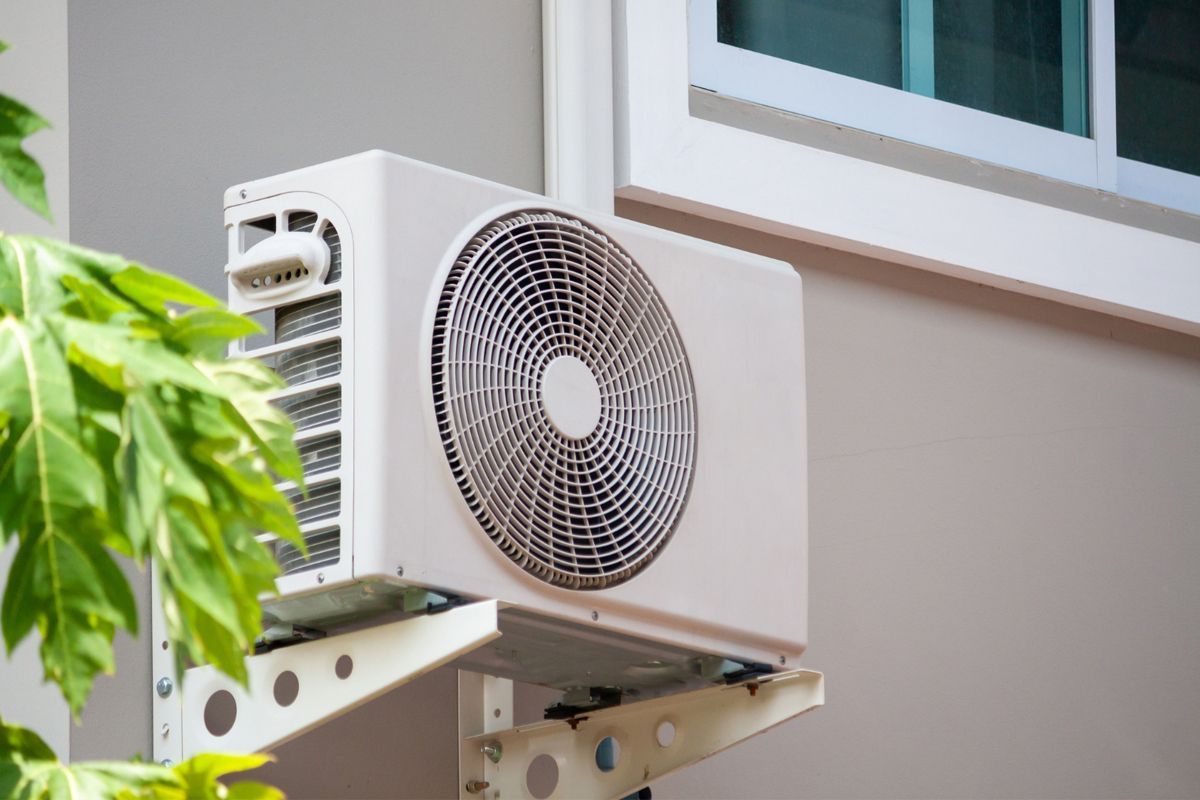
When homeowners think about air conditioning efficiency, they usually focus on the system itself. They think about the brand, the size of the unit, the thermostat, or how often the filter is changed. What often gets overlooked is the location of the outdoor unit.
Where an AC system is placed outside can have a direct impact on how efficiently it operates. Even a quality system can lose performance if the condenser unit is installed in a location that restricts airflow, traps heat, exposes the equipment to unnecessary debris, or creates service and drainage problems.
For homeowners in Pinellas County, Florida, this matters even more. Outdoor HVAC equipment in this area deals with heat, humidity, coastal air, heavy rain, landscaping activity, and long cooling seasons. If the outdoor unit is placed poorly, the system may still run, but it can end up working harder than it should and becoming more expensive to operate over time.
Why the Outdoor Unit Location Matters
The outdoor portion of an air conditioning system is not just a metal box that sits beside the house. It contains the condenser coil, compressor, and fan system that help release heat collected from inside the home.
For the cooling cycle to work properly, the outdoor unit has to be able to:
- pull in adequate outdoor air
- move that air across the condenser coil
- discharge heat efficiently
- remain reasonably clear of obstructions
- stay accessible for service and maintenance
If the placement of the unit interferes with any of these functions, overall system efficiency can suffer.
A homeowner in Belleair may invest in
a newer high-efficiency AC system and still be disappointed by the results if the outdoor unit is installed too close to walls, blocked by landscaping, or placed in an area where heat and debris build up around it.
The Outdoor Unit Needs Proper Airflow Around It
One of the biggest reasons placement matters is airflow.
The condenser unit depends on a steady flow of outside air to release heat. If the unit is boxed in, crowded by walls or fencing, or surrounded by dense landscaping, airflow becomes restricted. When that happens, the system has a harder time rejecting heat, which makes cooling less efficient.
This can lead to:
- longer cooling cycles
- higher energy use
- increased operating pressure
- more strain on the compressor
- reduced performance during hotter weather
A unit does not have to be completely blocked for this to happen. Even partial airflow restriction can reduce heat transfer and make the system work harder than necessary.
Installing the Unit Too Close to Walls Can Create Problems
A common placement issue is installing the outdoor unit too close to the house wall, a corner, or another nearby barrier.
When the condenser fan discharges hot air, that air needs space to move away from the equipment. If the unit is too close to surrounding surfaces, the hot air can become trapped or pulled back into the system. That recirculation raises operating temperatures and reduces efficiency.
In practical terms, that means the AC may still cool the home, but it will often:
- run longer
- cool less effectively in peak heat
- place more stress on key components
- cost more to operate
This becomes especially noticeable during Florida afternoons when the outdoor air is already hot and the system is under heavy demand.
Dense Landscaping Can Restrict Efficiency
Landscaping around the outdoor unit may improve appearance, but if it is not planned carefully, it can hurt system performance.
Shrubs, decorative grasses, plants, and privacy features can all restrict airflow when they are too close to the unit. They can also contribute to debris buildup by dropping leaves, clippings, pollen, and mulch near the condenser coil.
In Pinellas County, this is a common issue because outdoor units are often placed near landscaping beds around the home. Over time, homeowners may not realize how much plant growth has reduced the clearance around the equipment.
A unit surrounded by overgrown shrubs may experience:
- restricted coil airflow
- more dirt and debris accumulation
- reduced condenser performance
- added strain during long cooling cycles
This is one reason
HVAC systems need both proper initial placement and ongoing space around the unit.
Sun Exposure Is Often Misunderstood
Many homeowners ask whether placing the outdoor unit in direct sun reduces efficiency. The answer is not always as simple as people expect.
Direct sun itself is usually less important than airflow. A unit in a sunny area with excellent clearance and airflow can perform better than a unit in shade that is boxed in or poorly ventilated. The condenser is designed to operate outdoors in warm conditions.
That said, placement in an area where heat becomes trapped can still be a problem. If the unit is installed in a tight alcove, between walls, or in a location with poor air movement, the surrounding air temperature near the unit may stay hotter than it should. That can make heat rejection more difficult.
The real concern is not just sunlight. It is whether the unit has enough open space to breathe and discharge heat efficiently.
Improper Placement Can Increase Debris Exposure
The outdoor unit should be installed in a location that minimizes avoidable exposure to grass clippings, dryer vent discharge, roof runoff, and other debris sources.
For example, placement problems can include:
- too close to lawn mowing paths
- directly beneath roof lines that dump water and debris
- near dryer vents that coat the coil with lint
- too close to dusty driveways or work areas
- in areas where leaves collect heavily after storms
A condenser coil that constantly collects debris will lose efficiency faster and require more frequent maintenance. In Florida, where the system may run for much of the year, that added buildup can have a meaningful effect on cooling performance and operating cost.
Poor Drainage Around the Unit Can Cause Long-Term Issues
The ground conditions around the outdoor unit matter too.
If the unit is installed in a low spot where water collects, heavy rain can create problems around the pad and base of the equipment. Poor drainage can contribute to:
- soil shifting
- equipment settling out of level
- excess moisture exposure
- corrosion risk over time
- access problems during service
In Pinellas County, where heavy rain and storm activity are common, the outdoor location should allow for proper drainage and stable support. A unit that becomes uneven or is consistently exposed to standing water may not fail immediately, but the long-term effect on reliability and serviceability can be significant.
Placement That Limits Service Access Can Hurt Long-Term Performance
Efficiency is not only about how the system runs today. It is also about whether the unit can be maintained properly over time.
If the outdoor unit is placed in a tight or difficult area, technicians may have less room to inspect, clean, and service the system correctly. Limited access can affect:
- coil cleaning
- electrical inspection
- refrigerant service
- fan motor access
- compressor-related diagnostics
- routine maintenance quality
A homeowner may not think about service access during installation, but it matters. Equipment that cannot be maintained easily is more likely to suffer from neglected cleaning, harder repairs, and delayed service, all of which can affect long-term efficiency.
Improper Placement Can Make Coastal Conditions Worse
For homes in Belleair and throughout Pinellas County, coastal air exposure is another factor.
Salt air and humidity already place stress on outdoor HVAC equipment. If the unit is also installed in a location with poor airflow or excess moisture retention, those conditions can become even harder on the system.
For example, a unit placed in a tight, damp area with little air movement may be more vulnerable to:
- coil buildup
- corrosion
- grime accumulation
- accelerated wear on metal components
This does not mean every coastal property has the same risk, but it does mean outdoor placement should take the local environment into account.
Improper AC Placement Can Increase Run Time
When the outdoor unit cannot reject heat efficiently, the whole cooling cycle becomes less effective. One of the first results is often longer run time.
The AC may still reach the thermostat setting eventually, but it may take longer to do it. That longer run time increases:
- electricity use
- system wear
- compressor strain
- fan motor workload
- operating cost
A homeowner may think the system is just working harder because of the summer heat. In some cases, the deeper problem is that the outdoor unit is installed in a location that makes efficient heat rejection harder than it should be.
Placement Affecting Performance
A homeowner in Belleair replaces an older AC system with a newer, more efficient unit. On paper, the new system should reduce cooling costs and improve comfort. After installation, the home does cool better, but the system seems to run longer than expected during hot afternoons, and the electric bill remains higher than the homeowner anticipated.
After review, the outdoor unit is found to be installed in a tight side-yard location with limited airflow between the house wall and a solid fence. The condenser is discharging heat into a confined area, and the hot air is not moving away effectively. The system is functioning, but it is working under more difficult conditions than necessary.
That is a good example of how placement outside can affect efficiency even when the equipment itself is new and properly sized.
Proper Outdoor Placement Supports Better Efficiency
A well-placed outdoor unit should have:
- adequate open clearance around it
- strong airflow access
- room for heat discharge
- stable drainage conditions
- reduced exposure to avoidable debris sources
- sufficient service access
- a location that supports long-term maintenance
When those conditions are in place, the system has a better chance of operating efficiently and reliably over time.
This is one reason a complete HVAC installation should involve more than equipment selection. The placement of the outdoor unit should be part of the performance discussion from the beginning.
Why This Matters So Much in Pinellas County
In Pinellas County, AC systems handle long cooling seasons, high humidity, heavy summer demand, and outdoor environmental exposure. That means any installation factor that reduces efficiency can have a bigger effect here than in cooler climates.
Homes in Belleair and surrounding areas depend on reliable, efficient cooling for much of the year. If the outdoor unit is poorly placed, the cost of that inefficiency adds up through:
- higher monthly bills
- more wear on the system
- less effective cooling during peak demand
- more maintenance needs over time
For local homeowners, proper placement outside is not just an installation detail. It is part of what helps the system deliver the comfort and performance they are paying for.
A Complete System Approach Leads to Better Results
At Williams Air Solutions, we take a complete system approach because AC performance depends on more than the equipment model alone. Outdoor unit placement, airflow around the condenser, service access, drainage conditions, and environmental exposure all affect how the system performs after installation.
When placement is handled correctly, the system has a stronger foundation for efficiency and long-term reliability. When placement is overlooked, even a good unit can end up operating under avoidable strain.
Improper AC placement outside can reduce system efficiency by restricting airflow, trapping heat, increasing debris buildup, creating drainage problems, and making maintenance more difficult over time. The outdoor unit needs the right conditions around it in order to release heat effectively and support efficient cooling inside the home.
At Williams Air Solutions, we help homeowners in Belleair and throughout Pinellas County take a full-system view of HVAC performance. That includes making sure outdoor unit placement supports proper airflow, service access, and long-term efficiency. A high-quality AC system can only perform at its best when the installation environment allows it to.
At Williams Air Solutions, we help homeowners in Belleair and throughout Pinellas County take a full-system view of HVAC performance. That includes making sure outdoor unit placement supports proper airflow, service access, and long-term efficiency. A high-quality AC system can only perform at its best when the installation environment allows it to.
Call Williams Air Solutions at (727) 353-0090 to schedule AC service anywhere in Pinellas County.