Storm-Related AC Problems Florida Homeowners Should Watch For
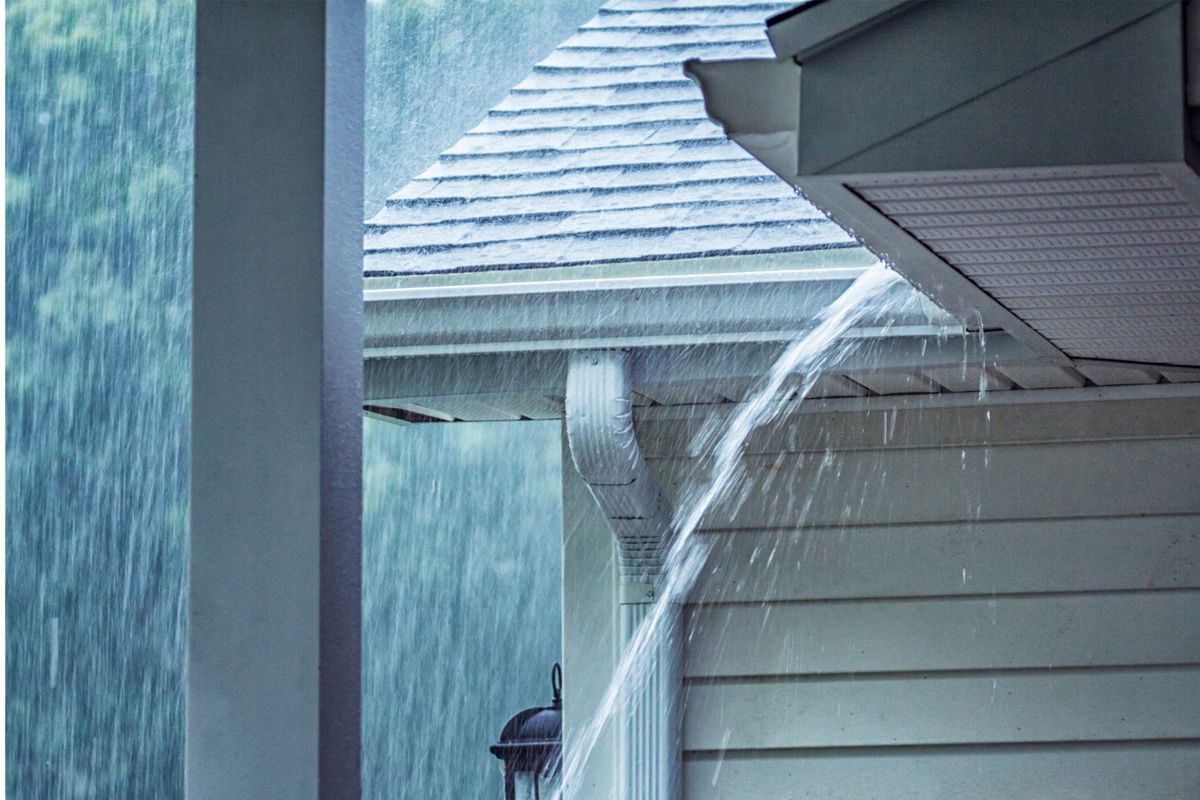
Florida storms bring heavy rain, high winds, lightning, and power fluctuations — all of which can impact your air conditioning system. While some storm-related damage is obvious, many AC issues caused by storms don’t show up until days or even weeks later.
At Williams Air Solutions, we see a surge in AC repair calls following storms throughout Pinellas County. Understanding the most common storm-related AC problems helps homeowners act early and avoid costly breakdowns during Florida’s hottest months.
Here’s what to watch for after a storm passes.
Why Florida Storms Are Hard on AC Systems
1. Electrical Damage From Power Surges
Lightning strikes and sudden power restoration can damage sensitive AC components.
Common surge-related failures include:
- Burned capacitors
- Failed contactors
- Control board damage
- Thermostat malfunctions
Electrical damage is one of the most common storm-related AC issues, and it may not cause immediate failure.
2. Tripped Breakers and Electrical Shutdowns
After a storm, homeowners may find:
- AC breakers repeatedly tripping
- The system failing to restart
- Intermittent operation
These signs often indicate electrical stress or component damage caused by power fluctuations.
3. Debris Damage to the Outdoor Unit
High winds can blow:
- Branches
- Palm fronds
- Roofing materials
- Yard debris
into the outdoor condenser. Even minor impacts can:
- Bend coil fins
- Damage fan blades
- Restrict airflow
Restricted airflow reduces cooling performance and strains the system.
4. Flooding and Drainage Problems
Heavy rain can overwhelm drainage systems.
Common issues include:
- Clogged AC drain lines
- Water backing up into the air handler
- Safety switch shutdowns
Flooding near the unit can also lead to moisture damage inside electrical components.
5. Moisture Intrusion Into Electrical Components
Florida storms combine humidity with driving rain.
Moisture exposure can cause:
- Corrosion on electrical contacts
- Control board failures
- Delayed electrical issues days after the storm
These problems often appear gradually, not immediately.
6. Refrigerant Line and Coil Damage
Wind-blown debris can:
- Strike exposed refrigerant lines
- Damage condenser coils
- Cause slow refrigerant leaks
Cooling performance may decline over time rather than stopping suddenly.
7. Outdoor Fan Motor Issues
Storm debris and moisture can affect:
- Fan motors
- Bearings
- Electrical connections
A damaged outdoor fan prevents proper heat release, leading to poor cooling and possible compressor overload.
8. AC Won’t Restart After Power Is Restored
If your AC doesn’t turn back on after an outage, it may be due to:
- Electrical component failure
- Tripped safety switches
- Control board issues
Repeated restart attempts can cause further damage.
Warning Signs to Watch for After a Storm
Call for professional service if you notice:
- Reduced cooling performance
- Unusual noises from the unit
- Repeated breaker trips
- Water around the indoor unit
- AC that won’t restart properly
These symptoms often indicate storm-related damage.
Pinellas County Post-Storm Repairs
Following a recent Pinellas County storm, a homeowner noticed their AC cycling on and off. Inspection revealed a surge-damaged capacitor and debris restricting airflow. Early repair prevented a full system shutdown during the following heat wave.
What Homeowners Should Do After a Storm
After a storm passes:
- Visually inspect the outdoor unit for debris
- Avoid resetting breakers repeatedly
- Check for water near the air handler
- Monitor cooling performance
- Schedule a professional inspection if anything seems off
Early action prevents small issues from becoming major repairs.
How Preventive Maintenance Helps Before Storm Season
Routine maintenance helps:
- Strengthen electrical reliability
- Identify drainage vulnerabilities
- Ensure airflow is unrestricted
- Reduce storm-related breakdown risk
Maintenance is especially important before hurricane season begins.
Storm Damage Isn’t Always Obvious
Storm-related AC problems don’t always cause immediate failure, but they often lead to breakdowns if left unchecked. Florida homeowners who monitor their systems closely after storms can avoid unexpected repairs during peak heat.
At Williams Air Solutions, we help homeowners identify and repair storm-related AC issues early, protecting comfort and system reliability.
If your AC system was exposed to a recent storm and you’ve noticed performance changes, call Williams Air Solutions at (727) 353-0090 for professional residential AC service in Pinellas County.