How Thermostat Placement Can Affect Cooling Performance
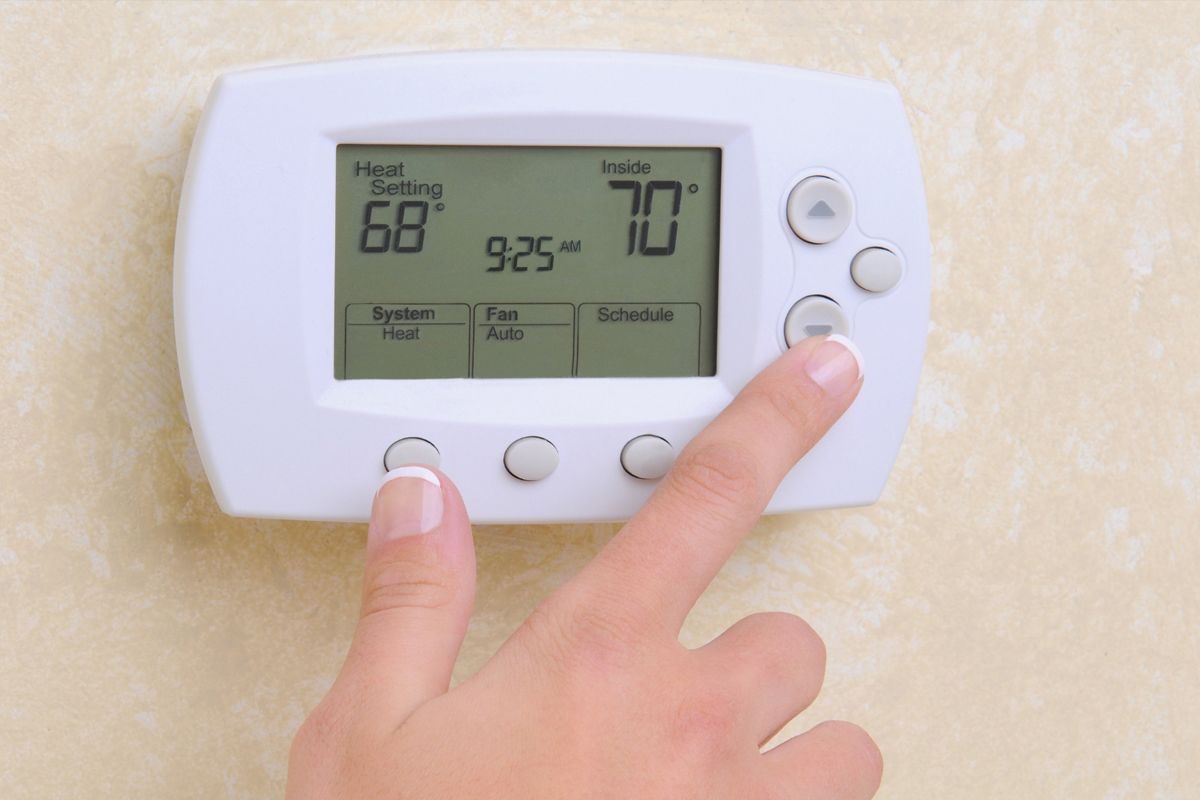
Most homeowners think of the thermostat as a simple control on the wall. You set the temperature, the air conditioner responds, and the house should feel comfortable. That is true in theory, but in real-world HVAC performance, thermostat placement matters more than many people realize.
If the thermostat is installed in the wrong location, it can misread the actual conditions inside the home and cause the HVAC system to run at the wrong times or shut off too early. That can lead to uneven temperatures, longer cooling cycles, higher energy use, humidity problems, and rooms that never seem to feel right.
For homeowners in Pinellas County, Florida, this is especially important. Air conditioning systems in this area work hard for much of the year, and indoor comfort depends on more than just lowering the temperature. The system also needs to manage humidity and deliver steady cooling throughout the home. If the thermostat is not placed well, even a properly sized and well-maintained AC system can struggle to perform the way it should.
Why Thermostat Placement Matters in the First Place
The thermostat acts as the control point for the entire cooling system. It tells the AC when to turn on, when to keep running, and when to shut off based on the temperature it senses in its immediate area.
That is the key issue. The thermostat does not know how every room in the home feels. It only reacts to the temperature in the spot where it is installed.
If that location does not represent the actual average comfort condition of the home, the system may respond incorrectly. That can create a chain of performance problems throughout the house.
A homeowner in Belleair may have an AC system that runs, cools the house, and seems mechanically fine, yet some rooms stay warm while others feel too cold. In many cases, one of the contributing issues is that the thermostat is reading a local condition rather than the bigger picture of the home.
A Thermostat in Direct Sunlight Can Misread the Home
One of the most common thermostat placement problems is direct or repeated sunlight exposure.
If the thermostat is installed on a wall that gets afternoon sun, it may read the surrounding area as warmer than the rest of the home actually is. When that happens, the system may run longer than necessary because it thinks the home still needs more cooling.
This can lead to:
- overcooling in other parts of the house
- higher energy use
- longer system run times
- comfort complaints in shaded rooms
- more wear on the HVAC equipment
In Pinellas County, where afternoon sun can be intense, thermostat placement near sunlit windows, glass doors, or bright exterior-facing walls can noticeably affect cooling behavior.
The homeowner may think the AC is struggling to keep up when the real problem is that the thermostat is being artificially warmed by sunlight.
Thermostats Near Kitchens Can Affect Cooling Cycles
Kitchens generate heat, especially during cooking. Ovens, stovetops, dishwashers, and even steady appliance use can warm the surrounding area more than other parts of the home.
If a thermostat is installed too close to the kitchen, it may sense that extra heat and cause the AC to run more often than necessary. That can make the rest of the house cooler than it needs to be, especially in nearby living spaces.
This often shows up in open-concept homes where the thermostat is mounted near a main living area that also connects closely to the kitchen. During meal preparation, the thermostat may respond to temporary heat rather than the actual cooling needs of the entire home.
That creates an uneven pattern where the AC is reacting to one hotter zone instead of maintaining balanced comfort across the house.
Thermostats Near Supply Vents Can Shut Cooling Off Too Early
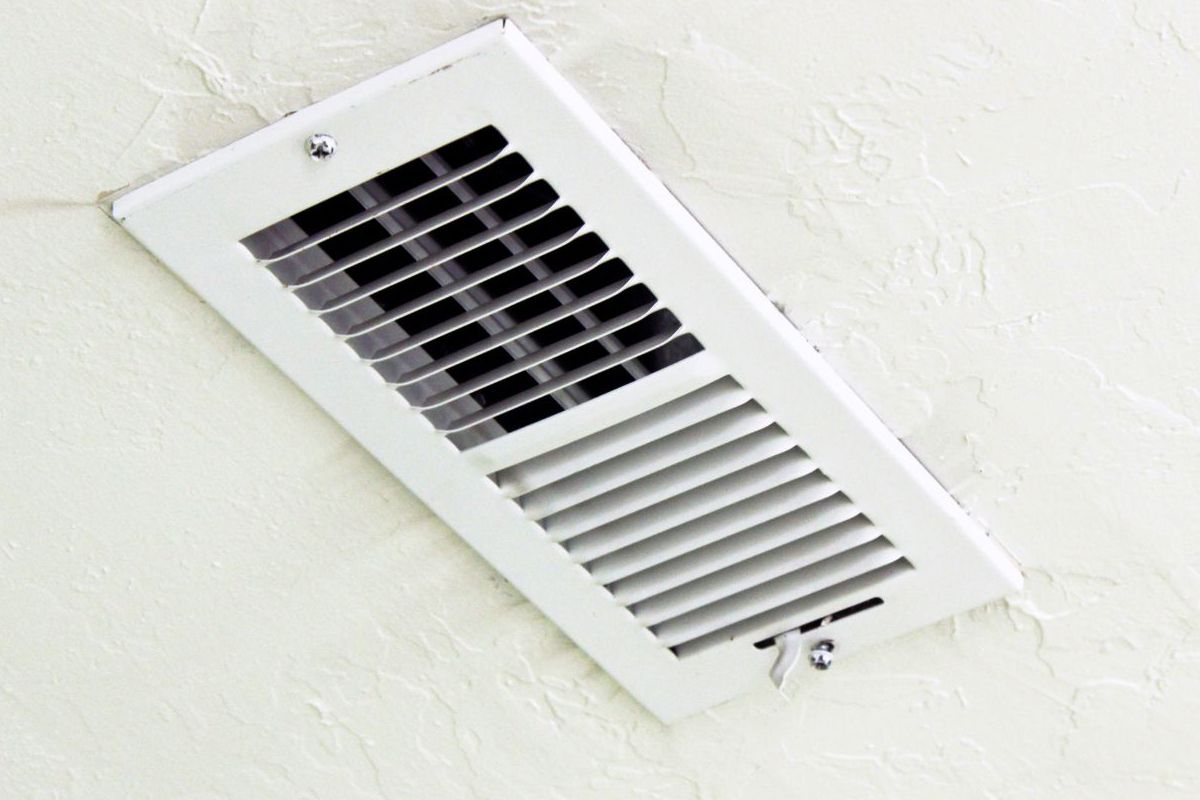
Another common placement issue happens when the thermostat is too close to a supply vent.
If cool air blows directly toward the thermostat, it may sense the set temperature faster than the rest of the home reaches that same level. That causes the system to shut off too early.
When that happens, homeowners may notice:
- back rooms staying warmer
- uneven cooling from room to room
- shorter cycles
- poor humidity control
- some spaces never feeling fully comfortable
This can be especially frustrating because the thermostat appears to be working correctly. It is reading the temperature near itself accurately, but that temperature is being influenced by direct conditioned air rather than the broader living space.
A home in Belleair may have warm bedrooms and a comfortable hallway simply because the thermostat is being cooled too quickly by a nearby vent.
Thermostats Near Return Vents Can Also Give False Readings
Return vents pull indoor air back into the HVAC system to be cooled and recirculated. If the thermostat is installed too close to a return vent, the air movement around it may not reflect the actual average temperature of the room.
Depending on the layout and airflow pattern, the thermostat may sense a temperature that causes it to cycle the system too early or too late. While this is often less obvious than direct sunlight or nearby supply vents, it can still affect how evenly the home cools.
This is one reason thermostat placement should always be considered as part of the total airflow design of the house, not just where the wall space happens to be available.
Hallway Placement Is Common, but Not Always Ideal
Many thermostats are installed in central hallways. In some homes, that works well. In others, it creates performance issues.
A hallway may not represent the comfort conditions of the rooms where people spend the most time. Hallways often have less sun exposure, less appliance heat, and less occupancy than living rooms, bedrooms, offices, or family spaces.
That means the thermostat may satisfy in the hallway while other rooms still feel warm. Or, in some layouts, the hallway may stay warmer while other rooms are already comfortable.
This becomes more noticeable in larger homes, homes with split floorplans, or homes with room additions where temperature patterns vary more from one area to another.
The thermostat does not need to be in the literal center of the house. It needs to be in a location that gives the most representative reading of the home’s main living conditions.
Poor Placement Can Make Humidity Problems Worse
In Florida, thermostat placement affects more than temperature. It also affects humidity control.
If poor thermostat placement causes the system to shut off too quickly, the AC may not run long enough to remove enough moisture from the indoor air. That can leave the house feeling:
- sticky
- damp
- cool but uncomfortable
- heavier in the afternoon
- inconsistent from room to room
For example, if the thermostat is near a supply vent and satisfies too quickly, the system may short cycle. The temperature may look acceptable on the thermostat screen, but the home may still feel humid because the system did not run long enough to dehumidify properly.
This is a major issue in Pinellas County, where indoor comfort depends heavily on steady moisture removal.
Thermostat Placement Can Increase Energy Costs
When the thermostat is in the wrong place, the HVAC system often runs inefficiently.
If the thermostat reads too warm because of sunlight or nearby heat sources, the AC may run too long and overcool the home. If it reads too cool because of nearby supply air, it may shut off too early and force the system into repeated short cycles.
Either way, the result can be:
- wasted energy
- less stable comfort
- more frequent cycling
- increased strain on electrical and mechanical components
- higher monthly utility bills
The homeowner may blame the age of the AC unit, the thermostat settings, or the weather outside, when the actual issue starts with what the thermostat is sensing on the wall.
Multi-Story Homes Often Show Thermostat Placement Problems More Clearly
In two-story homes or homes with changing ceiling heights, thermostat placement can become even more important.
Heat rises, and different parts of the home may experience different temperature patterns throughout the day. If a single thermostat is located in an area that does not represent the home as a whole, one level may feel comfortable while the other struggles.
For example:
- the downstairs may satisfy quickly while upstairs bedrooms stay warm
- the thermostat may be on a cooler interior wall while sun-facing rooms overheat
- the system may respond to one floor’s conditions and leave the other uneven
In homes throughout Pinellas County, this is especially common when the thermostat location was chosen for convenience during original construction rather than long-term comfort performance.
Renovations and Layout Changes Can Affect Thermostat Accuracy
A thermostat may have been in a reasonable location when the home was first built, but later changes can make that location less effective.
Examples include:
- kitchen remodeling that adds more heat nearby
- room additions that change airflow and comfort patterns
- furniture placement that affects circulation
- closing in porches or changing window exposure
- adding larger electronics or appliances nearby
Homeowners do not always think of these changes as HVAC-related, but they can affect how representative the thermostat reading is over time.
A thermostat that worked acceptably years ago may no longer be in the right spot for how the home functions today.
Thermostat Placement Affecting Performance
A homeowner in Belleair may notice that the living room feels cold while the back bedrooms remain warm and the house still feels humid in the late afternoon. The AC system has been serviced and appears to be functioning properly, yet comfort complaints continue.
During evaluation, it turns out the thermostat is mounted in a hallway directly near a supply vent and not far from a sunlit wall section.
The thermostat is being cooled too quickly at some times of day and warmed too much at others. That causes uneven cycles and poor overall control of the home’s actual cooling needs.
The equipment itself is not the primary problem. The control point for the system is simply in the wrong place for accurate performance.
Where a Thermostat Should Ideally Be Located
A thermostat should generally be installed in a location that reflects the average comfort condition of the home’s main living space.
In many cases, that means:
- an interior wall
- away from direct sunlight
- away from supply vents
- away from return vents
- away from kitchens and heat-producing appliances
- away from exterior doors
- in an area with normal air circulation
- in a part of the home people use regularly
The exact best location depends on the layout of the house, the airflow design, and where temperature patterns tend to vary. This is why thermostat placement should be evaluated as part of the overall HVAC system rather than treated as a minor detail.
Why This Matters So Much in Pinellas County
In Pinellas County, AC systems run often and indoor comfort depends on balancing cooling with humidity control. That means thermostat behavior has a larger effect on daily comfort than it might in milder climates.
Homes in Belleair and surrounding areas often deal with:
- strong afternoon sun
- high indoor humidity loads
- long cooling seasons
- room-to-room comfort differences caused by layout and exposure
If the thermostat is placed poorly, those conditions become harder for the system to manage. The result is often more complaints about uneven cooling, damp indoor air, and rising energy bills even when the equipment itself is still in decent shape.
A Complete HVAC Approach Looks at Controls Too
At Williams Air Solutions, we take a complete system approach because cooling performance is not just about the equipment. Airflow, duct design, attic conditions, maintenance, and thermostat placement all affect how the system performs in real life.
A thermostat may seem like a small part of the system, but it controls the timing of every cooling cycle. If it is not sensing the right area, the entire system can end up working against the comfort needs of the home rather than supporting them.
Thermostat placement can affect cooling performance by causing the HVAC system to run too long, shut off too early, short cycle, overcool parts of the home, or leave humidity behind. Direct sunlight, nearby vents, kitchen heat, poor air circulation, and unrepresentative hallway placement can all lead to readings that do not reflect the actual comfort needs of the house.
At Williams Air Solutions, we help homeowners in Belleair and throughout Pinellas County look at the full picture of HVAC performance, including the control side of the system. When the thermostat is placed correctly, the AC has a much better chance of delivering even cooling, better humidity control, and more efficient operation throughout the home.
Call Williams Air Solutions at (727) 353-0090 to schedule AC service anywhere in Pinellas County.