How to Future-Proof a New Home’s HVAC System Before It’s Built.
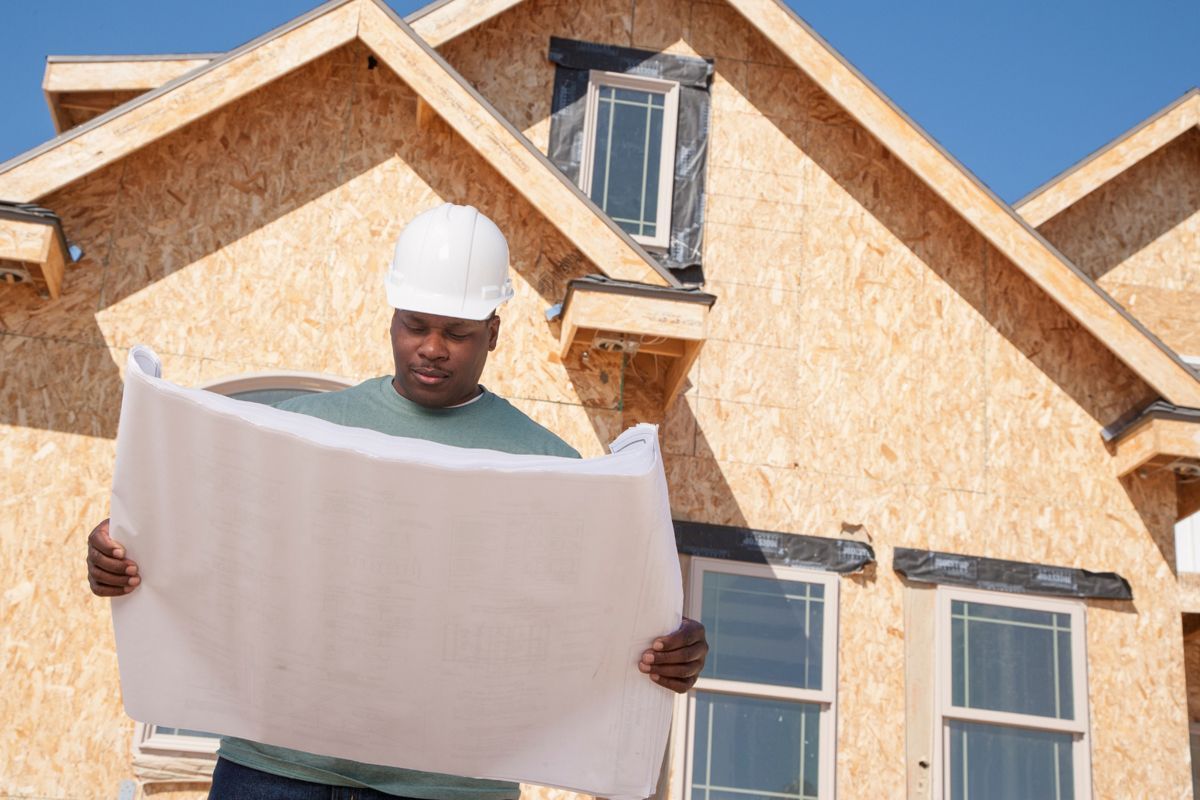
Building a new home in Pinellas County offers a unique opportunity: you can design an HVAC system that serves your needs today and also adapts to future comfort changes, technology upgrades, energy requirements, and household growth.
Future-proofing prevents the most common HVAC regrets — like undersized equipment, humidity problems, poor airflow, or expensive remodeling later. At Williams Air Solutions, we regularly work with builders and homeowners during pre-construction to ensure HVAC systems are designed for long-term performance, not just initial installation.
Here’s how to future-proof a new home’s HVAC system before the walls go up.
1. Choose a System Sized Through Engineering — Not Guesswork
Manual J load calculations are essential for future-proofing.
Proper sizing today ensures:
- Long-term cooling stability
- Lower operating costs
- Better humidity control
- Reduced mechanical wear
Homes that use “rule of thumb” sizing often end up
replacing units early or running dual systems to fix temperature imbalance.
2. Install Larger Return Air Paths and Filter Cabinets
Most new homes are built with minimal return air capacity, which restricts airflow and increases system stress.
Future-proofing means:
- Oversized return ducts
- Dedicated bedroom returns
- Larger media filter housings
This supports future high-efficiency units and eliminates future remodeling headaches.
3. Leave Extra Mechanical Space for Bigger Systems Later
As Florida HVAC efficiency standards rise, units tend to become physically larger.
During framing, allow:
- Large access clearances
- Taller closet dimensions
- Easy service space
- Room for IAQ components
Mechanical closets that are only “just big enough” cannot support system upgrades later.
4. Plan for Zoning or Dual-System Potential
Even if you do not install zoning now, wiring and duct routing should support it later.
Future capabilities include:
- Smart dampers
- Separate upstairs and downstairs control
- Multi-system layouts
- Master suite zoning
It costs very little to
plan for zoning during construction — and thousands to retrofit it.
5. Add Smart Thermostat Wiring and Control Pathways
Smart controls are no longer optional in larger Florida homes.
Pre-wire for:
- Smart thermostats
- Wi-Fi capability
- Multi-stage controls
- Humidity integration
Running new control wiring after drywall requires demolition.
6. Use Variable-Speed Equipment or Plan for It Later
Variable-speed systems run:
- Quieter
- More efficiently
- With better humidity removal
If budget doesn’t support full implementation today, ductwork and return sizing should be designed to accept it in the future.
7. Design Ductwork That Exceeds Minimum Engineering Standards
Average-quality ductwork barely meets today’s airflow needs — let alone future system demands.
Future-proofing ductwork means:
- Short, direct supply paths
- Oversized trunks
- Low static pressure
- Quality sealing
- Rigid materials where possible
Bad ducts are the #1 reason homeowners remodel HVAC systems.
8. Build IAQ Integration Into the System Layout
New homes are tightly sealed for energy efficiency, meaning indoor air quality matters more than ever.
Plan space and wiring now for:
- UV purification
- Whole-home dehumidifiers
- HEPA filtration
- Dedicated ventilation
IAQ upgrades are 5–10 times cheaper during construction than post-completion.
9. Future-Proof for Rising Energy Standard
Efficiency requirements continue to rise nationwide — SEER2 and refrigerant changes are only the beginning.
Preparing for future compliance includes:
- Oversized electrical breakers
- Correct refrigerant line sizes
- Proper copper routing
- Drain protection
- Smart control platforms
Homes that ignore this will face expensive upgrade barriers.
10. Build for Serviceability, Not Just Installation Speed
Future technicians will need room to access:
- Drain lines
- Blower assemblies
- Electrical panels
- Coil housings
If access is restricted, every future repair becomes more expensive.
11. Consider Dual HVAC Systems for Large Home
Large two-story homes in Belleair, Clearwater, and Palm Harbor almost always benefit from:
- Two smaller systems
- Zoned cooling
- Balanced comfort
- Reduced runtime
Installing future-ready ductwork prevents expensive conversions later.
12. Plan for Outdoor Unit Location Flexibility
Leave space for:
- Salt-air corrosion protection
- Noise reduction
- Multi-directional airflow
- Future system replacement
Many Florida homeowners need new pads or relocation work years later because outdoor space was never considered.
Why Future-Proofing Matters in Florida
Florida’s environment accelerates HVAC wear due to:
- Long cooling seasons
- Salt in coastal air
- Heavy humidity
- Power demand increases
- Population growth
Homes not designed for the future can need system replacement far sooner.
Pinellas New Build Designed for Longevity
A new construction project in Seminole included:
- Oversized returns
- IAQ filtration space
- Dual thermostat wiring
- Zoning-ready duct design
Years later, homeowners easily integrated:
- Smart controls
- Dehumidification
- Variable-speed upgrades
This avoided costly demolition and HVAC restructuring.
Don’t Build HVAC to Today — Build for Tomorrow
Future-proofing new home HVAC systems protects:
- Comfort
- Budget
- Resale value
- Technology compatibility
A small investment during construction prevents large remodeling expenses later.
At Williams Air Solutions, we guide new construction HVAC planning throughout Pinellas County to ensure homeowners get long-term comfort and flexibility — not short-term shortcuts.
Call Williams Air Solutions at (727) 353-0090 to future-proof your new HVAC system before construction begins.