Why Emergency HVAC Repairs Are More Expensive Than Preventive Maintenance
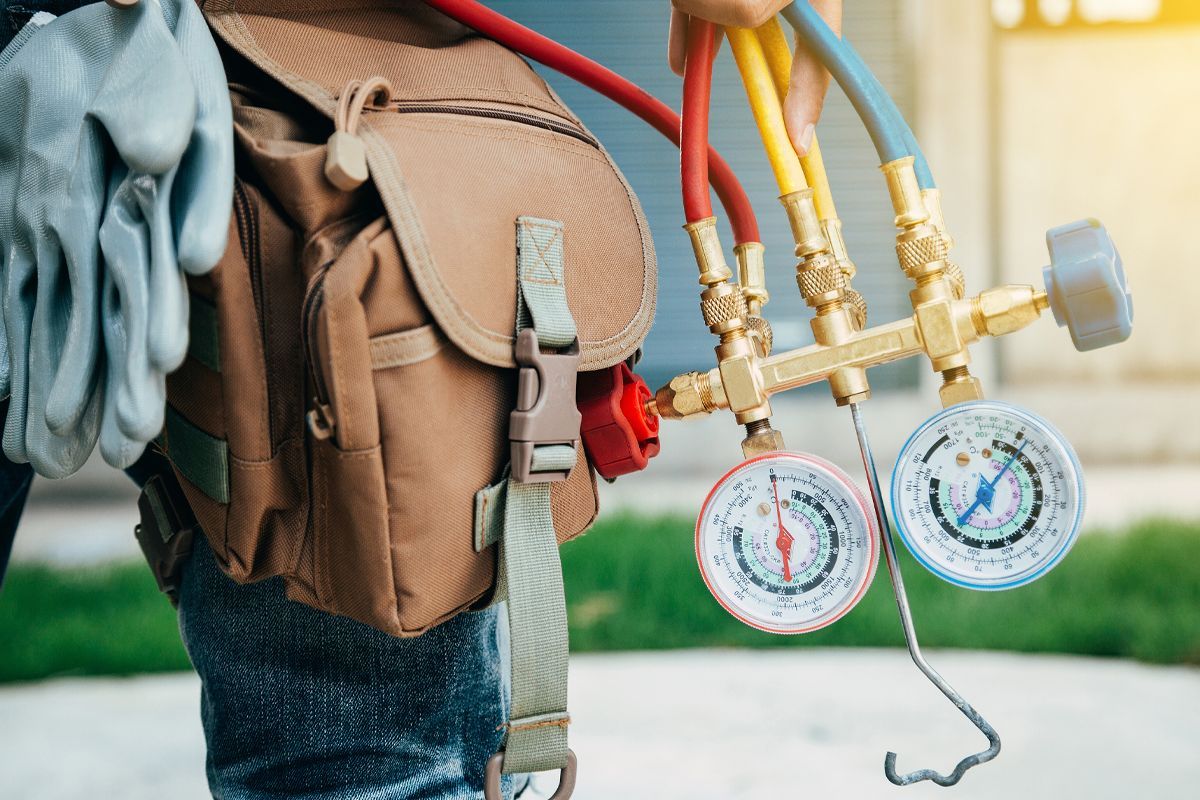
When an HVAC system fails unexpectedly, the focus is usually on getting it running again as quickly as possible. What many Florida homeowners and business owners don’t realize is that emergency HVAC repairs almost always cost significantly more than preventive maintenance — not just in repair bills, but in downtime, energy waste, and long-term equipment damage.
In Florida’s climate, HVAC systems operate under constant stress. At Williams Air Solutions, we routinely see emergency situations that could have been avoided with routine maintenance scheduled weeks or months earlier. Understanding why
emergency repairs cost more helps property owners make smarter decisions before problems escalate.
1. Emergency Service Involves Premium Labor Costs
Emergency HVAC repairs often happen:
- After normal business hours
- On weekends or holidays
- During peak seasonal demand
These situations require technicians to be dispatched immediately, often at overtime or premium rates.
Preventive maintenance, on the other hand, is scheduled in advance at standard service pricing.
2. Repairs Happen During Peak Demand
Emergency failures rarely occur during mild weather. They almost always happen during:
- Heat waves
- High humidity periods
- Peak occupancy hours
During these times, parts availability is tighter, scheduling is limited, and repair costs increase due to urgency. Preventive maintenance reduces the risk of breakdowns when systems are under the most strain.
3. Small Issues Become Major Failures
Many emergency repairs start as small, inexpensive problems:
- Weak capacitors
- Dirty coils
- Restricted airflow
- Minor electrical issues
When these are ignored, they place stress on major components like compressors and motors. Emergency repairs often involve replacing expensive parts that routine maintenance would have protected.
4. Emergency Repairs Focus on Restoration, Not Optimization
During an emergency, the goal is simple: restore cooling as quickly as possible.
This means:
- Root causes may not be fully addressed
- System efficiency may remain compromised
- Future failures become more likely
Preventive maintenance focuses on system health, efficiency, and longevity — not just short-term operation.
5. Business Downtime Adds Hidden Costs
For commercial properties, emergency HVAC failures often result in:
- Reduced productivity
- Lost customers or revenue
- Temporary closures
- Employee discomfort or safety issues
These indirect costs frequently exceed the actual repair invoice. Preventive maintenance minimizes disruption and protects day-to-day operations.
6. Emergency Repairs Often Require Rush Parts
Emergency situations may require:
- Expedited part orders
- Temporary solutions
- Limited repair options
Rush parts and temporary fixes increase costs and may not provide long-term reliability. Routine maintenance allows parts to be replaced strategically and cost-effectively.
7. Energy Costs Spike After Emergency Failures
Systems that fail unexpectedly often operate inefficiently afterward — especially if airflow, refrigerant balance, or coil condition isn’t fully restored.
Preventive maintenance keeps systems running efficiently, reducing energy waste and avoiding post-repair utility spikes.
8. Emergency Repairs Can Void Warranties
Many HVAC manufacturers require documented professional maintenance to keep warranties valid. Skipping maintenance may lead to denied warranty claims when major components fail — leaving owners responsible for the full repair or replacement cost.
Preventive maintenance protects warranty coverage and investment value.
9. Equipment Lifespan Is Shortened
Emergency failures place extreme stress on HVAC systems. Repeated emergency repairs accelerate wear and often lead to premature system replacement.
Well-maintained systems:
- Last longer
- Perform more reliably
- Deliver better return on investment
Replacing equipment early is one of the most expensive outcomes of reactive HVAC care.
10. Preventive Maintenance Creates Predictable Costs
Preventive maintenance allows property owners to:
- Budget HVAC expenses
- Reduce surprise repairs
- Plan equipment upgrades
- Avoid financial emergencies
Predictable costs are easier to manage than sudden repair bills during the hottest months of the year.
Emergency Repair vs. Preventive Service
A Pinellas County commercial client experienced a compressor failure during peak summer after skipping routine maintenance. The emergency repair required expedited labor and parts, along with temporary cooling solutions for occupants.
The cost of that single emergency exceeded the cost of multiple years of preventive maintenance.
Why Florida HVAC Systems Are Especially Vulnerable
Florida systems operate longer and harder due to:
- Year-round cooling demand
- High humidity
- Salt-air corrosion
- Heavy occupancy loads
These conditions amplify the cost difference between emergency repairs and preventive care.
Emergency HVAC Repairs Are the Most Expensive Way to Maintain a System
Emergency HVAC repairs aren’t just inconvenient — they’re the most expensive, disruptive, and inefficient way to care for your system.
Preventive maintenance:
- Catches problems early
- Reduces emergency calls
- Protects equipment
- Saves money over time
- Preserves comfort and productivity
At Williams Air Solutions, we help Florida homeowners and businesses move from reactive repairs to proactive maintenance — saving money and avoiding unnecessary stress.
Call Williams Air Solutions at (727) 353-0090 to schedule preventive HVAC maintenance and avoid the high cost of emergency repairs.