Should Florida Homes Replace Both AC Systems at the Same Time?
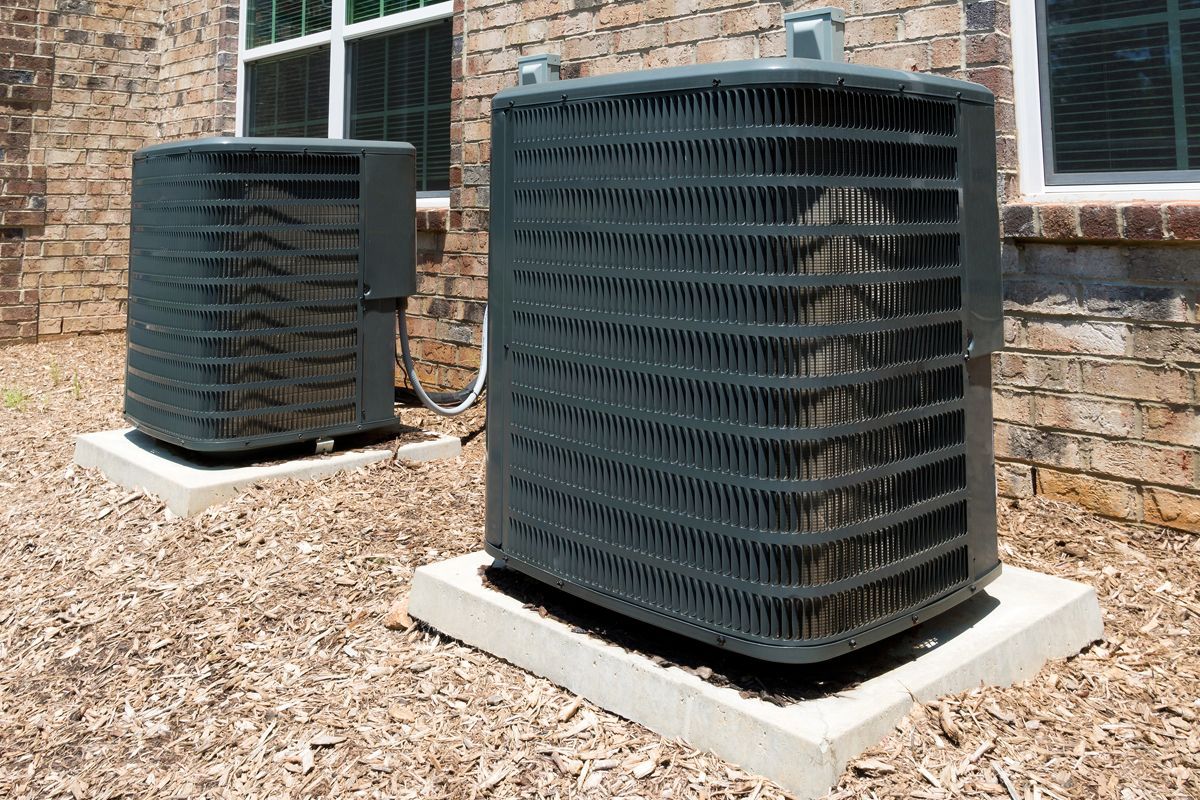
Many larger Florida homes rely on two separate air conditioning systems — one for each floor, or one for primary living areas and another for bedrooms. When one system reaches the end of its service life or requires major repair, homeowners often wonder:
Should both AC units be replaced together, or should only the failing unit be swapped out?
Future-proofing prevents the most common HVAC regrets — like undersized equipment, humidity problems, poor airflow, or expensive remodeling later. At Williams Air Solutions, we help homeowners in Pinellas County make this decision every year. The best answer depends on age, efficiency targets, budget, and long-term comfort goals. Here is a clear breakdown to help guide the choice.
Why Many Florida Homes Have Two Systems
Homes in Belleair, Clearwater, Palm Harbor, Largo, and Seminole often exceed 2,000 square feet and include:
- Multistory layouts
- Separate wings
- Guest rooms
- Extended living areas
- Bonus rooms or additions
Two units allow for better comfort control and humidity management, but also introduce questions when one system fails before the other.
When Replacing Both Systems Makes Sense
1. Both Units Are the Same Age
If both AC systems were installed together, they’re aging at the same pace.
Replacing only one can create:
- Efficiency mismatch
- Uneven comfort
- Higher long-term repair frequency
When systems are 12–15+ years old, replacing both is often more cost-effective.
2. You Want Lower Operating Costs
New systems share:
- Matched efficiency ratings
- Equal cooling loads
- Balanced humidity control
That leads to:
- Lower utility bills
- Even temperature distribution
- Better reliability
This is especially useful for multi-story homes where the upstairs sees higher heat loads.
3. You’re Upgrading to High-Efficiency Equipment
SEER2 upgrades are most impactful when both systems have:
- Variable-speed capability
- Smart controls
- Matching technology
Mixing an older system with a new, advanced one usually limits performance.
4. Long-Term Savings Outweigh Short-Term Expense
Replacing both units together may:
- Reduce installation labor costs
- Lower permit fees
- Eliminate repeat service disruptions
- Simplify duct and electrical upgrades
The full project may cost less than two separate replacements years apart.
5. You Plan to Sell the Home
Paired systems boost resale strength because buyers avoid worrying about the “old side” of the HVAC layout.
Nice homes with two mismatched units often raise questions from inspectors and lenders.
When Replacing Only One System Makes Sense
1. The Second System Is Still Under Warranty
If one unit is significantly newer, replacing it may not be necessary.
2. Budgets Are Tight
Replacing the failing unit keeps the home operational while planning future upgrades.
3. Only One Unit Is Used Frequently
Some homes have guest-wing systems that barely run.
Replacing a lightly used unit early is unnecessary.
Potential Downsides to Staggered Replacement
Higher Energy Costs
A new high-efficiency unit paired with an older system often:
- Stresses the new equipment
- Increases total runtime
- Creates imbalance
Uneven Comfort
Upstairs may cool faster than downstairs (or vice-versa), forcing continuous thermostat adjustment.
Future Replacement Costs
The remaining older unit may last only a few more years, leading to another large expense and installation disruption.
What Florida Climate Does to HVAC Lifespan
Two-system homes in Pinellas County run harder because of:
- Heavy humidity
- Salt air corrosion
- Long cooling seasons
- Higher ambient temperature
Even well-maintained units eventually lose performance.
Matching system age and efficiency reduces these climate stress factors.
How to Decide: Practical Checklist
Homeowners should ask:
1️⃣ How old are both systems?
2️⃣ Are utility bills rising?
3️⃣ Are comfort issues showing up?
4️⃣ What are my long-term goals for the home?
5️⃣ Do both units need duct or control upgrades?
6️⃣ Am I planning to sell the home in 1–5 years?
If three or more answers lean toward replacement, a paired upgrade makes sense.
Palm Harbor Home Upgrade
A Palm Harbor homeowner upgraded both 13-SEER systems to modern variable-speed units.
Results included:
- 22% drop in electric bills
- Quieter operation
- Balanced upstairs/downstairs temperatures
- Stronger home value
Replacing only one system would not have reached the same results.
It Depends on Age, Usage, and Goals
Replacing both AC units at the same time isn’t always required — but for many large Florida homes, it delivers better comfort, lower energy costs, and longer warranty coverage.
Whether you replace one or both, proper sizing and installation are critical.
At Williams Air Solutions, we evaluate equipment age, duct performance, energy goals, and Florida climate factors to help homeowners choose the smartest path.
Call Williams Air Solutions at (727) 353-0090 for guidance on single vs. dual HVAC system replacement options.