Common HVAC Mistakes Made in New Builds (and How to Avoid Them)
A newly built home should deliver modern comfort, efficient cooling, and balanced temperatures from day one. Unfortunately, HVAC oversights during construction are extremely common, especially in Florida’s coastal counties. When builders rush HVAC planning or treat air conditioning like a secondary detail, homeowners end up living with avoidable issues: high electric bills, noisy operation, weak airflow, and comfort complaints that appear within the first year.
At Williams Air Solutions, we’ve inspected many new homes in Pinellas County and found that most HVAC problems are not equipment problems, they are design and installation mistakes. Here are the most frequent ones, and how homeowners and builders can avoid them.
1. Guessing at HVAC Size Instead of Using a Load Calculation
The most damaging mistake in new construction is skipping a Manual J load calculation.
Without it, homeowners risk:
- Oversized systems that short-cycle
- Undersized systems that run nonstop
- Poor humidity control
- Accelerated equipment wear
Avoid this by designing HVAC capacity around real measurements — not rule-of-thumb tonnage.
2. Ductwork Designed Around Space, Not Airflow
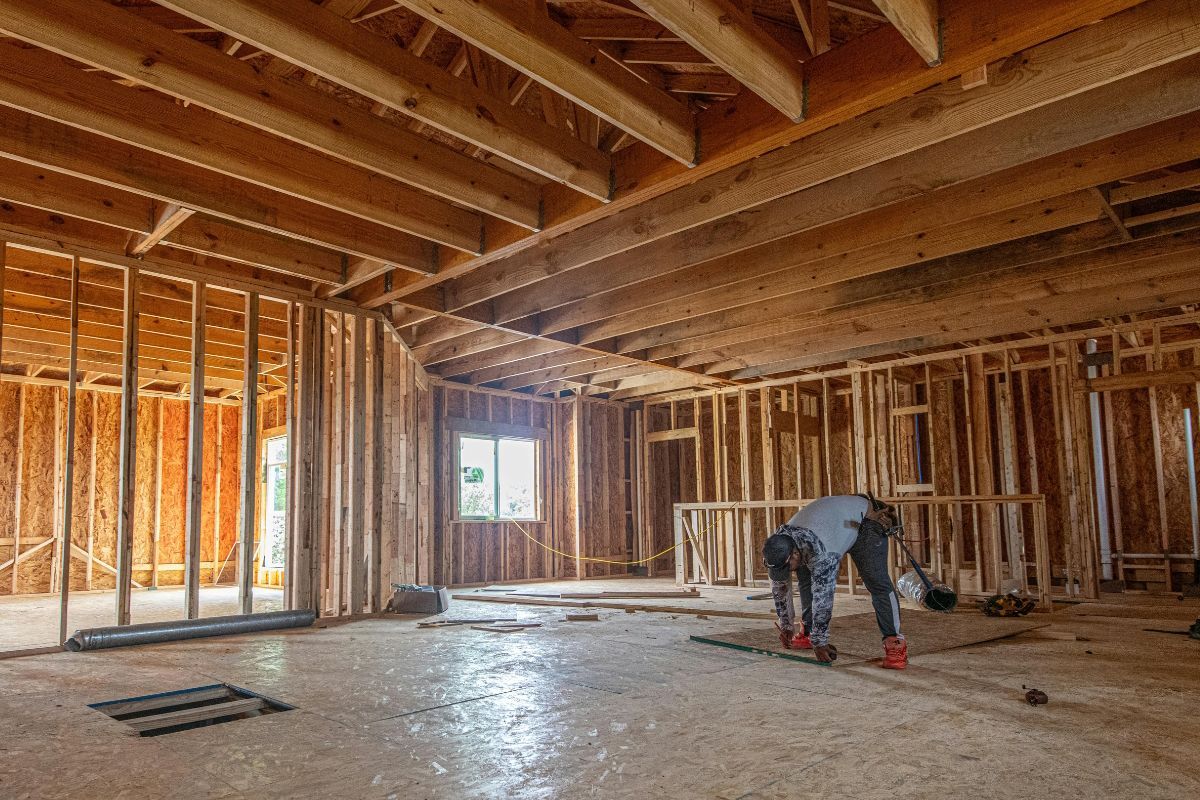
During framing, HVAC duct routes are often chosen based on available structure space rather than airflow needs.
This leads to:
- Hot bedrooms
- Weak return airflow
- Noisy vents
- High static pressure
Instead, ducts should be engineered before framing begins, not squeezed in after.
3. Single-System Cooling for Homes That Require Two
Many Florida homes over 2,000 square feet are built with only one AC system to reduce construction cost.
Long term, this causes:
- Second-floor overheating
- Higher electrical usage
- Faster system aging
- Widespread comfort complaints
Planning dual systems — or zoning — prevents uneven temperatures and overwork.
4. Undersized Return Air Paths
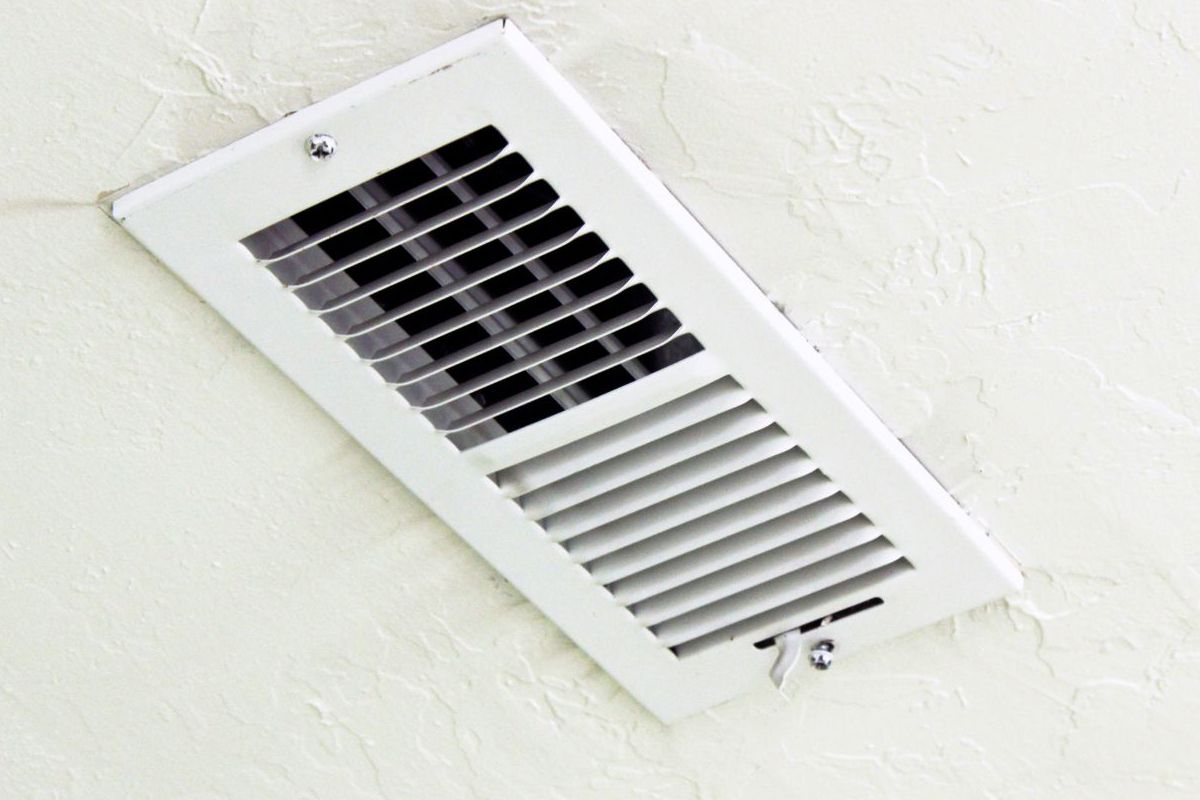
Builders frequently install only one return vent, even in larger homes.
This forces air handlers to work harder and wastes energy.
The solution:
- Dedicated returns in major rooms
- Larger return duct sizing
- Proper grille placement
Returns are nearly impossible to upgrade later without remodeling.
5. Mechanical Closets Built Too Small
A common builder shortcut is framing HVAC closets to minimum clearance.
That decision restricts:
- Filter cabinet installation
- Future heat pump upgrades
- Service space access
Installers should leave room for system growth and technician access.
6. Ignoring Humidity-Tuned Equipment Options
Florida homes require humidity control engineered into the HVAC system design.
Mistakes include:
- Oversized AC units
- Lack of variable-speed equipment
- No plan for dehumidification
This leads to sticky indoor air, mold concerns, and set-point overcooling.
7. Inaccurate Thermostat Placement
Thermostats installed near windows, kitchens, or sun-exposed walls cause systems to run aggressively and waste power.
It’s simple: thermostats must be placed away from hot and drafty zones.
8. Poor Outdoor Unit Placement
Builders sometimes place condensers:
- In direct sun
- In cramped corners
- Near dryer exhausts
Poor placement increases operating temperature and energy cost.
Outdoor units should be positioned with cooling airflow in mind — not appearance convenience.
9. Cheap, Low-Quality Duct Materials
Budget flex ducting without insulation or sealing fails early in Florida heat.
Homeowners end up paying to:
- Replace duct runs
- Seal leaks
- Add insulation
Rigid duct and sealed joints last dramatically longer.
10. No Consideration for Future Upgrades
Homes built with minimum electrical capacity, outdated refrigerant line size, or no IAQ space limit future replacement options.
Avoid this by preparing for:
- Smart thermostats
- Heat pumps
- Media filtration
- UV IAQ technology
Upgrading later without pre-planning can require demolition.
Why These HVAC Mistakes Are More Expensive in Florida
Florida homes run cooling equipment eight to ten months per year. That means design flaws show up quickly:
- Higher humidity = more runtime
- Salt corrosion = faster wear
- Coastal heat = increased energy use
Small construction errors can cost thousands in electricity and repairs over the life of the system.
How Builders and Homeowners Can Prevent These Issues
1️⃣ Demand HVAC design before framing
2️⃣ Require a Manual J and Manual D
3️⃣ Plan for returns, zoning, and system access
4️⃣ Partner with HVAC specialists early, not after the build
The right HVAC planning avoids future remodeling, comfort complaints, and replacement surprises.
Seminole New Build Needed Full Duct Redesign
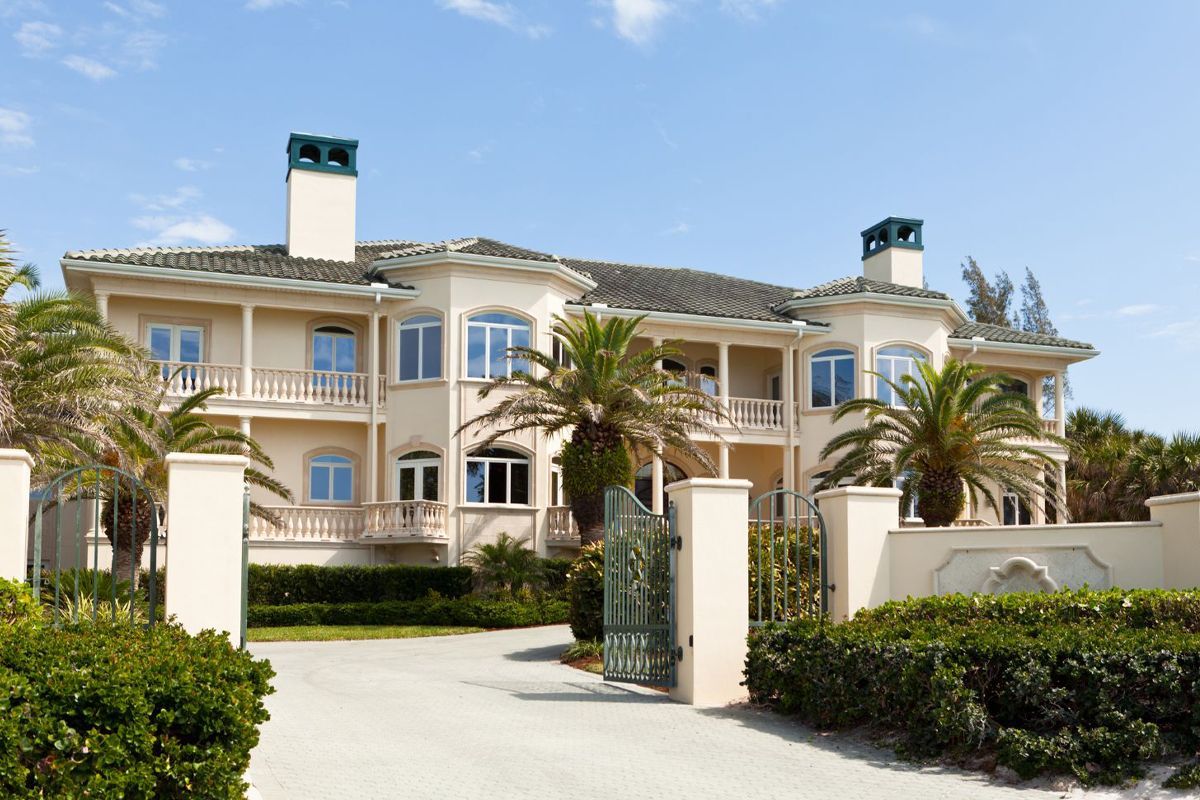
A Seminole two-story home was built with a single HVAC system and limited return airflow. Within the first summer, the upstairs was 6–8 degrees warmer than the first floor.
To fix the issue, the homeowner needed:
- New return ducting
- Zoning dampers
- Additional system capacity
All of which would have been avoidable if the builder had consulted HVAC engineering during planning.
HVAC Planning Is Not Optional in New Construction
The most expensive HVAC problems begin during construction — not years later. Smart design eliminates wasted energy, premature failure, and uncomfortable homes.
At Williams Air Solutions, we work with builders and homeowners to engineer systems built for Florida conditions from day one.
Call Williams Air Solutions at (727) 353-0090 for HVAC design support that prevents new-build comfort and cost problems before they start.