Why HVAC Warranties Depend on Proper Installation and Documentation in New Construction
Modern HVAC systems are engineered to last, but warranty protection isn’t automatic. In new construction homes, major equipment warranties depend on proper installation practices and detailed documentation. When these requirements aren’t met, homeowners can unknowingly lose years of warranty coverage — sometimes without realizing it until an expensive repair occurs.
At Williams Air Solutions, we often see homeowners in Pinellas County frustrated to learn their systems are no longer covered, even though the unit is only a few years old. In many cases, the cause traces back to how the system was installed, verified, and recorded during construction.
Here’s why installation quality and documentation matter, and how new homeowners can protect themselves.
1. HVAC Manufacturers Require Proper Installation to Validate Warranty Coverage
Every major HVAC manufacturer includes terms stating the system must be installed according to their engineering specifications.
If not, warranties may be denied for:
- Refrigerant charge issues
- Premature part failure
- Poor airflow
- Compressor damage
Wrong line sizing, airflow restrictions, or improper electrical setups can all void protection.
A common scenario:
A brand-new system fails after two years, and the manufacturer rejects coverage because duct static pressure exceeded design limits due to poor installation.
2. Registration Deadlines Must Be Met to Activate Full Warranty Length
New construction builders don’t always register HVAC warranties for homeowners.
If registration isn’t completed within the required window (often 30–60 days), the warranty term may shorten dramatically — sometimes from 10 years to 5.
The homeowner usually never knows until a major component fails.
Proper documentation ensures:
- Full-length warranty activation
- Accurate serial number tracking
- Proof of commissioning date
- Ownership validation
3. Installation Data Proves the System Was Commissioned Correctly
Manufacturers and warranty providers want proof that the system wasn’t damaged the day it was installed.
Commissioning records include:
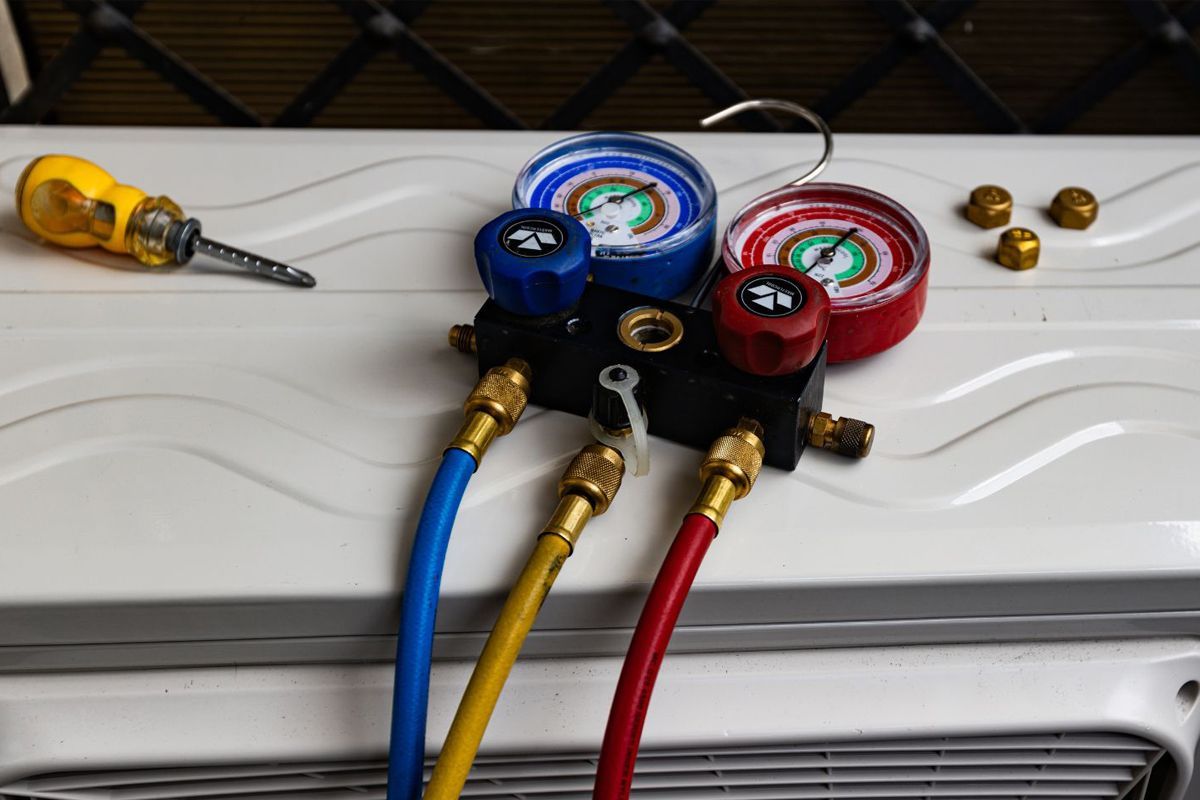
- Refrigerant measurements
- Line set evacuation readings
- Static pressure readings
- Thermostat programming
- Airflow balancing data
Without documentation, any problem can be labeled “installer error,” shifting full cost to the homeowner.
4. System Sizing Errors Can Void Warranty Coverage
If a home’s HVAC system is oversized or undersized, equipment conditions fall outside manufacturer tolerance.
This causes:
- Coil freezing
- Excessive cycling
- Compressor stress
If failure occurs, manufacturers may deny replacement parts based on proof of flawed design.
Correct load calculations protect both equipment and warranty validity.
5. Ductwork Problems Lead to Warranty Denials
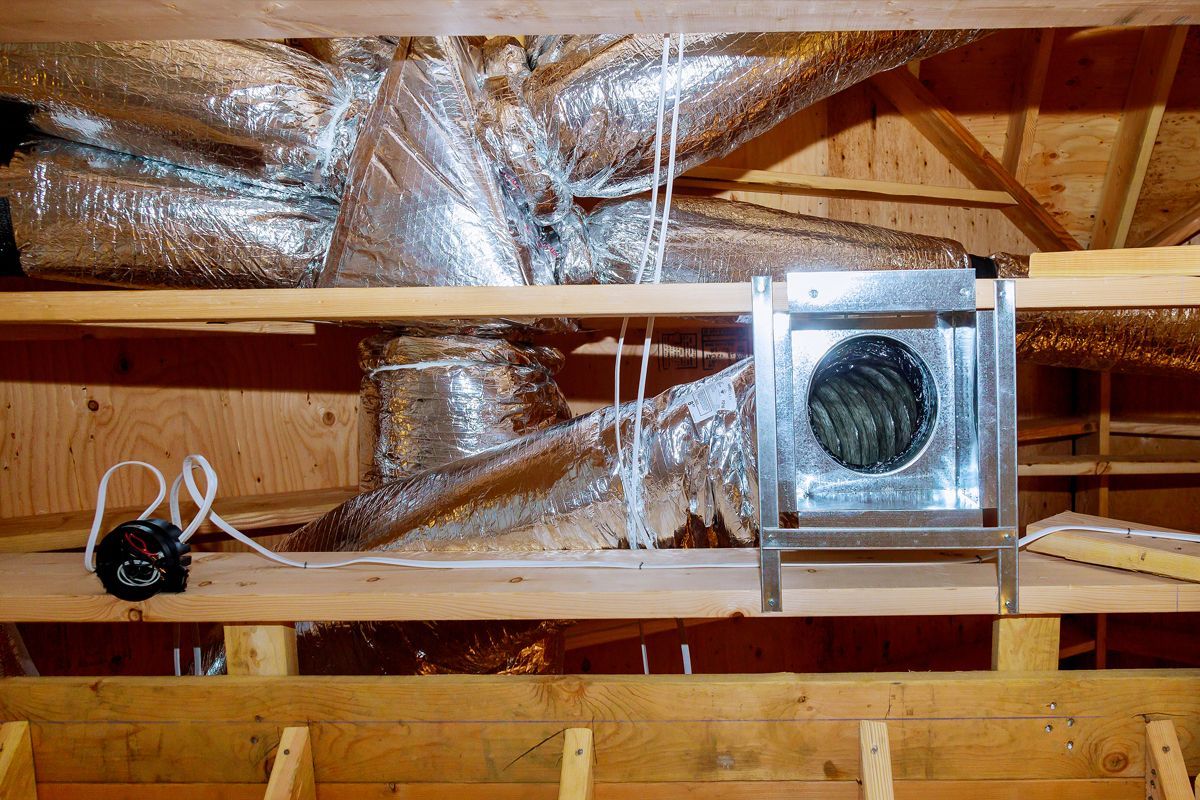
Improper duct design often results in high static pressure — something manufacturers test before approving major claims.
Static pressure outside guidelines can:
- Burn blower motors
- Reduce system lifespan
- Cause coil cracks
Warranty departments frequently ask for static data before authorizing replacements.
6. Missing Documentation Hurts Home Resale Value
Future buyers want:
- Proof of system age
- Warranty validity
- Service records
- Installation information
Without paperwork, resale value drops — especially for higher-end properties with
multiple AC systems.
7. Unlicensed Installers Void Many Warranties Automatically
If a builder uses cut-rate or unlicensed crews:
- Warranty protection may be rejected
- System efficiency ratings become inaccurate
- Liability is shifted to the homeowner
Even minor deviations from state codes can eliminate warranty guarantees.
8. Preventive Maintenance Requirements Affect Warranty Status
Many HVAC warranties require:
- Annual or biannual service
- Filter replacement records
- Professional inspections
Skipping maintenance can void protection, even if the system is new.
Documented
maintenance matters just as much as installation paperwork.
Why This Matters More in Florida New Construction
Florida’s heat and humidity push HVAC systems harder than most regions, meaning:
- Components wear faster
- Breakdowns happen earlier
- Salt corrosion accelerates failure
Having warranty protection intact can save thousands over a system’s lifetime.
Missed Registration Cost a Clearwater Homeowner Thousands
A Clearwater homeowner moved into a new build expecting full warranty coverage.
When their compressor failed four years later, the claim was denied. The system had never been registered by the builder, and the full warranty term defaulted to 5 years instead of 10.
With proper documentation, the repair would have been covered.
How Homeowners Can Protect Their Warranty from Day One
Before final closing, they should:
- Request HVAC installation documentation
- Confirm warranty registration
- Obtain serial and model numbers
- Keep commissioning reports
- Hire licensed service providers
These steps protect thousands of dollars in future repairs.
Why HVAC Contractors Should Be Involved in Construction Early
Early involvement allows contractors to:
- Verify duct sizing
- Approve airflow design
- Commission equipment correctly
- Complete documentation at install
Builder shortcuts disappear when HVAC professionals lead the process.
At Williams Air Solutions, we help builders and homeowners protect warranty eligibility by installing systems to manufacturer standards and maintaining full documentation from day one.
Call Williams Air Solutions at (727) 353-0090 to ensure your new construction HVAC system is installed correctly and covered for the future.