Seasonal Maintenance Checklist for Homes With 1–2 HVAC Units
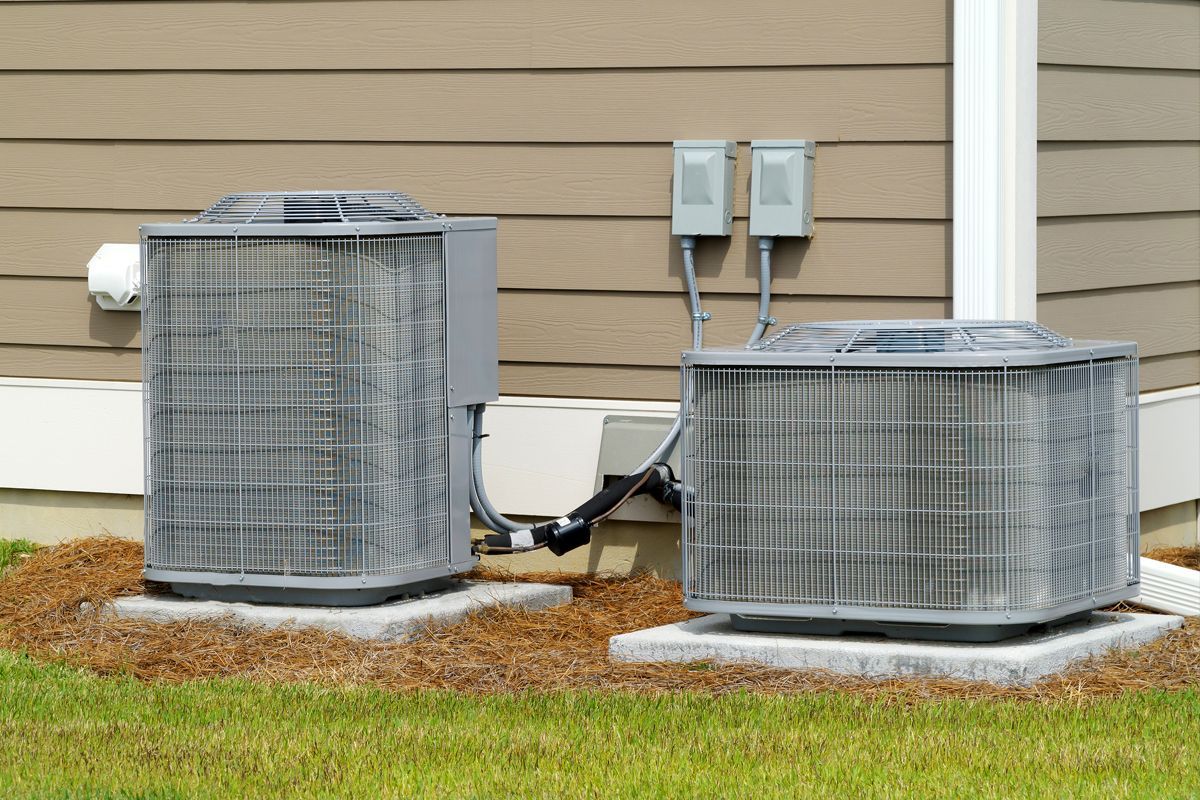
Florida homes place heavy demands on air conditioning systems, especially properties operating one or two AC units. With long cooling seasons, high humidity, and coastal heat exposure, regular seasonal maintenance isn’t optional. It is the difference between reliable comfort and costly breakdowns.
At Williams Air Solutions, we help single-system and dual-system homeowners protect their HVAC investment through structured seasonal tune-ups. Below is a practical, step-by-step checklist to keep your AC systems running smoothly year-round.
Spring: Prepare Systems for Heavy Cooling Season
Florida summers push HVAC systems to peak output. Spring preparation protects efficiency and prevents mid-season failures.
1. Change or Upgrade Air Filters
Filters should be replaced or cleaned before cooling season begins.
Dirty filters lead to:
- Weak airflow
- Higher energy bills
- Early motor failure
Homes with two units require two separate filter schedules.
2. Schedule Professional Tune-Ups
A spring inspection is essential for summer performance. Technicians will:
- Clean evaporator and condenser coils
- Test electrical components
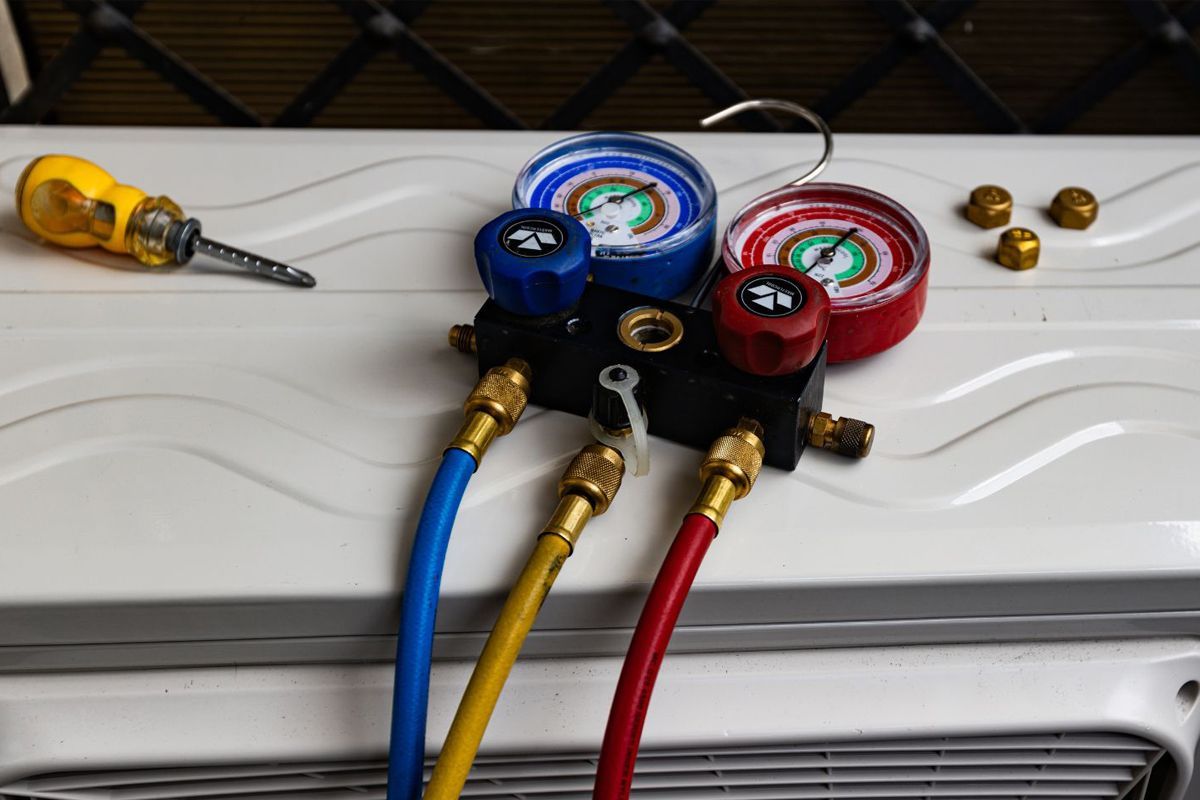
- Check refrigerant charge
- Flush drain lines
- Verify thermostat settings
For multi-system homes, tune-ups ensure both units run evenly — preventing one from overworking.
3. Clear Debris From Outdoor Units
Trim shrubs and remove leaves to maintain airflow around condensers.
Goal: At least 2–3 feet of open space around each condenser.
4. Test Cooling Performance Early
Run the system before the heat arrives.
If you notice odd sounds, weak airflow, or uneven temperatures, service is needed now — not mid-July.
5. Inspect Ductwork for Leaks
Air leaks increase cooling costs and reduce comfort.
Dual-system homes especially benefit from duct pressure testing.
Summer: Maintain Efficiency Under Peak Load
Once temperatures soar, AC systems run continuously. Small issues now can snowball quickly.
1. Monitor Indoor Humidity Levels
Indoor humidity should stay between 30%–50%.
If levels creep up, it may signal:
- Oversized equipment
- Refrigerant problems
- Dirty coils
- Restricted airflow
2. Keep Filters Clean
In summer, filters may need changing monthly due to longer run times and dust buildup.
Homes with two units must track separate filter dates.
3. Watch for Signs of Strain
Common indicators include:
- Rising electric bills
- Short cycling
- Hot/cold spots in your home
If you notice changes, call for service immediately.
4. Check Your Drain Line
Clogged condensate drains are common in humid Florida summers.
Signs:
- Water near air handler
- Overflowing pan
- Musty odors
Drain cleanings save thousands in water damage repair.
Fall: Stabilize Systems After Summer Stress
When heat fades, it’s time to refresh systems after months of heavy load.
1. Schedule a Fall System Check
Technicians evaluate:
- Motor wear
- Refrigerant balance
- Belt and bearing condition
- Electrical stress from continuous cycles
Dual-system homes should verify both systems age evenly.
2. Clean Coils and Outdoor Units
Salt-air, grass, and pollen buildup reduce efficiency.
A fall cleaning rebuilds lost performance.
3. Review Thermostat Settings
Seasonal temperature adjustments reduce unnecessary runtime.
4. Inspect Insulation Around Refrigerant Lines
Damaged or missing insulation causes energy loss — especially in dual-unit homes.
Winter: Protect Equipment During Lower Usage Periods
Even though Florida winters are mild, HVAC systems still need attention.
1. Run the System Weekly
This prevents mechanical stagnation and humidity issues inside the equipment.
2. Use Off-Season as Planning Time
Winter is ideal for:
- Considering replacement timelines
- Reviewing maintenance plans
- Planning ductwork improvements
- Evaluating smart thermostat upgrades
3. Maintain Indoor Air Quality
Replace filters and clean returns to reduce allergens as windows stay closed longer.
Special Tips for Homes With Two HVAC Units
Dual-system homes require strategic maintenance planning.
1. Coordinate Service Timing
Tune-ups should be scheduled for both systems at the same interval to:
- Maintain equal workload
- Balance pressure across duct zones
- Prevent uneven aging
2. Track Repairs Separately
Two units = two histories.
Knowing which unit has replaced parts prevents confusion later.
3. Address Imbalances Early
If one floor cools dramatically better than the other, airflow balancing may be needed.
Why Seasonal HVAC Maintenance Matters
Seasonal care results in:
- Lower utility bills
- Improved cooling capacity
- Fewer emergency repairs
- Better humidity control
- Longer equipment life
Ignoring minor issues leads to costly component failures — especially in the middle of summer..
Protect Your HVAC Systems Year-Round
Whether your home has one AC unit or two, seasonal preparation is the simplest way to avoid breakdowns and protect comfort.
At Williams Air Solutions, we provide seasonal tune-ups designed specifically for Florida climate conditions and multi-system household demands.
Call Williams Air Solutions at (727) 353-0090 to schedule seasonal maintenance for your HVAC system today.