Hurricane Preparedness for Single-Family HVAC Systems in Pinellas County
Pinellas County homeowners face the constant threat of tropical storms and hurricanes. While most people focus on windows, roofs, and outdoor furniture, your HVAC system also needs attention — especially your outdoor AC condenser. A damaged system can leave your home without cooling at the worst possible time, and repairs after a storm are often costly and difficult to schedule due to high demand.
At Williams Air Solutions, we help single-family homeowners protect their HVAC systems from severe weather so they’re ready for the next heatwave once the storm passes. Here’s how to prepare your AC system safely and effectively before, during, and after a hurricane.
1. Shut Down the AC Before the Storm Arrives
During a hurricane, power surges and outages are almost guaranteed. Leaving your AC running during fluctuating power can damage the:
- Compressor
- Fan motor
- Control board
- Capacitors
Before the storm hits:
Turn off your HVAC system at the thermostat and the breaker.
This prevents electrical damage caused by sudden voltage spikes.
2. Secure the Outdoor Condenser Against High Winds
Your outdoor AC unit is designed to withstand typical Florida storms, but hurricanes bring wind speeds strong enough to move, bend, or damage equipment.
To secure the unit:
- Confirm the unit is properly anchored to its slab
- Check that tie-down straps are present and tightened
- Remove loose debris around the unit
- Trim back nearby branches or weak limbs
- Consider installing a protective cage for long-term security
A properly secured condenser is less likely to shift, break, or be struck by debris.
3. Cover the Condenser Once the System Is Off
Covering the AC unit protects it from flying debris and heavy rainfall — but only after the system is powered down.
Use:
- A breathable AC cover
- A plywood barrier for extra protection
- Hurricane-rated outdoor equipment cover (recommended for coastal homes)
Do not run the AC with the cover on. This can cause severe damage.
4. Clear the Surrounding Area to Prevent Impact Damage
Flying debris is one of the top causes of hurricane-related HVAC damage.
Remove items that may become projectiles, including:
- Patio furniture
- Planters
- Decorations
- Garden equipment
- Toys
- Outdoor storage bins
Creating a clear perimeter around your AC unit reduces the risk of impact damage.
5. Protect Electrical Components From Water and Surge Damage
Saltwater intrusion, heavy rainfall, and storm surge can affect even elevated systems.
Recommended protections include:
- Surge protectors designed for HVAC equipment
- Waterproofing conduit connections
- Ensuring proper elevation in flood-prone areas
- GFCI-protected disconnect boxes
These prevent costly damage to wiring and control boards.
6. Do Not Turn the System Back On Immediately After a Storm
Even if the power returns, your AC may not be ready.
Before you restart the system:
- Ensure the outdoor unit is uncovered
- Check for visible damage
- Inspect for standing water around or inside the unit
- Verify the breaker wasn’t tripped
- Listen for unusual sounds or smells once powered on
If water reached the bottom of the outdoor unit, do not turn it on — call a professional to inspect and dry components.
7. Schedule a Post-Storm AC Inspection to Ensure Safe Operation
After the storm has passed, a professional tune-up helps ensure everything is safe, dry, and ready for extended cooling demand.
A post-storm inspection typically includes:
- Electrical testing
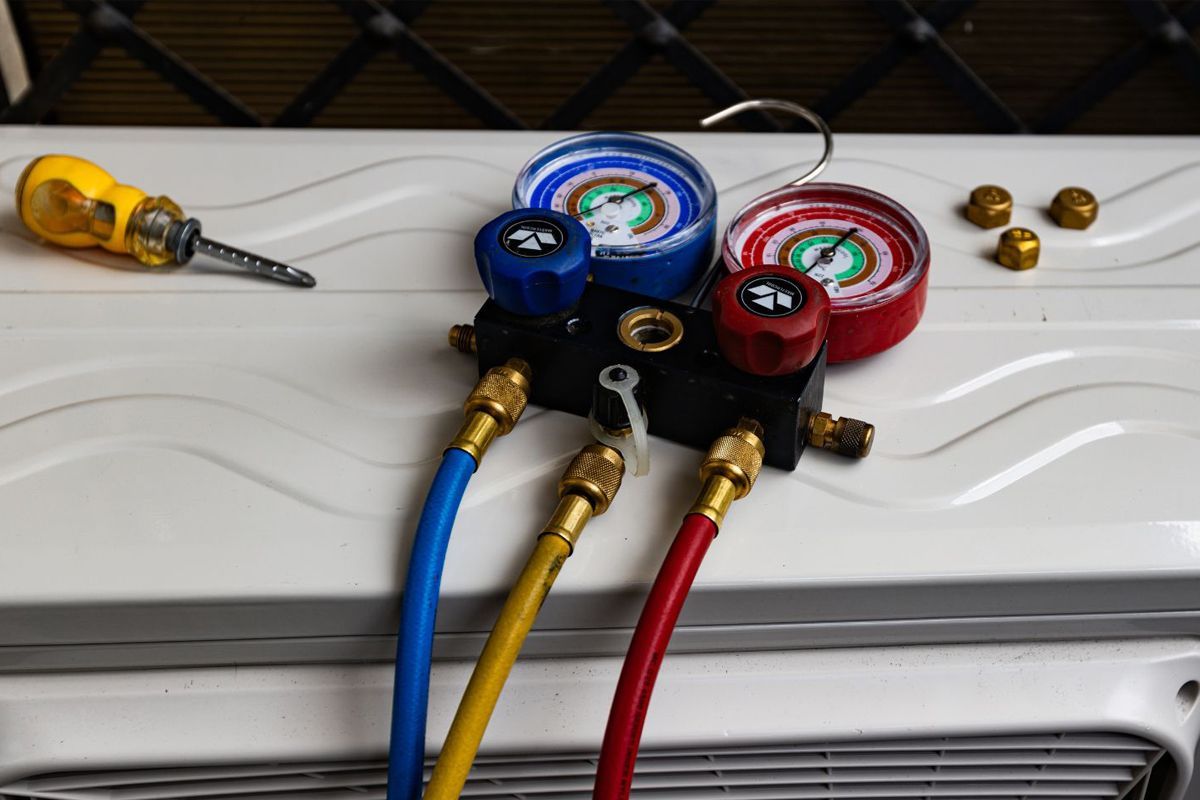
- Refrigerant pressure checks
- Drain line inspection
- Coil evaluation
- Fan and motor testing
- Debris removal
- Verifying the system wasn’t impacted by water intrusion
This prevents hidden problems — like electrical shorts or mold growth — from turning into major failures later.
8. Consider Long-Term Hurricane-Resilient HVAC Upgrades
Pinellas County homeowners can improve hurricane resilience by upgrading to:
- Elevated condenser platforms
- Heavy-duty mounting brackets
- Surge protection devices
- Weather-resistant coastal-rated systems
- Protective condenser cages
- Smart thermostats that send alerts during weather changes
These upgrades help your home stay prepared before the next hurricane season.
Belleair Home Avoids AC Failure With Early Prep
A Belleair homeowner followed a pre-season inspection and hurricane prep checklist before Hurricane Idalia. After shutting down the system early, securing the condenser, and clearing the area, their system restarted safely once power was restored.
Many neighbors needed costly repairs — this homeowner spent nothing beyond the tune-up.
Preparation makes the difference.
Protect Your AC System Before the Next Big Storm
Hurricane preparedness isn’t only about protecting your home — it’s about ensuring your family stays safe and comfortable once the storm passes. With the right steps, your AC system can be protected from wind, water, and electrical damage.
At Williams Air Solutions, we help homeowners throughout Pinellas County prepare their HVAC systems for severe weather with reliable inspections and preventive maintenance.
Call Williams Air Solutions at (727) 353-0090 to schedule your hurricane-prep inspection or post-storm tune-up.