How Salt Air Affects AC Systems Near the Coast
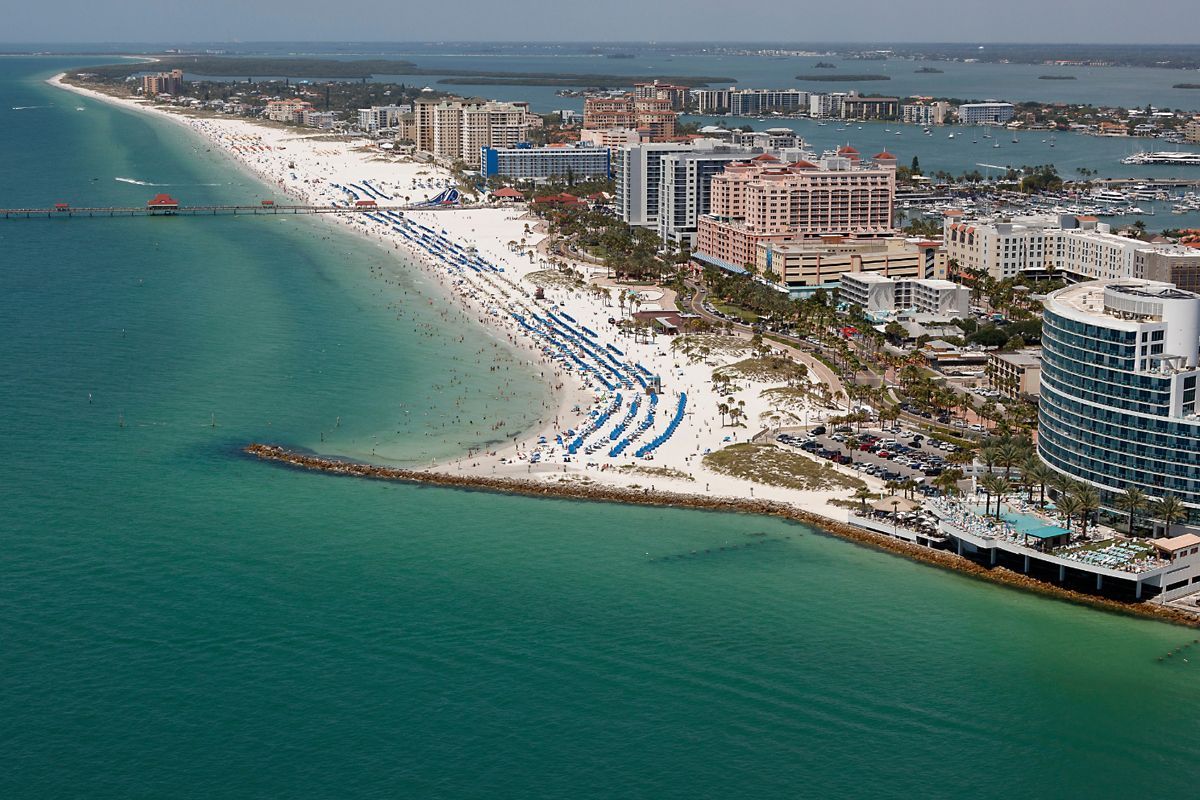
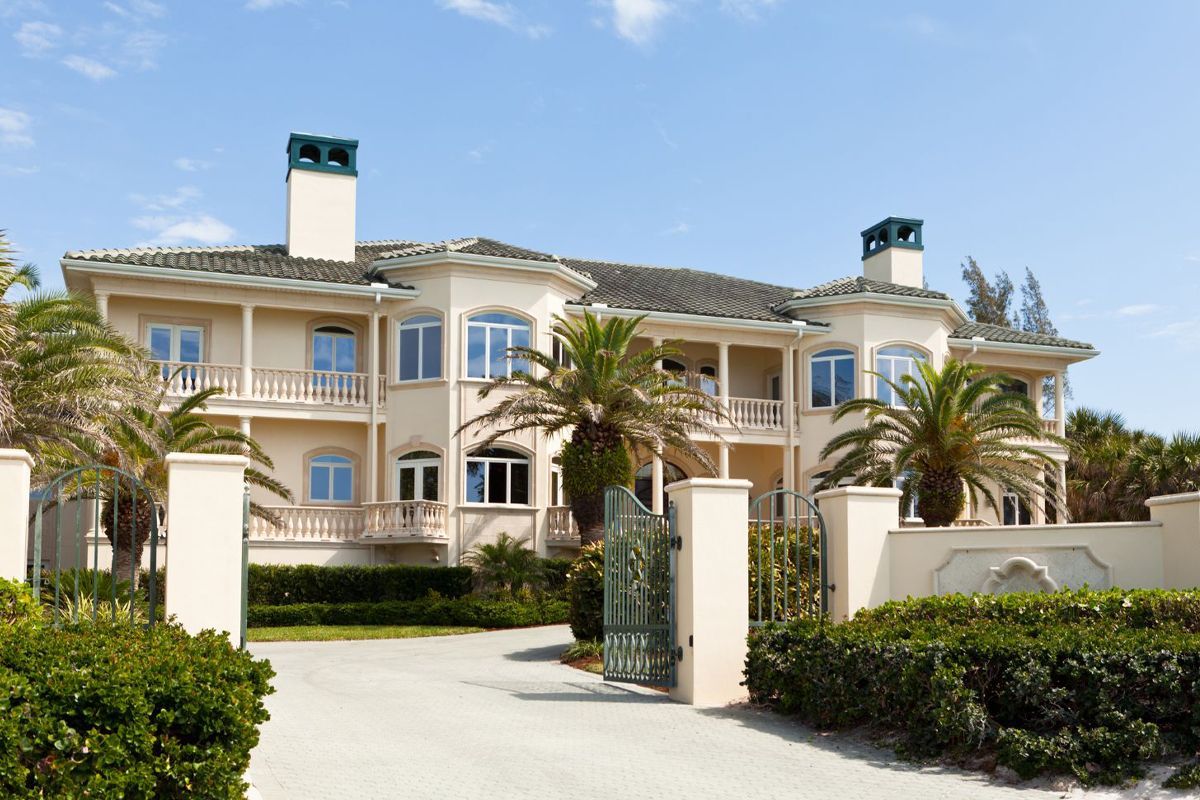
Living near the Florida coast offers incredible views and ocean breezes, but it also creates one of the most challenging environments for air conditioning systems. Homes in coastal areas like Clearwater, Belleair, Indian Rocks Beach, and other Pinellas County shoreline communities experience faster HVAC wear due to salt air exposure.
At Williams Air Solutions, we see the effects of salt air on AC systems every day. Coastal systems often require more frequent maintenance, earlier repairs, and proactive protection to avoid premature failure.
Here’s how salt air impacts AC systems, and what homeowners can do to protect their investment.
What Is Salt Air and Why It Matters
Salt air contains microscopic salt particles carried by wind from the ocean. These particles:
- Settle on outdoor AC components
- Combine with moisture from humidity and rain
- Accelerate corrosion and electrical damage
Even homes several miles inland can experience salt-related wear, depending on wind patterns.
1. Corrosion of Outdoor AC Coils
Outdoor condenser coils are especially vulnerable.
Salt exposure causes:
- Coil fin corrosion
- Reduced heat transfer efficiency
- Pitting and material breakdown
Once corrosion begins, cooling efficiency drops and repair costs increase.
2. Accelerated Rust on Cabinets and Fasteners
Salt air speeds up rust formation on:
- Unit cabinets
- Mounting hardware
- Fan guards and brackets
Rust weakens structural integrity and can lead to rattling, airflow problems, and exposed internal components.
3. Electrical Component Damage
Salt residue attracts moisture, which is a serious issue for electrical systems.
Common problems include:
- Corroded contactors
- Failing capacitors
- Electrical shorts
- Inconsistent system operation
Electrical failures are one of the most common coastal AC repair issues.
4. Shortened Lifespan of AC Systems
Coastal AC systems often experience:
- Shorter service life
- Earlier component failure
- More frequent repairs
Without extra care, a system near the coast may not reach the typical 10–15 year lifespan expected in non-coastal areas.
5. Reduced Energy Efficiency Over Time
As corrosion builds:
- Heat exchange becomes less efficient
- Run times increase
- Energy consumption rises
Many coastal homeowners notice higher electric bills long before they realize salt air is the cause.
6. Increased Maintenance Requirements
Coastal AC systems require:
- More frequent coil cleaning
- Regular electrical inspections
- Proactive corrosion control
Skipping maintenance in coastal environments significantly increases repair risk.
Pinellas County Coastal Home
A Belleair homeowner located near the water experienced repeated electrical failures and declining cooling performance. Inspection revealed advanced corrosion on the condenser coil and electrical components caused by salt exposure. A
customized maintenance plan helped slow further damage and restore reliable operation.
How Close to the Coast Is “At Risk”?
Homes:
- Within 1–5 miles of the shoreline
- Exposed to regular sea breezes
- Located in open or elevated areas
are more susceptible to salt air damage than inland properties.
How Homeowners Can Protect Their AC From Salt Air
1. Schedule More Frequent Maintenance
Coastal homes benefit from at least two maintenance visits per year, sometimes more depending on exposure.
2. Rinse the Outdoor Unit Regularly
Gently rinsing the outdoor unit with fresh water helps remove salt buildup. This should be done carefully and never while the system is running.
3. Keep the Unit Clear of Vegetation
Plants trap moisture and salt near the unit, accelerating corrosion.
4. Address Electrical Issues Early
Early electrical repairs prevent widespread corrosion damage.
5. Consider Protective Coatings or Coastal-Rated Equipment
Some systems are designed or treated specifically for coastal environments, offering improved resistance to corrosion.
Why Coastal Systems Need Proactive Service
Salt air damage:
- Doesn’t stop on its own
- Accelerates over time
- Often spreads from one component to another
Early intervention significantly lowers long-term repair costs.
Coastal Living Requires Extra HVAC Care
Salt air is one of the biggest threats to AC systems near Florida’s coast. Without proper maintenance and early repairs, corrosion can dramatically shorten system lifespan and increase costs.
At Williams Air Solutions, we understand the unique challenges coastal homeowners face and tailor maintenance and repair strategies to protect systems in salt-air environments.
If your home is near the coast and you want to protect your AC system from salt air damage, call Williams Air Solutions at (727) 353-0090 to schedule professional residential AC service in Pinellas County.