How HVAC Decisions During Construction Affect Long-Term Energy Bills
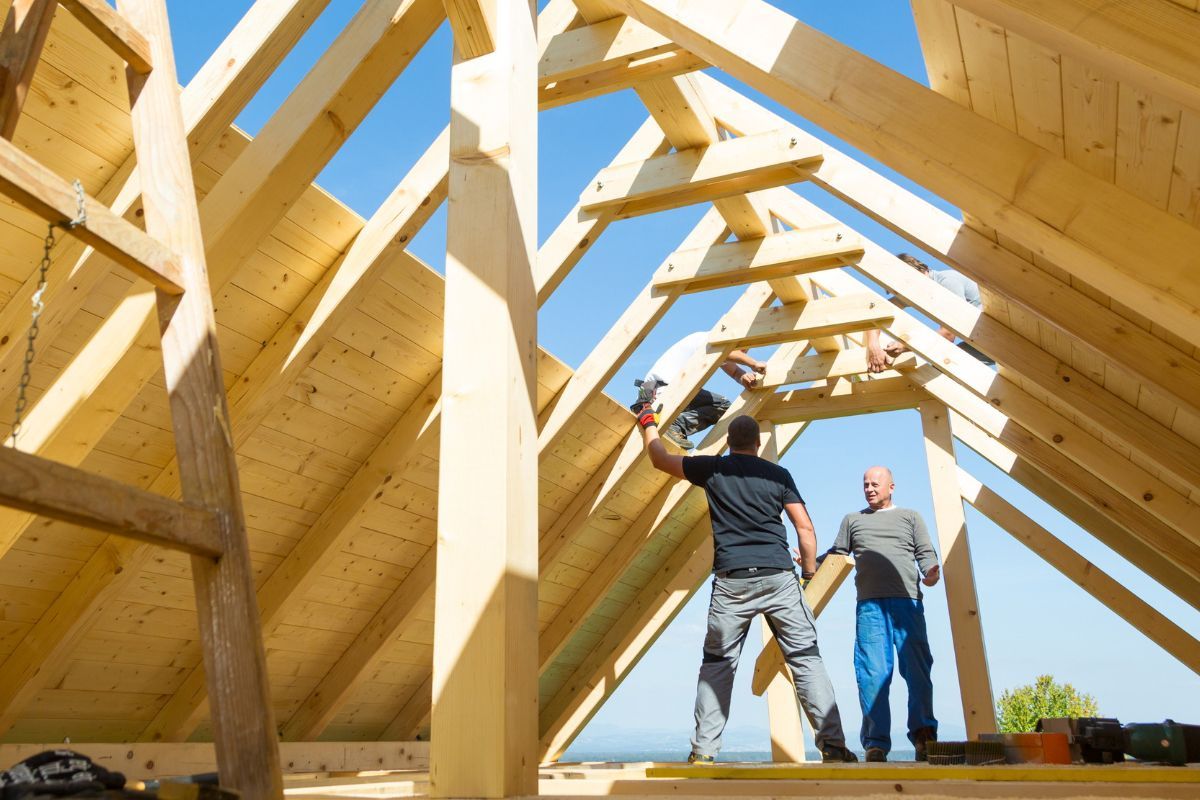
Most homeowners don’t realize how deeply HVAC design choices made during new construction influence the cost of running a home. From duct sizing to equipment placement, decisions at the framing stage determine how efficiently a system operates for the next 15–20 years. In Florida — where AC systems run nearly year-round — those small decisions translate into huge long-term energy savings or expensive waste.
At Williams Air Solutions, we routinely evaluate homes with high electric bills caused by poor HVAC planning during construction. When airflow, system size, and return design are engineered correctly up front, homeowners typically spend far less to cool their homes for decades.
Here’s how
HVAC choices during new construction directly affect future energy costs.
1. Proper System Sizing Prevents Excess Energy Use
One of the most expensive mistakes in Florida construction is incorrect system sizing.
If the system is oversized:
- It short-cycles
- Humidity remains too high
- Efficiency plummets
- Bills rise dramatically
If the system is undersized:
- Run times increase
- Comfort suffers
- Utility bills spike year-round
A professional Manual J load calculation during construction prevents these costly outcomes.
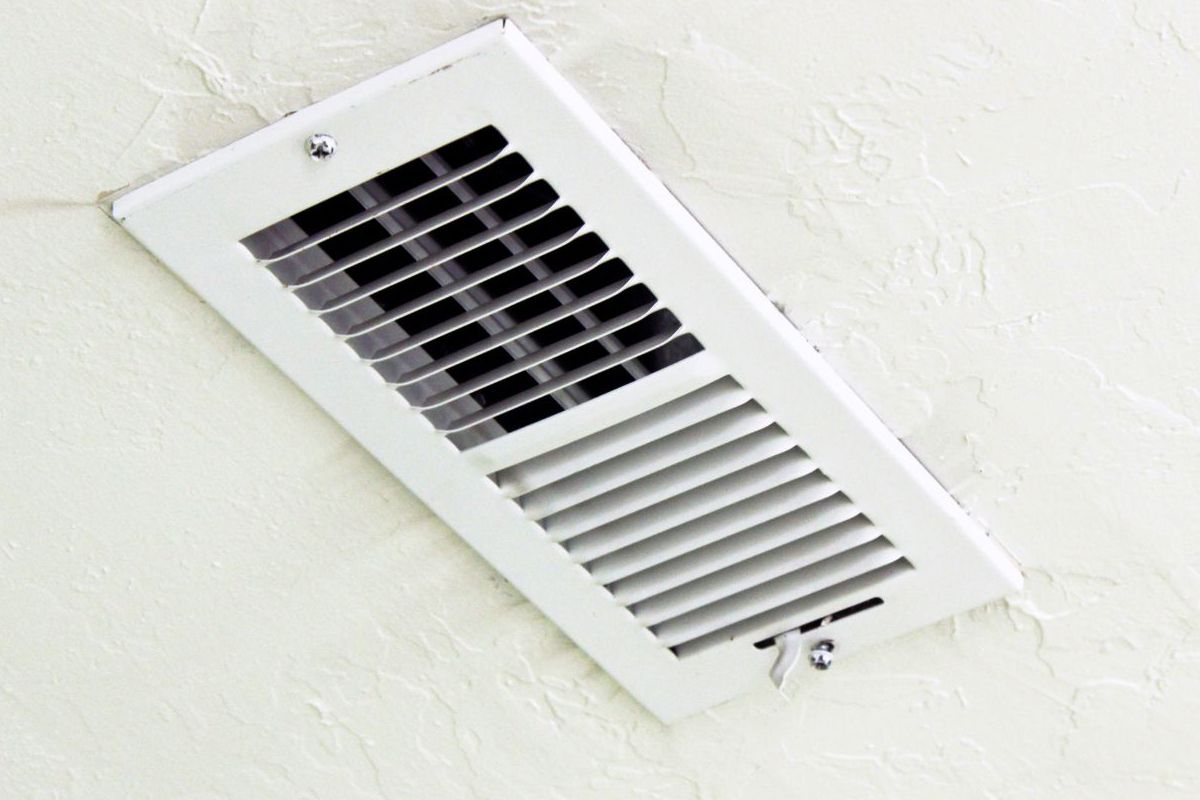
2. Duct Layout Drives Energy Efficiency for Life
Ductwork is not just an air highway — it determines how hard HVAC equipment must work.
Poor duct design leads to:
- Restricted airflow
- High static pressure
- Long run times
- Frozen coils
- Uneven temperatures
Correct duct design during construction:
- Reduces system strain
- Improves humidity removal
- Lowers kilowatt usage
- Protects motor and compressor life
Because ducts hide behind walls, bad layouts become expensive — or impossible — to
repair later.
3. Mechanical Space Planning Impacts Upgrade Efficiency
Many new homes are built with HVAC closets barely large enough for the initial system. Years later, homeowners want high-efficiency units, but:
- Larger heat pumps won’t fit
- Coil cabs are too tight
- Filter racks have no space
This forces lower-efficiency equipment or costly carpentry.
Planning mechanical space during construction reduces long-term operating cost.
4. Humidity Control Decisions Affect Energy Bills Every Summer
Florida cooling isn’t just about temperature — it’s about moisture removal.
If a home is not designed for:
- Return balance
- Proper duct insulation
- Variable-speed blowers
- Dedicated dehumidification
Homeowners combat discomfort by lowering their thermostat, dramatically increasing energy usage.
Humidity planning lowers long-term utility expense.
5. Multi-System and Zoning Decisions Change Energy Trajectory
Large two-story homes almost always need two AC systems — or zoning.
Trying to cool the home with one oversized system results in:
- Long runtimes
- High electricity use
- Short equipment life
Designing zoning at construction minimizes waste and balances cooling demand efficiently.
6. Equipment Location and Sun Exposure Matter
Outdoor units placed:
- In direct sunlight
- Near dryer vents
- Beside hot walls
…operate hotter and use more electricity.
Thoughtful placement reduces:
- Compressor load
- Run time
- Peak summer bills
Simple early planning pays dividends for decades.
7. Oversized Returns Lower Fan Power Consumption
Airflow resistance forces the blower motor to work harder.
Bigger returns:
- Shorten run time
- Lower amperage draw
- Increase efficiency
- Protect equipment
Installing proper return air design during construction is one of the highest-value decisions homeowners can make.
8. Smart Thermostat Wiring Enables Energy Automation Later
If the system is not wired for future smart controls, the home loses the ability to:
- Monitor usage behavior
- Auto-adjust temperatures
- Lower demand charges
- Improve comfort zoning
Future-ready wiring makes AC automation effortless.
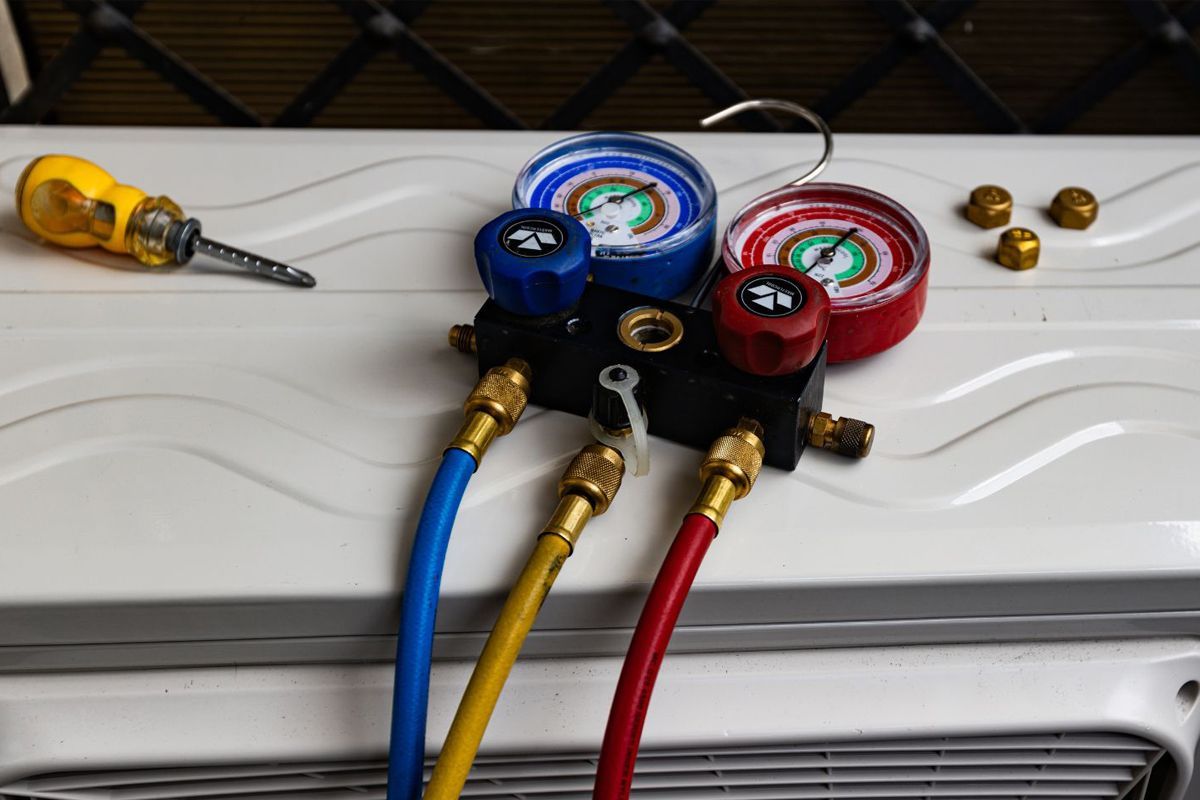
9. Refrigerant Line Size and Routing Affect Efficiency
Improper line sizing reduces heat transfer and strains compressors.
Correct routing during construction:
- Protects compressor performance
- Lowers energy use
- Extends equipment lifespan
Retrofit correction is expensive — framing must be opened.
10. Whole-Home Dehumidification Saves Energy Long Term
Moisture makes 75°F feel like 80°F.
When homes rely on temperature reduction alone, the AC system must work harder.
Adding dehumidification at construction:
- Cuts cooling load
- Reduces runtime
- Improves thermostat accuracy
Homes stay cooler at higher set points.
Why These Decisions Matter More in Florida
Pinellas County homes face:
- Long cooling seasons
- Heavy humidity
- Salt-air corrosion
- High energy rates
Because AC systems run so often here, even small efficiency errors drastically compound over time.
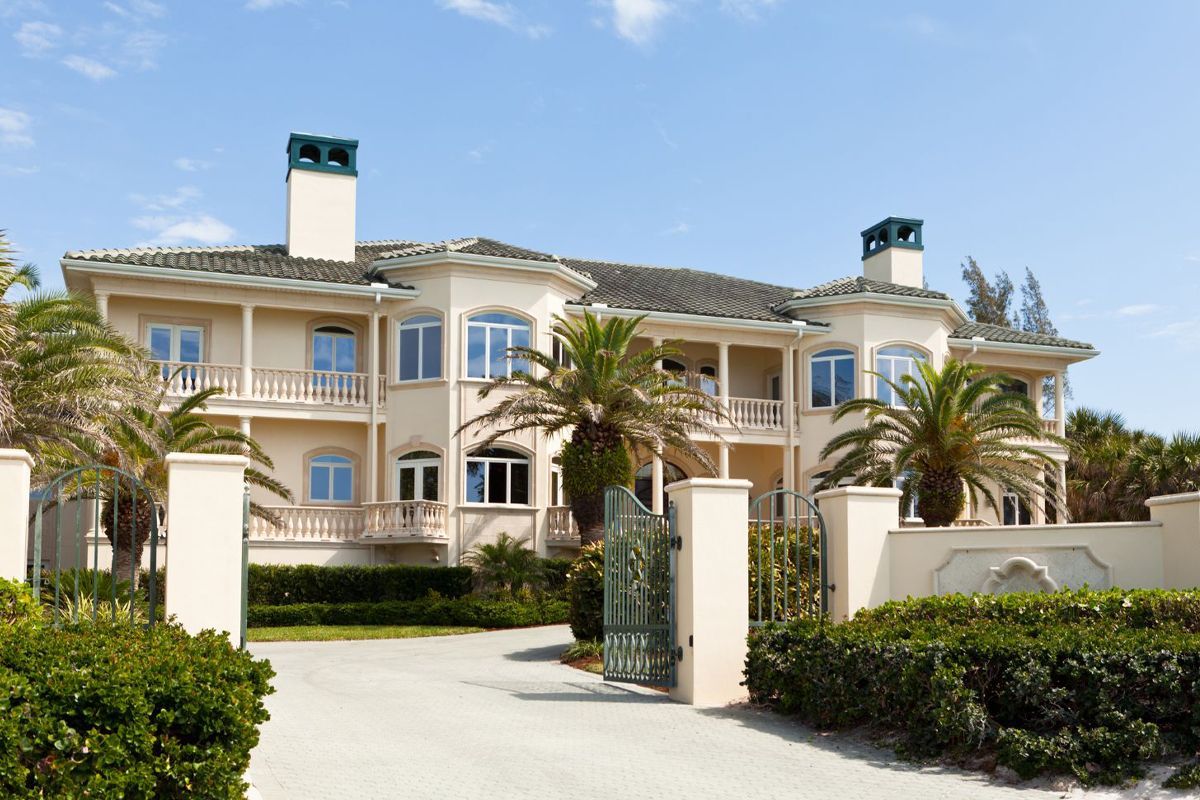
St. Petersburg New Build with 2-System Layout
A St. Pete two-story home was engineered with dual heat pumps, oversized returns, and zoning-ready ductwork.
Homeowners now enjoy:
- Balanced temperatures
- Quiet operation
- Lower electric bills
- Reduced run hours
Total estimated energy savings: 15%–22% yearly versus a single oversized unit.
Construction HVAC Choices Shape Energy Costs for Decades
Homeowners who invest in HVAC planning during construction gain:
- Lower utility bills
- Longer equipment life
- Better humidity control
- Full access to high-efficiency upgrades later
Cutting corners early leads to expensive energy waste later — especially in Florida’s climate.
At Williams Air Solutions, we partner with builders and homeowners in Pinellas County to design HVAC systems that deliver long-term comfort and lower operating cost from day one.
Call Williams Air Solutions at (727) 353-0090 for HVAC planning support that protects your long-term energy budget.