How Can I Prevent Mold Growth in My Air Conditioning System?
Mold growth inside an air conditioning system is one of the most common — and frustrating — problems Florida property owners face. Because AC systems run frequently in hot, humid environments, moisture buildup can create ideal conditions for mold if the system isn’t designed, maintained, and operated correctly.
At Williams Air Solutions, we routinely help builders and homeowners design HVAC across Pinellas County eliminate mold risks before they become health concerns or expensive repairs. Preventing mold isn’t about a single fix — it’s about managing moisture, airflow, and cleanliness consistently.
Here’s how to keep mold out of your air conditioning system.
Why Mold Forms Inside AC Systems in Florida
Mold thrives when three conditions are present:
- Moisture
- Organic material (dust, debris)
- Poor airflow or stagnant air
Florida’s climate naturally supplies moisture. If your HVAC system allows condensation to linger or airflow to weaken, mold can grow on coils, drain pans, duct liners, and inside air handlers.
1. Keep Humidity Under Control
High indoor humidity is the leading cause of mold growth.
Your AC system should maintain indoor humidity between 45–55%. When humidity stays higher than that, mold risk rises sharply.
To control moisture:
- Ensure your system is properly sized
- Avoid oversized systems that short-cycle
- Use variable-speed equipment when possible
- Consider whole-home or commercial dehumidification
If your home feels cool but damp, humidity control is likely the issue.
2. Keep Evaporator Coils Clean
Evaporator coils naturally attract condensation. When dust accumulates on coils, moisture gets trapped — creating a perfect breeding ground for mold.
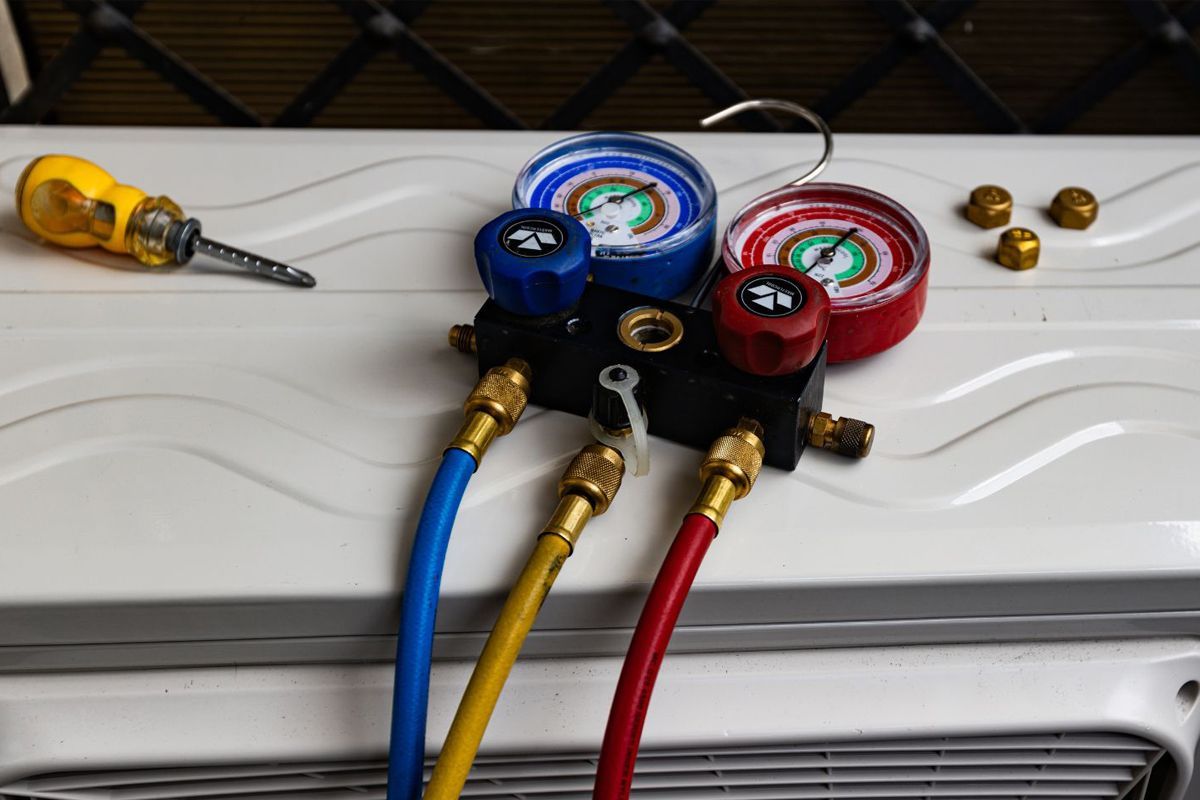
Routine HVAC service:
- Cleans coil surfaces
- Restores heat transfer efficiency
- Prevents biological buildup
Dirty coils are one of the most common mold sources we find during inspections.
3. Maintain Clear and Properly Sloped Drain Lines
Condensation must drain away quickly and completely.
Mold growth often begins when:
- Drain lines clog
- Drain pans hold standing water
- Safety switches fail
Prevent this by:
- Flushing drain lines regularly
- Inspecting pans for cracks or corrosion
- Installing proper float switches
Standing water inside an HVAC system should never be ignored.
4. Use High-Quality Air Filters and Replace Them Regularly
Dust feeds mold growth. If dust circulates freely, mold follows.
To reduce organic buildup:
- Use quality filters (minimum MERV 8–11 for most systems)
- Upgrade filtration when airflow allows
- Replace filters every 30–90 days depending on use
Restricted airflow caused by dirty filters can also worsen condensation problems.
5. Install UV Germicidal Lights
UV lights are one of the most effective tools for preventing mold growth inside AC systems — especially in Florida.
UV systems:
- Kill mold spores on coils and drain pans
- Reduce bacteria buildup
- Prevent biofilm formation
They work continuously and are ideal for humid climates.
6. Ensure Proper Airflow Throughout the System
Weak airflow allows moisture to sit longer on internal surfaces.
Common airflow issues include:
- Undersized return ducts
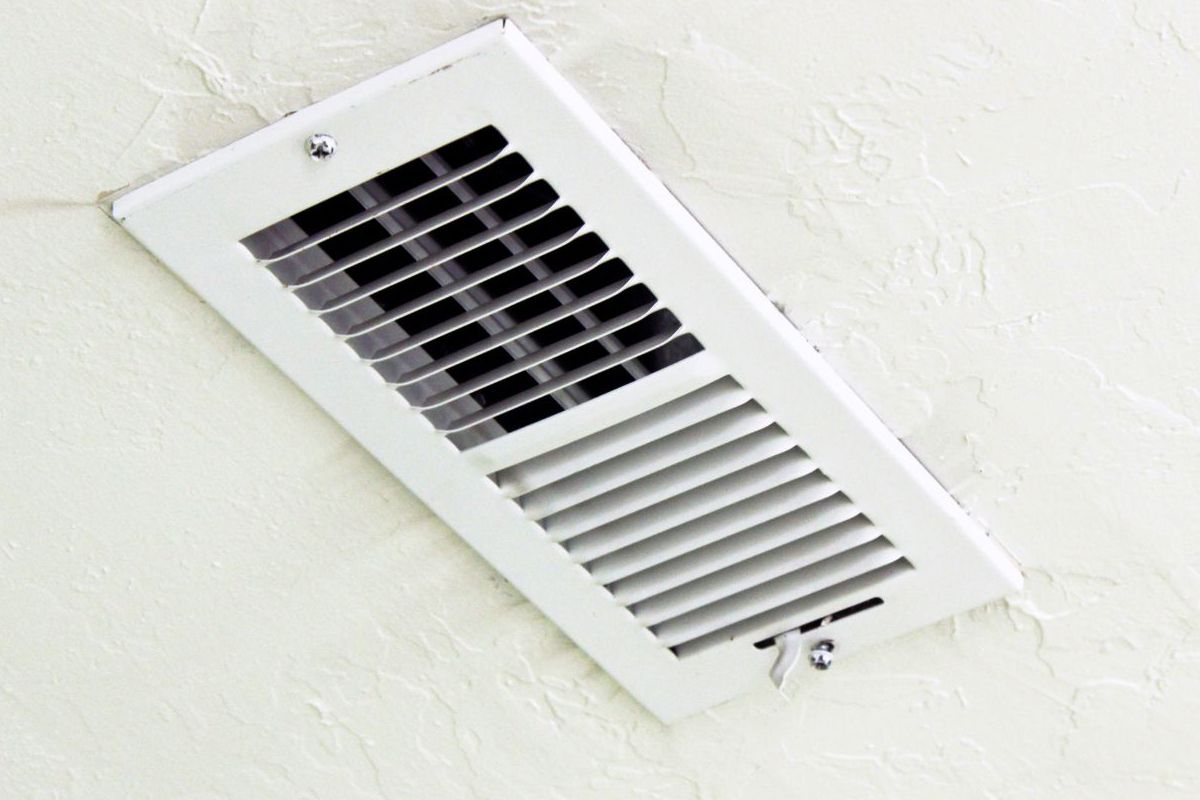
- Blocked vents
- Crushed ductwork
- Improper fan speed settings
A properly balanced HVAC system dries coils efficiently and limits mold growth.
7. Seal and Maintain Ductwork
Leaky or poorly insulated ducts can draw in humid attic air, increasing moisture inside the system.
Duct maintenance includes:
- Sealing joints
- Insulating duct runs
- Preventing attic air infiltration
This step is especially important in older Florida homes and commercial buildings.
8. Schedule Routine HVAC Maintenance
Preventive maintenance is the most reliable way to stop mold before it starts.
Routine service allows technicians to:
- Inspect for early mold signs
- Clean problem areas
- Adjust airflow
- Verify humidity performance
Most mold problems are preventable when systems are serviced consistently.
9. Avoid Overcooling the Space
Lowering the thermostat excessively to “feel dry” backfires.
Overcooling can:
- Cause short cycling
- Increase condensation
- Prevent proper moisture removal
The solution is humidity control — not colder temperatures.
10. Address Mold Smells Immediately
Musty odors are early warning signs. If ignored, mold can spread inside ducts and equipment.
If you smell:
- Damp or musty air
- Dirty sock odors
- Persistent mildew smells
It’s time for a professional inspection.
Commercial Buildings Face Higher Mold Risk
Businesses often experience mold issues faster due to:
- Higher occupancy
- Longer run times
- Larger drain systems
- Greater humidity loads
Routine commercial HVAC service is critical for IAQ and liability protection.
Seminole Home Avoids Costly Mold Remediation
A Seminole homeowner noticed a musty smell during summer cooling. An inspection revealed a clogged drain and dirty coil — early signs of mold. After cleaning, UV installation, and airflow adjustments, the issue was resolved before duct remediation was needed.
Early action saved thousands.
Mold Prevention Is About Moisture Control and Maintenance
Preventing mold growth in your air conditioning system requires:
- Proper system design
- Consistent maintenance
- Effective humidity control
- Clean internal components
Florida’s climate makes mold prevention a necessity — not an option.
At Williams Air Solutions, we help homeowners and businesses protect their HVAC systems from mold through professional service, smart upgrades, and preventive care tailored to local conditions.
Call Williams Air Solutions at (727) 353-0090 to schedule an HVAC inspection and prevent mold growth before it becomes a serious problem.