Why Commercial HVAC Systems Fail — And How Preventive Maintenance Stops It
Commercial HVAC systems are lifelines for Florida businesses. From retail stores and restaurants to medical offices and warehouses, consistent cooling and humidity control directly impact employee performance, customer comfort, equipment storage, and regulatory compliance.
In Pinellas County’s hot, humid climate, HVAC systems face some of the harshest operating conditions in the country. Without regular maintenance, small issues quickly turn into catastrophic failures — usually during peak business hours when repair costs and downtime are highest.
At Williams Air Solutions, we see the same failure patterns repeatedly. Fortunately, nearly all of them can be prevented with structured preventive maintenance.
Here’s why commercial HVAC systems fail — and how proper maintenance eliminates those risks.
1. Electrical Component Failure
Electrical parts are the leading cause of breakdowns in commercial HVAC systems.
High heat and long runtime strain:
- Capacitors
- Contactors
- Relays
- Control boards
What happens without maintenance:
- Capacitors lose their ability to start motors
- Contacts pit or burn, interrupting current flow
- Loose connections overheat and fail
Business impact:
- Sudden system shutdowns
- Emergency service calls
- Disrupted operations
How maintenance prevents it:
Routine component testing identifies weakening electrical parts early — allowing replacement before shutdown occurs.
2. Dirty Coils and Restricted Airflow
Coils must remain clean for heat transfer to occur efficiently. Coastal dirt, airborne dust, pollen, and debris buildup restrict cooling capacity.
What happens without maintenance:
- Increased system run times
- Reduced temperature control
- Higher humidity levels
- Compressor overheating
Business impact:
- Poor comfort conditions
- Increased energy costs
- Higher wear and tear on major components
How maintenance prevents it:
Coil cleaning and airflow optimization restore full cooling capacity and reduce mechanical stress.
3. Refrigerant Loss and Pressure Imbalances
Small refrigerant leaks are common and usually go unnoticed until cooling output drops significantly.
What happens without maintenance:
- Systems operate undercharged
- Compressors overheat
- Dehumidification drops
- Internal damage accumulates
Business impact:
- Rising energy bills
- System inefficiencies
- Potential compressor failure
How maintenance prevents it:
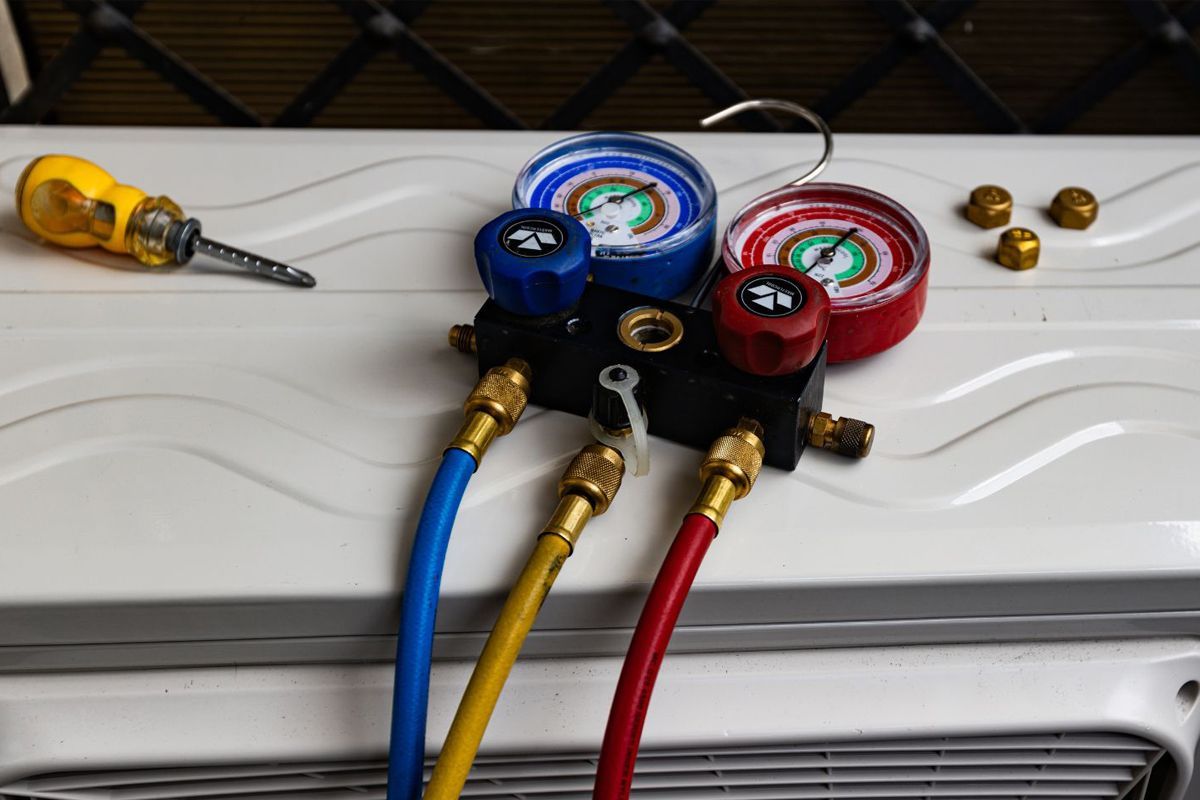
Routine pressure testing detects refrigerant loss before compressor damage occurs.
4. Water Damage From Clogged Drain Lines
Florida humidity produces constant condensate. Without preventive drain cleaning:
What happens:
- Algae clogs build up
- Drain pans overflow
- Safety switches shut systems down
- Mold spreads
Business impact:
- Ceiling or drywall damage
- Slip hazards
- Air quality concerns
- Shutdowns due to water intrusion
How maintenance prevents it:
Drain lines are cleared and disinfected before blockages occur — preventing system shutdowns and property damage.
5. Short Cycling and Mechanical Strain
Short cycling — when the system turns on and off too frequently — dramatically accelerates motor and compressor wear.
What causes it:
- Electrical wear
- Thermostat miscalibration
- Improper airflow
- Low refrigerant
Business impact:
- Poor humidity control
- Uneven temperatures
- Reduced equipment lifespan
How maintenance prevents it:
Full operational testing and thermostat calibration keep cycles within healthy operating ranges.
6. Unbalanced Multi-Unit Operation
Many facilities operate several rooftop or packaged units simultaneously.
What happens without coordination:
- Units overwork to compensate for others
- Zones experience uneven cooling
- Energy waste increases
Business impact:
- Customer complaints
- High operating costs
- Equipment failures
How maintenance prevents it:
System balancing ensures each unit carries its proper workload,
preventing cascading failures.
7. Deferred Repairs Become Major Component Failures
When minor repairs aren’t addressed early:
- Bearings seize
- Motors burn out
- Compressors fail
- Entire units face premature replacement
Business impact:
- Large capital replacement spending
- Multi-day downtime
- Lost revenue
How maintenance prevents it:
Early repair identification turns $100 fixes into avoided $5,000 breakdowns.
The True Cost of Skipping Maintenance
Without preventive maintenance, businesses experience:
- ⚠ Higher energy bills
- ⚠ Emergency service costs
- ⚠ Premature equipment replacement
- ⚠ Interruptions to daily operations
- ⚠ Customer dissatisfaction
Largo Medical Office
A Largo medical office with several rooftop units skipped maintenance for years. They experienced two compressor failures — each causing appointment cancellations and emergency service charges.
After enrolling in a biannual maintenance program:
- System failures stopped
- Cooling performance stabilized
- Energy costs dropped by 15% annually
- No emergency service calls occurred
Preventive scheduled maintenance proved far more affordable than reactive repairs.
Preventive Maintenance Is the Only Reliable Failure Prevention Strategy
Commercial HVAC failures are not random. They follow predictable mechanical and electrical breakdown patterns — patterns that maintenance can interrupt long before disaster strikes.
At Williams Air Solutions, our commercial maintenance programs are designed specifically for Florida’s climate conditions — targeting the real causes of breakdown before they impact business operations.
Call Williams Air Solutions at (727) 353-0090 today to
schedule a commercial HVAC maintenance consultation and keep your business protected from costly HVAC failures.