What’s Included in a Commercial HVAC Maintenance Agreement and Why It Matters
For many Florida businesses, a commercial HVAC maintenance agreement sounds simple: regular service to keep systems running. But not all agreements are created equal, and the details inside the contract make a significant difference in system reliability, operating costs, and long-term performance.
A well-structured maintenance agreement does more than prevent breakdowns. It helps businesses plan ahead, protect equipment investments, and maintain a comfortable, compliant indoor environment year-round.
At Williams Air Solutions, we believe businesses should fully understand what’s included in their HVAC maintenance agreement, and why each component matters. Here’s a clear breakdown of what a legitimate commercial HVAC maintenance agreement should include.
1. Scheduled Preventive Maintenance Visits
At the core of every maintenance agreement are routine service visits scheduled in advance, typically biannual or quarterly, depending on system usage and building type.
These visits help:
- Identify wear before failure occurs
- Optimize system performance
- Reduce emergency service calls
Scheduled maintenance prevents reactive service and keeps HVAC care predictable.
2. Full System Performance Inspections
A commercial maintenance agreement should include detailed inspections that evaluate how the system is actually operating, not just visual checks.
This includes:
- Temperature differential testing
- System startup and shutdown evaluation
- Runtime performance analysis
Performance inspections ensure systems deliver consistent comfort and efficiency.
3. Coil, Blower, and Component Inspections
Dirty coils and blower assemblies reduce efficiency and strain equipment.
Maintenance agreements should cover:
- Evaporator and condenser coil inspections
- Blower motor and fan assembly checks
- Recommendations for cleaning when needed
Clean components improve airflow, efficiency, and indoor air quality.
4. Electrical Safety Testing
Electrical failures are a leading cause of commercial HVAC breakdowns.
Proper maintenance includes:
- Capacitor testing
- Contactor inspection
- Electrical connection checks
- Voltage and amperage measurements
This testing helps prevent sudden failures and fire risks.
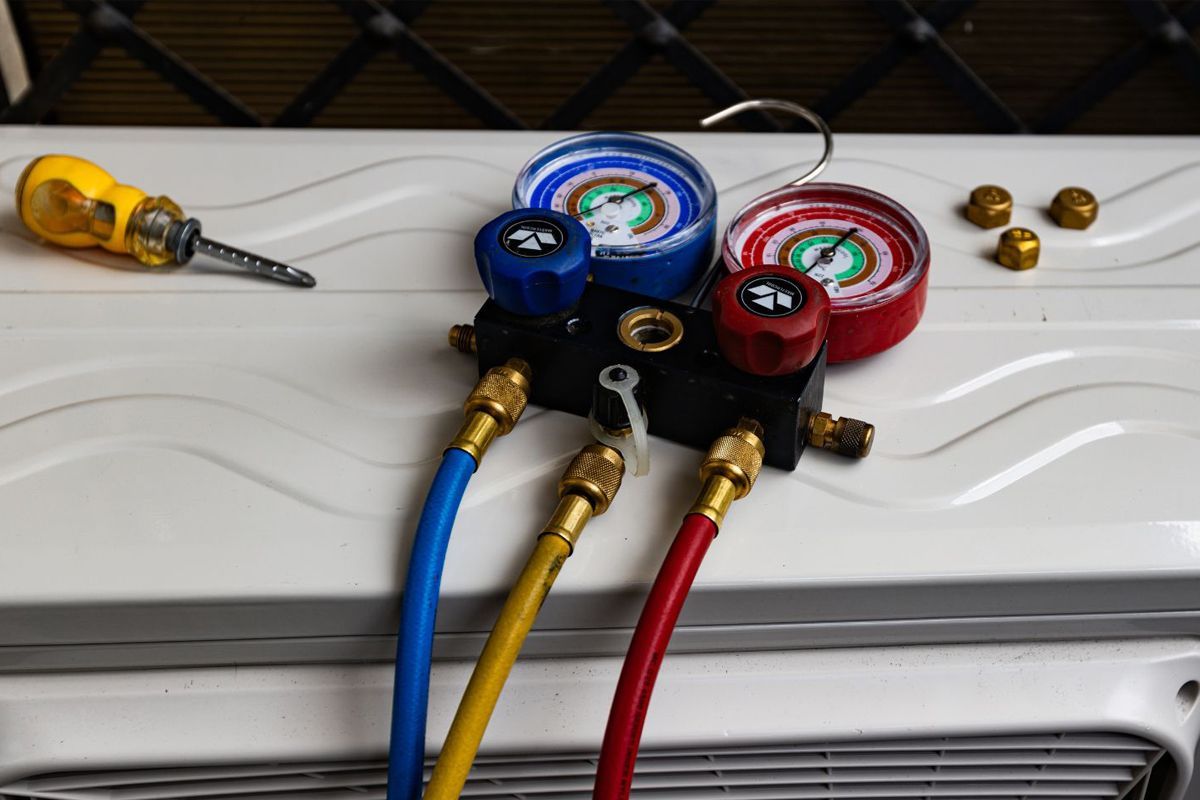
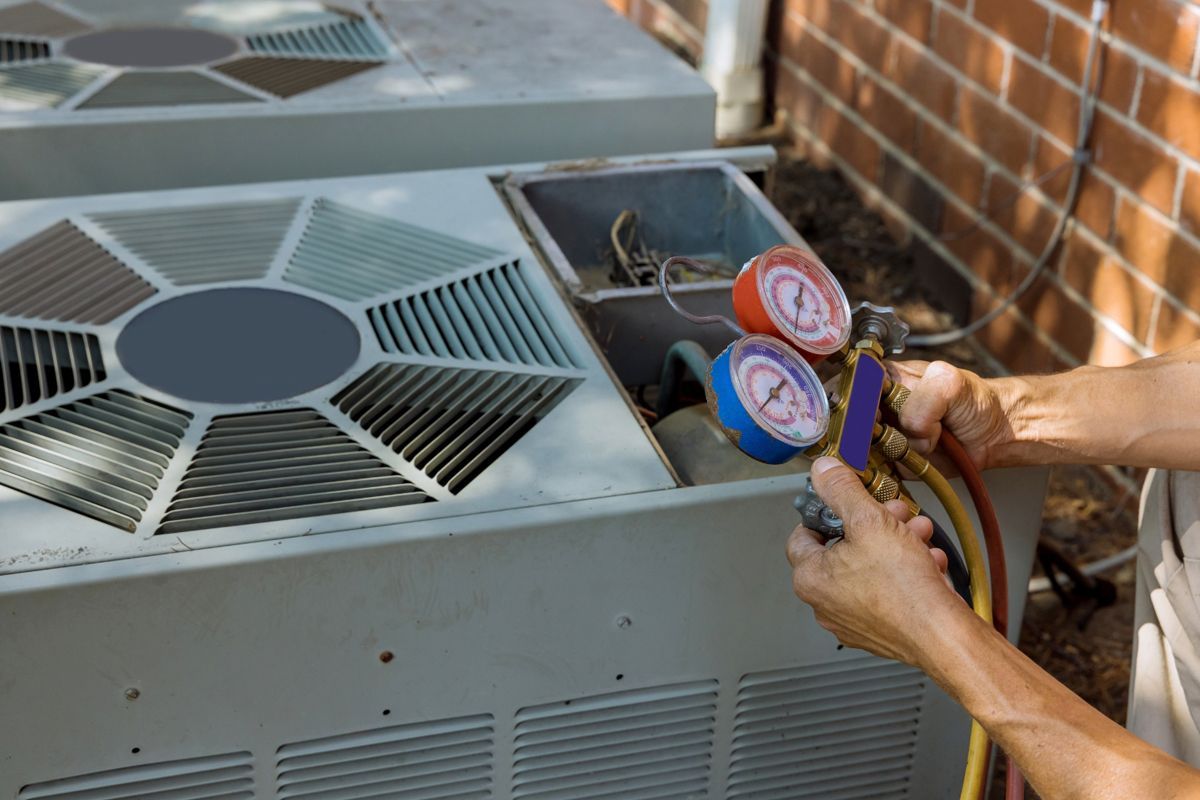
5. Refrigerant Performance Evaluation
Rather than “topping off” refrigerant, professional maintenance evaluates system performance.
This includes:
- Pressure readings
- Superheat and subcooling measurements
- Signs of refrigerant loss
Maintaining correct refrigerant performance protects compressors and efficiency.
6. Drain Line and Condensate System Service
In Florida’s humid climate, condensate management is critical.
Maintenance agreements should include:
- Drain line flushing
- Drain pan inspection
- Safety switch testing
Preventing clogs protects against water damage, mold growth, and shutdowns.
7. Airflow and Filtration Review
Proper airflow and filtration are essential for comfort, efficiency, and air quality.
Commercial maintenance should address:
- Filter condition and replacement schedules
- Return and supply airflow balance
- Airflow restrictions
This helps prevent hot spots and improves occupant comfort.
8. Humidity and Indoor Air Quality Assessment
Humidity control is a major concern in Florida commercial buildings.
A comprehensive agreement includes:
- Humidity performance evaluation
- Identification of moisture-related risks
- Recommendations for IAQ improvements
This supports healthier indoor environments and compliance expectations.
9. Priority Service and Faster Response Times
Many commercial maintenance agreements provide priority scheduling.
This means:
- Faster response during peak seasons
- Reduced downtime during emergencies
- Preferential service access
For businesses, faster response often prevents revenue loss.
10. Maintenance Documentation and Reporting
Documentation is one of the most overlooked — yet most important — aspects of a maintenance agreement.
A strong agreement provides:
- Written service records
- Condition assessments
- Repair recommendations
- Compliance support documentation
These records protect businesses during inspections, audits, and warranty claims.
Why These Details Matter for Businesses
A properly structured maintenance agreement helps businesses:
- Reduce unexpected breakdowns
- Lower energy consumption
- Improve indoor air quality
- Extend equipment lifespan
- Stabilize HVAC budgets
Agreements focused only on basic checklists often fail to deliver these benefits.
Common Red Flags in Weak Maintenance Agreements
Be cautious of agreements that:
- Don’t specify service details
- Skip electrical or refrigerant testing
- Offer vague inspection language
- Lack written documentation
- Exclude drain line service
Low-cost agreements that skip critical steps often lead to higher long-term costs.
Clearwater Office Building Gains Reliability
A Clearwater commercial property upgraded from a basic service contract to a comprehensive maintenance agreement. Within the first year, emergency calls dropped, humidity stabilized, and energy usage improved — all without major equipment replacement.
Why Maintenance Agreements Matter More in Florida
Florida commercial HVAC systems face:
- Year-round operation
- High humidity loads
- Salt-air corrosion
- Heavy occupancy demands
Without comprehensive preventive maintenance, systems deteriorate faster and fail more often.
A Commercial HVAC Maintenance Agreement Is a Business Tool
A well-designed commercial HVAC maintenance agreement isn’t just about keeping equipment running, it’s about protecting your business from downtime, liability, and unnecessary costs.
At Williams Air Solutions, we tailor commercial HVAC maintenance agreements to each facility’s needs, usage patterns, and Florida-specific challenges, ensuring dependable comfort and predictable outcomes.
Call Williams Air Solutions at (727) 353-0090 to review or customize a commercial HVAC maintenance agreement that protects your business year-round.