How Poor Indoor Air Quality Can Impact Workplace Productivity and Safety
Indoor air quality (IAQ) plays a much larger role in workplace performance than many business owners realize. Employees spend eight or more hours per day inside commercial buildings, relying on HVAC systems to circulate clean, breathable air. When those systems aren’t properly maintained, indoor air quality can decline quickly, leading to health complaints, reduced productivity, and even safety concerns.
In Florida’s hot, humid environment, these issues appear faster and more aggressively than in most regions. At Williams Air Solutions, we regularly see businesses unknowingly dealing with IAQ problems that directly impact employee well-being and customer experience.
Here’s how poor indoor air quality affects workplace productivity and safety, and what business owners can do to prevent it.
1. Poor Air Quality Increases Employee Fatigue and Discomfort
Stale air, excess humidity, and airborne contaminants make indoor environments uncomfortable. Employees may experience:
- Headaches
- Eye irritation
- Sinus pressure
- Fatigue
- Difficulty concentrating
These symptoms reduce alertness and focus, making it harder for employees to stay productive throughout the workday.
2. Increased Sick Days and Absenteeism
Airborne irritants, allergens, and bacteria circulate more easily in poorly maintained HVAC systems. Over time, this leads to:
- Higher allergy symptoms
- Respiratory issues
- More frequent colds and illnesses
When indoor air quality declines, absenteeism often increases, impacting staffing levels and workflow consistency.
3. Reduced Cognitive Performance
Studies consistently show that poor indoor air quality affects mental performance. Elevated carbon dioxide levels, poor ventilation, and airborne pollutants can reduce:
- Decision-making accuracy
- Reaction times
- Problem-solving ability
In environments where attention to detail matters — such as offices, medical facilities, and industrial spaces — these effects create real business risk.
4. Safety Risks Increase in Industrial and Commercial Settings
In warehouses, manufacturing facilities, and service environments, poor air quality can directly impact safety by:
- Causing dizziness or fatigue
- Reducing visibility due to airborne particles
- Creating slippery conditions from excess humidity
When employees are uncomfortable or physically affected by air quality, the likelihood of accidents increases.
5. High Humidity Encourages Mold Growth
Florida’s humidity makes mold growth one of the most common IAQ problems in commercial buildings.
Mold exposure can cause:
- Respiratory irritation
- Allergic reactions
- Odor complaints
- Long-term health concerns
Mold issues also introduce liability risks and can force business disruptions if remediation is required.
6. Poor Indoor Air Quality Affects Customer Experience
Customers may not immediately identify air quality problems, but they feel them.
Signs customers notice include:
- Musty or stale odors
- Uncomfortable temperature swings
- Sticky or humid conditions
Negative indoor environments can shorten visits, reduce return traffic, and damage brand perception.
7. HVAC Systems Spread Contaminants When Not Maintained
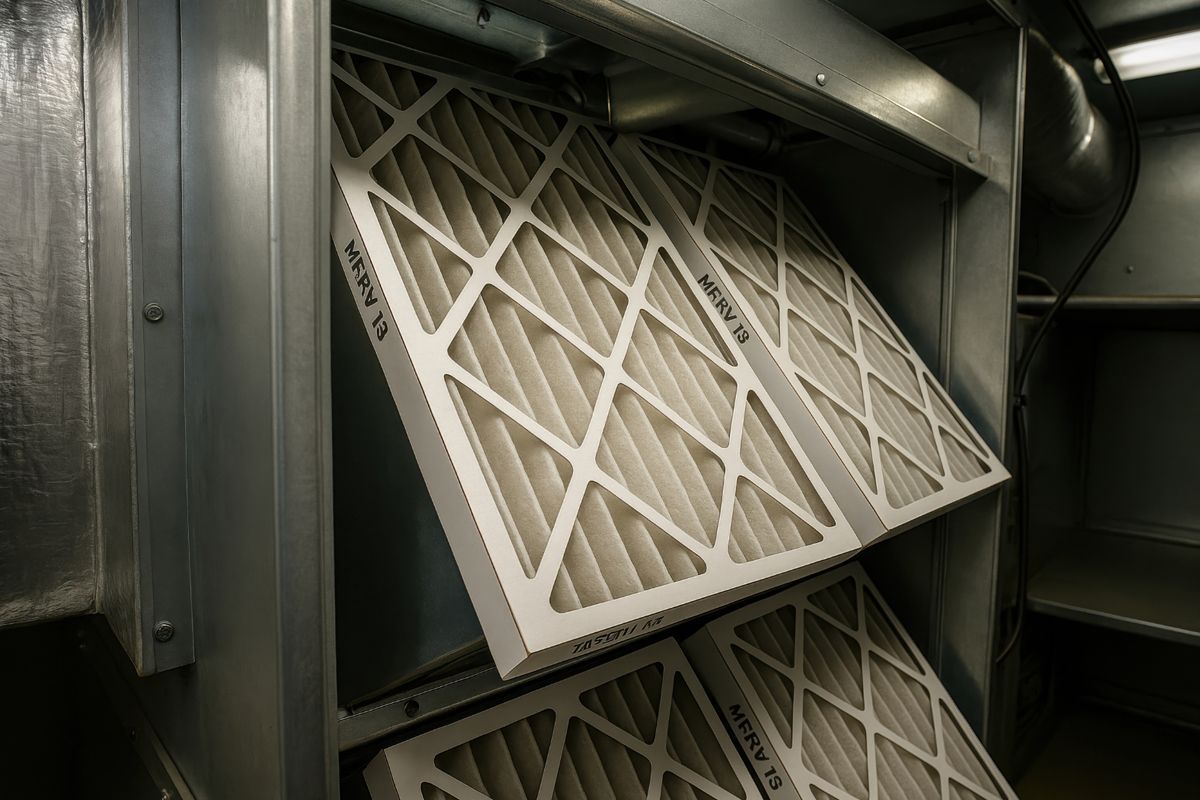
Dirty filters, clogged drain pans, and contaminated coils allow pollutants to circulate throughout the building.
Without routine HVAC service:
- Dust and allergens remain airborne
- Bacteria and mold spread
- Airflow becomes uneven
Routine maintenance breaks this cycle and improves air cleanliness.
8. Poor IAQ Can Trigger Compliance and Liability Issues
Many industries are subject to health and safety expectations regarding indoor environments. Persistent air quality issues can lead to:
- Failed inspections
- Employee complaints
- Legal disputes
- Insurance complications
Documented
HVAC maintenance helps demonstrate proactive care and risk management.
9. HVAC Neglect Often Causes Temperature Imbalances
When airflow is restricted or systems are dirty, temperature control suffers. Employees working in overheated or overcooled areas experience discomfort that affects performance and morale.
Balanced airflow is essential for consistent comfort and productivity.
10. Productivity Improves When Air Quality Improves
Businesses that invest in indoor air quality improvements often report:
- Fewer employee complaints
- Lower sick-day usage
- Improved focus and morale
- Better customer satisfaction
Clean air supports a healthier, more efficient workplace.
St. Petersburg Office Sees Improvement
A St. Petersburg office experienced recurring employee complaints about fatigue and stale air. After
implementing routine HVAC maintenance, improving filtration, and addressing humidity issues, complaints dropped and employee comfort noticeably improved within weeks.
Why Florida Businesses Are More Vulnerable to IAQ Issues
Florida’s climate intensifies indoor air quality problems due to:
- Constant humidity
- Long HVAC runtimes
- Tightly sealed commercial buildings
- Salt-air corrosion
Without consistent HVAC service, IAQ problems escalate quickly.
Indoor Air Quality Directly Affects Business Performance
Poor indoor air quality isn’t just a comfort issue, it’s a productivity and safety concern that impacts employees, customers, and business outcomes.
Routine HVAC maintenance:
- Improves air cleanliness
- Controls humidity
- Supports employee health
- Reduces safety risks
At Williams Air Solutions, we help Florida businesses protect indoor air quality through preventive HVAC service designed for real-world conditions.
Call Williams Air Solutions at (727) 353-0090 to improve indoor air quality and create a safer, more productive workplace.