How Construction HVAC Inspections Catch Problems Before Move-In
When homeowners move into a newly built house, they expect everything — especially their HVAC system — to operate smoothly. But even brand-new systems can have issues hiding behind drywall and duct insulation. That’s why construction-phase HVAC inspections are so important.
A full HVAC inspection before move-in identifies mistakes that are invisible to the eye but expensive later, such as poor airflow, incorrect refrigerant charge, duct leaks, thermostat placement errors, and zoning malfunctions. These inspections protect homeowners, builders, and real estate value.
At Williams Air Solutions, we regularly inspect HVAC installations across Pinellas County to ensure homes are ready for Florida heat from day one. Here’s how these inspections catch problems early and prevent future repair costs.
1. They Confirm the System Was Sized and Installed Correctly
An HVAC inspection ensures the home’s system matches actual design requirements — not builder assumptions.
Inspectors verify:
- Manual J load sizing
- System tonnage accuracy
- Equipment staging and capacity
- Installation against manufacturer standards
If the unit is too big or too small, comfort problems show up immediately once Florida temperatures rise.
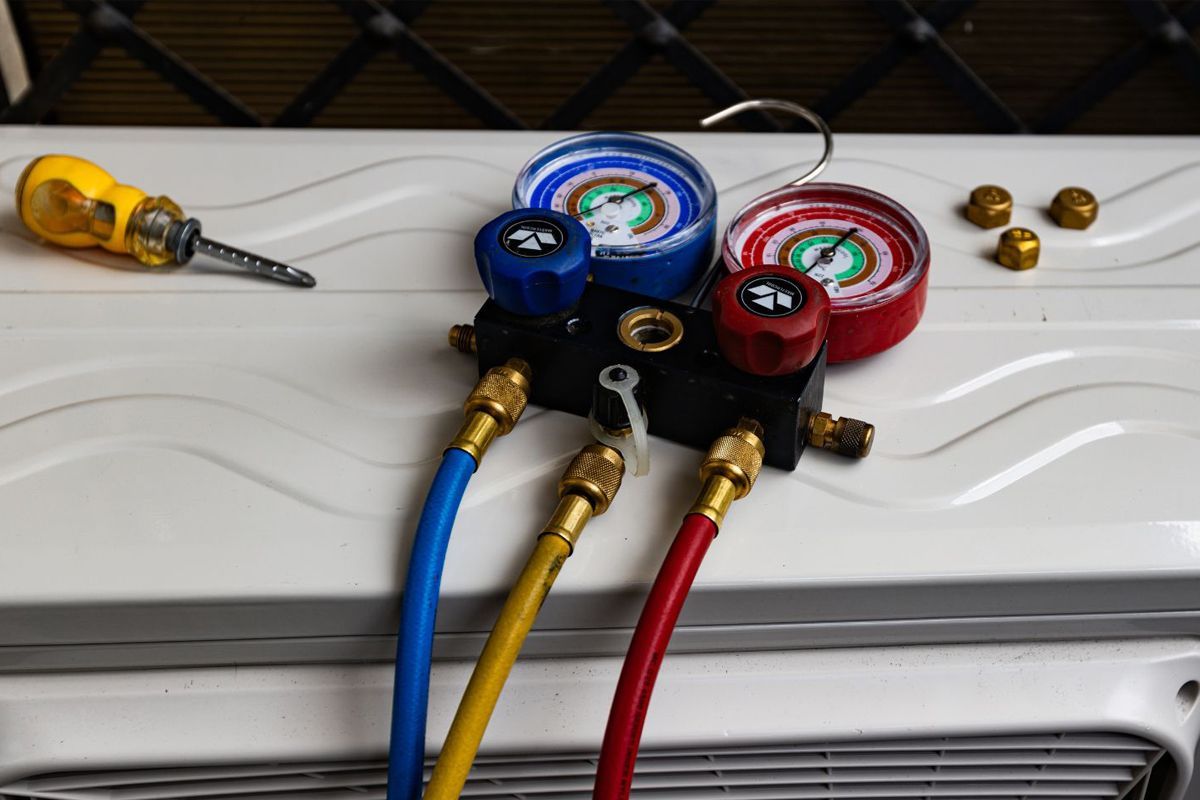
2. They Detect Refrigerant Charge or Line Issues
Even new systems can be:
- Undercharged
- Overcharged
- Contaminated with moisture
This leads to:
- High energy consumption
- Coil freezing
- Compressor strain
- Warranty denial
Testing refrigerant levels at construction prevents early breakdowns.
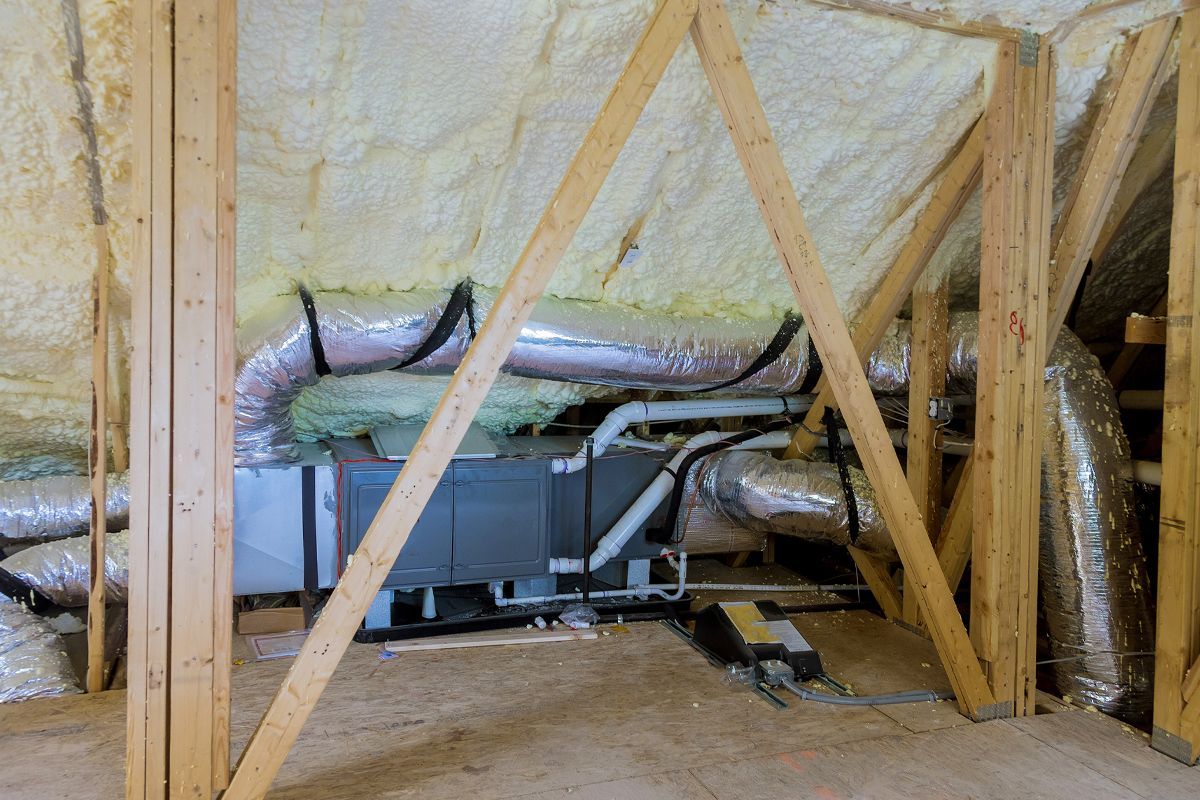
3. They Identify Duct Leaks Before Ceilings Close In
Up to 20–30% of conditioned air can leak from poorly sealed ducts.
A construction inspection can detect:
- Loose connections
- Damaged duct boots
- Missing insulation
- Crushed or restricted runs
Fixing leaks before walls close saves thousands in cooling costs over the system’s lifetime.
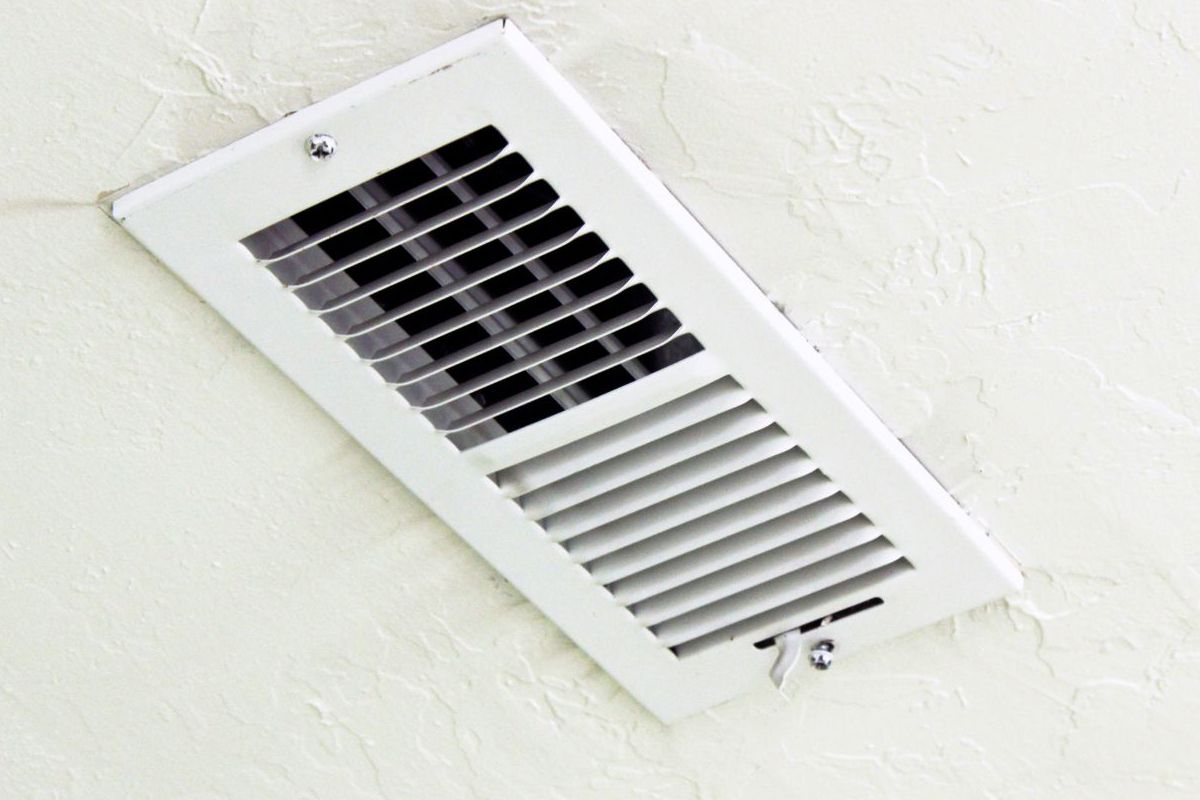
4. They Verify Return Air Balance and Vent Placement
Returns are often placed incorrectly during framing.
A proper inspection confirms:
- Adequate return sizes
- Balanced airflow between rooms
- No blockage risk
- Correct grille location
Without this, homeowners experience weak airflow and uneven temperatures.
5. They Ensure Thermostat Locations Won’t Misread Temperatures
Thermostats must be kept away from:
- Sun-facing walls
- Kitchen heat
- Vents and drafts
- Electronic heat sources
A construction inspection prevents ongoing temperature swings caused by location mistakes.
6. They Confirm Zoning Is Wired and Operating Correctly
Zoning problems are expensive after move-in.
Inspection catches:
- Miswired dampers
- Improper control board setup
- Faulty communication wiring
This ensures
multi-zone homes cool evenly from the start.
7. They Validate Drain Line and Safety Switch Installation
Drain issues are one of the most common causes of early AC failure.
Inspections verify:
- Proper slope
- Cleanout access
- Float switch function
- Pan design
A failed drain can cause ceiling leaks, mold, and major drywall damage.
8. They Check Outdoor Equipment Positioning
Sometimes outdoor units are:
- Too close to structural walls
- Exposed to excessive sun
- Blocked by vegetation
- Installed on unstable foundations
Correct placement protects efficiency and compressor life.
9. They Document Everything for Warranty Protection
Inspections produce records that support warranty coverage:
- Refrigerant readings
- Static pressure testing
- Commissioning notes
- Photograph evidence
This documentation can prevent costly disputes later.
10. They Reveal Design Mistakes Before Anyone Lives There
A construction inspection can uncover:
- Wrong duct sizing
- System underperformance
- Loud return paths
- Incorrect fan speeds
Fixing these after move-in requires cutting drywall — far more expensive than corrections during framing.
Why These Inspections Matter in Florida New Construction
Florida homes rely on cooling nearly year-round.
Without pre-move-in HVAC inspection, homeowners may face:
- Higher electric bills
- Poor humidity removal
- Return imbalance
- Constant system cycling
The earlier these issues are found, the cheaper they are to fix.
Belleair Inspection Prevented Major Remodel Work
A Belleair property was scheduled to close in two weeks. Our HVAC inspection found undersized return ducting and improper
thermostat wiring. The issues were corrected before move-in — saving the homeowners thousands and preventing a full attic redesign later.
HVAC Inspections Protect Builders and Buyers
A professional HVAC inspection during construction stops hidden problems from becoming long-term frustrations.
Homeowners gain:
- Better comfort
- Lower energy use
- Peace of mind
Builders gain:
- Fewer callbacks
- Happier clients
- Stronger work quality
And both avoid massive post-occupancy repair cost
At Williams Air Solutions, we help Florida builders and homeowners verify new HVAC systems long before move-in — ensuring reliable comfort from the first day the keys are handed over.
Call Williams Air Solutions at (727) 353-0090 to schedule a pre-move-in HVAC inspection and protect your new home investment.